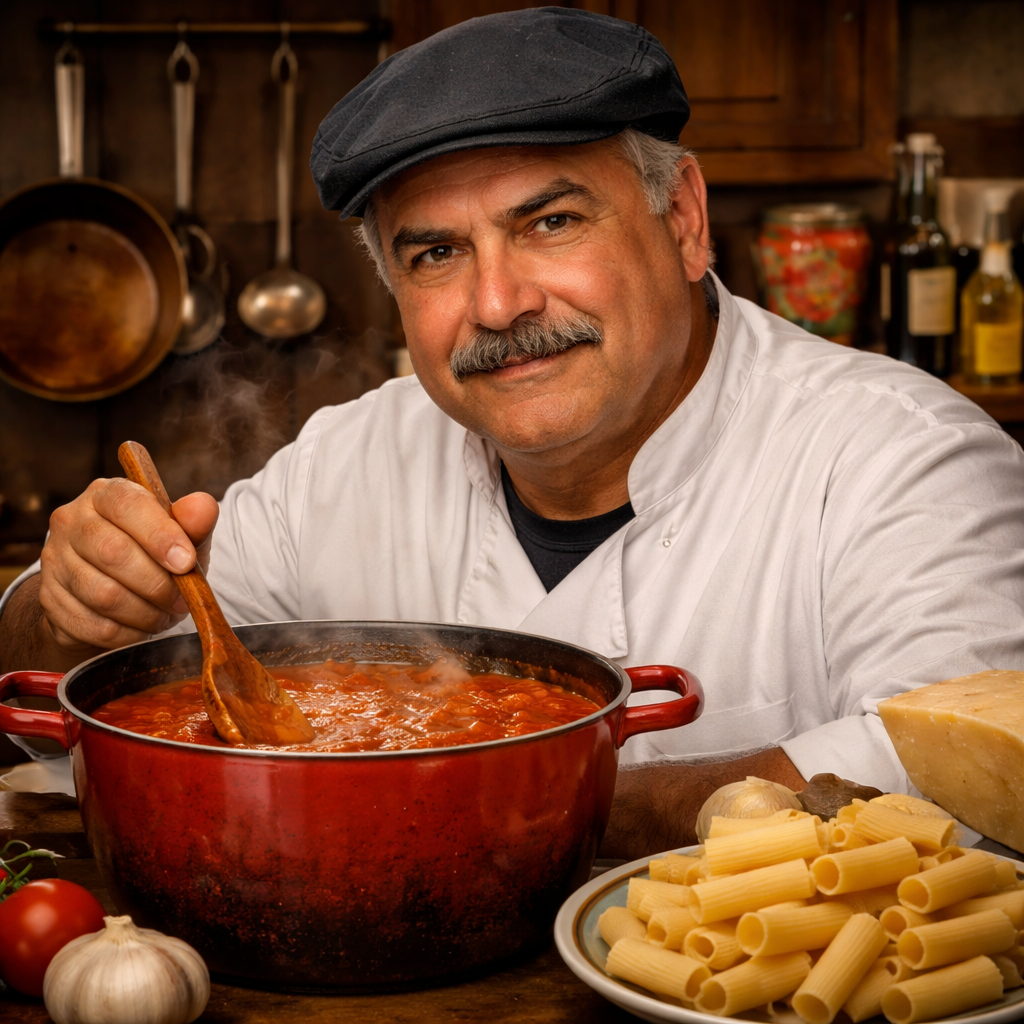
I don’t do ‘good enough.’ This is the right way. 5-Ingredient Dinner Recipes — and I mean actual dinners, not snacks assembled on a cutting board and called a meal. I’ve spent thirty years in professional kitchens where we built dishes from dozens of components, and what that experience taught me is that great food doesn’t require complexity — it requires understanding. Five good ingredients, treated correctly, produce better food than twenty mediocre ingredients treated carelessly. This is the principle every great cook eventually arrives at.
Constraints are clarifying. When you limit yourself to five ingredients, you stop hiding behind complexity and start cooking with intention. Every element matters. Nothing is filler. These recipes are proof.
For quick weeknight cooking, explore 30-Minute Chicken Dinners, One-Pan Dinner Ideas, Easy Chicken Quesadillas, Oven Baked Pork Chops, and Shrimp Scampi.
Why 5-Ingredient Meals Actually Work
- Quality over quantity: With five ingredients, every one is visible. A mediocre tomato in a 20-ingredient pasta gets lost. In a 5-ingredient dish, it’s the star or the liability.
- Technique is the multiplier: Five ingredients treated with professional technique produce exponentially more flavor than five ingredients thrown in a pan. Browning, seasoning in stages, building fond, finishing with fat — these are what transform simple into excellent.
- Salt doesn’t count: The five-ingredient rule (by convention) doesn’t include pantry staples: salt, pepper, oil, butter. These are tools, not ingredients.
- One main ingredient, four supporting: Successful 5-ingredient dishes usually have one primary protein or vegetable and four things that amplify it.
5 Recipes with 5 Ingredients
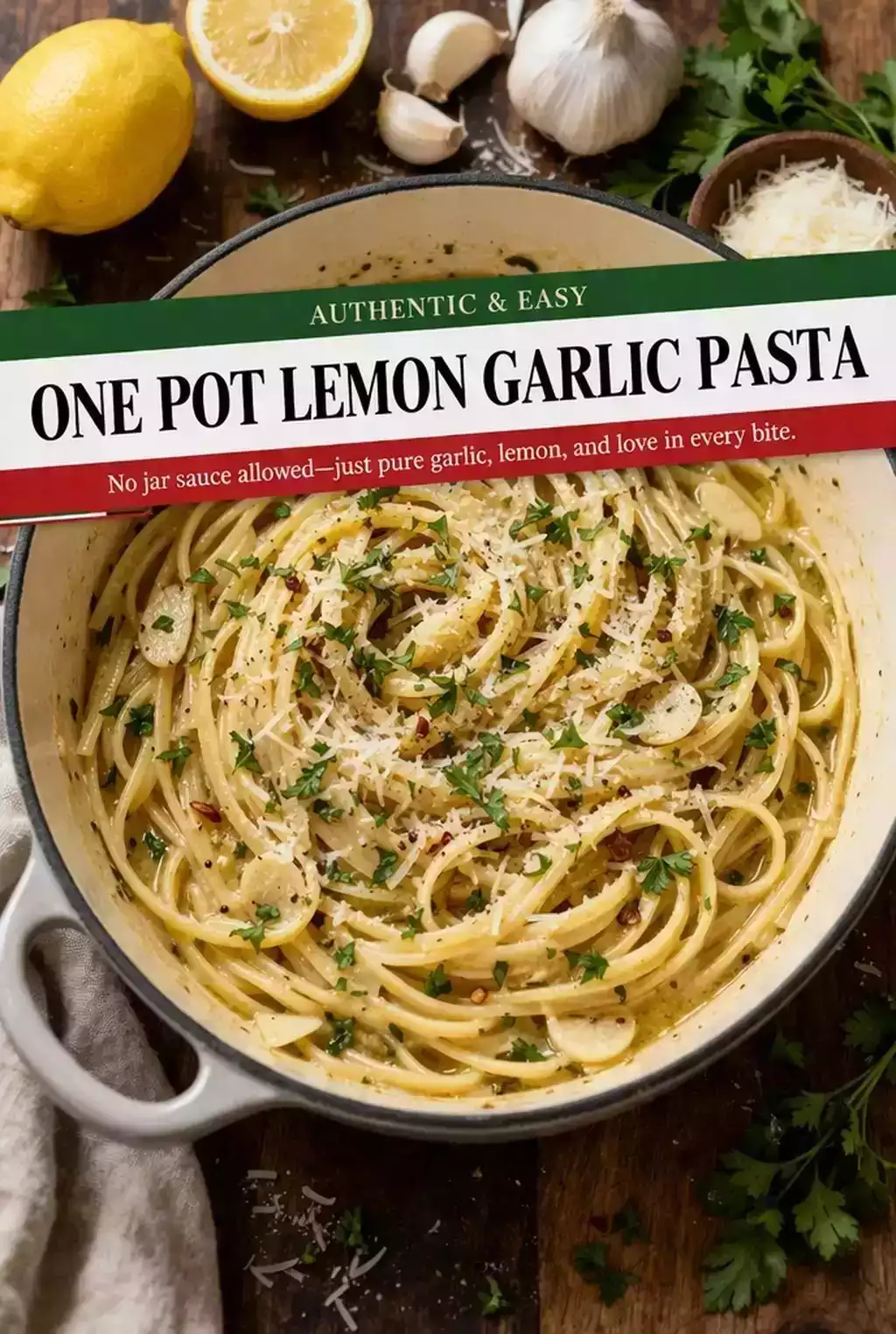
1. Garlic Butter Pasta
- 12 oz spaghetti
- 6 tbsp butter
- 8 garlic cloves, sliced thin
- ½ tsp red pepper flakes
- ½ cup Parmesan + pasta water
2. Sheet Pan Salmon and Asparagus
- 4 salmon fillets
- 1 bunch asparagus
- 3 tbsp olive oil
- 2 lemons
- 4 garlic cloves
3. Sausage and Peppers
- 1.5 lbs Italian sausage links
- 4 bell peppers, sliced
- 2 onions, sliced
- 4 garlic cloves
- 1 can (14.5 oz) diced tomatoes
4. Butter-Basted Steak with Pan Sauce
- 2 ribeye or NY strip steaks
- 4 tbsp butter
- 4 garlic cloves, smashed
- Fresh thyme sprigs
- ½ cup beef broth
5. Lemon Herb Roasted Chicken Thighs
- 6 bone-in chicken thighs
- 3 tbsp olive oil
- 2 lemons, sliced
- 8 garlic cloves
- Fresh rosemary or thyme
Instructions
Garlic Butter Pasta (Aglio e Olio Style)
Cook spaghetti in very heavily salted water to al dente. Meanwhile, melt butter in a large skillet over medium heat. Add sliced garlic and cook until golden (not dark) and fragrant. Add red pepper flakes. Reserve 1 cup pasta water before draining. Add pasta to garlic butter. Add Parmesan and splash of pasta water. Toss vigorously until creamy and emulsified. 20 minutes total.
Sheet Pan Salmon and Asparagus
Preheat oven to 425°F. Toss asparagus with 2 tbsp olive oil and season. Arrange on a sheet pan. Place salmon fillets on top. Drizzle with remaining oil, top with garlic slices and lemon rounds. Roast 12–15 minutes until salmon is cooked through and asparagus is slightly charred. 25 minutes total including prep.
Sausage and Peppers
Brown sausage links in olive oil over medium-high, turning until golden all around — 5–6 minutes. Remove, slice into 2-inch pieces. In same pan, sauté peppers and onions 6–8 minutes. Add garlic 1 minute. Add tomatoes and sliced sausage. Simmer 10 minutes. Serve over rice, pasta, or in hoagie rolls. 30 minutes total.
Butter-Basted Steak
Season steaks with salt and pepper. Cast iron screaming hot with a thin layer of oil. Sear 3–4 minutes per side. Add butter, garlic, and thyme to the pan. Tilt the pan and continuously spoon butter over the steak for 2 minutes. Rest 5 minutes. Deglaze pan with beef broth and reduce for a 2-minute pan sauce. 20 minutes total.
Lemon Herb Chicken Thighs
Preheat oven to 425°F. Rub chicken thighs with olive oil and season well. Place in a baking dish. Scatter garlic cloves, lemon slices, and fresh herbs around and over the chicken. Roast 35–40 minutes until skin is golden and internal temperature reaches 165°F. The lemon and garlic caramelize alongside the chicken, creating an instant pan sauce. 45 minutes including minimal prep.
Universal Tips for 5-Ingredient Cooking
- Use the best ingredients you can afford: With only five elements, quality is amplified. A good piece of salmon tastes better than a mediocre one in any dish. With five ingredients, there’s nowhere to hide.
- Season aggressively: Fewer ingredients means each component needs to carry more weight. Season at every stage: before cooking, during, and after tasting.
- Build fond: Every pan sauce in this roundup uses the browned bits left from searing. That’s concentrated flavor. Always use it.
- Fat finishes everything: A pat of butter at the end of a pasta, a drizzle of olive oil on roasted vegetables — fat carries aroma compounds and rounds out the dish.
Storage
- All five recipes: Keep 3–4 days refrigerated. Reheat gently in a covered pan with a splash of broth or water.
- Pasta: Store sauce and pasta separately if possible — pasta absorbs sauce and thickens overnight. Add a splash of water when reheating.
Frequently Asked Questions
Does salt and pepper count toward the 5 ingredients?
By the conventional rule: no. Salt, pepper, and cooking oil are pantry tools, not ingredients. Applying this rule strictly lets you build surprisingly complete dishes with only five true flavor components.
Can I add more ingredients once I understand these?
Absolutely — these are templates. The garlic butter pasta is the base for cacio e pepe, pasta alla norma, or dozens of other Italian pasta dishes. The sheet pan salmon works with any combination of vegetables. The five-ingredient constraint is a learning tool, not a permanent ceiling.
What’s the single most important technique in simple cooking?
Browning. The Maillard reaction produces hundreds of flavor compounds that no amount of seasoning can replicate in un-browned food. High heat, dry surface, minimal moving around. Everything else flows from there.
Marco’s Kitchen Notes
Five-ingredient cooking is a discipline, not a limitation. The chefs I most respected during my thirty years in professional kitchens were the ones who could produce extraordinary results with minimal resources — not the ones with the biggest pantries and the most equipment. Constraint forces clarity. When you have twenty ingredients, you can hide weakness behind complexity. With five, every element must earn its place. This is how I trained new cooks in my kitchen: give them four ingredients and tell them to make something worth eating. The results revealed character, instinct, and fundamental technique faster than any structured recipe lesson could.
The practical lesson for home cooking: next time you open the refrigerator and feel like “there’s nothing to eat,” challenge yourself to identify the best five things in there and build around them. Usually the protein you have, two or three supporting vegetables or pantry items, and one finishing element — a good cheese, a lemon, fresh herbs, or quality olive oil. The instinct to build from what’s available, rather than waiting for the perfect grocery trip, is the most valuable skill a home cook can develop. These five recipes are a curriculum. Learn them and then improvise freely from the framework they establish.