I‘ll fight anyone who says this needs to be complicated. Greek orzo chicken soup — lemon-infused, herb-fragrant, with orzo that absorbs every drop of a deeply flavored homemade broth — is the Mediterranean answer to chicken noodle soup. It’s the soup Greeks make when someone is sick, when someone needs feeding, when a family gathers and everyone needs to feel that the cook cares. My New York upbringing gave me deep exposure to Greek cooking through the diners and Greek delis that shaped the city’s food culture, and this soup became a regular in my own rotation.
My Italian-American side recognizes the tradition immediately — we have our own broth-heavy, pasta-in-soup dishes (pasta e fagioli, minestra, brodo) built on the same instinct. Homemade chicken stock that you’ve cooked vegetables and herbs into is an entirely different thing from store-bought stock. When you don’t have the time, quality store-bought broth elevated with the aromatics in this recipe gets you most of the way there.
This Greek orzo chicken soup uses the avgolemono technique — egg yolks and lemon juice whisked together and tempered with hot broth to thicken and enrich the soup without cream. It’s the Greek soup trick that turns chicken broth into something silky, rich, and deeply satisfying. Learn this technique once and you’ll use it on every broth-based soup you make.
Why This Greek Orzo Chicken Soup Works
- Avgolemono technique thickens without cream — egg yolks and lemon juice tempered with hot broth create a silky, rich consistency with actual protein and no added fat
- Orzo absorbs the broth flavors — small pasta cooked directly in the soup picks up every aromatic the broth carries
- Lemon goes in twice — lemon juice in the avgolemono and lemon zest in the broth; the two applications give layered citrus depth rather than just brightness
- Chicken thighs stay tender — poached chicken thighs shredded back into the soup are more forgiving than breast meat and contribute more flavor to the broth
- Greek herb profile — oregano and dill distinguish this from Italian chicken soup; the specific combination creates the distinctive Mediterranean character
Ingredients
For the Soup
- 1½ lbs bone-in, skin-on chicken thighs (3–4 pieces)
- 8 cups chicken stock (homemade or good-quality store-bought)
- 1 medium onion, diced
- 2 stalks celery, sliced
- 2 medium carrots, sliced into rounds
- 4 cloves garlic, minced
- 1 teaspoon dried oregano
- 1 bay leaf
- 1 cup orzo pasta
- Zest of 1 lemon (added to the soup)
- Kosher salt and black pepper
- 2 tablespoons olive oil
For the Avgolemono
- 3 large egg yolks
- 3 tablespoons fresh lemon juice (about 1½ lemons)
For Serving
- Fresh dill, chopped
- Freshly cracked black pepper
- Lemon wedges
- Crusty bread
- Crumbled feta (optional — not traditional but delicious)
Instructions
Step 1: Build the Soup Base
Heat olive oil in a large Dutch oven over medium heat. Add onion, celery, and carrots. Cook 5 minutes until beginning to soften. Add garlic and cook 1 minute. Add chicken stock, chicken thighs (whole, bone-in), oregano, bay leaf, and lemon zest. Bring to a simmer. Season lightly with salt and pepper. Simmer uncovered for 25–30 minutes until chicken is cooked through (internal temperature 165°F). Skim any foam from the surface as it develops.
Step 2: Remove and Shred the Chicken
Remove chicken thighs from the soup. Let cool 5 minutes. Remove and discard the skin and bones. Shred the meat into bite-sized pieces with two forks. Remove bay leaf. Return shredded chicken to the soup. Taste the broth and adjust salt — it should be well-seasoned and deeply chicken-flavored.
Step 3: Cook the Orzo
Bring the soup to a steady simmer. Add orzo directly to the soup. Cook 8–10 minutes, stirring occasionally, until orzo is tender. The orzo will absorb significant liquid and expand — the soup will thicken as the pasta cooks. If it becomes too thick, add a cup of stock or water. Remove from heat before adding the avgolemono.
Step 4: Make the Avgolemono
In a medium bowl, whisk egg yolks and lemon juice until smooth. Take 1 cup of hot soup broth (ladle it carefully) and slowly drizzle it into the egg-lemon mixture while whisking constantly — this tempering step raises the temperature of the eggs gradually so they don’t scramble. Once tempered, pour the avgolemono mixture back into the soup while stirring constantly. The soup will turn slightly creamy and opaque. Do not boil after adding avgolemono — boiling causes the eggs to curdle.
Step 5: Finish and Serve
Taste the soup and adjust — more lemon, salt, or pepper as needed. Ladle into warm bowls. Garnish with fresh dill, a crack of black pepper, and a lemon wedge. Serve immediately with crusty bread. If serving later, hold the soup without the avgolemono and add it right before serving — the egg-lemon mixture can separate if reheated.
Chef’s Tips & Common Mistakes
- Temper the avgolemono slowly — pouring cold egg mixture directly into boiling soup scrambles the eggs; the slow tempering with hot broth prevents this
- Never boil after adding avgolemono — gentle heat is fine for keeping warm; a boil causes the egg proteins to seize and the soup curdles
- Serve immediately after adding avgolemono — the egg-lemon mixture is at its silkiest right after adding; it separates when reheated; for make-ahead, hold the avgolemono and add per bowl at serving
- Bone-in chicken for the broth — bone-in chicken thighs cooked in the broth contribute gelatin and flavor that boneless chicken can’t provide
- Orzo expands significantly — 1 cup of orzo in 8 cups of broth will absorb a substantial amount of liquid; have extra stock ready if the soup thickens too much
- Dill is the finishing herb — cooked dill loses its delicate flavor; always add fresh dill at serving, never during cooking
Variations
- Classic Avgolemono (No Orzo): Skip the orzo entirely for a thinner, more elegant lemon-egg soup — the traditional version of avgolemono in Greece
- With Rice: Substitute long-grain rice for orzo — the texture is different but the avgolemono technique is identical
- Greek Chicken Orzo Bake Connection: Compare the baked approach to this same combination of chicken and orzo in Greek chicken orzo bake — same ingredients, completely different technique and texture
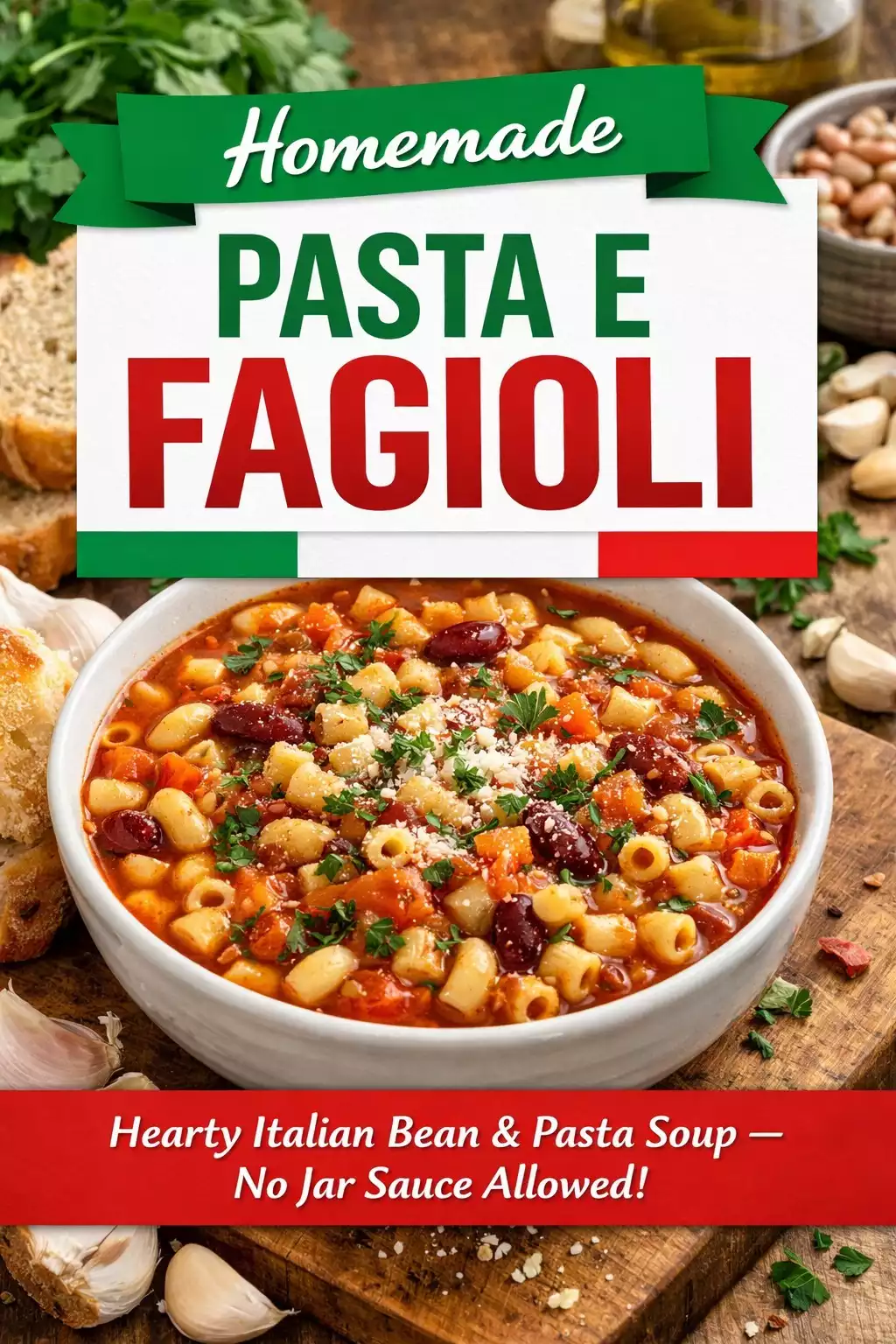
- Pasta e Fagioli Comparison: See pasta e fagioli for the Italian-American cousin — a pasta-in-broth soup with beans instead of lemon-egg thickening
- Without Avgolemono: Skip the egg-lemon step for a simple, lighter Greek chicken orzo soup — add lemon juice directly to the broth at the end for brightness without the creamy texture
- With Chickpeas: Add a can of drained chickpeas at the same time as the orzo for extra protein and substance — a more filling version that also works as a main course
Storage & Reheating
Refrigerator: Store soup without avgolemono up to 4 days. The orzo thickens as it sits and absorbs more liquid — add stock or water when reheating. Store avgolemono separately and add fresh when reheating.
Avgolemono: Make fresh for each serving. It doesn’t store well and separates when reheated. The 5-minute process per bowl is worth it for the silky texture.
Reheating: Reheat soup base over medium-low heat with a splash of stock. Bring to a gentle simmer, not a boil. Remove from heat before adding fresh avgolemono per serving.
Freezer: Freeze the soup base without avgolemono for up to 3 months. Thaw overnight in the refrigerator. Reheat and make fresh avgolemono when serving. The orzo may become quite soft after freezing and thawing — some people prefer to freeze without the orzo and add fresh when reheating.
Frequently Asked Questions
What is avgolemono?
Avgolemono (pronounced av-go-LEH-mo-no) is a Greek sauce and soup technique using egg yolks and lemon juice whisked together and tempered with hot liquid. It acts as a natural thickener and enricher — the egg yolks add body and richness while the lemon provides acidity. The technique appears across Greek cooking as both a standalone soup and as a sauce for braised dishes. The key technical step is always the tempering — slowly raising the egg temperature with hot liquid before adding to the soup.
What does avgolemono taste like?
Silky, lightly tangy, and rich without heaviness. The lemon is present but not sharp — it’s mellowed by the egg and the broth. The texture is velvet-like rather than thick. When done correctly, avgolemono is indistinguishable from a cream-enriched soup by texture, but the flavor is cleaner and more vibrant. It’s one of the most elegant natural thickening techniques in all of Mediterranean cooking.
Why did my avgolemono curdle?
The soup boiled after the avgolemono was added. Once egg yolks are added to a hot liquid, they coagulate if brought to a full boil. Keep the soup at a very gentle simmer after adding avgolemono — steam rising, not bubbling. If it curdled: blend with an immersion blender to smooth it out. Not perfect but salvageable. Prevention is the only real fix.
Can I use whole eggs instead of just yolks?
Yes — whole eggs produce a slightly lighter, less rich avgolemono. Many Greek cooks use whole eggs. The tempering technique is identical. Some recipes use 2 whole eggs where this uses 3 yolks. Both work; yolks produce a richer, more golden result; whole eggs produce a lighter, more delicate one. Try both and decide which you prefer.
Can I skip the avgolemono and just add lemon?
Yes — you’ll have a simple, clean Greek chicken orzo soup with lemon brightness but without the silky, creamy texture that avgolemono provides. It’s still delicious. Add 3–4 tablespoons of lemon juice to the finished soup and serve. No risk of curdling, easier technique, slightly less impressive. The avgolemono is what makes this soup distinctly Greek rather than just Italian-American chicken soup with Mediterranean herbs. See pasta e fagioli for the non-avgolemono Italian-American pasta soup comparison.