I‘ve made this a thousand times. It gets better every time. Southern fried chicken is the pinnacle of American frying technique — a dish where doing it right means understanding heat, timing, and the specific chemistry of a seasoned flour crust forming a seal around moist, well-marinated chicken. Most people’s fried chicken is either under-seasoned, poorly crisped, or so dry that the crust is the only interesting part. This version fixes all three.
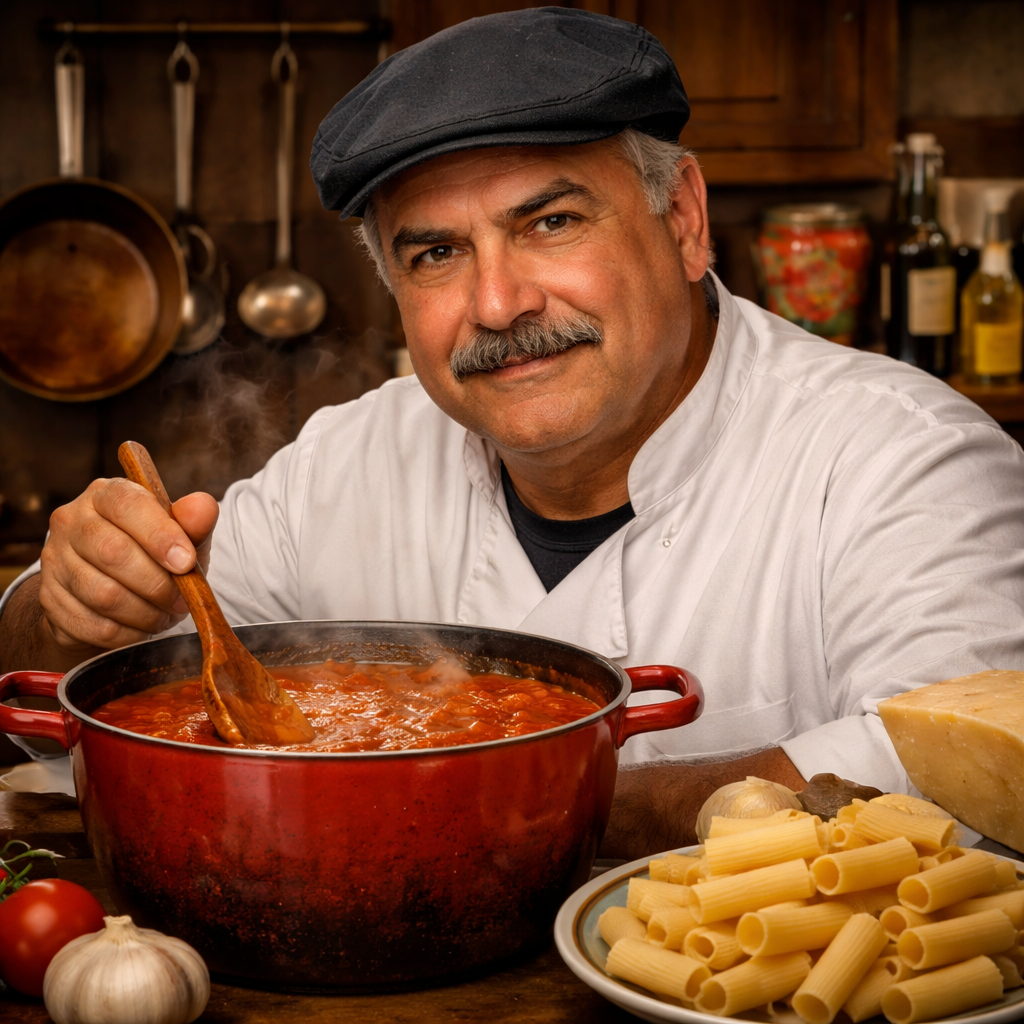
I came up in Italian kitchens, but thirty years of cooking professionally means respecting every technique that works. Southern fried chicken is American culinary heritage at its best, and the best versions I’ve ever eaten share the same fundamentals: a buttermilk brine that seasons and tenderizes, a well-seasoned flour dredge, and oil at the right temperature maintained throughout the cook. Nothing more complicated than that.
The key is the double dredge and the brine. Skip either and you have acceptable fried chicken. Do both and you have the version that people are still talking about three days later.
Why This Recipe Works
The buttermilk brine does two things simultaneously. The acidity of the buttermilk begins breaking down the muscle proteins in the chicken, making the meat more tender. The salt in the brine penetrates the meat and seasons it from the inside out — not just on the surface, not just in the coating. This is the difference between fried chicken that tastes seasoned throughout and fried chicken where all the flavor is in the crust.
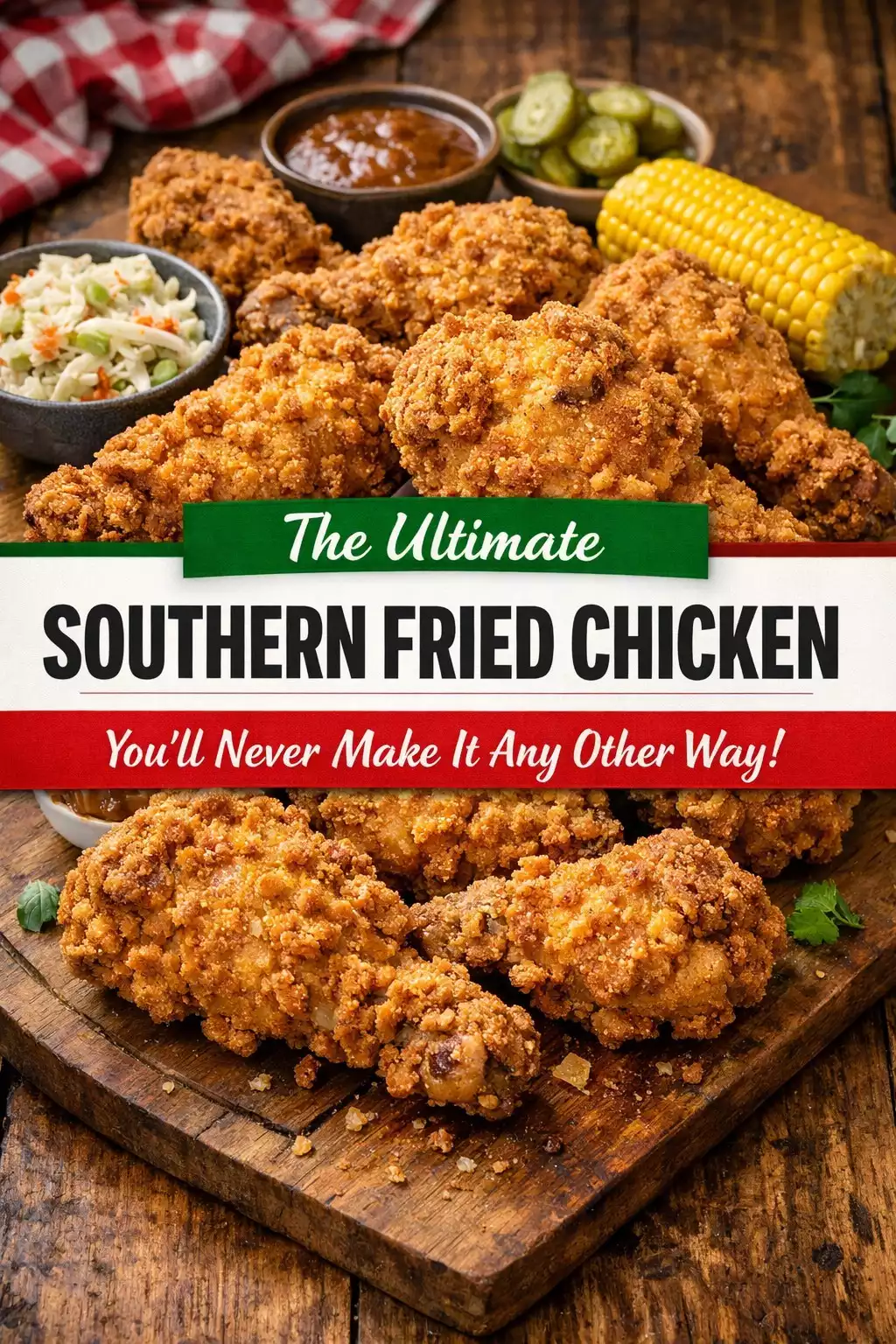
The double dredge — flour, then buttermilk brine, then flour again — creates a thicker, more layered crust with more surface area. More surface area means more crunch. The craggy, irregular texture you see on the best fried chicken is a result of this double-dredge technique, not an accident.
Ingredients
The Brine
- 1 whole chicken, cut into 8 pieces (or 3 lbs bone-in thighs and drumsticks)
- 2 cups buttermilk
- 1 tbsp kosher salt
- 1 tsp garlic powder
- 1 tsp onion powder
- 1 tsp hot sauce (Crystal or Frank’s)
- Brine for at least 4 hours, overnight preferred
The Dredge
- 2 cups all-purpose flour
- 2 tbsp cornstarch (adds extra crispiness)
- 1 tsp kosher salt
- 1 tsp black pepper
- 1 tsp garlic powder
- 1 tsp onion powder
- 1 tsp smoked paprika
- 1 tsp cayenne pepper
- ½ tsp dried thyme
The Fry
- Vegetable shortening or lard (preferred) or neutral oil with high smoke point
- Enough to fill a cast-iron skillet 2 inches deep
- Target temperature: 325°F to 340°F
How to Make It
1 Brine the Chicken Overnight
Combine the buttermilk, salt, garlic powder, onion powder, and hot sauce in a large bowl or zip-lock bag. Add the chicken pieces, turn to coat completely, and refrigerate for at least 4 hours. Overnight is better — 12 hours produces the most tender, deeply seasoned result. Don’t brine longer than 24 hours or the texture begins to break down too far.
2 Set Up the Dredge Station
Mix the flour, cornstarch, salt, black pepper, garlic powder, onion powder, smoked paprika, cayenne, and thyme in a large shallow dish. Set the brine bowl nearby. Pull the chicken from the brine, letting the excess drip off but leaving the chicken moist. Dredge piece in the seasoned flour, pressing firmly to coat all surfaces. Dip briefly back into the brine. Dredge in the flour again. Place on a wire rack and let the coated chicken rest for 15 minutes before frying — this helps the coating adhere.
3 Heat the Oil to the Right Temperature
Heat the shortening or oil in a cast-iron skillet over medium to medium-high heat until it reaches 325°F to 340°F on a frying thermometer. This range is deliberate — hot enough to fry the crust properly, low enough that the crust doesn’t burn before the interior cooks through. High heat produces a beautiful crust on raw chicken inside. This is the most common failure in home frying.
4 Fry in Batches, Don’t Crowd
Add the chicken pieces skin-side down, leaving at least 1 inch between pieces. Crowding drops the oil temperature dramatically and causes the chicken to steam rather than fry. Fry bone-in thighs and drumsticks for 13 to 15 minutes per side. Breasts for 8 to 10 minutes per side. The chicken is done when deeply golden, the juices run clear, and an internal thermometer reads 165°F. Maintain the oil temperature between batches by letting it recover fully before adding more chicken.
5 Drain and Rest
Transfer the fried chicken to a wire rack set over a sheet pan — not paper towels. Paper towels trap steam on the bottom of the crust and soften it. The rack lets air circulate and the crust stays crispy as the chicken rests. Rest for 5 minutes minimum before serving. The interior temperature will stabilize and the juices will redistribute.
Where Most People Blow It
Skipping the brine. Un-brined fried chicken is seasoned only on the surface. The brine carries flavor into the muscle. Four hours minimum. Overnight for the version worth talking about.
Oil too hot. At 375°F or above, the crust sets and browns before the interior has time to cook. You get a beautiful crust on raw chicken. 325°F to 340°F is the correct range for bone-in pieces — enough heat to fry, gentle enough to cook through.
Crowding the pan. Adding too many pieces drops the oil temperature from 335°F to 250°F in seconds. At that temperature, you’re braising, not frying. Cook in batches. Let the oil fully recover between them.
Skipping the resting period after dredging. The 15-minute rest before frying lets the coating absorb moisture from the brine and adhere properly. Rush it into the oil and pieces of crust fall off into the fat.
Draining on paper towels. Wire rack, always. The steam from hot fried chicken has to escape somewhere — paper towels hold it against the bottom crust and soften it within minutes.
Not checking the oil temperature between batches. Oil cools with every batch. Let it recover to 325°F before the next round or the second batch cooks in progressively cooler oil and absorbs more fat.
What Goes on the Table With Southern Fried Chicken
The table for fried chicken is a specific experience: mashed potatoes or biscuits, coleslaw with real tang, corn on the cob, and something cold to drink. Sweet tea if you’re going full Southern. This is picnic food, Sunday dinner food, celebration food. It doesn’t need elegant accompaniments — it needs the right ones.
For other chicken techniques worth knowing, the chicken and dumplings is the Southern comfort food counterpart for colder months. The crispy baked chicken thighs are the oven version when you don’t want to fry. The chicken pot pie recipe and shredded chicken tacos round out the rotation.
Variations Worth Trying
Spicy Nashville Hot Chicken. Mix cayenne, brown sugar, garlic powder, and chili powder into melted lard or neutral oil — about 3 tablespoons of fat per 2 tablespoons of spice. Brush over the finished fried chicken immediately after it comes out of the oil. Serve on white bread with pickles. Incendiary and correct.
Buttermilk Chicken Tenders. Use the same brine and dredge on boneless, skinless chicken strips. Fry at 350°F for 4 to 5 minutes per side. The shorter cook time means higher heat is acceptable for tenders — no bone to cook through.
Korean-Style Yangnyeom Glaze. After frying, toss in a sauce of gochujang, honey, soy sauce, and garlic. Double-fried for extra crunch (fry once at 325°F, rest 5 minutes, fry again at 375°F for 2 minutes). A completely different direction from the same technique.
Oven-Finished for a Crowd. Fry all pieces 75% of the way through, transfer to a wire rack, and finish in a 375°F oven for 15 minutes. This allows you to fry in advance and serve everything hot at once — the practical approach for more than 6 people.
Storage and Reheating
Fried chicken keeps refrigerated for up to 4 days. To reheat and restore crispiness: place on a wire rack over a sheet pan in a 400°F oven for 15 minutes. The crust will crisp back up as the residual fat renders slightly. The microwave produces hot, soft, steam-soggy chicken — technically edible but a betrayal of the effort that went in. Use the oven.
Fried chicken also eats well cold — that’s a legitimate choice for leftovers. Cold fried chicken from the refrigerator, eaten standing over the sink, is one of life’s genuinely satisfying experiences. No reheating required if that’s the move you want to make.
FAQ
What oil should I use for frying chicken?
Lard and vegetable shortening produce the best flavor and crispiest crust — they’re the traditional choices. Peanut oil is an excellent neutral alternative with a high smoke point. Vegetable or canola oil work well. Avoid olive oil — the low smoke point and strong flavor are wrong for this application.
Can I use an air fryer for this recipe?
You can air-fry brined and dredged chicken, but the result is different from deep-frying. The crust won’t develop the same cragginess or color, and the interior texture is slightly different. Air fryer chicken is good — it’s not fried chicken. If you want fried chicken, fry it. The technique in this recipe requires actual oil.
Why does my crust fall off?
The coating isn’t adhering because there’s either too much brine dripping off the chicken before dredging, or the resting period after dredging was skipped. Let excess brine drip off before the flour station, press the flour on firmly, and rest the coated pieces for 15 minutes before frying. The rest period is what makes the coating bond to the surface.
How do I know when the oil is at the right temperature without a thermometer?
Drop a pinch of flour into the oil. At 325°F, it will sizzle steadily and float to the surface. At 375°F, it will sputter, brown quickly, and scatter. You want the steady sizzle — the 325°F behavior. A probe thermometer is a better investment than guessing, and you’ll use it for more than frying. Worth owning.