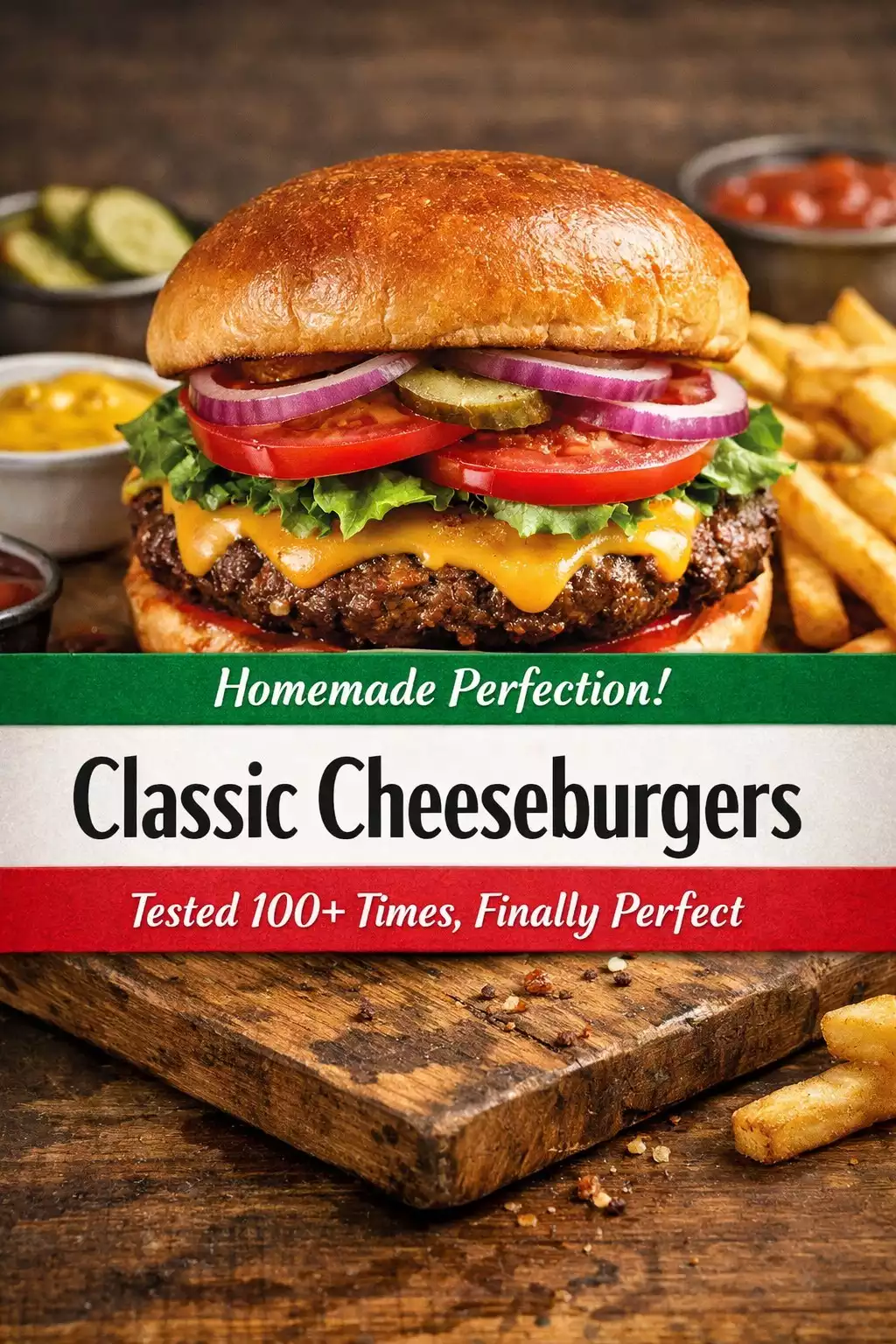
Every Italian-American family has their version. This one’s mine — adapted, obsessively. Classic Cheeseburgers done the way a professional cook approaches them: with real understanding of what makes a burger great and zero patience for soggy buns, underseasoned patties, or cheese that didn’t melt properly. I’ve grilled burgers in backyards and on restaurant flat-tops, and the lessons are the same everywhere.
The cheeseburger is one of the greatest inventions in the history of American food. It’s not complicated, which means there’s nowhere to hide a mistake. Every element matters: the beef blend, the fat ratio, the thickness, the seasoning, the heat, the cheese selection, the bun toast, the condiment balance. Get all of them right and you have something people talk about. Miss any one of them and you have just another burger.
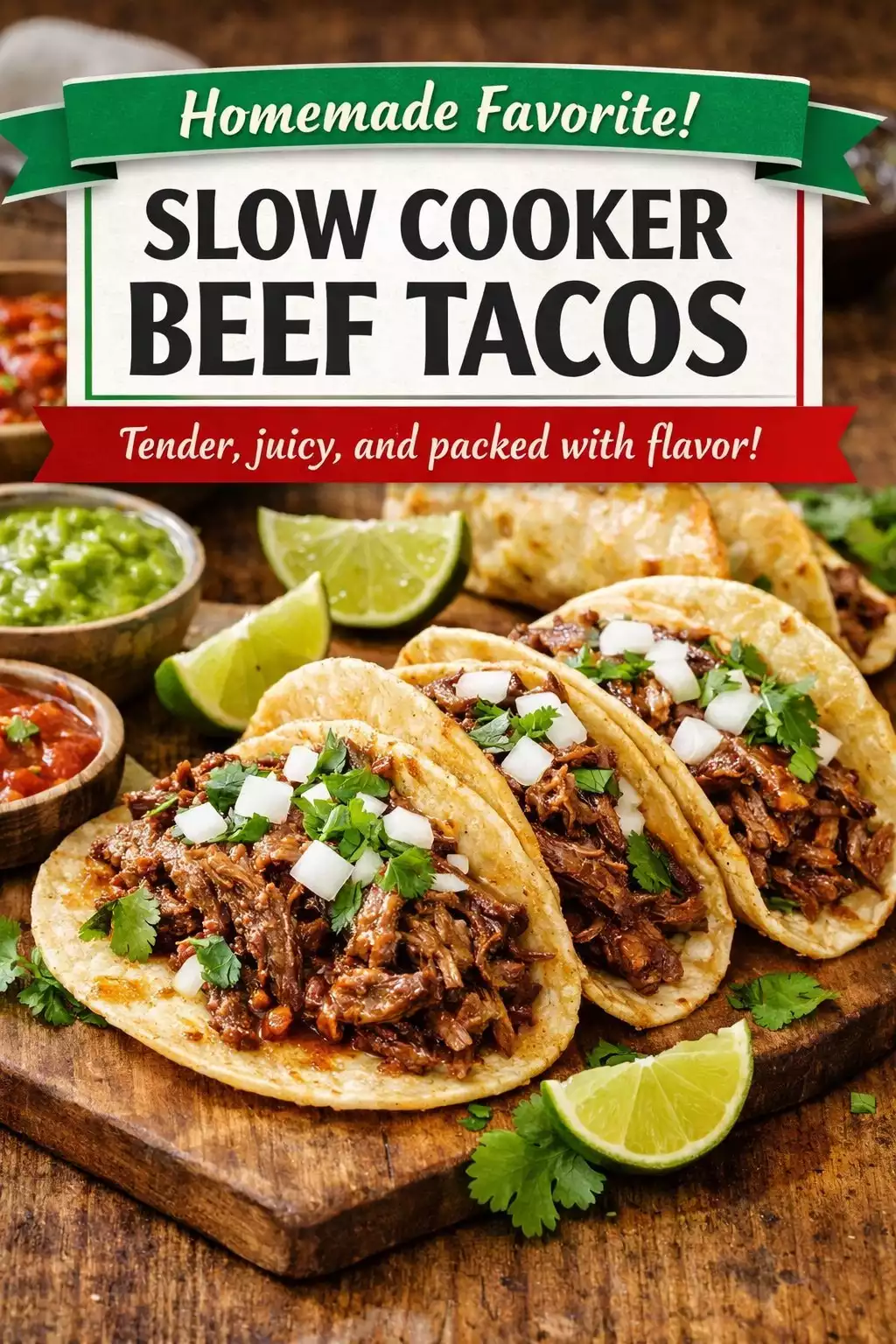
For your beef recipe library, this sits alongside Classic Beef Stew, Best Meatloaf Recipe, Sunday Pot Roast, Hamburger Steak with Onion Gravy, and Beef Tacos as the complete ground beef canon.
Why This Cheeseburger Actually Works
- 80/20 blend is non-negotiable: Fat is what keeps the patty moist during the high-heat cook. Leaner beef produces dry, crumbly patties every time.
- Minimal seasoning on the outside: Season patties on the surface just before cooking, not mixed into the meat — this prevents the proteins from binding together tightly and creating a dense, springy texture.
- Thumb indent in the center: Prevents the center from puffing up and creating an uneven burger that rolls toppings off the plate.
- High heat, short cook: A cheeseburger cooked over low heat steams instead of sears. You want a proper crust.
- Toast the bun: A toasted bun creates a moisture barrier that prevents the bottom half from going soggy immediately upon assembly.
Ingredients
The Patties
- 2 lbs ground beef (80/20)
- Kosher salt and black pepper (for seasoning surface only)
- 2 tbsp neutral oil (if pan-cooking)
Build the Burger
- 4–6 brioche or potato burger buns
- 4–6 slices American, cheddar, or Swiss cheese
- 1 head butter lettuce or romaine
- 2 large tomatoes, thickly sliced
- 1 red onion, thinly sliced
- Pickles (dill, bread-and-butter, or gherkins)
- Condiments: ketchup, mustard, mayonnaise, or special sauce
Simple Special Sauce
- ½ cup mayonnaise
- 2 tbsp ketchup
- 1 tbsp yellow mustard
- 1 tbsp sweet pickle relish
- 1 tsp apple cider vinegar
- Pinch of garlic powder
Instructions
Step 1: Form the Patties
Divide beef into portions — ½ lb for a thick burger, ¼ lb for a thinner smash-style. Handle gently — just shape into a round disk without compacting. Season both sides generously with kosher salt and black pepper immediately before cooking. Make a small indent in the center with your thumb.
Step 2: Grill or Pan-Sear
Grill: High heat, clean grates, oiled. 3–4 minutes per side for medium (145°F), 4–5 for medium-well (155°F). Don’t press. One flip. Add cheese slice in the last 60 seconds and close the lid to melt.
Cast-iron: Heat pan until smoking. Add thin layer of oil. Cook patties 3–4 minutes per side. For cheese, place slice on top, add 1 tbsp water to the pan, and immediately cover with a lid — the steam melts the cheese in 20 seconds without overcooking the patty.
Step 3: Toast the Buns
While burgers rest, place bun halves cut-side down on the grill or in the same pan over medium heat. Toast 60–90 seconds until golden. This step is mandatory. Untoasted buns collapse under the weight and moisture of the toppings.
Step 4: Make Special Sauce
Whisk together mayonnaise, ketchup, mustard, relish, vinegar, and garlic powder. This takes 60 seconds and elevates the burger substantially over each condiment applied separately.
Step 5: Assemble
Sauce on both bun halves first. Bottom bun: patty with cheese, then lettuce (acts as moisture barrier), then tomato and onion. Top with pickles, close the bun, and serve immediately. The order matters — lettuce between the patty and tomato keeps the bottom bun from sogging.
Pro Tips & Common Mistakes
- Don’t season the meat itself: Mixing salt into the patty draws out moisture and tightens the myosin proteins, creating a denser, bouncier texture. Season the surface only.
- Don’t press the patty while cooking: Pressing squeezes juices directly into the pan and onto the coals. Those juices should stay in the burger.
- One flip: Multiple flips create uneven crust development. Flip once when the patty releases cleanly from the grates or pan.
- Rest 2–3 minutes: Like any protein, a brief rest lets juices redistribute. Not as critical for a thin patty, essential for a thick one.
- American cheese melts best: American cheese is engineered to melt smoothly without breaking or getting greasy. Sharp cheddar has better flavor but requires the steam-melt technique or it won’t integrate into the patty the way American does.
Variations Worth Trying
- Smash Burger: Use ¼-lb balls of loose beef. Place on a screaming-hot cast-iron or griddle and press hard with a spatula immediately. Cook 90 seconds, flip once, cheese on top, toast the bun in the fat. The maximum crust experience.
- Pub-Style Double: Two ¼-lb patties, double cheese, sauce on both patties. Stack height is psychological — people eat with their eyes before their mouth.
- Blue Cheese and Caramelized Onion: Replace American cheese with crumbled blue cheese. Top with properly caramelized onions (30 minutes, not 5). Sophisticated without being pretentious.
- Italian-American Style: Add provolone, roasted peppers, and giardiniera. Extra sport peppers optional. The Chicago Italian Beef spirit, applied to a burger.
Storage & Reheating
- Uncooked patties: Form, separate with parchment, and refrigerate up to 2 days or freeze up to 3 months. Cook directly from frozen, adding 2–3 minutes per side.
- Cooked patties: Refrigerate up to 3 days. Reheat in a covered skillet over medium heat with a splash of water — the steam reheats without drying out.
- Assembled burgers: Don’t store assembled. Components separate well; assembled burgers go soggy.
Frequently Asked Questions
What’s the best beef blend for burgers?
80/20 ground chuck is the standard for good reason. If your butcher grinds fresh, ask for brisket and short rib blend — the fat content and flavor profile produces exceptional results. Avoid pre-formed frozen patties, which are compressed too firmly during processing.
Grill vs. cast-iron — which is better?
Cast-iron produces a better sear and holds heat more consistently, especially in variable outdoor temperatures. Grill adds smoky flavor that’s hard to replicate. Both are legitimate — the technique matters more than the surface.
How do I know when a burger is done?
A thermometer is the only reliable answer: 145°F for medium, 160°F for well-done. Visual and touch cues are less reliable, especially with thick patties. The poke test (checking firmness) requires practice to be accurate.
What’s the best way to melt cheese on a cast-iron burger?
The steam method: place cheese on the cooked patty, add 1 tablespoon of water to the pan (not on the patty), and immediately cover with a lid or large metal bowl. The steam melts the cheese in 20–30 seconds without overcooking the beef.