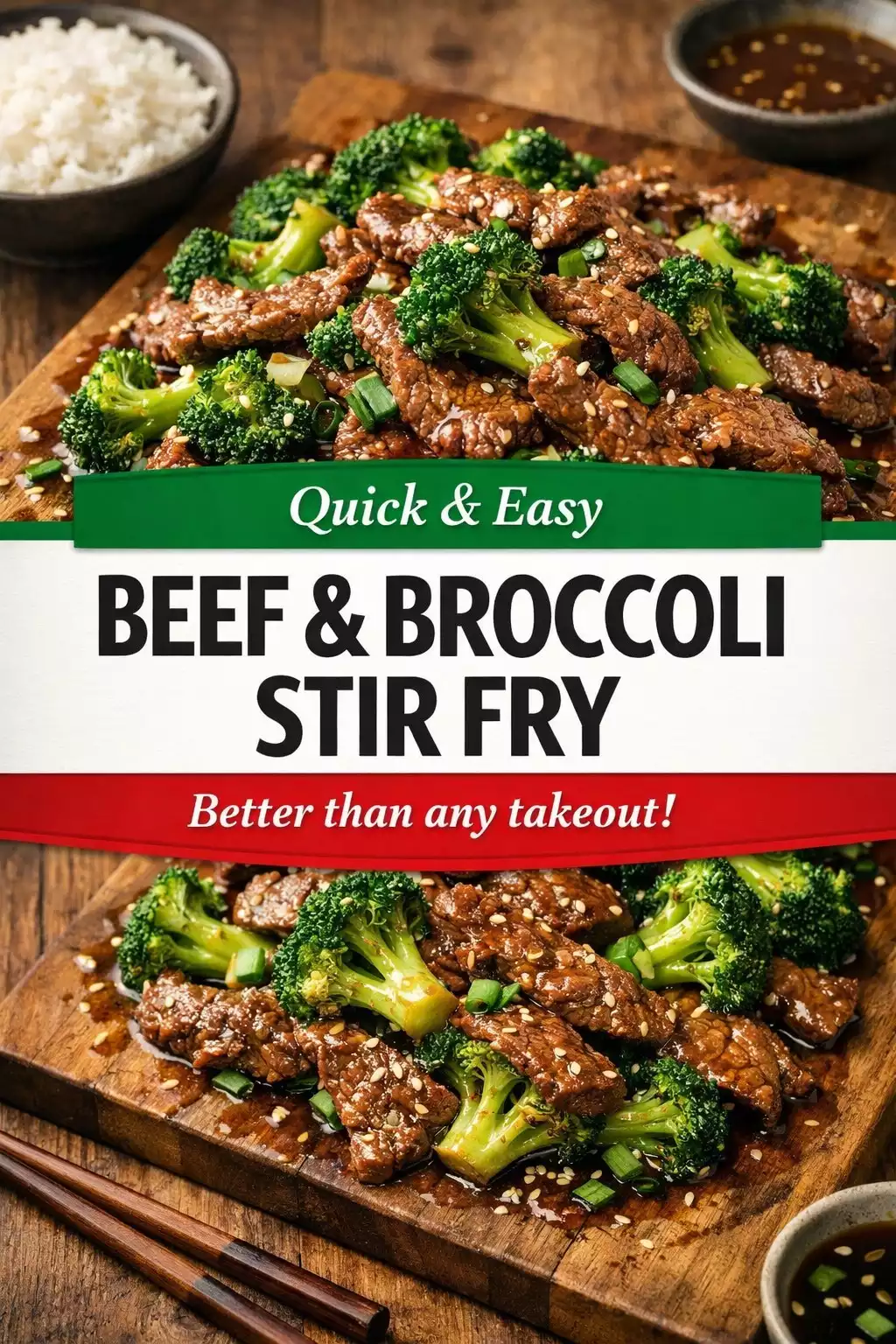
I‘ll fight anyone who says this needs to be complicated. Beef and Broccoli Stir Fry is one of the great weeknight dinners — fast, deeply satisfying, built on a sauce so good you’ll want to eat it with a spoon. The version at most Chinese-American takeout restaurants is fine. This version is noticeably better. The difference is in the sauce concentration, the technique on the beef, and the broccoli that actually has some texture left in it. I don’t accept mushy vegetables at my table, and neither should you.
This dish comes together in under 30 minutes if you prep properly. In a professional kitchen, mise en place (having everything ready before the flame goes on) is how stir-fry dishes get made quickly without turning into a scramble. At home, that means cutting and marinating your beef, mixing your sauce, and blanching your broccoli before the wok ever heats up.
Round out the beef dinner rotation with Classic Beef Stew, Homemade Meatballs, Sunday Pot Roast, Classic Beef Stroganoff, and Hamburger Steak with Onion Gravy for a complete beef cookbook in your back pocket.
Why This Beef and Broccoli Actually Works
- Velvet the beef: Coating beef in a small amount of cornstarch and egg white before searing produces a silky, tender texture that defines Chinese-American stir fry.
- Blanch the broccoli first: A 60-second blanch in salted boiling water sets the bright green color and starts cooking the broccoli before it ever sees the wok. No more pale, raw-tasting, or mushy broccoli.
- High heat is mandatory: Wok hei — the characteristic slightly smoky, char-edged quality of restaurant stir fry — only happens at temperatures home burners struggle to reach. Get as hot as possible and work fast.
- Sauce consistency: A properly thickened sauce (cornstarch slurry) coats every piece of beef and broccoli rather than pooling at the bottom of the dish.
- Cook beef and broccoli separately: Adding both at once drops pan temperature and produces steaming instead of searing.
Ingredients
The Beef and Marinade
- 1 lb flank steak or sirloin, sliced thin against the grain
- 1 tbsp soy sauce
- 1 tbsp Shaoxing rice wine (or dry sherry)
- 1 tsp cornstarch
- 1 tsp sesame oil
- ½ egg white (optional, for velveting)
The Sauce
- ¼ cup low-sodium soy sauce
- 2 tbsp oyster sauce
- 1 tbsp brown sugar or honey
- 1 tbsp Shaoxing rice wine
- 2 tsp sesame oil
- 1 tsp cornstarch
- ¼ cup beef broth or water
- 1 tsp fresh ginger, grated
The Stir Fry
- 4 cups broccoli florets, cut small
- 4 garlic cloves, minced
- 2 tbsp neutral oil with high smoke point (avocado or peanut)
- 1 tsp sesame oil for finishing
- Sesame seeds and sliced scallions for garnish
- Steamed white rice for serving
Instructions
Step 1: Marinate the Beef
Slice beef against the grain into thin strips — ¼ inch or thinner. Combine with soy sauce, rice wine, cornstarch, sesame oil, and egg white (if using). Toss to coat. Let marinate 15–30 minutes. The cornstarch creates the velvety exterior; the egg white adds silk.
Step 2: Mix the Sauce
Whisk together soy sauce, oyster sauce, brown sugar, rice wine, sesame oil, cornstarch, broth, and ginger in a small bowl. Set next to the stove. Once the wok is hot, this dish moves fast.
Step 3: Blanch the Broccoli
Bring a pot of salted water to a boil. Add broccoli florets and cook exactly 60–90 seconds — bright green and just barely tender. Drain and immediately transfer to an ice bath (or run under cold water) to stop cooking. Pat dry thoroughly. Wet broccoli in a hot wok produces steam, not sear.
Step 4: Sear the Beef
Heat wok or large skillet over highest heat until smoking. Add 1 tbsp oil. Working in batches, sear beef in a single layer 60–90 seconds per side without stirring. Remove and set aside. The cornstarch will give it a slightly golden, slightly tacky exterior.
Step 5: Stir Fry Everything Together
Add remaining oil to the still-hot pan. Sauté garlic 20–30 seconds until fragrant but not burned. Add blanched broccoli and toss 60 seconds. Return beef to the pan. Pour sauce over everything and toss constantly — the sauce thickens from the cornstarch within 60–90 seconds. Once it coats everything in a glossy glaze, it’s done. Finish with sesame oil and serve immediately over rice.
Pro Tips & Common Mistakes
- Don’t skip velveting: It’s one extra step and produces beef with a fundamentally different texture — silky instead of chewy. Worth every second.
- Dry the broccoli after blanching: Steam in a hot wok drops temperature sharply. Pat-dry or spin-dry after the ice bath.
- Have everything ready before the wok heats: Stir fry happens in 5 minutes of active cooking. There’s no time to measure sauce mid-cook.
- Don’t crowd the beef: Cook in 2–3 batches. Each batch should sear, not steam. A crowded pan turns a stir fry into a braise.
- Use high-smoke-point oil: Olive oil will smoke and burn at stir-fry temperatures. Avocado, peanut, or refined coconut oil are the right choices.
Variations Worth Trying
- Chicken and Broccoli: Substitute sliced chicken breast or thigh with the same velveting and sauce technique. Adjust cook time — chicken takes slightly longer to cook through.
- Spicy: Add 1–2 tbsp gochujang or 1 tsp chili garlic sauce to the sauce. The sweet-spicy balance works extremely well with the oyster sauce base.
- Add mushrooms: Shiitake mushrooms added with the broccoli bring earthy depth. Slice thin and sear hard before adding other vegetables.
- Lo Mein Style: Replace rice with cooked lo mein noodles (or spaghetti). Toss noodles directly into the stir fry at the end and let them absorb the sauce.
Storage & Reheating
- Refrigerator: Keeps 3–4 days. Store separately from rice to prevent absorption. The sauce thickens significantly in the refrigerator.
- Reheating: Skillet over medium-high heat with 1–2 tbsp water to loosen the sauce. Toss and heat through 2–3 minutes. Microwave works but softens the broccoli significantly.
- Freezer: Not recommended — broccoli becomes mushy on thaw and the sauce loses its glossy texture. Best made fresh or consumed within 4 days.
Frequently Asked Questions
What is velveting?
Velveting is a Chinese technique that coats meat in a mixture of cornstarch, egg white, and sometimes oil or baking soda before cooking. The coating creates a protective barrier during high-heat searing that produces tender, silky meat rather than tough, chewy strips. It’s the reason restaurant stir fry beef tastes fundamentally different from home versions.
Can I use a regular pan instead of a wok?
Yes. Use a large, heavy-bottomed skillet (12 inches minimum) and get it as hot as your burner allows. The wok’s curved sides help with tossing, but the key variable is temperature, not shape. A screaming-hot stainless skillet produces excellent results.
What can I substitute for oyster sauce?
Hoisin sauce (slightly sweeter, slightly thicker) is the closest substitute. Alternatively, increase soy sauce slightly and add a pinch of brown sugar. The flavor won’t be identical but will be in the right direction.
Why is my stir fry watery?
Usually wet vegetables or too much sauce liquid. Pat dry all vegetables thoroughly after washing or blanching. If the sauce seems thin after cooking, add a small cornstarch slurry (1 tsp cornstarch mixed with 1 tbsp cold water) and toss over high heat to thicken.