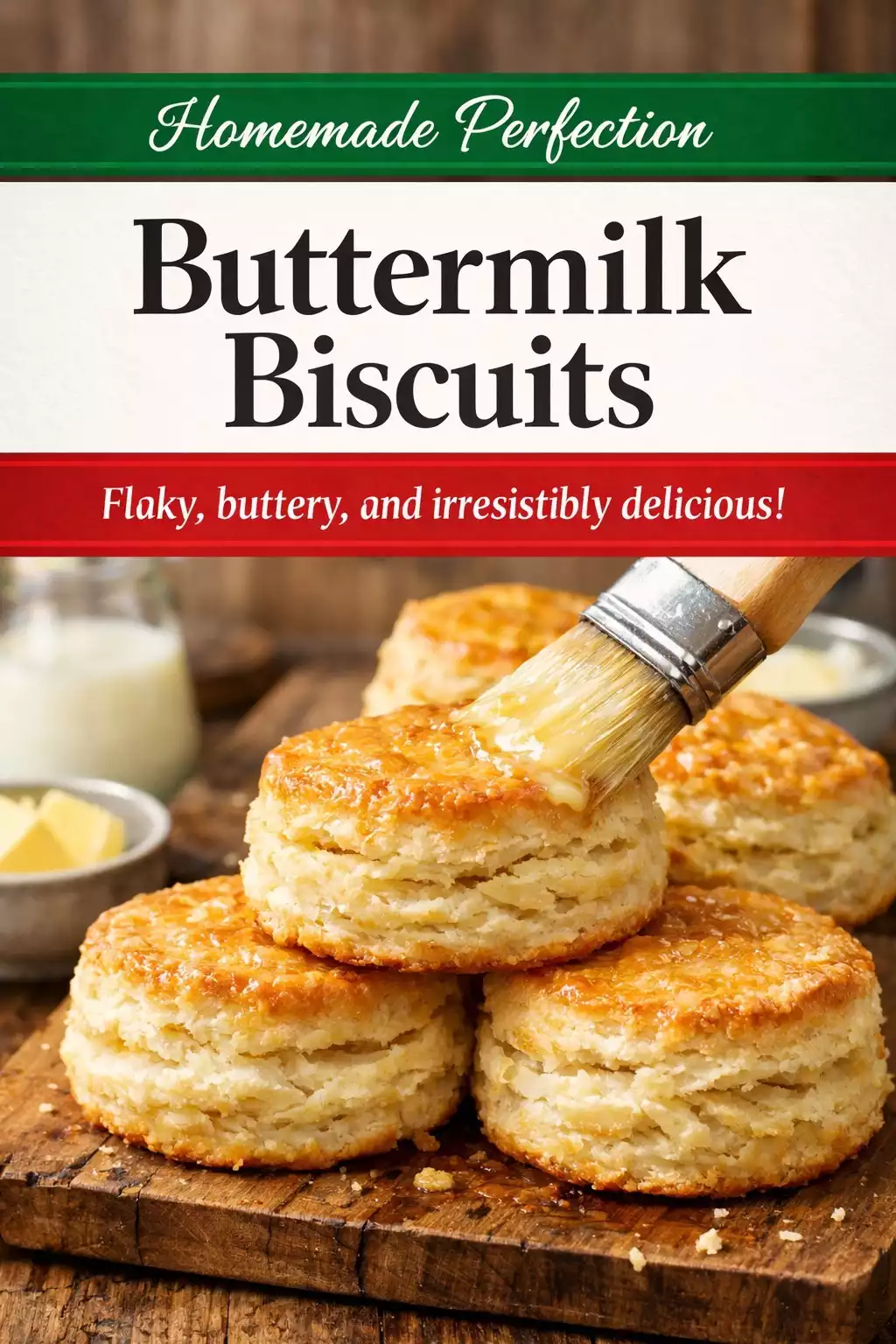
This is the recipe my sous chefs used to steal from my station. Buttermilk Biscuits from Scratch — the Southern standard that requires a light hand, cold fat, and respect for what you’re making. Bad biscuits are everywhere. Biscuits that look right but taste like cardboard. Biscuits that are fluffy on top and dense as a hockey puck at the bottom. Biscuits where the layers don’t exist because someone overworked the dough. This recipe produces none of those things.
A proper buttermilk biscuit is a study in restraint. You mix it less than you think you should, with fat colder than you think is necessary, and you end up with something that rises tall, layers visibly, and tastes like butter, tang, and a Southern grandmother’s kitchen all at once. The technique is the recipe.
Round out the bread basket with Honey Butter Drop Biscuits, No-Knead Artisan Bread, Cast Iron Cornbread, Recipes Using Canned Biscuits, and Homemade Cinnamon Rolls.
Why These Biscuits Actually Work
- Cold fat is non-negotiable: Butter that’s cold when it goes into the oven releases steam as it melts, creating the pockets that produce flaky layers. Warm butter just gets absorbed into the flour.
- Buttermilk acid activates leavening: The acid in buttermilk reacts with baking soda to produce additional CO2 lift, contributing to the characteristic rise and tender texture.
- Fold, don’t knead: The layering technique — folding the dough like a letter multiple times — creates visible flaky strata in the finished biscuit without developing the gluten that would make them tough.
- High oven temperature:425–45°F produces rapid steam expansion and fast rise before the exterior sets. Slow-baked biscuits are flat biscuits.
- Brush with butter before and after: Before for browning, after for richness and that glossy, Southern-diner finish.
Ingredients
The Biscuits
- 2 cups (240g) all-purpose flour, plus more for rolling
- 1 tbsp baking powder
- ¼ tsp baking soda
- 1 tsp kosher salt
- 1 tsp sugar
- 6 tbsp (85g) unsalted butter, very cold, cut into cubes
- ¾ cup cold buttermilk
Finish
- 2 tbsp melted butter for brushing
- Flaky sea salt (optional)
Instructions
Step 1: Prepare Cold Ingredients
Cube the butter and return it to the freezer for 10–15 minutes. Measure buttermilk and refrigerate. Preheat oven to 425°F. Cold ingredients are more important than most bakers realize — room temperature butter produces a completely different biscuit.
Step 2: Cut in Butter
Whisk flour, baking powder, baking soda, salt, and sugar together. Add frozen butter cubes. Using a pastry cutter, two forks, or your fingertips, work the butter into the flour until the mixture resembles coarse crumbs with some pea-sized butter pieces remaining. Those larger pieces create the steam pockets and layers. Work quickly — body heat from hands warms butter.
Step 3: Add Buttermilk
Make a well in the flour mixture. Pour in cold buttermilk. Stir with a fork or spatula just until the dough comes together — it will look shaggy and rough. Stop stirring the moment no dry flour remains. Overworking at this stage is the most common biscuit mistake.
Step 4: Fold for Layers
Turn dough onto a lightly floured surface. Pat (don’t roll) into a rectangle about 1 inch thick. Fold in thirds like a letter. Pat back to 1-inch thickness. Fold in thirds again. Repeat one more time — three folds total. These folds create the laminated layers. Pat the final dough to ¾-inch thickness.
Step 5: Cut and Bake
Use a sharp 2½-inch biscuit cutter — press straight down without twisting. Twisting seals the edges and prevents rise. Place biscuits on a parchment-lined baking sheet, touching (for soft sides) or 1 inch apart (for crisper sides). Brush tops with melted butter. Bake 12–15 minutes until tall and golden. Brush immediately with more butter out of the oven.
Pro Tips & Common Mistakes
- Don’t twist the cutter: Twisting compresses the edges and seals the layers together. A clean straight press allows the biscuit to rise straight up.
- Don’t overwork the dough: More mixing = more gluten development = tougher biscuits. The dough should look rough and imperfect when it goes to the fold stage.
- Use a sharp cutter: Dull biscuit cutters compress rather than cut, which also seals layers. A chef’s knife can cut square biscuits — no wasted dough from re-rolling scraps.
- Re-roll scraps gently: Gather scraps, press together, and cut the remaining biscuits. These second-cut biscuits will be slightly less tender but still very good.
- Touch-bake for softness: Biscuits placed touching in the pan rise taller and have softer sides. Spaced apart produces crisper, more golden sides.
Variations Worth Trying
- Cheddar-Chive: Fold ¾ cup sharp shredded cheddar and 3 tbsp minced chives into the dough with the buttermilk. The cheese creates pockets of richness throughout.
- Black Pepper and Parmesan: Add ½ tsp cracked black pepper and ¼ cup grated Parmesan to the flour mixture. Savory, aromatic, excellent with soup.
- Sweet Cream Biscuits: Replace buttermilk with heavy cream. No baking soda needed. A richer, slightly less tangy biscuit that pairs beautifully with strawberries and whipped cream.
- Whole Wheat: Substitute half the all-purpose flour with whole wheat pastry flour. Slightly nuttier, slightly denser. Increase buttermilk by 1–2 tablespoons to maintain moisture.
Storage
- Same day: Buttermilk biscuits are best warm from the oven. Period. That said, they hold reasonably well for 24 hours at room temperature.
- Reheat: Wrap in foil and warm in a 325°F oven for 8–10 minutes. Microwave for 20 seconds as a faster option, but the crust softens.
- Freezer (unbaked): Cut biscuits, place on a tray, freeze until solid, then bag. Bake from frozen at 425°F for 20–22 minutes. Better quality than freezing baked biscuits.
- Freezer (baked): Freeze up to 1 month. Reheat in oven — they’ll be nearly as good as fresh.
Frequently Asked Questions
Why didn’t my biscuits rise?
Common culprits: warm butter (steam can’t form), overworked dough (gluten too tight to expand), expired leavening (check dates on baking powder and baking soda), or oven not preheated fully. Baking powder loses potency after 6–12 months — test by dropping a teaspoon in hot water. It should bubble vigorously.
Can I use regular milk instead of buttermilk?
Yes. Make a substitute: add 1 tbsp white vinegar or lemon juice to ¾ cup whole milk, stir, and let sit 5 minutes until slightly curdled. Not identical but functionally similar.
What fat percentage should the buttermilk be?
Full-fat buttermilk produces the best flavor and texture. Low-fat buttermilk works but produces a slightly drier, less rich biscuit. The acid content (which activates the baking soda) is similar in both.
Why are my biscuits dense at the bottom?
Usually too much liquid pooling at the bottom of the dough or wet biscuits placed on a pan that’s too cool. Ensure the oven and pan are fully preheated. A parchment-lined pan at 425°F distributes heat evenly from the start.