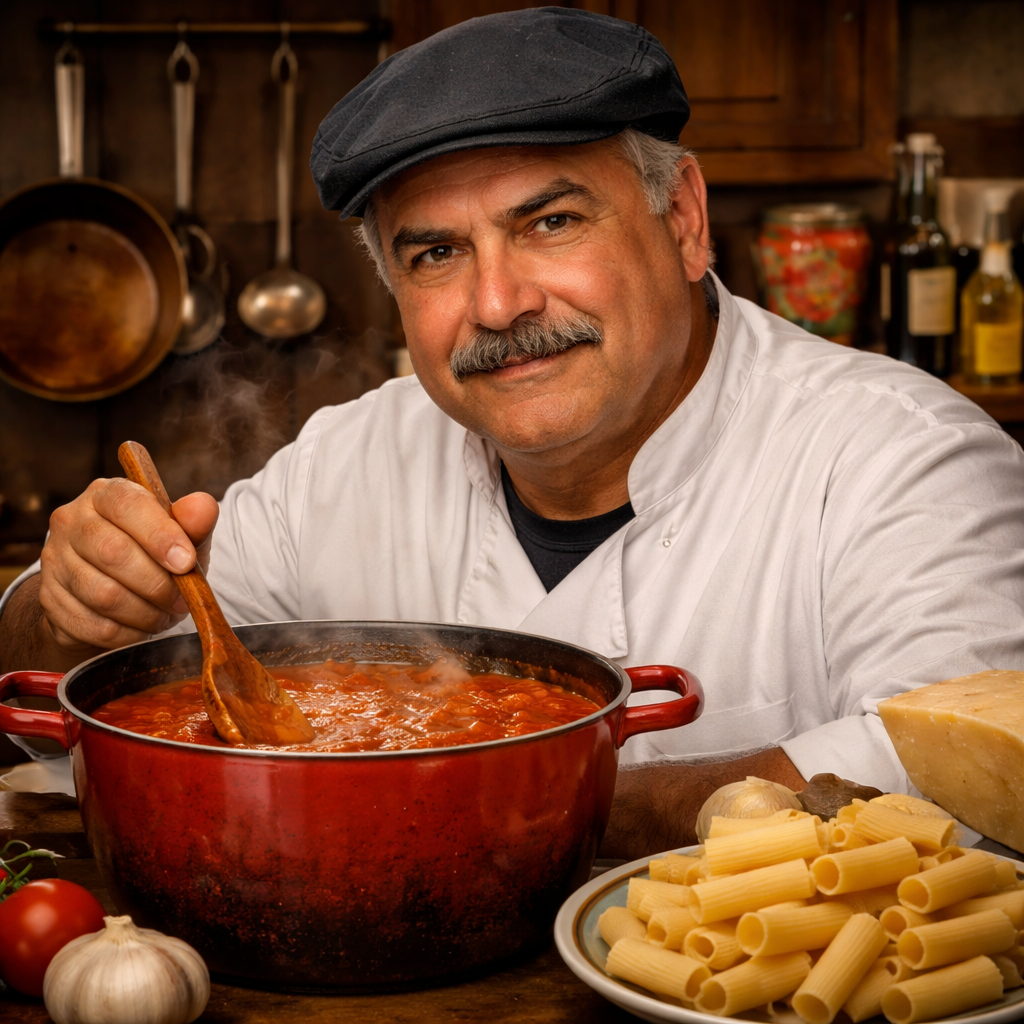
You want the secret? It’s patience. And good olive oil. Creamy Potato Soup — the kind that’s thick enough to coat a spoon, rich enough to qualify as a full meal, and flavored deeply enough that the word “creamy” doesn’t fully capture it. I’ve made potato soup in professional kitchens and at my kitchen table for forty years, and the gap between a good potato soup and a transcendent one comes down to building flavor in layers rather than dumping everything in a pot and hoping it works out.
Potato soup is humble food done well. The potato does most of the work — it thickens, it carries flavor, it provides the backdrop. The aromatics, the fat, the cream, and the seasoning sequence are what lift it from cafeteria-quality to something people ask for the recipe after the first spoonful.
Keep this in the soup rotation alongside Perfect Mashed Potatoes, Loaded Baked Potato Bar, Homemade French Fries, Broccoli Cheddar Soup, and Crispy Roasted Potatoes.
Why This Potato Soup Actually Works
- Sauté aromatics first: Onion, celery, and garlic cooked in butter before adding liquid build a fond and develop flavor that raw aromatics simmered in broth can’t produce.
- Flour roux: A small flour roux cooked in the butter before adding liquid produces a silkier, more cohesive soup than one that relies only on the starch from the potatoes.
- Partial mashing: Mashing some of the potatoes against the side of the pot while leaving others intact creates a soup with body and texture — not liquid with potato chunks, not gluey puree.
- Chicken or vegetable broth: Real broth provides flavor depth that water cannot. Use a good-quality broth — the soup has nowhere to hide a weak base.
- Cream at the end: Adding cream at the end and not boiling it preserves its richness and prevents the fat from separating.
Ingredients
Serves 6
- 2 lbs Yukon Gold potatoes, peeled and cubed into ½-inch pieces
- 4 tbsp unsalted butter
- 1 medium yellow onion, diced
- 3 celery stalks, diced
- 4 garlic cloves, minced
- 3 tbsp all-purpose flour
- 4 cups chicken or vegetable broth
- 1 cup whole milk
- ½ cup heavy cream
- 1½ tsp kosher salt
- ½ tsp black pepper
- ½ tsp dried thyme
- 1 tsp Worcestershire sauce
Toppings
- Shredded cheddar cheese
- Cooked bacon, crumbled
- Sour cream
- Chives or green onions, sliced
- Black pepper
Instructions
Step 1: Build the Base
Melt butter in a large Dutch oven or heavy pot over medium heat. Add diced onion and celery. Cook 6–8 minutes until soft and the onion is translucent. Add garlic and cook 1 minute. Sprinkle flour over the vegetables and stir constantly 1–2 minutes to cook out the raw flour taste. The mixture will look pasty — this is correct.
Step 2: Add Broth and Potatoes
Add broth gradually while whisking to prevent lumps from the roux. Add cubed potatoes, thyme, Worcestershire, salt, and pepper. Bring to a boil, reduce to a simmer, and cook uncovered 15–18 minutes until potatoes are completely tender and pierce easily with a fork.
Step 3: Create Texture
Use a potato masher to mash roughly 30–40% of the potatoes directly in the pot against the sides. Alternatively, remove 2 cups of soup, blend until smooth, and return it to the pot. This thickens the soup and creates body while maintaining chunky potato pieces. Taste and adjust seasoning.
Step 4: Add Dairy
Reduce heat to low. Stir in whole milk and heavy cream. Heat gently — do not boil after cream is added. Boiling causes the cream to separate and can produce a grainy texture. Taste and adjust salt and pepper. Serve immediately with toppings.
Pro Tips & Common Mistakes
- Don’t boil after adding cream: A gentle simmer is fine; a rolling boil causes the dairy to separate. Reduce heat before adding dairy and keep it there.
- Use Yukon Gold over russet: Yukon Gold holds its shape better, produces a naturally creamier texture, and has more flavor than russet in soup applications. Russets can become slightly grainy.
- Taste before finishing: The cream and milk dilute the seasoning. Always taste after adding dairy and adjust salt and pepper before serving.
- Build layers: Sautéed aromatics, cooked roux, deglazing with broth — each step adds a flavor layer that cannot be compressed into a simmer-everything approach.
Variations Worth Trying
- Loaded Baked Potato Soup: The same recipe finished with shredded cheddar stirred in, topped with crumbled bacon, sour cream, and chives. The loaded baked potato concept, deconstructed into soup form.
- Leek and Potato: Replace onion with 3 thinly sliced leeks (white and light green parts only). Leek potato soup has a more delicate, slightly sweet-onion profile that’s classically French.
- Vichyssoise (Cold): Same leek-potato soup, pureed completely smooth, finished with additional cream, and served cold. One of the great French cold soups.
- Ham and Potato: Add 1 cup diced cooked ham to the soup after the potatoes are tender. A complete, protein-forward meal in a bowl.
Storage & Reheating
- Refrigerator: 4 days. The soup thickens significantly overnight — add a splash of broth when reheating to restore consistency.
- Freezer: Potato soups with cream don’t freeze perfectly — the dairy can separate on thaw. For best results, freeze before adding cream, then add when reheating. If frozen with cream, reheat gently and whisk vigorously to re-emulsify.
- Reheat: Stovetop over low-medium heat, stirring frequently. Add broth or milk to thin as needed. Avoid boiling.
Frequently Asked Questions
How do I make potato soup thicker?
Mash more potatoes against the side of the pot, or remove a cup of the cooked soup, blend until smooth, and return it. A cornstarch slurry (1 tbsp cornstarch + 2 tbsp cold water) whisked in and simmered for 2 minutes also thickens without changing the flavor.
Why is my potato soup grainy?
Usually from boiling the cream or using russet potatoes that have released their starch unevenly. Add dairy off heat or over very low heat. Yukon Gold potatoes produce a smoother consistency than russet in soup.
Can I make this vegetarian?
Yes — substitute vegetable broth for chicken broth and omit Worcestershire or use a vegetarian version. The result is slightly lighter in flavor but still very good. Add extra garlic and a splash of white wine for depth.
Can I use an immersion blender?
Yes, carefully. Blend 30–40% of the soup for body while leaving chunks. Fully blending produces a potato bisque rather than a chunky potato soup. Both are valid — choose your preferred texture and blend accordingly.