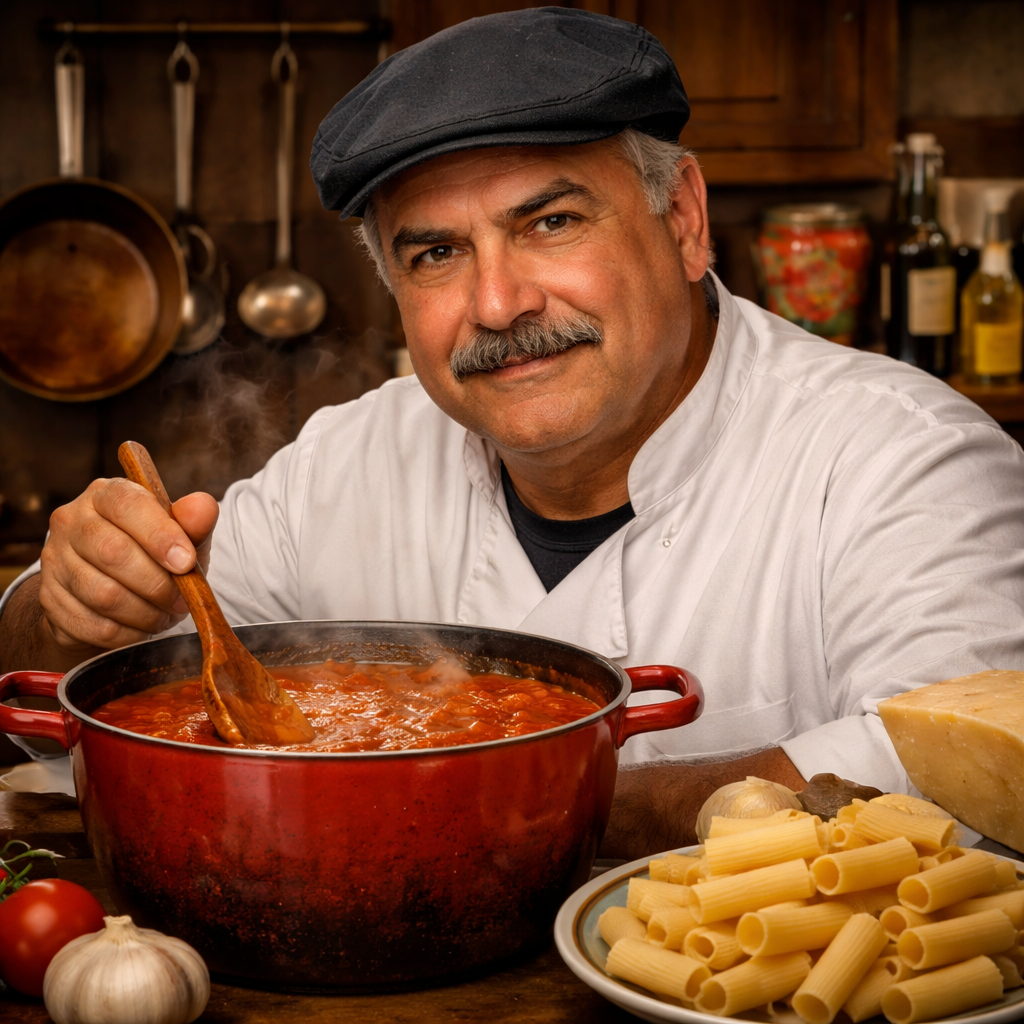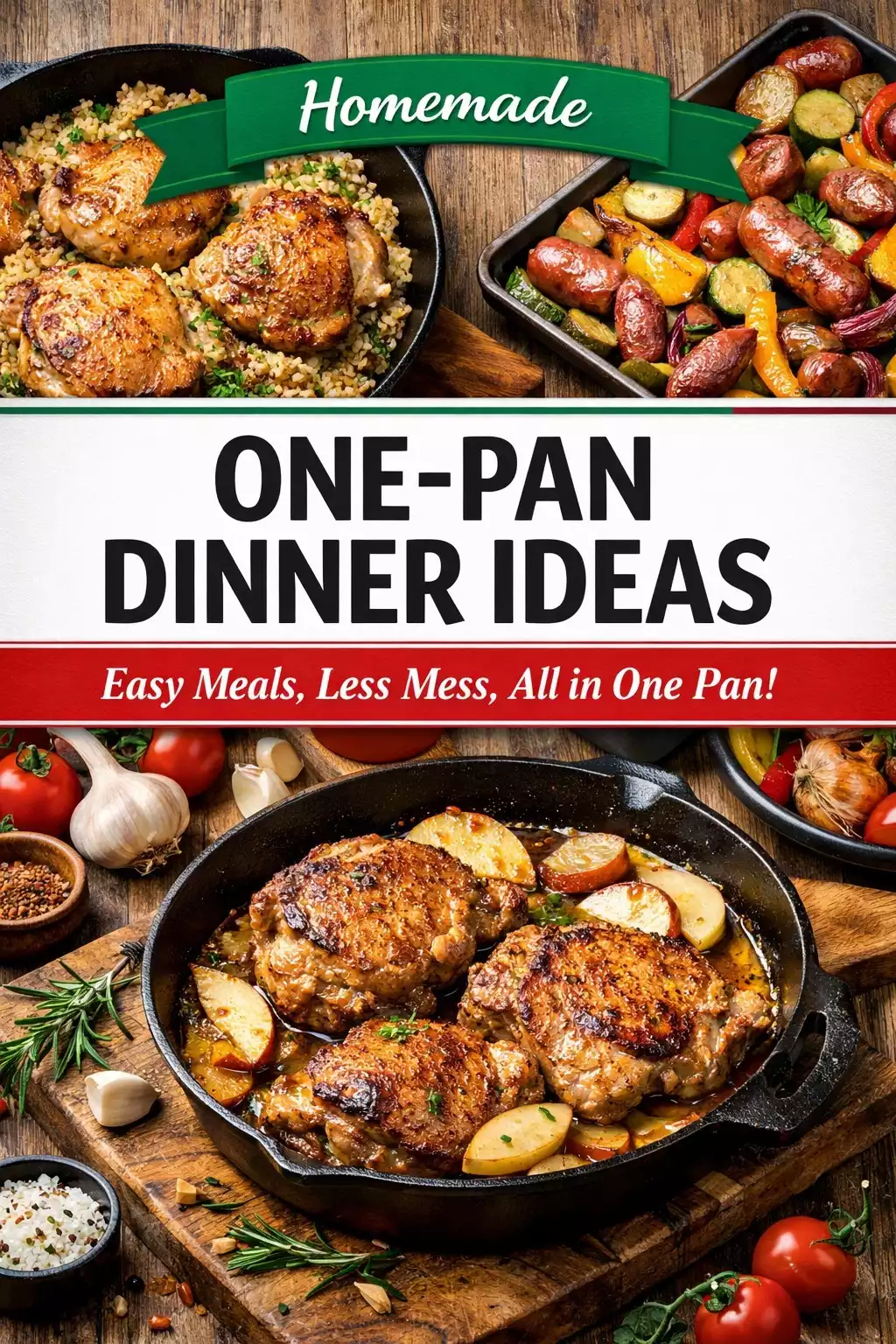
When I retired from the kitchen, this is what I kept cooking. One-Pan Dinner Ideas — because after thirty years of cooking with twelve pans going simultaneously, I earned the right to appreciate a single skillet. One-pan cooking isn’t a compromise. It’s a methodology with genuine advantages: layered flavors built from sequential cooking, less cleanup, and a dish that has a cohesion you can’t achieve when everything is cooked separately and combined at plating. Professional kitchens use one-pan technique constantly. It’s called “building in the pan” and it’s how real cooking happens.
These are five of my most reliable one-pan dinner concepts — varied enough to cover multiple protein types, cuisines, and weeknight scenarios. Each one is built on the same fundamental technique: use the pan’s accumulated fond at every stage.
For the quick weeknight lineup, these connect with Oven Baked Pork Chops, 30-Minute Chicken Dinners, 5-Ingredient Dinner Recipes, Easy Chicken Quesadillas, and Biscuits and Gravy.
Why One-Pan Cooking Produces Better Results
- Fond is flavor: Every protein seared in a pan leaves browned bits (fond) that represent concentrated Maillard reaction flavor. Cooking everything in one pan means each component builds on the last.
- Temperature management: A single pan at the right heat is easier to control than multiple pans at multiple temperatures. One variable, not four.
- Sauce builds naturally: Deglazing a pan with stock or wine after searing a protein immediately creates a sauce without any additional steps.
- Timing simplifies: When everything is in one pan, timing is a linear sequence rather than a juggled parallel operation.
5 One-Pan Dinners
1. One-Pan Chicken and Rice
- 4 bone-in chicken thighs, seasoned
- 1½ cups long-grain rice
- 2½ cups chicken broth
- 1 onion, diced
- 3 garlic cloves, minced
- 1 tsp cumin, ½ tsp turmeric
2. Sheet Pan Sausage and Vegetables
- 1.5 lbs smoked sausage, sliced
- 2 bell peppers, sliced
- 2 zucchini, sliced
- 1 red onion, cut into wedges
- Olive oil, Italian seasoning, garlic powder
3. Skillet Pork Chops with Apple Pan Sauce
- 4 pork chops, bone-in
- 2 apples, sliced
- 3 tbsp butter
- ½ cup apple cider
- Fresh thyme
Instructions
One-Pan Chicken and Rice
Season chicken thighs well. Sear skin-side down in an oven-safe skillet over medium-high heat 5–6 minutes until golden. Flip and cook 3 more minutes. Remove chicken. In same pan, sauté onion and garlic 4–5 minutes. Add spices and stir 60 seconds. Add rice and toast 1 minute in the fat. Add broth, bring to simmer. Nestle chicken on top skin-side up. Cover tightly and transfer to 375°F oven for 25 minutes until rice is cooked and chicken reaches 165°F. Rest 5 minutes uncovered.
Sheet Pan Sausage and Vegetables
Preheat oven to 425°F. Toss all vegetables with olive oil, Italian seasoning, garlic powder, salt, and pepper. Spread on a large sheet pan. Add sliced sausage. Roast 25–30 minutes until vegetables are tender with char on edges and sausage is caramelized. Toss halfway through. A complete dinner in one pan with 5 minutes of prep.
Skillet Pork Chops with Apple Pan Sauce
Season pork chops. Sear over high heat in a skillet 3–4 minutes per side until golden crust forms. Remove and rest. Reduce heat to medium. Add butter, apple slices, and thyme to the pan. Cook apples 3–4 minutes until softened and slightly caramelized. Add apple cider and scrape up all fond. Simmer 2–3 minutes until sauce reduces by half. Return chops to pan, spoon sauce over. Serve immediately.
Universal One-Pan Tips
- Use the right pan size: A too-small pan means overcrowded food that steams. A too-large pan means the fond spreads too thin to be useful. Match pan size to the volume of food.
- Don’t clean between steps: The whole point of one-pan cooking is accumulating and using each layer of flavor. Cleaning the pan between steps destroys the technique.
- Deglaze when in doubt: Any time there’s browned stuff stuck to the pan, add liquid and scrape. That’s your sauce starting to form.
- Oven-safe skillet for stovetop-to-oven transitions: A cast-iron or stainless steel skillet that goes from burner to oven is the most versatile piece of cookware for one-pan cooking. Non-stick doesn’t tolerate oven temperatures above 400°F.
More One-Pan Formats
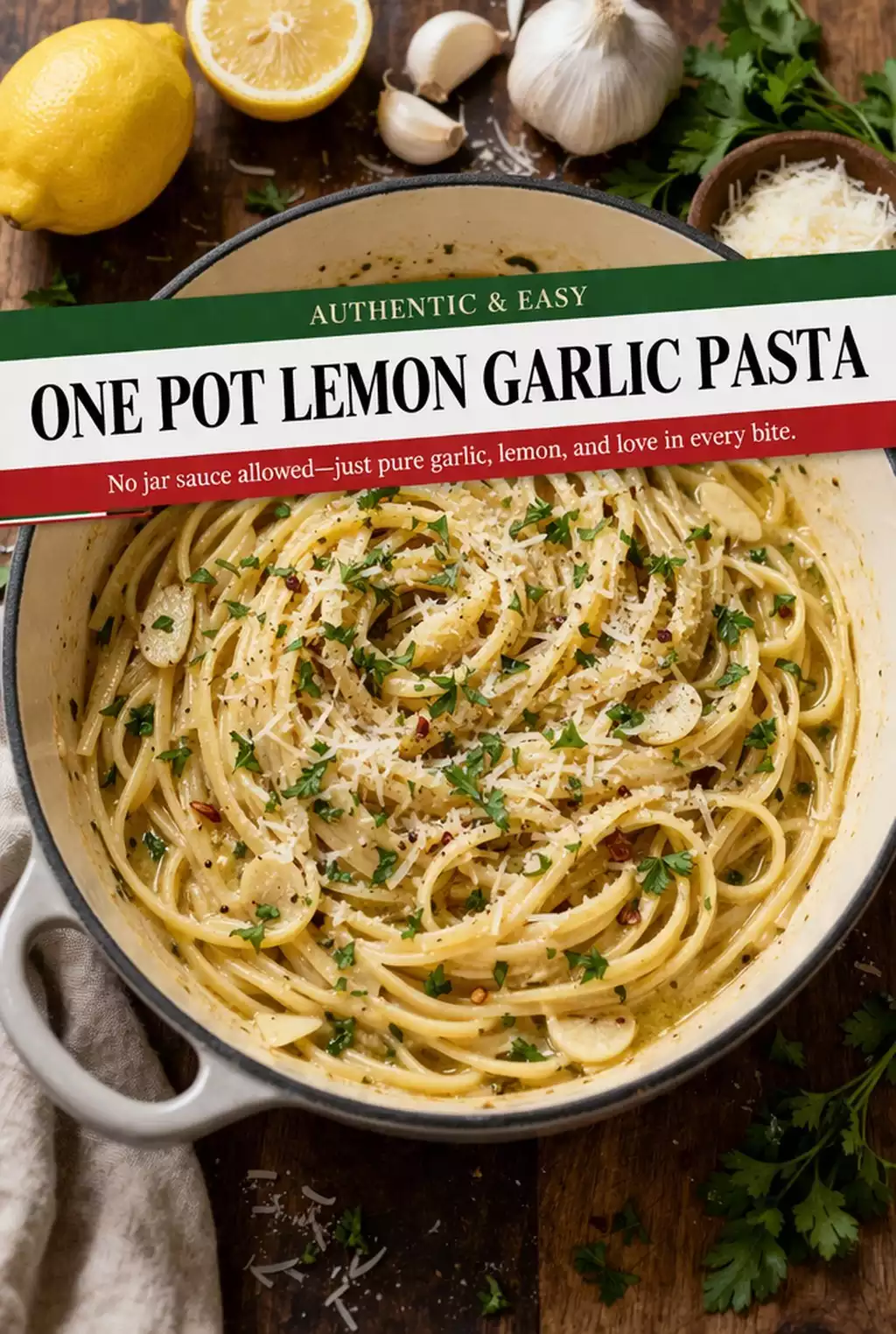
- One-Pan Pasta: Raw pasta, broth, aromatics, and protein all cooked together in one pan. The pasta absorbs the broth as it cooks, creating a starchy, creamy sauce automatically.
- Sheet Pan Fajitas: Chicken or beef strips, peppers, onions — seasoned and roasted together on a single sheet pan. Assemble in tortillas straight from the pan.
- Dutch Oven Braised Chicken: Brown, build sauce, braise. All in one pot. Same technique as the chicken and rice but with a braise rather than a steam.
Storage
- All preparations: 3–4 days refrigerated. Reheat in a covered skillet over medium-low heat with a splash of liquid.
Frequently Asked Questions
Can I use non-stick pans for one-pan cooking?
For some applications, yes. Non-stick pans don’t develop fond the same way and aren’t oven-safe above 400°F, limiting their one-pan versatility. Cast iron or stainless steel are the better tools for the full range of one-pan techniques.
How do I build a sauce if the pan looks dry?
Even a small amount of visible fond responds to deglazing. Add ¼ cup of wine, broth, or even water. The liquid dissolves the fond immediately. Scrape with a wooden spoon and you’ve started a sauce. Add butter or cream at the end to round it out.
What’s the best protein for one-pan dinners?
Bone-in chicken thighs are the most forgiving — they sear well, finish in the oven without drying out, and produce excellent fond. Pork chops are the runner-up. Fish is fast but delicate — one-pan fish dinners are excellent but require a lighter touch.
Marco’s Kitchen Notes
One-pan cooking gets more respect in professional kitchens than it does in home cooking culture, where it’s often positioned as a convenience shortcut rather than a legitimate technique. In restaurant kitchens, building in one pan is standard practice for sauces, braises, and composed dishes — not because it saves time, but because sequential addition to a single vessel creates layered flavors that separate-pan cooking can’t replicate. Every time you add something to a pan that already has rendered fat and fond in it, you’re building cumulative complexity. The second ingredient doesn’t cook in clean oil — it cooks in the flavor history of everything before it. That’s not a shortcut. That’s craft.
The home cook’s biggest one-pan mistake: cleaning the pan between steps. I’ve watched people deglaze a pan, make a sauce, pour it into a bowl, wipe the pan clean, and then add new oil to cook the next component. They’ve destroyed the entire accumulated layer of flavor. The fond stays. The fat stays. Every step should build on the last. Only clean the pan when you’re finished with the entire dish. This single rule, applied consistently, transforms one-pan cooking from adequate to exceptional.