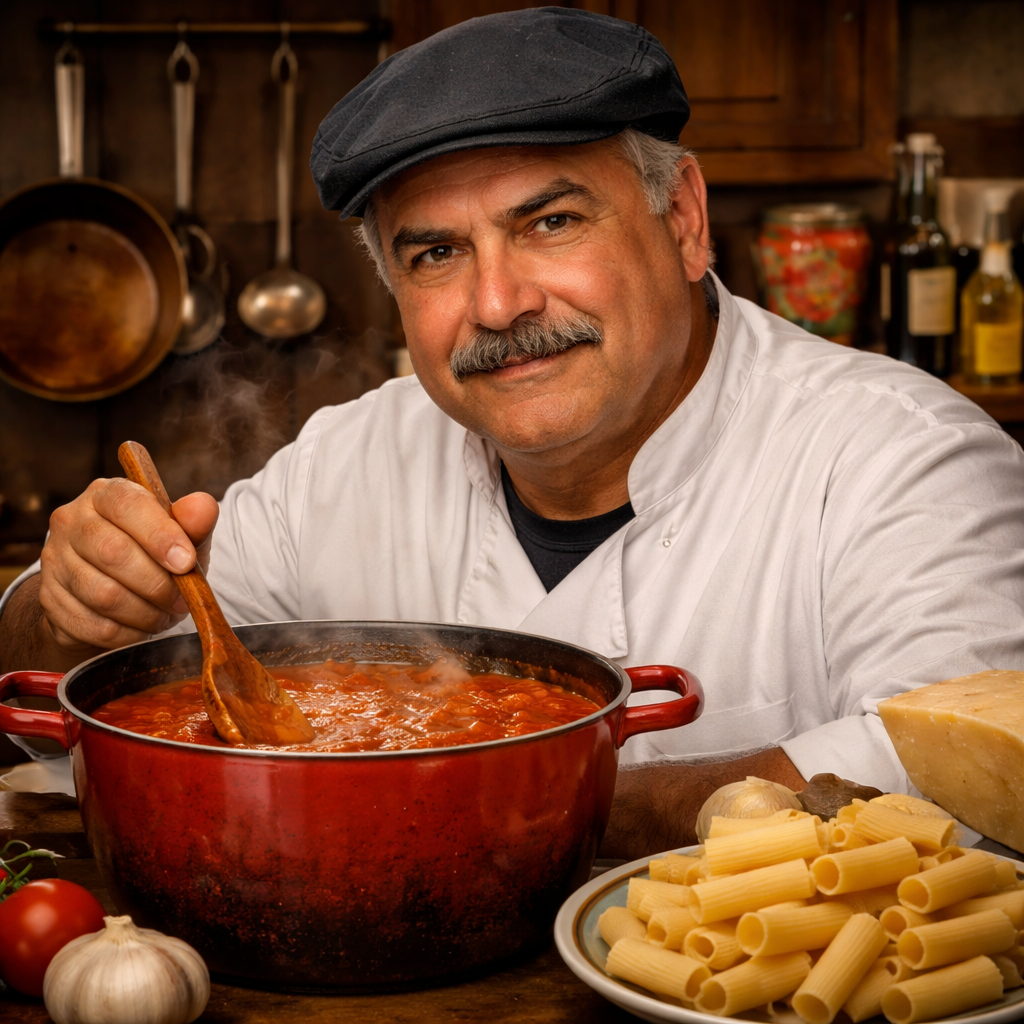
When I retired from the kitchen, this is what I kept cooking. Not the elaborate preparations, not the restaurant-caliber showpieces — this. Oven-Roasted Pork Tenderloin is the dish that proves a home kitchen can produce something genuinely exceptional with nothing more than a good piece of meat, proper seasoning, and a thermometer. It’s the kind of cooking that shows craft without showing off.
Pork tenderloin is the loin section running along the spine — the least-worked muscle on the pig, which means it’s the most naturally tender. It cooks fast. It takes well to searing and finishing in the oven. And because the muscle is so lean, there’s very little margin for error — overcook it by 10 degrees and you have something much less impressive than what it could have been.
This best oven-roasted pork tenderloin recipe uses a classic Italian-American approach: a herb-and-garlic seasoning paste, a screaming-hot sear in cast iron, then a quick oven finish. The result is a beautifully browned exterior with a rosy, juicy interior. The kind of Tuesday night dinner that makes guests think you spent all afternoon on it.
Why This Pork Tenderloin Recipe Works
- Sear first, roast second — the oven can’t create the Maillard crust that a screaming-hot skillet can. Always sear first for maximum flavor development on the exterior.
- Herb paste penetrates immediately — unlike a dry rub that sits on the surface, an herb-oil paste adheres better and flavors the exterior more thoroughly.
- High oven temperature for a short time — 425°F for 15-18 minutes after searing carries the tenderloin through without drying it out.
- Rest before slicing is non-negotiable — the juices redistribute during the 5-minute rest. Cut it immediately and half your juice ends up on the cutting board.
Explore the full pork recipes range including Southern smothered pork chops and BBQ baby back ribs.
Ingredients for Oven-Roasted Pork Tenderloin
Serves 4 | Prep: 15 min | Cook: 25 min | Rest: 5 min
The Pork
- 2 pork tenderloins (about 1 to 1.25 lbs each)
- 1½ teaspoons kosher salt
- 1 teaspoon black pepper
- 2 tablespoons olive oil (for searing)
Herb-Garlic Rub
- 4 cloves garlic, finely minced or pressed
- 2 tablespoons olive oil
- 1 tablespoon fresh rosemary, finely chopped (or 1 teaspoon dried)
- 1 tablespoon fresh thyme leaves (or 1 teaspoon dried)
- 1 teaspoon dried Italian seasoning
- 1 teaspoon Dijon mustard
- ½ teaspoon smoked paprika
Optional Finishing Sauce
- 2 tablespoons butter
- 2 shallots, minced
- ½ cup white wine or chicken broth
- ½ cup heavy cream
- 1 teaspoon Dijon mustard
- Fresh thyme
- Salt and pepper
How to Make Oven-Roasted Pork Tenderloin
Step 1: Trim the Silverskin
Look for the silverskin — the silver-white, shiny connective tissue running along one side of each tenderloin. Slide a boning knife under it at one end, angle the blade up slightly, and run the knife along to remove it in strips. This is not optional — silverskin doesn’t break down during cooking, it contracts, squeezing the tenderloin and toughening the texture. Takes about 2 minutes. Worth every second.
Step 2: Season and Apply the Herb Rub
Season the tenderloins all over with salt and pepper first. Mix together the herb-garlic rub ingredients in a small bowl. Coat each tenderloin thoroughly on all sides with the rub, pressing it in with your hands. Let the seasoned meat rest at room temperature for 20-30 minutes if time allows. A room-temperature piece of meat cooks more evenly than one straight from the fridge.
Step 3: Preheat and Sear
Preheat oven to 425°F. Heat an oven-safe cast iron skillet or heavy stainless skillet over high heat until very hot, about 3 minutes. Add the olive oil. It should shimmer immediately. Sear the tenderloins for 2-3 minutes per side on all four sides — top, bottom, and both sides. You want an even, mahogany-brown crust all around. Work quickly. The pan should stay hot throughout.
Step 4: Finish in the Oven
Transfer the skillet directly to the preheated oven (if the skillet isn’t oven-safe, transfer the tenderloins to a roasting pan). Roast at 425°F for 15-18 minutes until the internal temperature reads 145°F at the thickest point. Check early — thin tenderloins can hit temperature in 12 minutes. Pork at 145°F will have a slight pink center. That’s correct. That’s done.
Step 5: Rest Before Slicing
Transfer the tenderloins to a cutting board and tent loosely with foil. Rest for 5-7 minutes. The internal temperature will carry over to about 150°F during the rest. Do not skip this step. Cutting immediately loses 20-30% of the moisture to the cutting board.
Step 6: Make the Pan Sauce (Optional)
While the meat rests, return the skillet to medium heat. Add butter and shallots. Cook 2 minutes. Pour in white wine or broth and scrape up any browned bits. Add cream and Dijon. Simmer until slightly thickened — 3-4 minutes. Season and strain over sliced tenderloin at the table.
Step 7: Slice and Serve
Slice the tenderloins on a slight bias into ¾-inch medallions. Fan them on the serving platter. Spoon any accumulated cutting board juices back over the slices. Add the pan sauce over top if making. Serve immediately.
Pro Tips & Common Mistakes
- Remove the silverskin. This is the single most overlooked step in pork tenderloin preparation and the one that most affects the final texture. Takes 2 minutes. Skip it at your own risk.
- 145°F is the target, not 165°F. USDA updated the safe temperature for whole pork cuts to 145°F in 2011. Pink pork tenderloin at 145°F is safe, juicy, and correct. Cooked to 165°F it’s dry and loses its appeal.
- Don’t skip the sear. Even 2 minutes of high-heat searing per side creates flavor compounds through the Maillard reaction that are absent from a purely oven-roasted tenderloin. The sear is what gives it complexity.
- Two tenderloins feed four people properly. One tenderloin feeds two, barely. If you’re cooking for four and trying to stretch one tenderloin, everyone is disappointed.
- Resting is mandatory. See step 5. There are no exceptions to this rule in professional cooking. The home kitchen is not different.
Variations Worth Trying
- Balsamic Glazed: Brush with a mixture of 3 tablespoons balsamic vinegar and 1 tablespoon honey in the last 5 minutes of roasting. The glaze caramelizes and creates a slightly sweet, tangy exterior.
- Bacon-Wrapped: Wrap each tenderloin in 4-5 strips of thin-cut bacon before searing. The bacon bastes the tenderloin and adds a smoky layer. Sear until the bacon is golden before moving to the oven.
- Mediterranean Herb Crust: Add za’atar, lemon zest, and a touch of coriander to the herb rub. Serve with tzatziki instead of the cream sauce.
- Apple and Sage Pan Sauce: Replace shallots with a diced apple in the pan sauce. Add fresh sage leaves. Simmer with apple cider instead of wine. A fall-forward variation that complements pork beautifully.
- BBQ Style: Apply the same dry rub as used in BBQ baby back ribs, sear, and finish in the oven. Brush with BBQ sauce in the last 5 minutes.
- Full Pork Night: Serve alongside Southern smothered pork chops and slow cooker pulled pork for a pork-centric dinner that showcases three completely different techniques.
Storage & Reheating
- Refrigerator: 3-4 days sliced, in an airtight container with any reserved pan juices drizzled over the slices.
- Freezer: Not ideal — the lean meat dries out on thawing. But possible for up to 2 months if well-wrapped. Slice, wrap each piece in plastic, then bag.
- Reheating: Best method — wrap slices in foil with a tablespoon of broth and heat in a 300°F oven for 10-12 minutes. Low and slow on reheat prevents the lean meat from drying. Microwave is the worst method — if you must, use 50% power and cover with a damp paper towel.
Frequently Asked Questions
Is it okay for pork tenderloin to be pink in the middle?
Yes — absolutely yes. The USDA updated the safe temperature for whole pork cuts to 145°F in 2011. At 145°F, pork tenderloin will have a rosy pink center. This is safe, correct, and far more enjoyable than overcooked gray pork. Trust your thermometer.
What’s the difference between pork tenderloin and pork loin?
Entirely different cuts. Pork tenderloin is a small, narrow muscle that runs along the spine — about 1-1.5 lbs, cooks in 25 minutes. Pork loin is a much larger, wider roast from the back — typically 3-5 lbs, requires an hour or more. The tenderloin is more tender and cooks faster. Don’t substitute one for the other in a recipe without adjusting everything.
How do I keep pork tenderloin moist?
Three things: don’t overcook (145°F is the ceiling), always rest before slicing (5-7 minutes minimum), and store with pan juices. The pan sauce helps too — a sauce adds moisture back at the table even if the meat cooked slightly above ideal temperature.
Can I marinate pork tenderloin?
Yes, and it works well. Marinate for 2-4 hours in the fridge — longer than that with acidic marinades starts to break down the surface texture. Pat dry before searing so the surface dries and browns properly instead of steaming in marinade moisture.