My nonna would’ve smacked me with a wooden spoon if I got this wrong. And cheesecake is a dish where you can absolutely get it wrong — cracked tops, rubbery texture, insufficient cream cheese flavor, a crust that disintegrates when you try to cut it. These failures are all avoidable. All of them. Which is why I’m going to be precise about this: Classic New York Cheesecake is one of the most technically demanding desserts a home baker can attempt, and I’m going to make sure you make it right.
New York style cheesecake is the definitive American cheesecake — tall, dense, cream cheese-forward, with a distinctive smooth, slightly tangy interior and a graham cracker crust that holds together when sliced. The difference between New York and other styles is the cream cheese ratio and the technique: more cream cheese per unit than any other style, and a water bath (or modified water bath) to control the temperature and prevent cracking.
This best New York cheesecake recipe produces a properly dense, properly tall, crack-free cheesecake that tastes like real cream cheese — rich and slightly tangy — not like a sweetened dairy product. It requires patience, a springform pan, and a few specific techniques that I’m going to explain in detail because cheesecake is not a recipe you can wing.
Why This New York Cheesecake Works
- Five blocks of cream cheese — real New York cheesecake is aggressively cream cheese forward. Less cream cheese produces a lighter, mousse-like texture that’s a different dessert. This recipe doesn’t compromise.
- Room temperature everything — cold dairy ingredients create lumpy batter that doesn’t bake evenly. Every dairy ingredient must be room temperature before mixing begins.
- Modified water bath prevents cracking — the water bath regulates oven temperature, prevents the edges from overcooking while the center finishes, and keeps the humidity high so the top doesn’t dry out and crack.
- Cool in the oven, then slowly at room temp — rapid temperature change causes cracking. The gradual cooling protocol is non-optional.
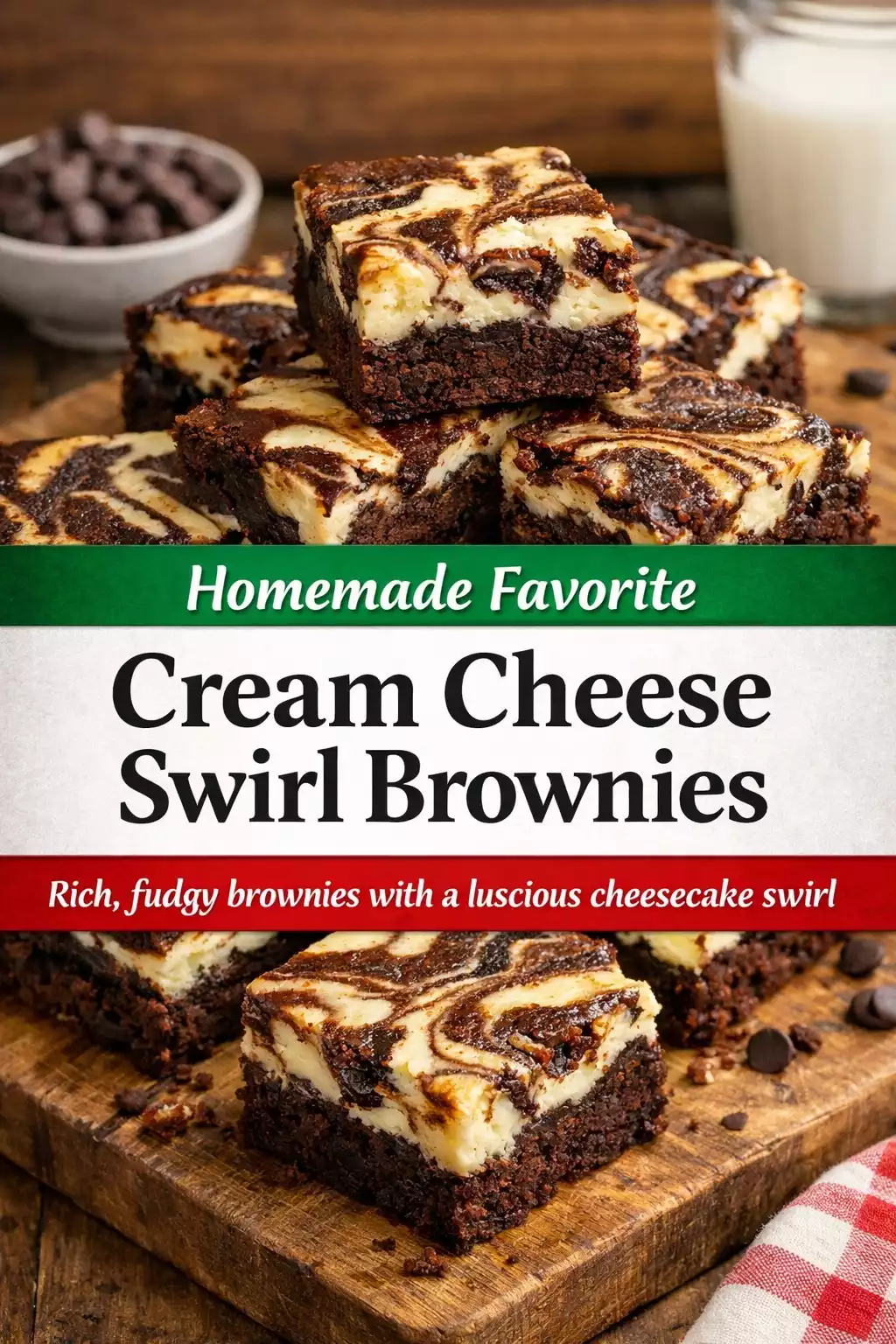
This is the cornerstone of the cream cheese recipes collection. See also cream cheese swirl brownies and pumpkin cheesecake.
Ingredients for Classic New York Cheesecake
Serves 12-16 | Prep: 30 min | Bake: 90 min | Cool and chill: 8+ hours
The Crust
- 2 cups (240g) graham cracker crumbs (about 16 crackers)
- 5 tablespoons (70g) unsalted butter, melted
- 3 tablespoons granulated sugar
- Pinch of salt
The Filling
- 40 oz (5 blocks, 1130g) full-fat cream cheese, room temperature
- 1½ cups (300g) granulated sugar
- 3 tablespoons cornstarch
- 5 large eggs, room temperature
- 2 egg yolks, room temperature
- 1 tablespoon pure vanilla extract
- 1 teaspoon lemon zest
- 2 tablespoons fresh lemon juice
- ¼ cup heavy cream, room temperature
- ½ teaspoon salt
How to Make Classic New York Cheesecake
Step 1: Make the Crust
Mix graham cracker crumbs, melted butter, sugar, and salt until the mixture resembles wet sand and holds together when pressed. Press evenly into the bottom of a 9-inch springform pan and 1 inch up the sides. Press firmly with the bottom of a glass or measuring cup. Bake at 325°F for 10 minutes until set and lightly golden. Cool completely.
Step 2: All Ingredients at Room Temperature
All dairy must be at room temperature before mixing. Cold cream cheese creates lumpy batter that doesn’t bake evenly and contributes to cracking. If you forgot to pull it out: unwrap and microwave each block for 15-20 seconds. Eggs: place in a bowl of warm water for 5 minutes. This step is non-negotiable.
Step 3: Mix the Filling
In the bowl of a stand mixer with the paddle attachment (not whisk), beat cream cheese on medium speed until completely smooth — 5 minutes. Scrape down sides thoroughly. Add sugar and cornstarch, beat until combined. Add eggs and yolks one at a time, beating briefly on low after each addition. Overmixing eggs incorporates air, which causes the cheesecake to puff in the oven and then collapse (cracking). Mix on low only. Add vanilla, lemon zest, lemon juice, cream, and salt. Mix until just incorporated. Scrape the bowl from bottom to ensure everything is combined.
Step 4: Water Bath Setup
Wrap the outside of the springform pan tightly in 2-3 layers of heavy-duty aluminum foil — this prevents water from seeping in. Place the wrapped pan inside a larger roasting pan. Pour the cheesecake batter over the cooled crust. Then pour boiling water into the roasting pan until it reaches halfway up the sides of the springform pan. The water bath is the single most important technique for crack-free cheesecake.
Step 5: Bake Low and Slow
Bake at 325°F for 80-90 minutes. The cheesecake is done when the edges are set and the center has a slight wobble — like a barely-set jello. The center should jiggle when you gently move the pan but not look liquid. If the center looks wet or liquid, give it 10 more minutes. If it’s completely firm with no wobble, it’s overbaked.
Step 6: Gradual Cooling (Critical)
Turn off the oven. Crack the oven door open about 1 inch. Let the cheesecake cool in the oven for 1 hour. Then remove from the water bath and cool on the counter for another hour. Then refrigerate overnight (minimum 8 hours, 12 is better). This gradual cooling protocol is why this cheesecake doesn’t crack. Rapid temperature change is the cause of cracking; gradual change eliminates it.
Step 7: Remove and Serve
Run a thin knife around the inside edge of the springform pan before releasing the latch. This prevents tearing if the cheesecake has adhered to the sides. Release and remove the ring. Serve cold, sliced with a sharp knife warmed under hot water and dried before each cut.
Pro Tips for Crack-Free Cheesecake
- Room temperature dairy, always. This cannot be stated enough. The #1 cause of lumpy batter is cold cream cheese. Plan to take it out 1-2 hours before you start.
- Mix on LOW after eggs go in. Every additional rotation of the mixer after adding eggs incorporates more air. Air = puffing in the oven. Puffing + cooling = cracking. Low speed, minimal mixing after eggs.
- Water bath is non-negotiable for crack prevention. Some recipes say optional. It is not optional. The water bath creates the humidity and temperature regulation that prevents surface drying and cracking.
- The wobble test. 2-3 inches of wobble in the center = done. All wobble everywhere = underdone. No wobble at all = overbaked. Trust the wobble over the time.
- Don’t skip the overnight refrigeration. A cheesecake needs to set fully in the refrigerator. Cutting it warm or even after a few hours gives you a soft, creamy center that hasn’t reached its final texture. Overnight is minimum.
Variations Worth Trying
- Strawberry Topping: Macerate 1 pound of sliced strawberries with 2 tablespoons sugar and a squeeze of lemon for 30 minutes. Spoon over chilled cheesecake at serving. The fresh fruit and acid balance the richness perfectly.
- Blueberry Compote: Simmer 1 cup blueberries with 3 tablespoons sugar, 1 teaspoon lemon juice, and 1 teaspoon cornstarch until thickened. Cool and spread over the top.
- Chocolate Marble: Reserve ¼ of the batter, mix with 2 oz melted dark chocolate, dollop onto the top of the plain batter, and swirl with a skewer before baking. See cream cheese swirl brownies for the same swirl technique.
- Seasonal Pumpkin: See pumpkin cheesecake for the fall variation on this same base technique.
- Lemon Cheesecake: Double the lemon zest and juice. Finish with a thin layer of lemon curd on the chilled cheesecake surface. Bright, tangy, and exceptional.
Storage Notes
- Refrigerator: 5-7 days tightly covered or in an airtight container. This is one of the longest-keeping desserts in your repertoire.
- Freezer: Excellent. Whole or in slices, wrapped in plastic then foil, up to 3 months. Thaw overnight in the refrigerator. The texture is essentially unchanged after freezing.
Frequently Asked Questions
Why did my cheesecake crack?
Most likely causes in order of frequency: 1) No water bath or insufficient water, 2) Overmixing after eggs were added (too much air incorporated), 3) Baked at too high a temperature, 4) Cooled too quickly. Follow the water bath and gradual cooling protocol and cracking becomes very rare.
What pan size should I use?
A 9-inch springform pan is the standard for this recipe. 10-inch is acceptable — the cheesecake will be slightly shorter (adjust baking time down 10-15 minutes). Do not use an 8-inch pan with this full recipe — overflow risk.
Can I make this without a water bath?
Yes, with higher cracking risk. If no water bath: bake at 300°F (lower temperature compensates partially), and place a pan of boiling water on the rack below the cheesecake during baking. Then follow the exact same cooling protocol. You’ll likely still get some cracking, but it’s less severe.
How do I get clean slices?
Warm the knife under hot water, dry it, and cut. Wipe the knife clean with a damp cloth between each cut. This is how restaurants produce those perfect clean slices on every slice of cheesecake you’ve ever been served.