When I retired from the kitchen, this is what I kept cooking. Not the restaurant dishes, not the technical showpieces — this. Slow Roasted Leg of Lamb on a Sunday. Because there are few better things in cooking than a large piece of meat that’s been in a low oven for four hours transforming itself from a raw, slightly intimidating cut into something so tender it falls from the bone at the touch of a fork, filling your home with the smell of roasting garlic and herbs for the entire afternoon.
Leg of lamb was the Sunday roast of every Mediterranean household I’ve ever cooked for. Greek, Lebanese, Italian, Turkish — everyone has their version. The commonality: garlic inserted deep into the meat, olive oil rubbed all over the surface, herbs layered generously, low oven, long time. The technique transcends cultures because it works at a fundamental level with what lamb is and what low heat does to its connective tissue.
This best slow roasted leg of lamb is a Sunday dish. It requires planning, not complexity. The prep is 20 minutes. The oven does the rest. What you get back is a centerpiece roast with a golden crust, deeply caramelized exterior, and interior so moist and falling-off-the-bone tender that it carves without effort.
Why This Slow Roasted Leg of Lamb Works
- Inserting garlic into the meat is critical — surface garlic burns at roasting temperature before it can flavor the interior. Inserted garlic, tucked deep into the meat, roasts slowly and infuses every slice.
- Low temperature plus long time converts collagen — 300°F for 4+ hours converts the collagen in the lamb’s connective tissue to gelatin. This is what produces the falling-off-the-bone texture that’s the signature of properly slow-roasted lamb.
- Bone-in roasts better than boneless — the bone conducts heat from the inside out, creating more even cooking. The bone marrow adds richness to the pan juices. Bone-in is always the better choice when available.
- Pan liquid creates self-basting — wine and stock in the bottom of the roasting pan create steam that circulates inside a foil cover, basting the lamb throughout the cook.
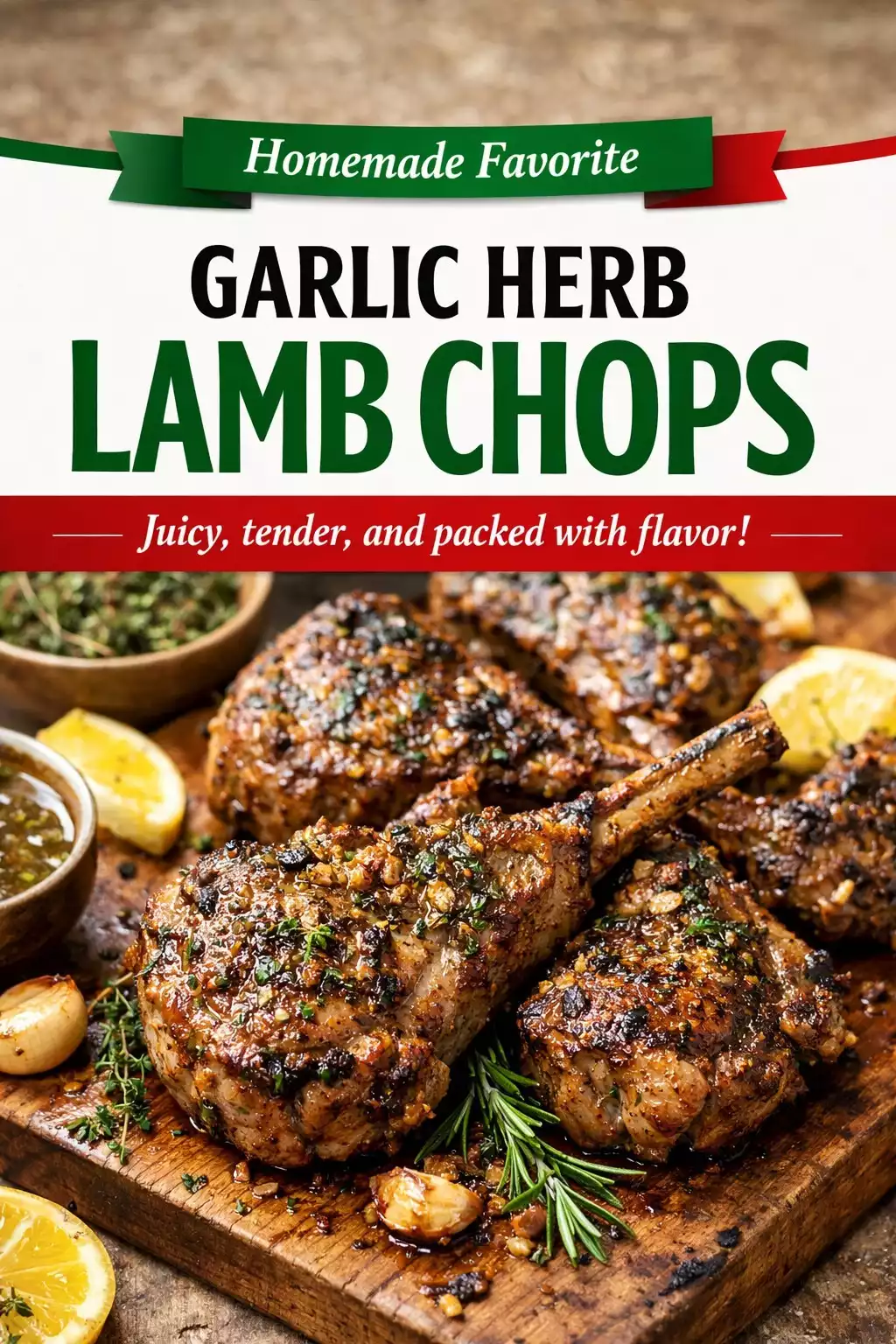
Complete the lamb table with lamb recipes including garlic herb lamb chops, herb-crusted rack of lamb, and lamb kofta.
Ingredients for Slow Roasted Leg of Lamb
Serves 8-10 | Prep: 20 min | Roast: 4-5 hours | Rest: 20 min
The Lamb
- 1 bone-in leg of lamb (6-8 lbs)
- 8-10 cloves garlic, cut into thin slivers
- 3 tablespoons olive oil
- 2 teaspoons kosher salt
- 1½ teaspoons black pepper
Herb Rub
- 3 tablespoons fresh rosemary, finely chopped
- 2 tablespoons fresh thyme leaves
- 6 cloves garlic, minced (for the surface rub)
- 2 tablespoons olive oil
- 1 tablespoon lemon zest
- 1 tablespoon Dijon mustard
Roasting Pan
- 1 cup dry red wine
- 1 cup lamb or chicken stock
- 2 medium onions, quartered
- 1 head of garlic, halved horizontally
- 3-4 sprigs fresh rosemary
- 4 sprigs fresh thyme
How to Make Slow Roasted Leg of Lamb
Step 1: Insert the Garlic
Using a small sharp knife, make about 20-25 small, deep incisions all over the lamb — on all surfaces, including underneath and on the sides. Insert a sliver of garlic into each incision, pushing it as deep as possible with your finger. The garlic inserted this way roasts inside the meat, infusing every bite from the inside. Surface garlic burns; inserted garlic transforms.
Step 2: Apply the Herb Rub
Mix together the rosemary, thyme, minced garlic, olive oil, lemon zest, and Dijon mustard until a rough paste forms. Coat the lamb all over with the olive oil first, then press the herb paste firmly onto every surface. The Dijon acts as a binder that helps the herbs adhere during roasting. Cover loosely and refrigerate overnight if possible, or at minimum 2 hours. Remove from the refrigerator 1 hour before roasting.
Step 3: Prepare the Roasting Pan
Preheat oven to 450°F. Place the onion quarters, halved garlic head, rosemary, and thyme sprigs in the bottom of a large roasting pan. These aromatics become the foundation of your pan sauce. Set a roasting rack over the aromatics. Place the lamb on the rack fat-side up.
Step 4: High Heat Start for Crust
Roast uncovered at 450°F for 20-25 minutes until the exterior is golden brown and a crust has formed. This high-heat start creates the Maillard reaction on the surface that adds flavor and color. Watch it closely — you want golden brown, not burned.
Step 5: Reduce Heat and Add Liquid
Reduce oven temperature to 300°F. Pour the red wine and stock into the bottom of the roasting pan. Cover the entire pan tightly with heavy-duty foil, crimping the edges to create a seal. Return to the oven and roast for 3.5-4 more hours for falling-off-the-bone tender lamb (195-205°F internal temperature) or 2.5-3 hours for sliceable but tender lamb (165-175°F).
Step 6: Rest Before Serving
Remove the foil for the last 30 minutes of cooking for a crisped exterior. Transfer the lamb to a carving board, tent loosely with foil, and rest for 20-30 minutes. This longer rest is appropriate for a large roast. Make the pan sauce during the rest.
Step 7: Make the Pan Sauce
While the lamb rests, strain the pan drippings into a saucepan, pressing on the solids. Skim fat from the surface (or use a fat separator). Bring to a boil over medium-high heat and reduce until the sauce coats a spoon — about 5-8 minutes. Season and serve alongside the lamb at the table.
Pro Tips for Better Slow Roasted Lamb
- Insert garlic deep. Superficial incisions that don’t go deep enough mean the garlic roasts on the surface and burns. Push each sliver as deep as it will go with your finger after inserting with the knife.
- Overnight marinade time. The herb rub applied the night before and refrigerated overnight penetrates the surface and builds a more integrated flavor. Same-day prep is fine; overnight is noticeably better.
- Foil seal is critical for low-and-slow. The covered roast creates its own braising environment. A loose foil cover lets steam escape and the lamb dries out. Crimp the edges tightly to the pan.
- 20-minute rest minimum. For a roast this size, 20-30 minutes of rest is appropriate. The juices need time to redistribute through a large cut. Skip the rest and they pool on the cutting board.
- Low temperature is the technique. 300°F is not a compromise. At this temperature, the collagen converts to gelatin over 4 hours and the result is a dramatically different texture from a lamb roasted at 350-375°F. Trust the low temperature.
Variations Worth Trying
- Greek Style: Add 1 cup of lemon juice to the braising liquid and increase the oregano. Serve with roasted potatoes cooked in the pan juices and tzatziki on the side.
- Moroccan Spiced: Replace the herb rub with a ras el hanout spice paste. Add preserved lemon and green olives to the roasting pan. Serve with couscous.
- Italian-American Style (My Version): Add a glass of Chianti and a cup of crushed tomatoes to the pan. Fresh rosemary, garlic, and a branch of fresh oregano. The tomato braising liquid becomes a sauce directly. Serve over polenta or with crusty bread.
- Lamb Chop Version: Apply the same garlic-herb marinade to individual garlic herb lamb chops for a quicker version that serves a weeknight crowd.
- Full Lamb Feast: Serve alongside lamb kofta as a starter course for a complete lamb-centric dinner.
Storage & Reheating
- Refrigerator: 4-5 days. Store with the pan juices covering the meat to prevent drying.
- Freezer: 3 months. Slice the meat and freeze in portions with pan juices. Excellent for future meals.
- Reheating: Covered in a 300°F oven with a splash of stock and pan juices. 20-25 minutes for a large piece. The slow, covered reheat prevents the meat from drying out.
- Leftover applications: Pulled slow-roasted lamb over rice or grain bowls. In sandwiches with tzatziki and fresh vegetables. In lamb hash with potatoes. Few leftovers are as versatile as slow-roasted lamb.
Frequently Asked Questions
How long does it take to slow roast a leg of lamb?
For falling-off-the-bone texture (195-205°F): approximately 20 minutes at 450°F plus 3.5-4 hours at 300°F for a 6-8 pound bone-in leg. For sliceable but tender lamb (165-175°F): about 2.5-3 hours after the initial sear. Variables include the specific weight and shape of your roast — use a thermometer, not just time.
Should I cover leg of lamb when roasting?
Yes, after the initial sear. The covered low-temperature roast creates a self-basting environment that keeps the lamb moist and promotes the collagen conversion that produces the tender texture. Remove the foil for the last 30 minutes to re-crisp the exterior.
Can I cook a boneless leg of lamb this way?
Yes. Boneless rolls up neatly and is easier to carve. Reduce total cooking time by about 30-45 minutes since boneless cooks faster than bone-in. Roll and tie with butcher’s twine, apply the same herb rub, and proceed with the same technique.
What do you serve with slow roasted leg of lamb?
Classically: roasted potatoes (cooked in the lamb’s pan drippings), Greek salad, warm pita, and tzatziki. The pan sauce drizzled over everything ties it together. Crusty bread to sop up the sauce is mandatory, not optional.