I‘ve been making this since before you were born. Trust me. Irish Lamb Stew is one of those dishes that people overcomplicate when the entire genius of it lies in restraint: quality lamb, proper vegetables, a long braise, and nothing else pretending to be something it isn’t. The first time I made it was in a professional kitchen, watching a line cook from Cork show me the right way to handle a neck bone. I’ve been chasing that memory ever since.
There’s a version of this dish that’s watery, gray, and tastes like regret. You’ve probably had it. Cafeteria potluck, bad pub, whoever made it in a hurry. Then there’s the version made low and slow, where the lamb collagen breaks down into the broth and creates something thick, deeply savory, and warming in a way that no other stew replicates. That’s the version we’re building here.
This is honest winter food. Rutabaga or turnip if you want to be traditional. Waxy potatoes that hold their shape. Good lamb with enough fat to flavor the broth. Patience measured in hours, not minutes. The payoff is a bowl of something that doesn’t need anything fancy alongside it — just bread to sop up every drop.
Why This Irish Lamb Stew Works
- Bone-in lamb shoulder: The bones release collagen during the long braise, creating a naturally thick, rich broth without any added thickener.
- Proper browning: Searing the lamb in batches before braising builds a fond — the caramelized bits on the pan bottom that dissolve into the broth and add enormous depth.
- Low and slow: Two-plus hours at a low simmer transforms tough shoulder meat into fork-tender, fall-apart lamb that absorbs the broth completely.
- Layered vegetables: Root vegetables go in early to soften into the broth; potatoes go in later to hold their shape and not disintegrate.
Ingredients
For the Stew
- 2½ lbs bone-in lamb shoulder, cut into 2-inch pieces
- 3 tbsp vegetable oil
- 1 large onion, roughly chopped
- 3 cloves garlic, minced
- 3 medium carrots, cut into 1-inch chunks
- 2 parsnips or 1 small turnip, cut into chunks
- 1 lb Yukon Gold potatoes, quartered
- 4 cups lamb or chicken stock
- 1 cup water
- 2 sprigs fresh thyme
- 2 bay leaves
- 2 tbsp fresh flat-leaf parsley, chopped (for finishing)
- Salt and black pepper to taste
Instructions
Step 1: Season and Sear the Lamb
Pat lamb pieces dry with paper towels — moisture is the enemy of a proper sear. Season generously with salt and pepper on all sides. Heat oil in a heavy Dutch oven over high heat until just smoking. Brown the lamb in batches, never crowding the pan. Each batch should take 3–4 minutes per side. Work until all pieces have deep brown crust. Transfer to a plate. Do not skip this step — the fond left in that pot is where the flavor lives.
Step 2: Build the Base
In the same pot, reduce heat to medium. Add onion and cook 4–5 minutes until softened and picking up some color. Add garlic and cook 1 minute more. If the pot looks dry, add a splash of stock to deglaze and scrape up every brown bit from the bottom. Those bits are not burnt — they’re flavor. Get them all.
Step 3: Braise Low and Slow
Return lamb to the pot. Add carrots, parsnips or turnip, thyme, and bay leaves. Pour in stock and water — liquid should come about ¾ of the way up the lamb. Bring to a boil, then immediately reduce to the lowest simmer your stovetop allows. Cover and cook for 1 hour and 30 minutes. The liquid should barely bubble — a rolling boil will make the lamb tough and cloud the broth.
Step 4: Add the Potatoes
After the first 90 minutes, add potatoes. Stir gently. Continue cooking covered for another 30–40 minutes, until potatoes are tender and lamb is completely fork-tender — it should pull apart with no resistance. Taste and adjust seasoning with salt and pepper. Remove bay leaves and thyme sprigs.
Step 5: Finish and Serve
Remove bones if desired — the meat should slide right off. Skim any excess fat from the surface if needed, though a little fat is natural and adds richness. Ladle into deep bowls. Finish with fresh parsley. Serve with crusty soda bread or brown bread to mop up the broth. This stew is better the next day — make it ahead when you can.
Tips & Common Mistakes
- Don’t boil it hard: A vigorous boil destroys the texture of lamb and makes the broth muddy. Keep it at the gentlest simmer possible throughout the braise.
- Use bone-in meat: Boneless lamb shoulder will work but bone-in gives the broth a richness that you can’t replicate otherwise. The marrow and collagen are doing serious work here.
- Potatoes go in late: Adding potatoes at the beginning turns them into mush by the end of cooking. Add them in the last 30–40 minutes only.
- Let it rest: Like all braises, Irish lamb stew improves after resting 15–20 minutes off the heat before serving. The flavors settle and intensify.
- Season in layers: Season the lamb before searing, taste the broth after an hour, and adjust again before serving. Seasoning once at the end is lazy and it shows.
Variations
- Slow cooker version: After browning lamb and building the base, transfer everything to the slow cooker. Cook on LOW for 7–8 hours. Add potatoes in the last 2 hours.
- Guinness version: Replace 1 cup of stock with Guinness stout. Adds a roasted, slightly bitter depth that works beautifully against the richness of lamb.
- Traditional Irish version: Use just lamb, onions, potatoes, and water — nothing else. Season with salt and white pepper only. This is the bare-bones original and it’s still excellent.
- Herb-forward version: Add fresh rosemary along with thyme, and stir in a handful of kale or spinach in the last 10 minutes for color and nutrients.
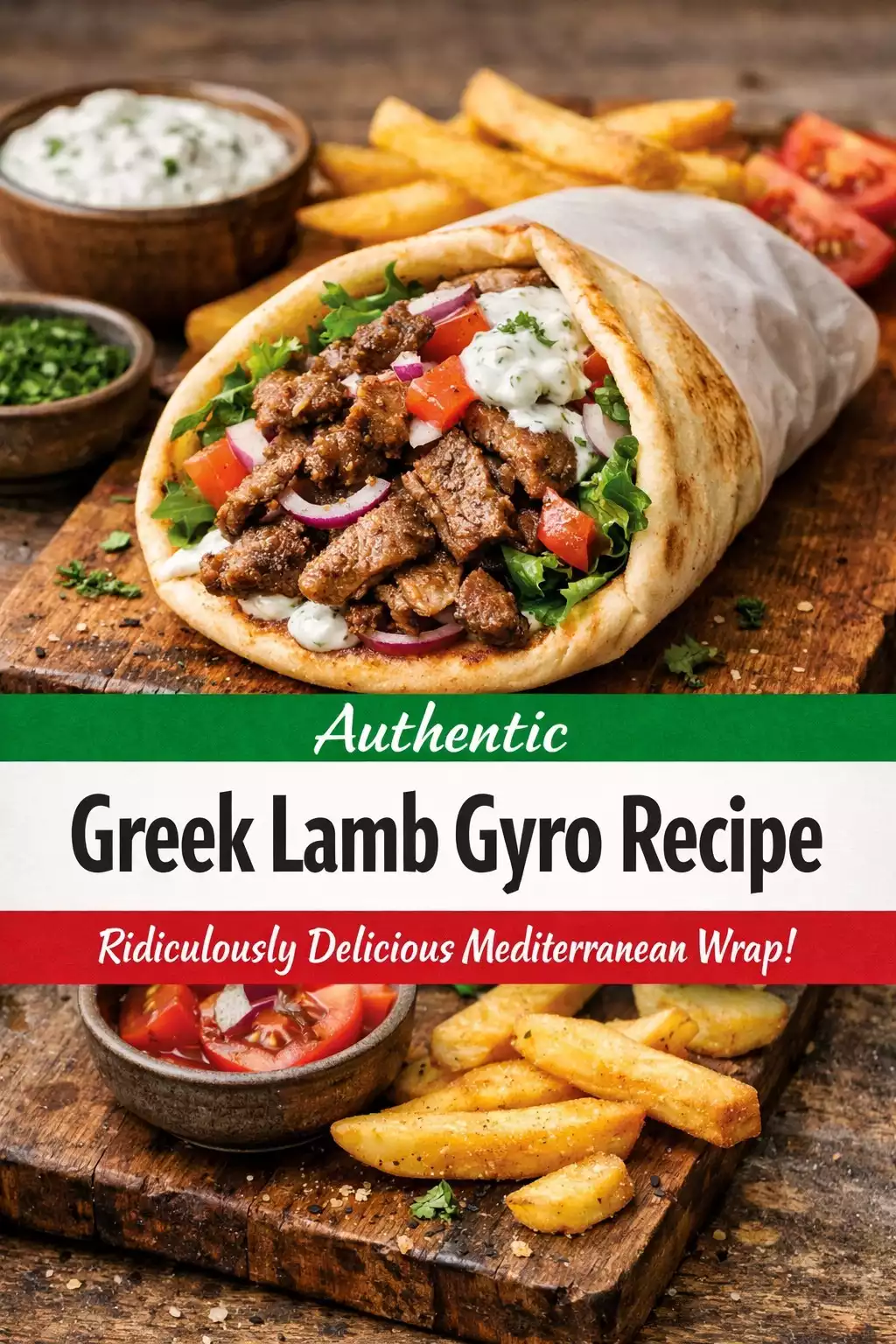
This stew connects to an entire family of slow-cooked lamb dishes worth exploring: garlic herb lamb chops, slow roasted leg of lamb, Greek lamb gyro, and herb-crusted rack of lamb. Each one rewards patience the same way this stew does. Also check out Moroccan lamb tagine for a spiced variation on the slow braise theme.
Storage & Reheating
- Refrigerator: Store in an airtight container for up to 4 days. The stew thickens in the fridge — this is normal and desirable.
- Reheating: Reheat on the stovetop over medium-low heat, adding a splash of stock or water to loosen if needed. Stir gently to avoid breaking up the potatoes.
- Freezing: Freeze without potatoes for best results — potatoes don’t freeze well and become grainy after thawing. Add fresh potatoes when reheating from frozen.
- Make ahead: This stew is genuinely better made 1–2 days ahead. The flavors meld and deepen overnight in a way that can’t be rushed.
Frequently Asked Questions
Can I use lamb leg instead of shoulder?
Shoulder is ideal because of its fat content and connective tissue that breaks down beautifully during braising. Leg is leaner and can dry out. If using leg, reduce the cooking time by 20–30 minutes and check early for doneness.
Do I need to use lamb stock?
Chicken stock works well. Vegetable stock works adequately. Lamb stock is ideal but it’s not always easy to find. If you have lamb bones, roast them at 400°F for 30 minutes and simmer with water for a quick stock while you prep everything else.
Why is my broth thin?
Usually means the simmer temperature was too high (boiling drives off collagen), or boneless meat was used instead of bone-in. You can thicken by mashing a few of the potatoes against the side of the pot, or whisk 1 tbsp of flour with cold water and stir in during the last 15 minutes of cooking.
Can kids eat this?
Yes, Irish lamb stew is mild and deeply comforting. The flavor is savory without being spicy or aggressive. It’s one of those dishes that every generation seems to find appealing, which is exactly why it’s survived for centuries.