This isn’t the fancy restaurant version. This is the real one. Crispy falafel — golden, crunchy on the outside, fluffy and herb-packed on the inside — is one of those foods that separates the people who understand cooking from the people who just follow instructions. The secret is dried chickpeas. Not canned. Not cooked. Dried, soaked overnight, and ground raw. That distinction is the entire difference between a falafel that holds together and crisps perfectly and one that falls apart in the oil or comes out dense and gummy.
I’ve watched people make bad falafel their entire lives. The canned chickpea version. The over-processed paste that makes dense little hockey pucks. This recipe fixes all of that. Raw soaked chickpeas, proper binding, the right oil temperature, and restraint with the food processor. That’s the entire recipe in one sentence. The rest is just following through.
Why This Crispy Falafel Works
- Raw soaked chickpeas (not canned): This is the most important thing in this entire recipe. Canned chickpeas are already cooked and their starches are fully hydrated — they make gummy, falling-apart falafel. Raw soaked chickpeas have structural integrity and fry into a proper crispy shell.
- Coarse texture: The food processor should leave small chunks, not smooth paste. Texture = structure = crunch.
- Herbs and aromatics: Fresh parsley, cilantro, garlic, and onion aren’t just flavoring — they add moisture that steam-cooks the interior while the exterior fries.
- Baking soda: A small amount added just before frying creates aeration, making the interior lighter and fluffier rather than dense.
- Oil temperature: 350°F is the sweet spot — hot enough to set the exterior quickly, not so hot it burns before the interior heats through.
Ingredients
The Falafel Mix
- 1½ cups dried chickpeas (not canned), soaked 12–24 hours
- 1 small onion, roughly chopped
- 4 garlic cloves
- 1 cup fresh parsley, packed
- ½ cup fresh cilantro, packed
- 1½ tsp cumin
- 1 tsp coriander
- 1 tsp salt
- ½ tsp black pepper
- ¼ tsp cayenne (optional)
- 2 tbsp chickpea flour or all-purpose flour (binding)
- ½ tsp baking soda (add just before frying)
For Frying
- Oil for deep frying (vegetable or sunflower)
For Serving
- Pita bread, warmed
- Tahini sauce (tahini, lemon, garlic, water)
- Cucumber and tomato, chopped
- Pickled red onions or turnips
- Fresh parsley
Instructions
Step 1: Soak the Chickpeas
Place dried chickpeas in a large bowl and cover with at least 3 inches of cold water. They will nearly double in size. Soak for 12–24 hours — at room temperature in cool weather, in the refrigerator in warm weather. They are ready when they’re fully hydrated but still firm — if you bite one, it should have some resistance but no hard, chalky center. Drain thoroughly before processing.
Step 2: Process the Falafel Mix
Add garlic and onion to the food processor first and pulse a few times. Add drained chickpeas, parsley, cilantro, and all spices. Pulse — don’t run continuously — until the mixture resembles coarse, slightly wet sand with visible herb specks and small chickpea chunks. Stop before it becomes smooth paste. If you can squeeze a small amount in your hand and it holds together, the texture is right. Transfer to a bowl, stir in flour, cover, and refrigerate at least 30 minutes (or up to 24 hours).
Step 3: Form the Falafel
Remove mixture from refrigerator. Add baking soda and stir to combine — do this just before frying, not ahead of time. Using damp hands or a falafel scoop, form into small balls or flat patties about 1.5 inches in diameter. Press firmly to compact — loose falafel falls apart in the oil. If the mixture is too crumbly, add another tablespoon of flour. If too wet, refrigerate another 30 minutes.
Step 4: Fry the Falafel
Heat oil to 350°F in a deep pot or Dutch oven. Test with one falafel first — it should sink to the bottom, then float to the top as it cooks and develops a crust within the first minute. Fry in batches of 5–6, avoiding crowding, for 3–4 minutes per batch until deep golden brown. Turn once midway through. Remove with a slotted spoon and drain on paper towels. Serve immediately while the exterior is at maximum crispiness.
Tips & Common Mistakes
- Never use canned chickpeas: Already said it, saying it again. Canned chickpeas are cooked. Their starch structure is wrong for falafel. The results will be sad, dense, and will fall apart. Use dried.
- Don’t over-process: The moment you see smooth paste forming, stop the processor. You want small, distinct pieces with texture. Paste = dense falafel.
- Add baking soda last: It activates on contact with moisture and heat. Adding it too early robs you of the airy lift it creates during frying.
- Test one first: Always fry a test falafel. If it falls apart, add a bit more flour. If it’s too dense, check that the baking soda was added.
- Oil maintenance: Between batches, let the oil come back to 350°F. The temperature drops with each batch. A thermometer is your friend.
Variations
- Baked falafel: Brush with oil and bake at 400°F for 25–30 minutes, flipping once. Considerably less crispy but much less oil. Works as a healthier weeknight option.
- Air fryer falafel: Spray liberally with oil and air fry at 375°F for 12–15 minutes, shaking halfway. Better than baked, not quite as good as fried.
- Beet falafel: Add ¼ cup roasted beet puree to the mix for a vivid pink color and earthy sweetness. Visually stunning and genuinely delicious.
- Falafel bowl: Skip the pita and build a bowl with rice, roasted vegetables, tahini, pickled onions, and falafel. Great for meal prep.
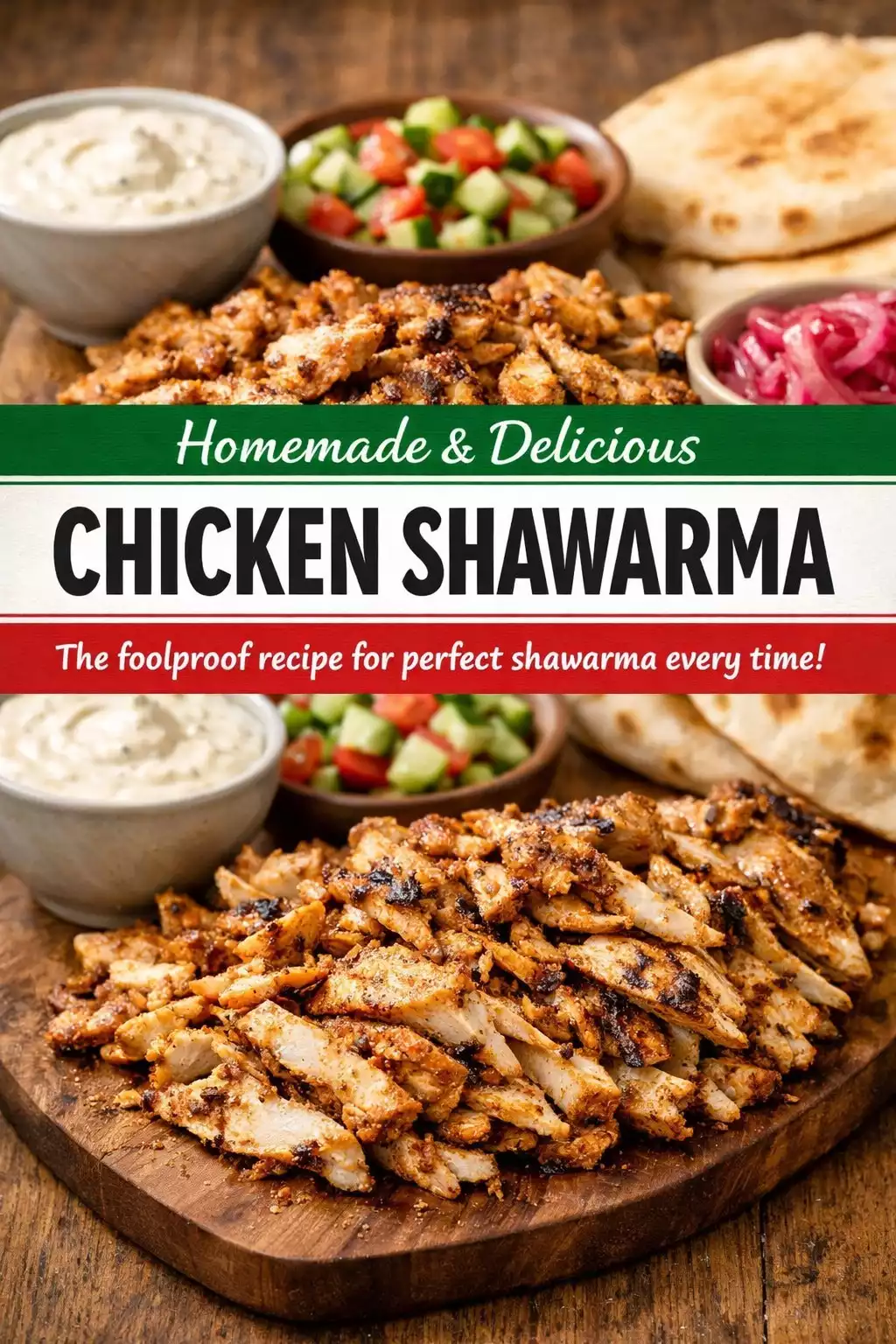
Pair with the Lebanese Tabbouleh, the fragrant Persian Herb Rice (Sabzi Polo), the Chicken Shawarma, or the Shakshuka for a full Middle Eastern spread.
Storage & Reheating
- Refrigerator: Cooked falafel keeps for 4 days. The exterior loses crispness, but the flavor remains excellent.
- Freezer: Freeze cooked falafel for up to 3 months. Reheat from frozen in a 375°F oven for 12–15 minutes to restore crispness.
- Uncooked mix: The falafel mixture keeps in the refrigerator for up to 2 days before frying. Great for making ahead and frying fresh.
- Reheating: Oven or air fryer only. Microwaving makes them soft and steamed. They deserve better.
Frequently Asked Questions
Can I use a different bean instead of chickpeas?
Fava beans (broad beans) are the traditional Egyptian base for falafel — they give a slightly stronger, earthier flavor. A 50/50 blend of dried fava beans and dried chickpeas is the classic Levantine version. Other beans generally don’t have the right starch composition for proper falafel texture.
My falafel falls apart in the oil. What’s wrong?
Almost always one of three things: too much moisture in the mix, not enough flour as a binder, or the oil wasn’t hot enough to set the exterior quickly. Check all three. Add flour a tablespoon at a time, make sure you squeezed every drop of water from the herbs, and verify oil temp is 350°F before adding each batch.
How fine should I grind the mixture?
Think coarse cornmeal or very wet sand. You should be able to see distinct herb flecks and tiny chickpea fragments. If it looks like hummus, it’s gone too far. The key distinction: hummus is smooth and creamy because it’s designed to be a paste. Falafel mix needs structure.
What’s the best oil for frying falafel?
Neutral oils with high smoke points work best: vegetable oil, sunflower oil, canola oil. Avoid olive oil — its smoke point is too low for the temperatures needed and the flavor doesn’t complement falafel the way it does raw applications.