I‘ll fight anyone who says this needs to be complicated. Lebanese Tabbouleh is three things: the freshest possible herbs, properly prepared bulgur, and a lemon-olive oil dressing that doesn’t hold back. That’s it. There are no tricks, no secret ingredients, no special technique that takes years to master. What it requires is good produce, proper ratios, and the willingness to actually wash and dry herbs correctly. Wet herbs make wet tabbouleh. That’s the entire reason most homemade versions disappoint.
In authentic Lebanese tabbouleh, the herb is the hero and the grain is the supporting character. Most Americanized versions flip this — grain-heavy, herb-sparse, and missing the bright, almost sharp freshness that makes the real thing so addictive. Get the parsley-to-bulgur ratio right and everything else falls into place.
Why This Lebanese Tabbouleh Works
- Herbs first: Flat-leaf parsley and fresh mint dominate this dish. The bulgur is a supporting element — roughly 1 cup herbs to every 3 tbsp grain.
- Fine bulgur soaked, not cooked: Fine bulgur (#1 grade) needs only cold water soaking, not cooking. This preserves the right chewy texture without making it soft or mushy.
- Tomatoes salted and drained: Salting diced tomatoes draws out excess moisture before adding them to the salad. Keeps the tabbouleh from turning soupy.
- Lemon-forward dressing: Real tabbouleh leans heavily on lemon juice. The olive oil is secondary. If it tastes flat, add more lemon.
- Resting time: Letting the assembled salad rest 15–30 minutes allows the flavors to meld and the bulgur to absorb the dressing.
Ingredients
The Salad
- 2 large bunches flat-leaf parsley (about 4 cups chopped)
- ½ cup fresh mint leaves, finely chopped
- 3 tbsp fine bulgur wheat (#1 grade)
- 2 medium tomatoes, finely diced
- 4 green onions (scallions), finely chopped
- Optional: ½ English cucumber, finely diced
The Dressing
- ¼ cup fresh lemon juice (2 large lemons)
- 3 tbsp extra virgin olive oil
- ½ tsp salt (or to taste)
- ¼ tsp black pepper
- Optional: pinch of cinnamon or allspice (traditional Lebanese addition)
Instructions
Step 1: Prepare the Bulgur
Place fine bulgur in a small bowl. Add just enough cold water to cover by about ¼ inch. Let soak for 20–25 minutes until tender and all water is absorbed. Fluff with a fork. If any excess water remains, drain through a fine mesh strainer and squeeze gently. The bulgur should be tender but not mushy — it has a slight chew. Do not cook it on the stove.
Step 2: Salt the Tomatoes
Dice tomatoes finely — about ¼ inch pieces. Place in a colander, sprinkle lightly with salt, toss, and let drain for 10–15 minutes. This draws out the excess moisture that would otherwise pool at the bottom of your salad. Pat dry with paper towels after draining.
Step 3: Prepare the Herbs
Wash parsley and mint thoroughly in cold water. Shake off water and spread on a clean kitchen towel or paper towels to dry completely. Wet herbs dilute the dressing and make the salad watery — this step matters. Once dry, remove large parsley stems (a few thin stems are fine) and chop finely with a sharp knife. Don’t use a food processor — it bruises the herbs and turns them dark. Finely chop the mint as well.
Step 4: Assemble and Dress
Combine parsley, mint, bulgur, drained tomatoes, and green onions in a large bowl. In a small bowl, whisk lemon juice, olive oil, salt, pepper, and optional spices. Pour dressing over salad and toss gently but thoroughly. Taste and adjust — more lemon if it needs brightness, more salt if it tastes flat, more olive oil if it needs body. Let the assembled salad rest 15–30 minutes before serving. The flavors meld significantly during this time.
Tips & Common Mistakes
- Too much bulgur: This is the most common mistake in Western versions. The grain should not be the dominant element. If your tabbouleh looks mostly beige, you’ve used too much bulgur and not enough herbs.
- Wet herbs: Dry them completely. Paper towels, salad spinner, both if needed. Water on the herbs is the enemy of a properly dressed salad.
- Wrong bulgur: Use fine (#1) bulgur. Medium or coarse bulgur needs cooking and won’t absorb the dressing properly. Fine bulgur is designed for salads like this.
- Under-lemoned: Lebanese tabbouleh is aggressively lemon-forward. If the flavor seems muted, add more lemon before adding more salt. The acid is what makes it taste alive.
- Don’t make too far ahead: More than 2 hours and the parsley starts to wilt. Best made within an hour of serving, though the resting time (15–30 min) is beneficial.
Variations
- Quinoa tabbouleh: Replace bulgur with cooked, cooled quinoa for a gluten-free version. Increases protein significantly. The flavor profile is different but works well with the herb-forward dressing.
- More vegetal: Add finely diced cucumber for freshness and crunch. Some Lebanese versions include it; others consider it non-traditional. Either way, it’s delicious.
- Pomegranate tabbouleh: Add ¼ cup fresh pomegranate seeds just before serving. The sweet-tart pop against the lemon dressing is exceptional.
- Grain-free: Skip the bulgur entirely and increase herbs. Pure herb salad, dressed with lemon and oil. Extremely fresh, extremely light.
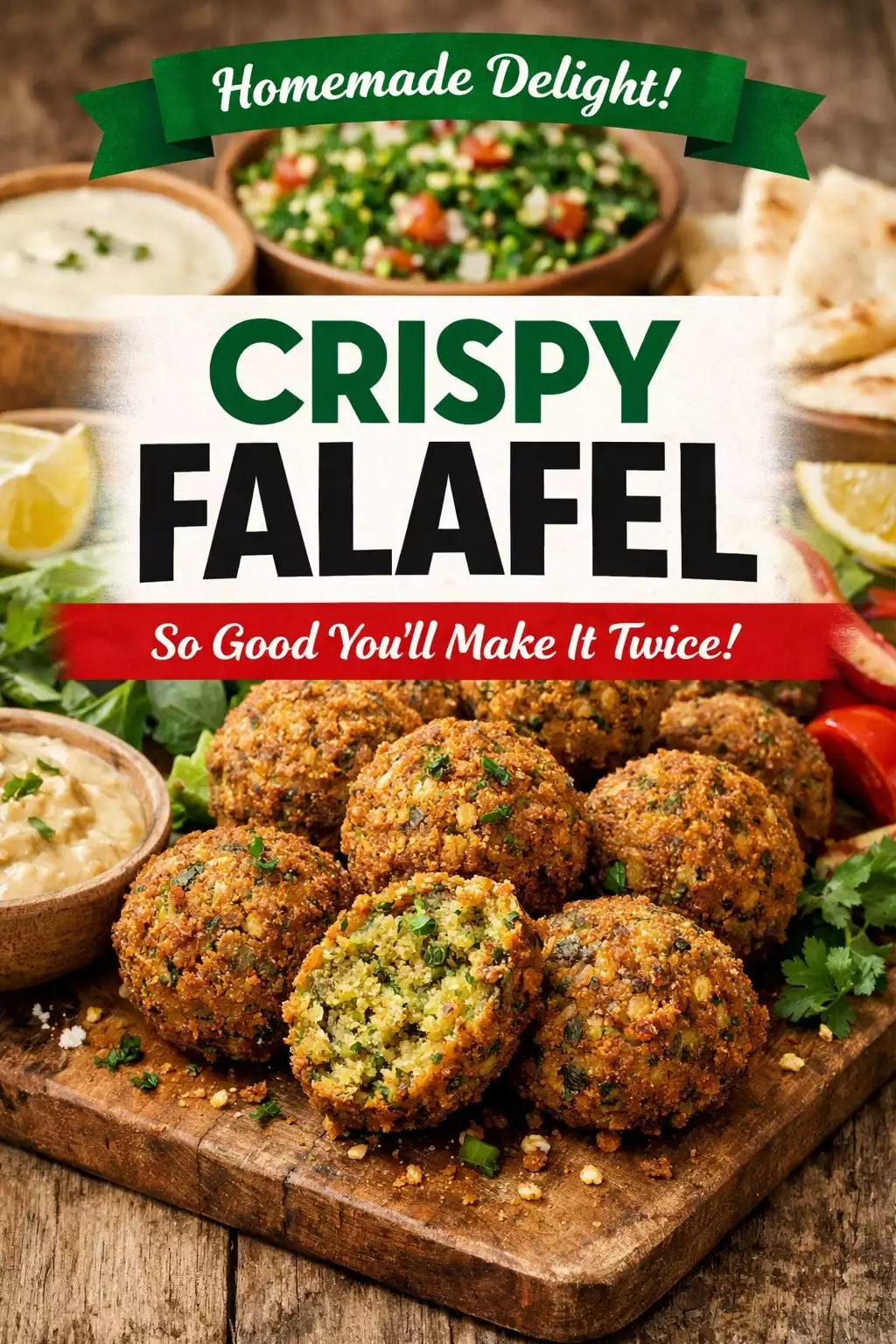
Tabbouleh belongs on the table with the Crispy Falafel, the Persian Herb Rice (Sabzi Polo), and the Shakshuka. For a centerpiece, add the Chicken Shawarma and a bowl of Mansaf (Jordanian Lamb Rice).
Storage
- Best fresh: Tabbouleh is at its peak the day it’s made. Serve within 2 hours of assembly for best texture.
- Refrigerator: Keeps for 1–2 days, though the parsley wilts and the salad becomes slightly soggy. Still tastes good, just doesn’t have the same fresh texture.
- Make-ahead strategy: Prepare components separately — bulgur, herbs, tomatoes, and dressing — and store apart. Combine and dress 30 minutes before serving. Best approach for meal prep.
Frequently Asked Questions
Can I use couscous instead of bulgur?
It won’t be traditional, but couscous (especially fine grain) works reasonably well as a substitute. Prepare per package instructions, cool completely, and drain any excess moisture before using. The texture is lighter and less chewy than bulgur.
What type of parsley should I use?
Flat-leaf (Italian) parsley only. Curly parsley has a bitter, astringent quality and a texture that doesn’t work for tabbouleh. Flat-leaf is brighter, cleaner in flavor, and chops more easily. Non-negotiable.
Do I have to include mint?
Mint is traditional and adds a cooling, bright note that balances the parsley. If you strongly dislike mint, reduce it or omit it. The tabbouleh will still be good. But if you’ve never tried it with mint, try it with mint first before deciding to skip it.
How much tabbouleh does this recipe make?
This recipe serves 4–6 as a side dish. For a larger crowd, scale up proportionally. Tabbouleh is one of the easier recipes to multiply — just maintain the parsley-to-bulgur ratio and taste the dressing before adding to the full batch.