This isn’t the fancy restaurant version. This is the real one. Shakshuka — eggs poached directly in a spiced tomato sauce — is one of the most satisfying one-pan meals in existence, and it costs almost nothing to make. I’ve had shakshuka in Tel Aviv, in Tunis, in a Jersey diner that somehow found its way onto the menu in 2018. The best version I ever ate was made in someone’s apartment at 11 PM with whatever was left in the kitchen. Two cans of tomatoes, some wilting peppers, eggs, and a cook who knew what they were doing. That’s the dish. Don’t overthink it.
The sauce is everything. A well-built, deeply flavored tomato-pepper base that’s been cooked down until thick and jammy. The eggs poach right in it, absorbing the flavor as they set. Serve from the pan with good bread for scooping. That’s the whole meal.
Why This Shakshuka Works
- Building the sauce properly: Caramelized onions and peppers, bloomed spices, properly reduced tomatoes — each step concentrates flavor before the eggs go in.
- Canned whole tomatoes over fresh: Good quality canned whole tomatoes (San Marzano if available) are more consistently flavorful than out-of-season fresh tomatoes. Crush them by hand for better texture than machine-diced.
- Sauce thickness: The sauce must be thick enough to create wells for the eggs — too thin and the whites spread out and don’t set properly. Cook it down until it holds a spoon impression.
- Covering while cooking eggs: The lid traps steam that cooks the top of the yolks gently while the bottom cooks in the sauce. This is how you get perfectly set whites with still-runny yolks.
- Serving immediately: Eggs continue cooking from residual heat. Pull the pan off when the whites are just barely set. They’ll be perfect by the time you hit the table.
Ingredients
The Sauce
- 3 tbsp olive oil
- 1 large onion, finely diced
- 1 red bell pepper, finely diced
- 1 green bell pepper, finely diced
- 5 garlic cloves, minced
- 1 can (28 oz) whole peeled tomatoes, crushed by hand
- 2 tbsp tomato paste
The Spices
- 1½ tsp cumin
- 1 tsp sweet paprika
- ½ tsp smoked paprika
- ½ tsp coriander
- ¼ tsp turmeric
- ¼ tsp cayenne (optional, for heat)
- Salt and black pepper to taste
The Eggs and Finish
- 5–6 large eggs
- ¼ cup crumbled feta cheese (optional)
- Fresh parsley or cilantro, chopped
- Good crusty bread or pita for serving
Instructions
Step 1: Build the Base
Heat olive oil in a large, wide skillet or cast iron pan over medium heat. Add onion and both peppers. Cook, stirring occasionally, for 10–12 minutes until softened and beginning to caramelize at the edges. Add garlic and cook another 2 minutes. Add all spices and stir for 1 minute to bloom in the oil.
Step 2: Build the Sauce
Add tomato paste and stir into the vegetables, cooking for 2 minutes. Add the crushed canned tomatoes (with all their juice) and stir to combine. Season with salt and black pepper. Bring to a simmer and cook uncovered for 15–20 minutes, stirring occasionally, until the sauce is thick, jammy, and reduced by about a third. Taste and adjust seasoning — this is the moment to make it right. The sauce should be intensely flavored on its own before the eggs go in.
Step 3: Add the Eggs
Make 5–6 shallow wells in the sauce using the back of a spoon. Crack one egg into a small bowl, then slide it into a well — this gives you control and prevents broken yolks. Repeat with remaining eggs. Season the eggs lightly with salt and pepper. If using feta, crumble it over the sauce (not directly on egg yolks).
Step 4: Poach the Eggs
Cover the pan with a lid and cook over medium-low heat for 6–8 minutes for runny yolks, 9–10 minutes for firmer yolks. Check at 6 minutes — the whites should be fully set and opaque, yolks still slightly jiggly. Remove from heat immediately. The residual heat will continue cooking the eggs slightly. Scatter fresh herbs over the top and serve directly from the pan with plenty of bread.
Tips & Common Mistakes
- Sauce too thin: Thin sauce won’t hold the eggs in place and they spread too much. Cook the sauce longer uncovered until it’s genuinely thick. You want it to barely move when you tilt the pan.
- Overcooked eggs: This is the most common mistake. The eggs keep cooking after you remove the pan from heat. When the whites look almost set — a slight translucency at the very edge — they’re done. Off the heat.
- Crowded eggs: Don’t try to fit more eggs than fit comfortably. Crowded eggs merge and don’t set properly. Better to make two rounds than crowd one pan.
- Bloom your spices: Don’t add spices directly to the tomatoes. Cook them briefly in the oil with the vegetables first. This 60-second step dramatically increases flavor depth.
- Cast iron advantage: Cast iron distributes heat extremely evenly and holds temperature well during egg poaching. Best pan for this job.
Variations
- Green shakshuka: Swap tomato sauce for a spinach and tomatillo base. Add jalapeño, cilantro, and cumin. Completely different dish but equally excellent.
- Shakshuka with sausage: Brown crumbled merguez or chorizo in the pan first, remove, build sauce, add sausage back with the eggs. Heartier, meat-forward version.
- Turkish menemen: Add scrambled eggs (not whole eggs) directly into the sauce and stir constantly. Same spiced tomato base, completely different texture and approach.
- Masala shakshuka: Add garam masala, ginger, and turmeric to the base and top with paneer cubes alongside the eggs. Indian-inspired fusion that’s brilliant.
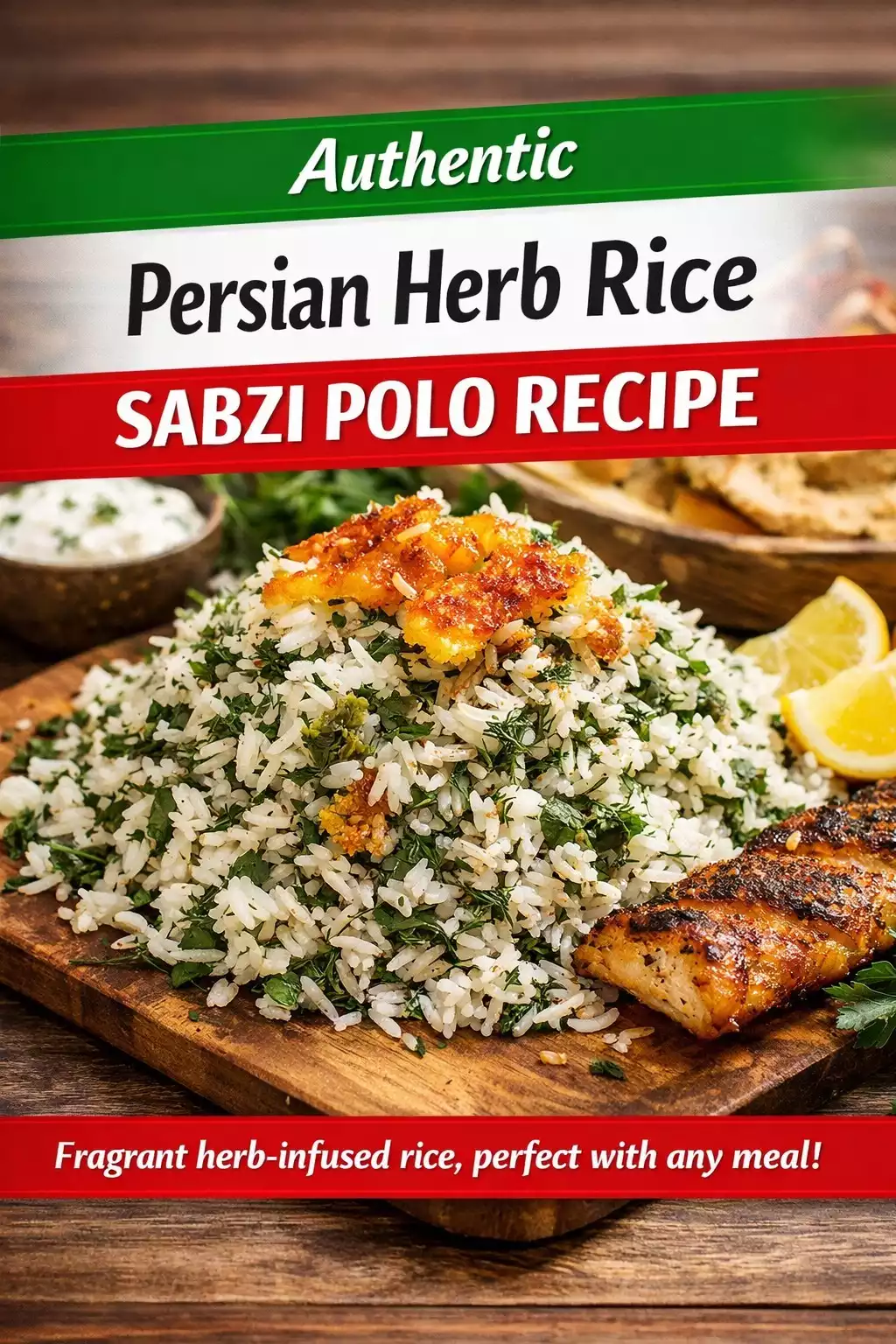
This is brilliant as part of a Middle Eastern brunch spread — serve alongside Crispy Falafel, Lebanese Tabbouleh, the Chicken Shawarma, and the Persian Herb Rice (Sabzi Polo).
Storage & Reheating
- Sauce only: The tomato-pepper sauce stores beautifully for up to 5 days in the refrigerator and freezes for 3 months. Make a big batch of sauce and poach fresh eggs each time.
- Cooked shakshuka: The cooked dish with eggs keeps 2 days but the eggs firm up significantly. The sauce is still excellent — just scramble the reheated eggs into the sauce rather than serving them whole.
- Reheating: Reheat sauce in a skillet over medium heat, then add fresh eggs. Far better than reheating already-cooked eggs.
Frequently Asked Questions
Is shakshuka breakfast or dinner?
Both. Neither. Shakshuka doesn’t follow rules. It’s traditionally a breakfast dish in the Middle East and North Africa. In Israel it’s a staple meal any time of day. In most Western contexts it appears at brunch. Make it whenever you want a satisfying, complete meal. There is no wrong answer.
Can I make the sauce ahead?
Yes, and it’s highly recommended. The sauce only gets better overnight. Make it up to 3 days ahead, refrigerate, then reheat and add fresh eggs when ready to serve. This is the ideal make-ahead approach for entertaining.
What kind of tomatoes should I use?
Whole canned San Marzano tomatoes crushed by hand give the best texture and flavor. Standard crushed canned tomatoes work well. Fresh tomatoes can be substituted in peak summer but need to cook longer and won’t have the same consistent flavor as good canned tomatoes in the off-season.
How do I keep yolks runny without undercooking the whites?
The lid is critical. The trapped steam cooks the top of the whites while the bottom cooks in the sauce. Without the lid, you’d need to choose between runny whites and set yolks. With the lid, you get both. Cook at medium-low — not low, not medium — and check at 6 minutes.