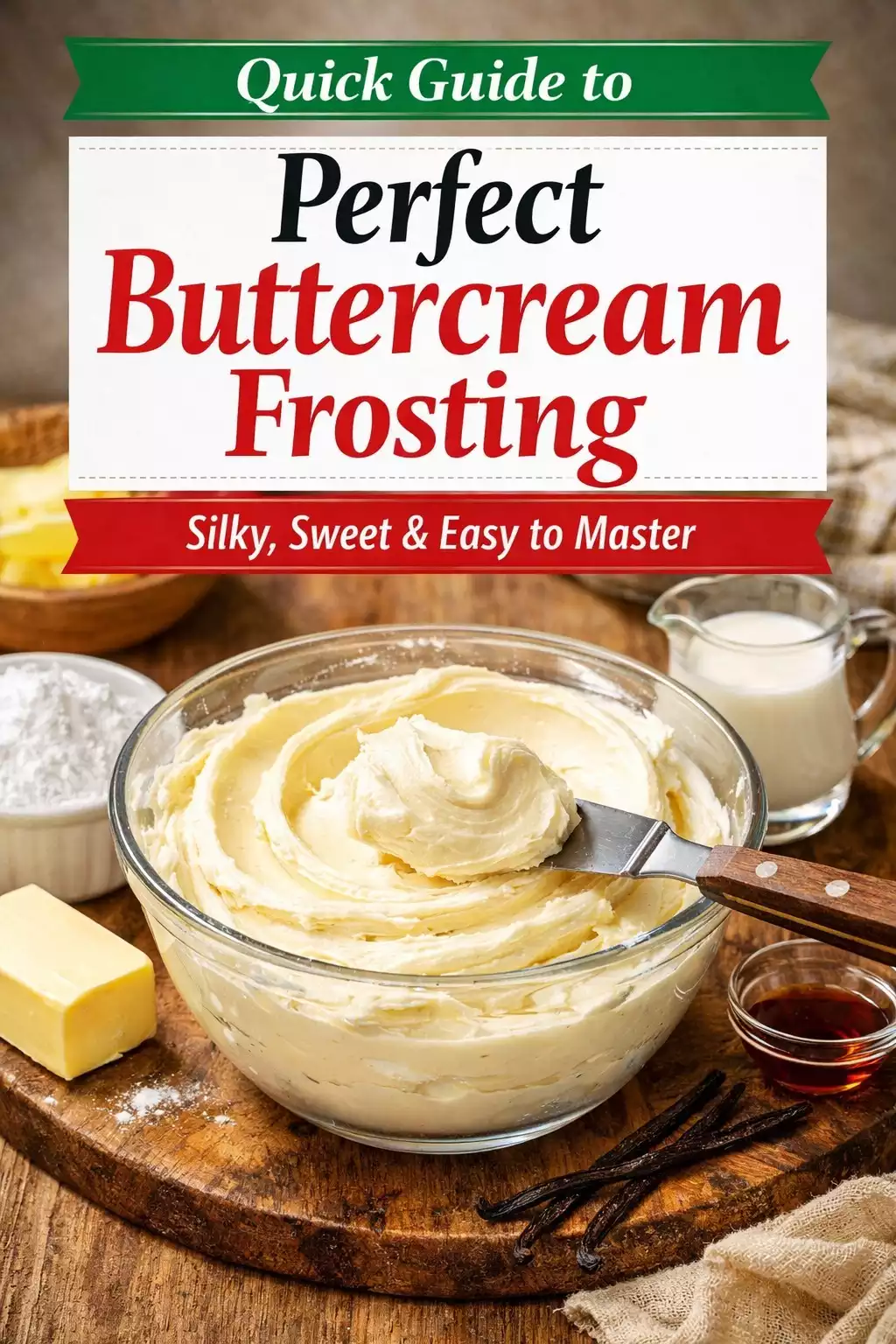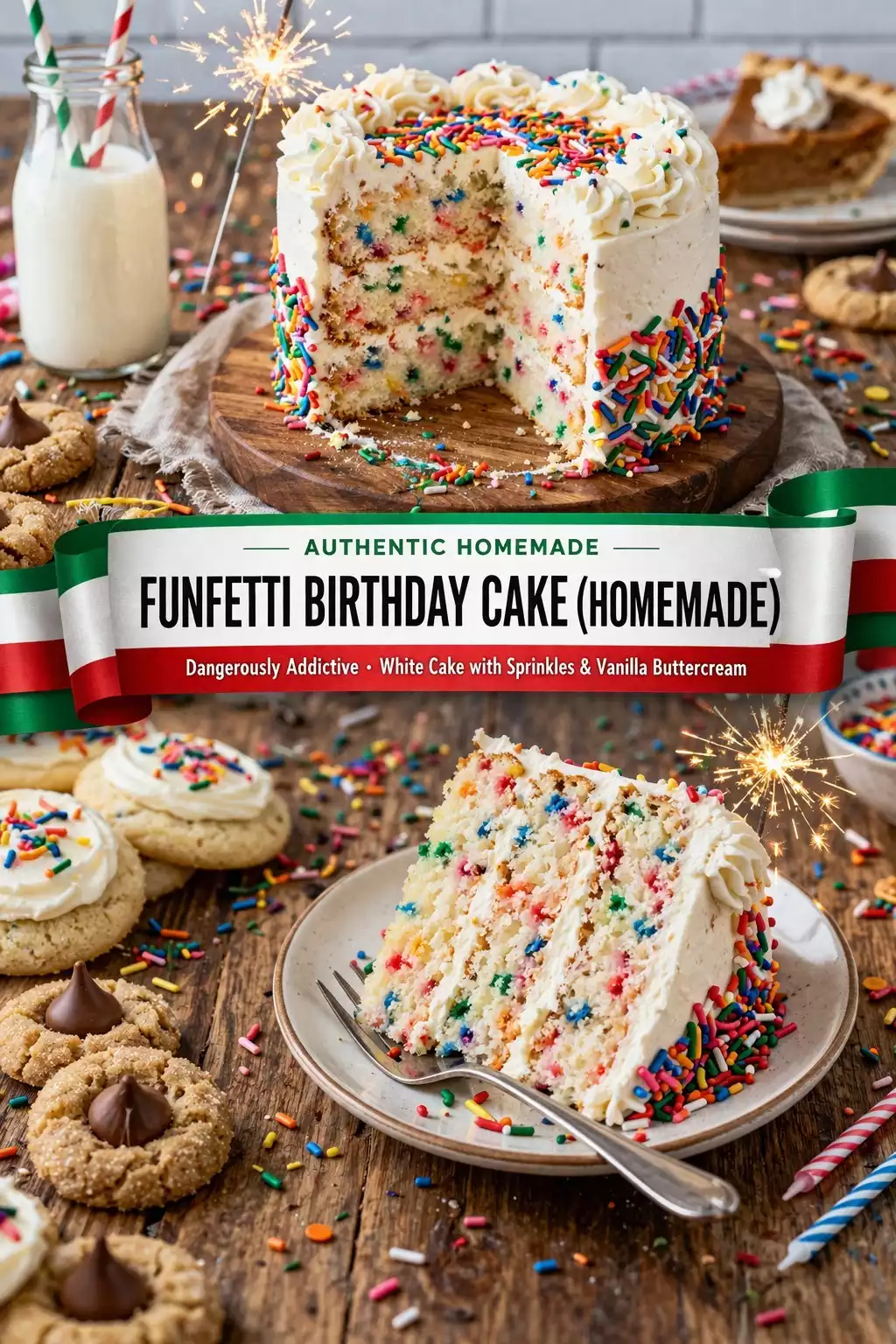
My nonna would’ve smacked me with a wooden spoon if I got this wrong. Not because she baked — she didn’t, particularly — but because the wooden spoon is her universal symbol for “you’re doing it wrong, pay attention.” Perfect Buttercream Frosting is one of those recipes that sounds simple and goes wrong in ways that are completely predictable and completely preventable. The butter is too cold. The sugar goes in too fast. The result is gritty or separated or heavy in a way that has nothing to do with the inherent nature of buttercream. Made correctly — room temperature butter, properly sifted sugar, the right ratio, enough mixing time — buttercream should be silky, spreadable, not too sweet, and light enough to pipe without any trouble. This is that version.
Why This Perfect Buttercream Works
- Room temperature butter: Butter must be genuinely soft — pressing a finger into it should leave a clean indent immediately. Cold butter won’t cream; it stays in separate lumps. Butter that’s too warm becomes oily. Room temperature (65–68°F) is the target.
- Sifted powdered sugar: Lumpy powdered sugar produces lumpy buttercream. Sifting takes 30 seconds and eliminates the problem entirely. Never skip it.
- Heavy cream for texture: Added tablespoon by tablespoon at the end, heavy cream lightens the texture and creates the spreadable, silky consistency that distinguishes a professional buttercream from a heavy, dense one.
- Long mixing time: 4–5 minutes of beating after adding the sugar isn’t excessive — it’s what incorporates air and creates the pale, fluffy texture. Under-mixed buttercream is dense and heavy.
- Pinch of salt: Counterintuitive but essential. A small amount of salt balances the sweetness and makes the butter flavor come forward. Without it, buttercream tastes flat and very sweet.
Ingredients
Perfect Buttercream Frosting
- 1 cup (2 sticks / 225g) unsalted butter, at room temperature
- 3–4 cups powdered sugar, sifted (start with 3, adjust)
- 3–4 tbsp heavy cream or whole milk
- 2 tsp pure vanilla extract
- Pinch of salt
Instructions
Step 1: Cream the Butter
Beat softened butter in a stand mixer or with a hand mixer on medium-high speed for 2–3 minutes until light, pale, and fluffy. The butter should increase slightly in volume and turn from yellow to a lighter, creamier color. This step aerates the butter and creates the foundation of a light buttercream. Don’t skip it by going straight to the sugar.
Step 2: Add Sugar
Add the sifted powdered sugar one cup at a time with the mixer on low speed (to prevent a sugar cloud). Once each cup is incorporated, increase to medium speed briefly before adding the next. After all sugar is added, add salt and vanilla extract. Beat on medium-high for 2 minutes until well combined.
Step 3: Add Cream and Finish
Add heavy cream one tablespoon at a time, beating well after each addition. Stop when the buttercream reaches your desired consistency — spreading-consistency (slightly looser) or piping-consistency (slightly firmer). Beat on high speed for 1 final minute. Taste and adjust — more vanilla, more salt, or a squeeze of lemon juice if it tastes too sweet.
Tips and Common Mistakes
- Gritty texture: Caused by under-sifted sugar or under-mixed buttercream. Sift every time. Mix long enough — 4–5 minutes total after the sugar is in.
- Too dense: Add heavy cream one tablespoon at a time until it lightens. Also check that the butter was genuinely room temperature before starting.
- Too sweet: Reduce powdered sugar slightly or add a few extra pinches of salt and a teaspoon of lemon juice. Lemon juice cuts perceived sweetness significantly without adding lemon flavor at small quantities.
- Air bubbles: Once the buttercream is made, switch to the paddle attachment (not whisk) on low speed for 1–2 minutes to knock out large air bubbles. Smooth, glossy buttercream for piping requires minimal air.
- Butter too warm: Oily, separated buttercream. Refrigerate the bowl for 10–15 minutes and re-beat. The butter will firm back up and the emulsion re-forms.
Variations
- Almond buttercream: Substitute almond extract for vanilla (use half the quantity — almond extract is potent). Outstanding on chocolate and yellow cake.
- Lemon buttercream: Replace 1 tbsp of heavy cream with fresh lemon juice and add 1 tsp lemon zest. Bright, tart, and beautiful on vanilla or berry cakes.
- Whipped cream cheese frosting: Add 4 oz of softened cream cheese to the butter and beat together before adding sugar. More tangy, less sweet, and significantly richer. See the Classic Cream Cheese Frosting for the full version.
Buttercream is a building block. Pair it with the Classic Cream Cheese Frosting and the Best Chocolate Frosting for the complete frosting arsenal.
Storage
- Room temperature: Buttercream keeps at room temperature for up to 2 days in a covered container if your kitchen is cool (under 70°F). The butter makes it temperature-sensitive.
- Refrigerator: Keeps for 2 weeks. Bring to room temperature and re-beat before using — cold buttercream is stiff and won’t spread smoothly.
- Freezer: Freezes for 3 months in an airtight container. Thaw in the refrigerator overnight, then bring to room temperature and re-beat until fluffy and spreadable.
Frequently Asked Questions
Why is my buttercream yellow?
Natural butter color, especially if made with high-fat European butter. To achieve a bright white buttercream, use a tiny drop of violet or blue food coloring — these cancel out the yellow tones. Also switching to clear imitation vanilla extract (instead of pure vanilla, which has a brown tint) helps for white frosting applications.
How much buttercream does this make?
This recipe makes enough to frost and fill a 2-layer 8-inch cake or frost a 9×13 sheet cake with some left over for piping. Double the recipe for a 3-layer cake with extensive piping decoration.
What’s the difference between American and Swiss meringue buttercream?
American buttercream (this recipe) is butter + powdered sugar. It’s the quickest, sweetest, and most stable version. Swiss meringue buttercream is made with cooked egg whites and butter — much less sweet, very silky, and more complex to make. Both have legitimate uses; American buttercream is the everyday choice for home bakers.
Can I make this dairy-free?
Yes. Substitute vegan butter (Earth Balance or Country Crock plant-based sticks work best) and use plant-based cream instead of dairy cream. The texture is slightly less stable at room temperature but the flavor is very close to the original. Chill the finished frosting slightly before piping.