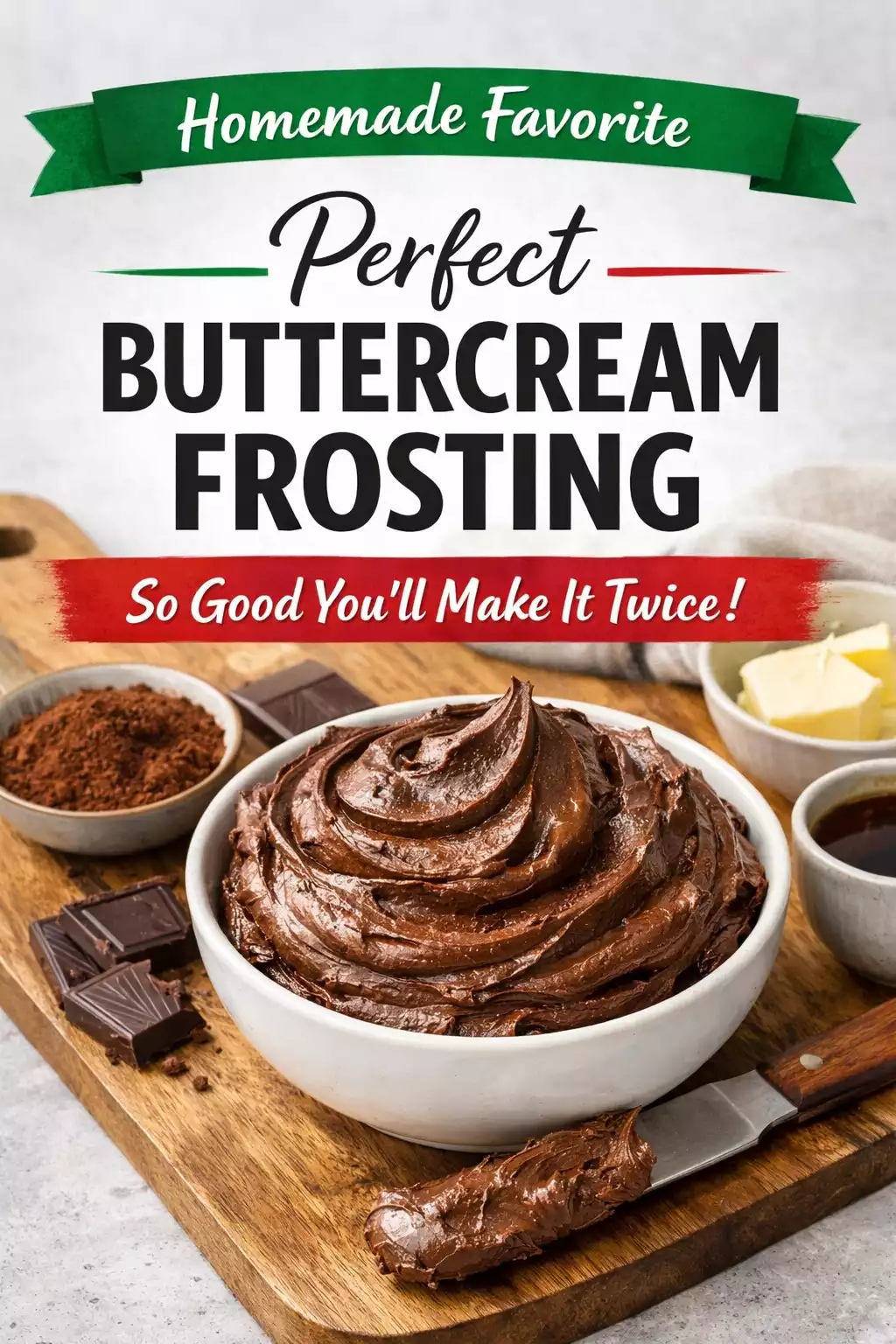
This is Jersey comfort food, and I won’t apologize for it. Best Chocolate Frosting — glossy, deeply chocolate, creamy, rich without being dense — is the version that every chocolate cake deserves but most recipes don’t deliver. The difference between an excellent chocolate frosting and an average one is the chocolate quality, the amount of cocoa, and the technique for making it spreadable without being heavy. I’ve seen chocolate frostings that taste of cocoa and sugar and nothing else. I’ve seen ones that are so dense they tear the cake when you try to spread them. This version is neither of those things. It’s what chocolate frosting is supposed to be.
Why This Chocolate Frosting Works
- Dutch-process cocoa: Has a deeper, darker, more intensely chocolate flavor than natural cocoa. Less acidic, smoother, and produces a darker colored frosting. Worth seeking out specifically for this application.
- Melted chocolate added to cocoa powder: The combination of cocoa powder and melted dark chocolate creates more complex chocolate flavor than either alone. The cocoa adds bitterness and depth; the melted chocolate adds richness and a glossy texture.
- Hot cream blooms the cocoa: Pouring hot cream over cocoa powder (rather than adding it cold) blooms the cocoa and dissolves it completely, preventing any grittiness in the finished frosting.
- Butter for richness and spreadability: Room temperature butter beaten into the frosting at the end creates a smooth, spreadable consistency that cocoa and powdered sugar alone can’t achieve.
- Coffee enhances chocolate: A small amount of espresso powder (or cooled strong coffee) amplifies chocolate flavor without making the frosting taste like coffee. This is the secret most great chocolate frostings use.
Ingredients
Best Chocolate Frosting
- 1 cup (2 sticks / 225g) unsalted butter, room temperature
- ½ cup Dutch-process cocoa powder, sifted
- 2 oz dark chocolate (70%), melted and cooled slightly
- 3 cups powdered sugar, sifted
- 4–5 tbsp heavy cream
- 2 tsp pure vanilla extract
- 1 tsp instant espresso powder (or 1 tbsp cooled strong coffee)
- Pinch of salt
Instructions
Step 1: Cream the Butter
Beat room-temperature butter on medium-high speed for 2–3 minutes until light and fluffy. The butter should be noticeably paler and airy. This creates the foundation of the frosting and is not a step to rush.
Step 2: Add Cocoa and Chocolate
With the mixer on low, add the sifted cocoa powder. Mix until fully combined — the mixture will look very thick and dark. Add the melted dark chocolate (cooled to near room temperature — not hot, which would melt the butter) and beat on medium until fully incorporated. The mixture should be deep chocolate brown and uniformly combined.
Step 3: Add Sugar and Finish
Add sifted powdered sugar one cup at a time on low speed. After each cup is incorporated, increase speed briefly before adding the next. Add vanilla, espresso powder, and salt. Add heavy cream one tablespoon at a time, beating well between additions, until the frosting reaches spreading or piping consistency. Beat on high for 1 final minute until completely smooth and glossy.
Tips and Common Mistakes
- Grainy texture: Cocoa not fully sifted, sugar not fully sifted, or insufficient mixing time. Sift both. Mix for the full time indicated. If still grainy, add another tablespoon of hot cream and beat vigorously.
- Too thick: Add cream one tablespoon at a time. Chocolate frosting thickens as it sits, especially if refrigerated. Always check and adjust consistency just before frosting the cake.
- Too bitter: Add an extra tablespoon of powdered sugar and a pinch more salt (salt paradoxically tames bitterness). Also check the chocolate percentage — very dark chocolate (85%+) can push the frosting toward bitter.
- Dull, flat chocolate flavor: The espresso powder is the upgrade that most homemade chocolate frostings lack. It doesn’t add coffee flavor — it amplifies the chocolate. Don’t skip it.
Variations
- Mocha frosting: Double the espresso powder and add 1 tablespoon of Kahlua or coffee liqueur. The coffee flavor comes forward and the chocolate takes a supporting role.
- Dark chocolate ganache frosting: Combine equal parts chopped dark chocolate and heavy cream. Melt, stir smooth, cool to room temperature. Beat with an electric mixer until lightened and fluffy. No butter, no powdered sugar. The most pure chocolate frosting possible.
- Milk chocolate version: Replace the dark chocolate with good quality milk chocolate and reduce the cocoa powder slightly. Sweeter, creamier, and beloved by anyone who prefers milk over dark.
Build the complete frosting collection with the Perfect Buttercream Frosting and the Classic Cream Cheese Frosting. Three frostings that cover every cake situation.
Storage
- Room temperature: Keeps for 1–2 days in a covered container in a cool kitchen (under 70°F).
- Refrigerator: Keeps for 2 weeks. Bring to room temperature and re-beat before using — chocolate frosting stiffens significantly when cold.
- Freezer: 3 months in an airtight container. Thaw in the refrigerator overnight, then room temperature for 30 minutes, then re-beat until spreadable and glossy.
Frequently Asked Questions
What’s the difference between Dutch-process and natural cocoa?
Dutch-process cocoa has been treated with an alkalizing agent to reduce acidity. This produces a darker color, smoother flavor, and less bitter taste. Natural cocoa (like Hershey’s) is more acidic and lighter in color. For frosting, Dutch-process produces a richer, darker result. Valrhona, Droste, and Bensdorp are all excellent Dutch-process options.
Can I make this without melted chocolate?
Yes. Use 100% cocoa powder instead of combining powder with melted chocolate. The result is still excellent — slightly less glossy and a bit drier in texture. Increase the heavy cream by 1–2 tablespoons to compensate for the moisture in melted chocolate.
How much frosting does this make?
Enough to generously frost a 2-layer 8-inch or 9-inch cake, including filling between layers. For a 3-layer cake or a heavily decorated cake, make 1.5x or double the recipe.
Why does my chocolate frosting turn gray after refrigeration?
Fat bloom — cocoa butter migrating to the surface and crystallizing. Covering the frosted cake with plastic wrap pressed directly against the surface prevents this. The gray color is cosmetic and doesn’t affect flavor. A brief time at room temperature allows the bloom to reabsorb and the color to return.