The first time I made this for my wife, she called her mother. And that’s saying something, because my mother-in-law has been cooking Southern food since before I was born. Authentic Jambalaya — real Cajun-style, not the boxed stuff — is one of the great one-pot meals. Rice cooked right in the pot with chicken, andouille, shrimp, and the Holy Trinity, absorbing every layer of flavor as it goes. When it’s done, the rice is brick-red and fragrant, each grain distinct and loaded with the essence of everything it cooked with.
The key distinction that most people miss is Cajun vs. Creole Jambalaya. Creole jambalaya includes tomatoes and produces a redder, slightly saucier dish. Cajun jambalaya is “brown jambalaya” — the tomatoes are omitted, the proteins are browned deeply, and the color comes entirely from caramelization and spices. Both are correct. The recipe I make is Cajun-style — brown, smoky, and unapologetic.
This is the jambalaya recipe that honors the Louisiana original. The best authentic jambalaya is a patience game — develop your flavors in the pot, then trust the rice. Don’t stir, don’t peek, don’t second-guess. The result justifies everything.
Why This Jambalaya Works
- Deep browning first — the sausage and chicken render and brown before anything else, building the fond (browned bits) that flavors everything
- Holy Trinity base — onion, celery, bell pepper in proper proportions; the aromatic foundation of all Cajun cooking
- Rice cooked in the pot — absorbs all the savory stock and spice; the rice isn’t a side dish, it’s the main event
- No stirring once rice is added — patience produces distinct grains; stirring makes paste
- Shrimp added at the very end — never overcooked; added 5 minutes before serving
Ingredients
Serves 6–8
- 12 oz andouille sausage, sliced into rounds
- 1 lb chicken thighs, boneless, cut into 1-inch pieces
- 1 lb large shrimp, peeled and deveined
- 2 tablespoons vegetable oil
- 1 large onion, diced
- 3 stalks celery, diced
- 1 large green bell pepper, diced
- 4 garlic cloves, minced
- 2 cups long-grain white rice (not parboiled)
- 2½ cups chicken stock
- 1 can (14 oz) diced tomatoes, drained (Creole style) OR omit for Cajun style
- 2 teaspoons Cajun seasoning
- 1 teaspoon smoked paprika
- 1 teaspoon dried thyme
- 1 teaspoon dried oregano
- ½ teaspoon cayenne pepper
- 2 bay leaves
- Salt and black pepper to taste
- Sliced scallions for garnish
How to Make Authentic Jambalaya
Step 1: Brown the Sausage and Chicken
Heat oil in a large, heavy-bottomed pot or Dutch oven over medium-high heat. Add andouille sausage and cook until browned, 3–4 minutes. Remove and set aside. Season chicken with salt, pepper, and a pinch of Cajun seasoning. Brown chicken in the same pot, 4–5 minutes per side. Remove and set aside. Don’t clean the pot — the browned bits are flavor.
Step 2: Cook the Trinity
Add onion, celery, and bell pepper to the pot. Cook over medium heat for 5–7 minutes, scraping up all the browned bits from the sausage and chicken. Add garlic and cook 1 minute more. The vegetables should be softened and fragrant.
Step 3: Add Spices and Rice
Add Cajun seasoning, smoked paprika, thyme, oregano, cayenne, and bay leaves. Stir to coat the vegetables. Add rice and stir to coat every grain with the spiced vegetables. Add chicken stock (and drained tomatoes if making Creole style). Return the browned chicken and sausage to the pot. Stir once to distribute everything evenly.
Step 4: Don’t Touch It
Bring to a boil, then immediately reduce heat to low. Cover tightly and cook for 25–30 minutes without stirring, without lifting the lid. The rice is cooking in the seasoned stock. Trust the process. Check for doneness at 25 minutes — the rice should be tender and have absorbed almost all the liquid.
Step 5: Add Shrimp and Finish
Nestle shrimp into the pot, pushing them gently into the rice. Replace the lid and cook on low for 5–7 more minutes until shrimp are pink and cooked through. Remove bay leaves. Taste for seasoning. Garnish with sliced scallions and serve from the pot.
Tips & Common Mistakes
- Don’t stir the rice — the single most common jambalaya mistake. Stirring breaks up the rice and releases starch, creating a sticky, paste-like texture. Cover it and leave it alone.
- Brown the proteins deeply — the browned bits (fond) on the bottom of the pot are what give Cajun jambalaya its characteristic deep flavor. Don’t rush this step.
- Use long-grain rice — not jasmine, not arborio, not parboiled. Standard long-grain white rice produces the best distinct-grain texture in jambalaya.
- Don’t over-salt early — the stock reduces as the rice cooks and concentrates the salt. Season at the end after tasting.
- Shrimp last — always. Shrimp added too early turns rubbery. Five to seven minutes from raw to done.
Variations
- Pure Cajun (Brown Jambalaya): No tomatoes at all. The color and flavor come entirely from the dark-browned proteins and spices. More intense, less sweet.
- Seafood Jambalaya: Omit chicken, add crab claws and oysters with the shrimp. Pure Gulf Coast.
- Vegetable Jambalaya: Omit all protein, add extra bell peppers, mushrooms, corn, and zucchini. Use vegetable stock. Substantial even without meat.
What to Pair With
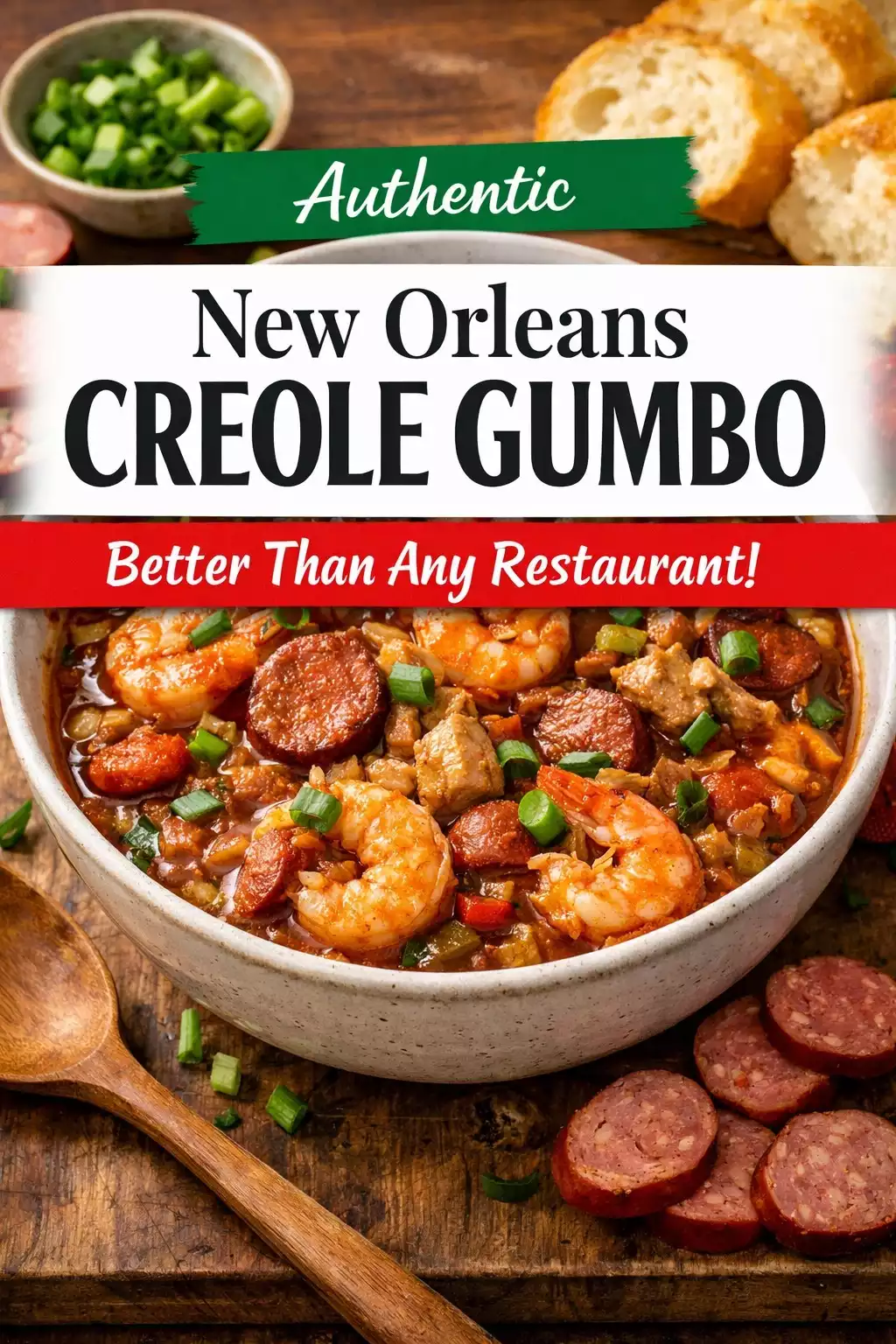
- A centerpiece alongside new orleans creole gumbo for a full Cajun feast
- Natural companion to chicken and andouille gumbo
- Pairs with louisiana red beans and rice for a Southern feast
- Serve with shrimp étouffée for the full Louisiana spread
- A natural companion to southern fried catfish
Storage & Reheating
- Refrigerator: Keeps well for 4–5 days. The rice absorbs more liquid as it sits and the flavors deepen.
- Reheating: Add a small splash of stock or water before reheating on the stovetop over low heat. Stir gently to prevent sticking. The rice will soften further but the flavor improves.
- Freezer: Freeze well-cooled portions in sealed containers for up to 3 months. Reheat from frozen with extra liquid.
Frequently Asked Questions
What’s the difference between Cajun and Creole jambalaya?
Tomatoes. Creole jambalaya (“red jambalaya”) includes canned tomatoes and reflects the urban New Orleans tradition. Cajun jambalaya (“brown jambalaya”) omits tomatoes — the color comes from browning. Both are authentic; the Cajun version is more common in rural Louisiana.
What’s the best rice for jambalaya?
Standard long-grain white rice. Not parboiled (it won’t absorb flavors properly), not jasmine (too fragrant), not short-grain (too sticky). Basic long-grain white rice cooked in the seasoned pot produces the correct texture and flavor absorption.
Can I make jambalaya without andouille?
Yes. Substitute smoked kielbasa or another smoked sausage. The flavor will be slightly different — less spicy, less distinctly Cajun — but the dish remains excellent. Andouille is ideal if available.
Can jambalaya be made ahead?
Yes — it actually improves overnight. Make the full recipe, refrigerate, and reheat with a splash of stock the next day. The flavors deepen significantly. Add fresh scallions and a splash of hot sauce when reheating for a brightness boost.
Why is my jambalaya mushy?
Too much stirring, too much liquid, or too much time on the heat. Use the exact liquid ratio, don’t stir after adding rice, and check for doneness at 25 minutes. Remove from heat as soon as the rice is tender and the liquid is absorbed.