You think you know this dish? Sit down. Let me show you. Roasted butternut squash is one of those vegetables that people have been getting half-right for years. They cut it, throw it in the oven, and pull it out when it’s soft. The end. And then they wonder why it tastes fine but not exceptional. The answer is the same answer it always is in my kitchen: you need to caramelize it. Not just cook it — caramelize it. Nutty, sweet, slightly charred edges. That’s the whole difference.
Butternut squash contains natural sugars that, under proper high heat, develop into something extraordinary. The caramelization process happens at the cut surface against the hot sheet pan. Which means the squash goes cut-side down, on a hot pan that was preheated, with good oil and proper seasoning. What comes out is golden-edged, sweet, slightly smoky, and genuinely hard to stop eating.
This is the butternut squash recipe that produces the best roasted butternut squash every time. Whether serving it as a simple side or building it into a larger dish, this technique is the foundation.
Why This Roasted Butternut Squash Works
- High heat (425°F) — initiates caramelization at the cut surface; low heat just softens without browning
- Cut side down on a hot pan — direct contact between the flesh and the hot surface is where the caramelization happens
- Generous oil — conducts heat to the surface and carries the browning; skimping produces pale, dry squash
- Salt before and after — draws out a small amount of surface moisture initially, then seasons the finished surface
- Optional additions — maple syrup, brown sugar, sage, or cinnamon all complement the natural sweetness
Ingredients
Serves 4
- 1 medium butternut squash (about 2–2.5 lbs)
- 2–3 tablespoons olive oil or melted butter
- 1 teaspoon kosher salt
- ½ teaspoon black pepper
- ½ teaspoon garlic powder (or 2 cloves minced garlic)
- Optional: 1 tablespoon maple syrup or brown sugar for sweet version
- Optional: fresh sage leaves, dried thyme, or smoked paprika
- Optional: grated Parmesan for finishing
How to Make Roasted Butternut Squash
Step 1: Prep the Squash
Preheat oven to 425°F. Cut the top and bottom off the squash. Peel with a vegetable peeler — go over each section 2–3 times until no green or fibrous skin remains. Cut in half lengthwise and scoop out the seeds with a spoon. Cut into 1-inch cubes, or leave in halves for a more dramatic presentation.
Step 2: Toss with Oil and Seasoning
Place squash on a large rimmed baking sheet. Add oil, salt, pepper, and any additional seasonings. Toss to coat thoroughly. Spread in a single layer — key detail. Crowded squash steams; spread squash caramelizes. Use two pans if needed.
Step 3: Roast and Flip
Roast for 20 minutes. Flip all pieces with a spatula — they should release easily from the pan if properly caramelized. Return to the oven for another 15–20 minutes until deep golden on the flip side and tender throughout when pierced. Total time: 35–40 minutes for cubed squash.
Step 4: Finish and Serve
Remove from oven. If adding Parmesan, add it immediately while hot. Taste for seasoning. Transfer to a platter. Serve warm.
Tips & Common Mistakes
- Don’t crowd the pan — squash steams when pieces touch. Single layer with space is mandatory for caramelization.
- High heat is required — 350°F roasts, 425°F caramelizes. The goal is caramelization.
- Don’t skip the flip — flipping halfway through ensures two caramelized sides rather than one caramelized bottom and one steamed top.
- Preheat the pan (optional but excellent) — a hot sheet pan in the oven for 10 minutes before adding the squash creates more immediate caramelization.
- Season generously — butternut squash is sweet, which means it needs more salt than you think to stay balanced.
Variations
- Maple Roasted Squash: Add 1 tablespoon maple syrup and ½ teaspoon cinnamon to the toss. Sweet, warm, and excellent for holiday tables.
- Savory Herb Squash: Add fresh sage leaves and a pinch of nutmeg. Finish with grated Parmesan. The classic Italian-American treatment — it might even make my grandmother proud.
- Spiced Squash: Add 1 teaspoon each of cumin, coriander, and a pinch of cayenne. A Middle Eastern-inspired direction that pairs beautifully with yogurt.
- Halved and Stuffed: Roast squash halves face-up, filled with a knob of butter, brown sugar, and cinnamon. Fill the cavity after 30 minutes and continue roasting 10 more minutes.
What to Pair With
- A natural companion to roasted acorn squash on a fall vegetable spread
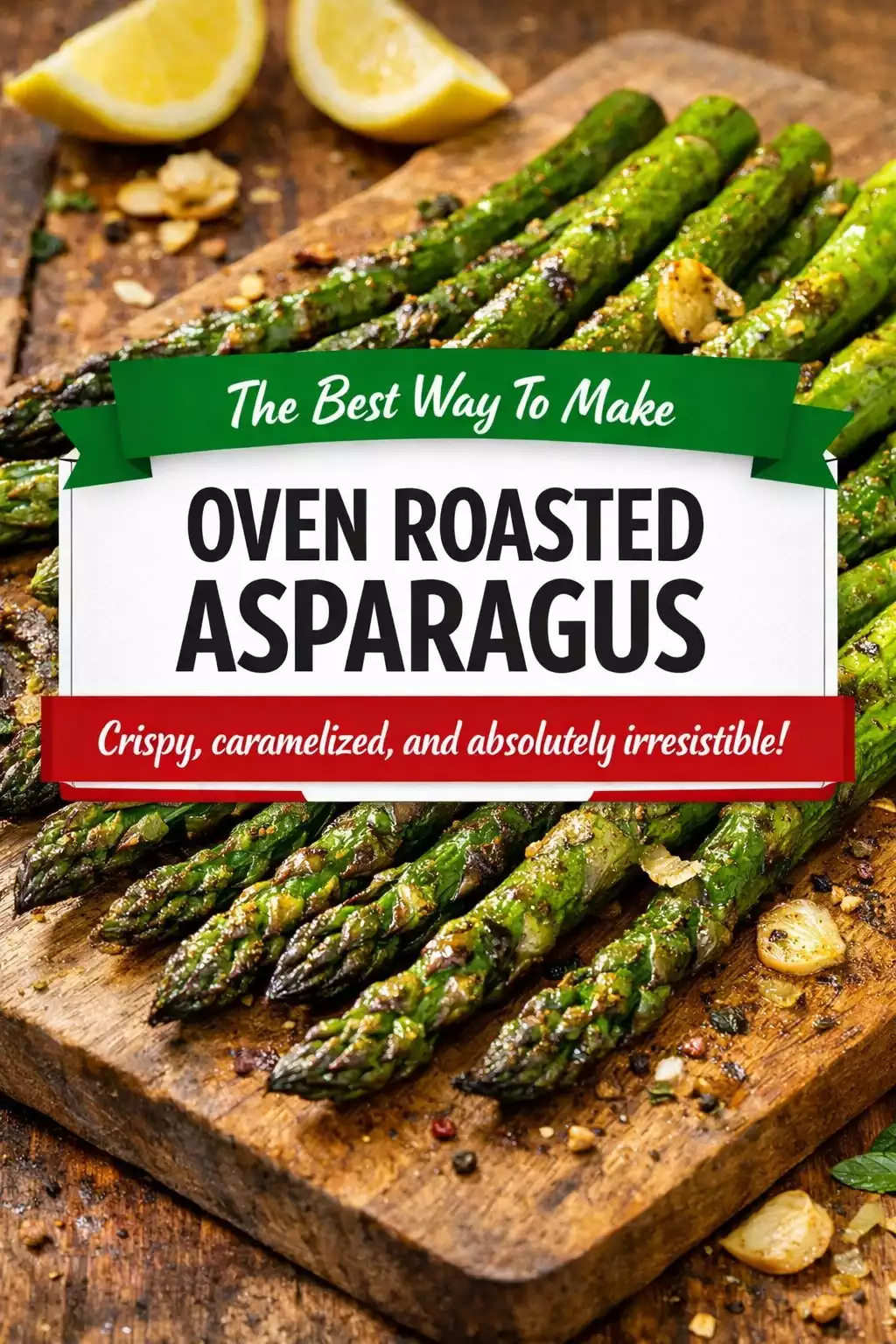
- Pairs beautifully with oven roasted asparagus as part of a roasted vegetable platter
- Natural companion to crispy roasted broccoli
- Serves as a perfect companion to honey glazed carrots
- Pairs with sautéed garlic green beans for a complete vegetable side spread
Storage
- Refrigerator: Store cooled roasted squash in an airtight container for up to 5 days.
- Reheat: Spread on a baking sheet at 400°F for 8–10 minutes to restore crispiness. Or reheat in a hot skillet with a splash of butter.
- Freeze: Spread cooked cubes on a baking sheet and freeze until solid, then transfer to a zip-top bag. Frozen roasted squash works well in soups and purees but loses the caramelized texture after thawing.
Frequently Asked Questions
How do I cut butternut squash safely?
Stability is the key. Cut a thin slice off both the top and bottom of the squash so it sits flat. Then cut in half lengthwise and proceed. Use a sharp, heavy knife — a dull knife is far more dangerous than a sharp one because you need to apply more force. If the squash is very hard, microwave whole for 2 minutes to soften the skin slightly.
Do I need to peel butternut squash before roasting?
For cubed roasted squash, yes. The skin is tough and unpleasant to eat. However, if roasting halves or large pieces where the flesh can be scooped away from the skin at the table, peeling is not required.
How do I know when roasted butternut squash is done?
It should be deep golden brown on at least one side, easily pierced with a fork, and the edges should have visible caramelization. Pale, soft squash is undercooked; it needs more time at heat.
Can I roast frozen butternut squash?
Frozen butternut squash releases significant moisture and doesn’t caramelize well. For best results, use fresh. If using frozen, thaw completely, drain, and pat very dry before roasting. Results will be softer than fresh but still acceptable.
What’s the difference between butternut and acorn squash?
Butternut is denser and starchier with a sweeter, more consistent flavor — better for purees, soups, and cubed preparations. Acorn is more fibrous with a slightly nuttier flavor and is typically served in its shell. Both roast beautifully but suit different applications.