This is the one my kids fight over. Every. Single. Time. Baby Bok Choy with Garlic is one of those side dishes that looks impressive, comes together in eight minutes, and tastes like you know exactly what you’re doing. The bok choy gets tender where it needs to be tender and has just enough char to carry the garlic and sesame. It’s clean food that doesn’t apologize for being simple.
I learned to cook bok choy properly from a Chinese-American cook I worked alongside in my catering years. She showed me the technique — halved, cut side down in a hot pan, leave it alone for two minutes to build the char, then flip and add the garlic and sauce. That sequence is everything. You build browning first, then add aromatics, then get out of the way. I’ve cooked it that way ever since, and every time someone tries it they ask how I made something so simple taste so good.
This is the bok choy recipe that produces the best baby bok choy with garlic every time. Wok-style heat in a regular skillet, proper charring, and a sauce that coats every leaf without drowning it.
Why This Bok Choy Works
- Very high heat — bok choy needs wok-level heat to char without becoming waterlogged; moderate heat just steams it
- Cut side down first — building char on the cut surface develops flavor before any liquid is added
- Garlic added after charring — prevents burning while ensuring the garlic cooks fully in the residual oil
- Minimal sauce — just enough to glaze without turning into a braise; bok choy shouldn’t be swimming
- Sesame oil at the finish — added off heat to preserve its aromatic oils; heated sesame oil loses complexity
Ingredients
Serves 4
- 4–6 heads baby bok choy, halved lengthwise through the core
- 2 tablespoons vegetable or canola oil (high smoke point)
- 4 garlic cloves, minced or thinly sliced
- 1-inch piece fresh ginger, minced (optional)
- 2 tablespoons soy sauce or tamari
- 1 tablespoon oyster sauce (optional, adds depth)
- 1 teaspoon sesame oil (for finishing)
- ½ teaspoon sugar or honey
- ¼ teaspoon red pepper flakes or chili oil (optional)
- Toasted sesame seeds for garnish
How to Make Baby Bok Choy with Garlic
Step 1: Prep the Bok Choy
Halve each baby bok choy through the stem, keeping the core intact so the leaves stay together. Rinse under cold water, paying attention to the base where grit collects. Dry thoroughly. Wet bok choy hitting a hot pan creates a steam explosion and drops the temperature immediately.
Step 2: Make the Sauce
In a small bowl, combine soy sauce, oyster sauce (if using), sugar, and 2 tablespoons of water. Mix to combine. Set aside. Having the sauce ready before the pan is hot is essential — things move fast once the bok choy hits the skillet.
Step 3: Char Cut Side Down
Heat a large skillet or wok over high heat until smoking. Add oil. Immediately add bok choy halves cut side down in a single layer. Don’t move them. Cook 2 minutes — the cut surface should be deeply browned and slightly charred. If it’s not browning, the pan isn’t hot enough.
Step 4: Flip, Add Aromatics and Sauce
Flip bok choy to cut side up. Add garlic (and ginger if using) to the pan around the bok choy. Stir the garlic in the oil for 30 seconds. Pour the sauce over and around the bok choy. Cover with a lid for 1–2 minutes until the stems are just tender when pierced with a fork. Remove from heat.
Step 5: Finish and Serve
Drizzle sesame oil over the bok choy off the heat. Taste the sauce — add a pinch more sugar if needed. Transfer to a platter with the sauce spooned over. Garnish with sesame seeds. Serve immediately.
Tips & Common Mistakes
- Use high-smoke-point oil — olive oil burns at wok temperatures. Use vegetable, canola, or peanut oil for this recipe.
- Dry the bok choy — water and superhot oil is a splattering hazard and prevents charring. Thorough drying is both safety and technique.
- Don’t move it while charring — the cut surface needs sustained contact with the hot pan to build browning. Moving it breaks the crust before it forms.
- Sesame oil off heat — sesame oil’s complex flavor compounds evaporate quickly under high heat. Always add as a finishing oil, not a cooking oil.
- Don’t overcook the stems — bok choy stems should be tender-crisp, not mushy. 1–2 minutes under the lid after flipping is enough.
Variations
- Spicy Version: Add a tablespoon of chili crisp or sambal oelek to the sauce. The heat works beautifully with the char.
- Ginger-Forward: Double the ginger, reduce garlic by half. More floral and warm; excellent with fish.
- Vegetarian: Omit oyster sauce (already vegetarian without it) and use extra soy sauce. Or substitute hoisin sauce for the oyster sauce for a sweeter, more complex vegetarian option.
- With Mushrooms: Add sliced shiitake mushrooms to the pan when you flip the bok choy. They cook in the same time and absorb the garlic-ginger sauce beautifully.
What to Pair With
- A bright partner to sautéed garlic green beans
- Natural companion to oven roasted asparagus on a vegetable side spread
- Pairs with roasted butternut squash for contrast of technique and flavor
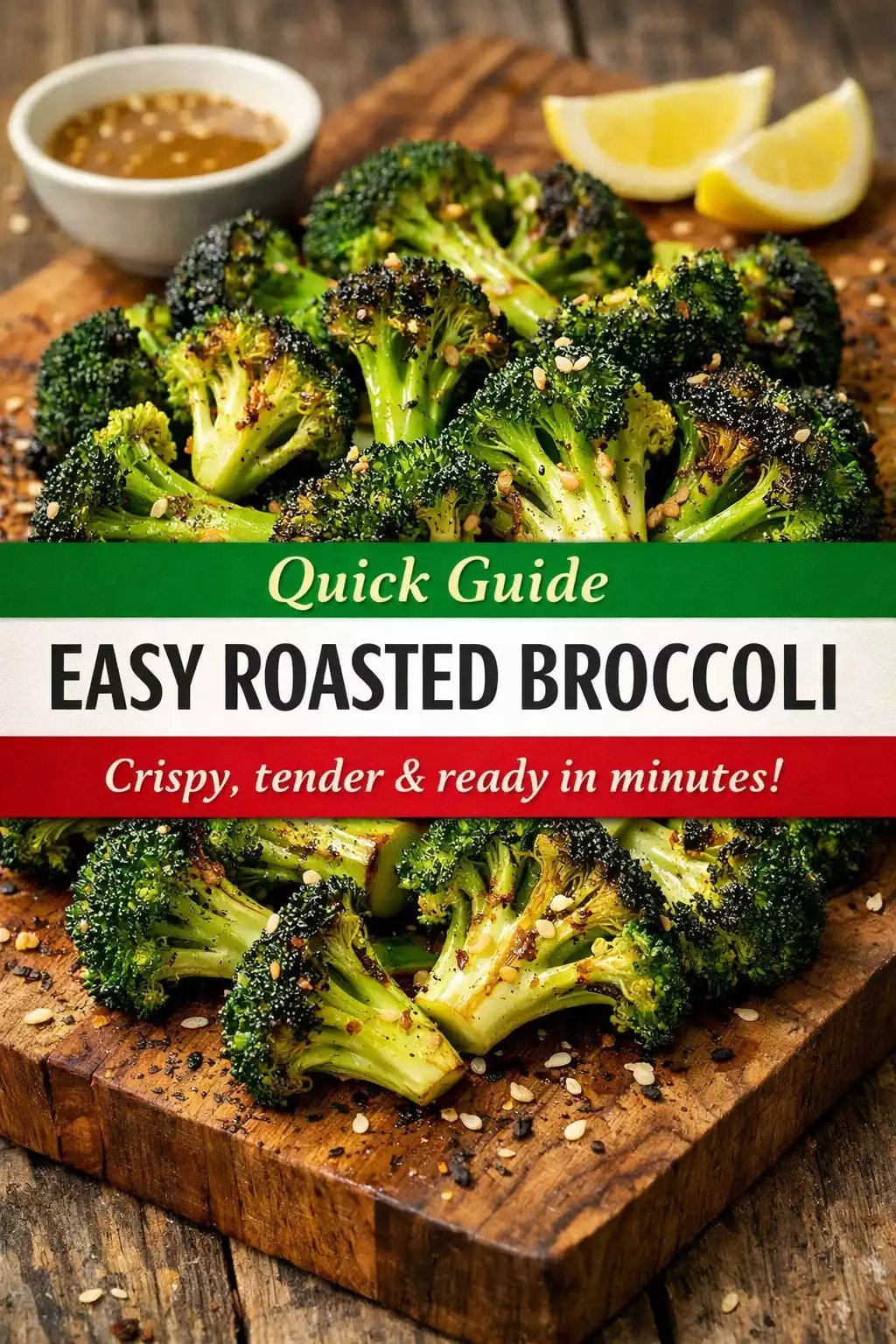
- Natural complement to crispy roasted broccoli
- A colorful partner to roasted acorn squash
Storage
- Best fresh: Baby bok choy is at its best immediately. The texture degrades significantly within an hour.
- Refrigerator: Store in a sealed container for up to 2 days. Good in stir-fries or fried rice as a reheating application where the softened texture is acceptable.
- Do not freeze: The high water content of bok choy makes freezing unworkable for this preparation.
Frequently Asked Questions
What’s the difference between baby bok choy and regular bok choy?
Baby bok choy is harvested young and is more tender throughout, including the stems. Regular bok choy is larger and the stems are more fibrous, requiring longer cooking. For sautéing whole halves, baby bok choy is ideal — the stems and leaves cook in the same time.
Can I use regular bok choy for this recipe?
Yes, but separate the stalks from the leaves. Cook the stalks first (they take longer), then add the leaves for the final minute. The whole-halved technique only works with baby bok choy.
Do I need a wok for this recipe?
No. A large, heavy skillet (cast iron or stainless steel) works perfectly. The key is getting it very hot — the char happens at the pan surface regardless of the vessel shape. A wok gives better heat distribution if you have one.
Why does my bok choy get watery when cooked?
The pan wasn’t hot enough. Bok choy releases water as it cooks — a properly superheated pan evaporates that water immediately. A moderately warm pan cannot evaporate the water fast enough and the bok choy ends up braising in its own moisture instead of searing.
Can I make this without oyster sauce?
Yes. Oyster sauce adds depth and slight sweetness but is not essential. Substitute with an additional tablespoon of soy sauce plus a teaspoon of sugar, or use hoisin sauce for a different but excellent flavor profile.