Don’t rush this. Good food doesn’t have a timer — and yes, I know this takes about eight minutes start to finish. What I mean is that every ingredient here matters and every shortcut will cost you in the result. Edible Cookie Dough is one of those recipes that sounds like a gimmick until you taste a properly made batch — heat-treated flour, actual brown butter, good vanilla, and a generous hand with the salt — and then you realize this is a legitimate dessert, not an Instagram trend.
The thing most people get wrong with edible cookie dough is not treating it like real food. They skip the flour treatment, they use margarine, they under-salt it. And then they wonder why it tastes like paste. Treat this like a real recipe — because it is one — and you’ll get something that genuinely rivals baked cookie dough in satisfaction, with none of the raw egg concern and about a tenth of the effort.
I first started making this when my grandkids started asking for cookie dough every time we made actual cookies. Instead of risking the raw eggs, I built a version that was as good as the real thing — maybe better in some ways, because you can eat the whole bowl without sharing it with the oven. They’re still asking for it at every visit. Some things just stick.
Why This Edible Cookie Dough Recipe Works
- Heat-treated flour — Raw flour can contain bacteria. Toasting it briefly in the oven or microwave eliminates that risk without changing the texture. It also gives the flour a slightly nutty depth that enhances the overall flavor.
- Brown butter — Browning the butter before cooling creates a nutty, caramel-like depth that regular melted butter cannot match. This is the step that makes homemade edible dough taste better than store-bought.
- Both sugars — Granulated sugar for structure and sweetness; brown sugar for moisture, chewiness, and a molasses note that tastes like a real cookie. Using only one or the other produces a less complex result.
- Splash of milk — A tablespoon of milk creates the right consistency — scoopable, not crumbly, not sticky. Too much and it gets wet; too little and it powders. The milk also brings all the ingredients together into a cohesive dough.
Ingredients
For the Edible Cookie Dough
- 1 cup all-purpose flour, heat-treated (see instructions)
- ½ cup unsalted butter (1 stick)
- ½ cup granulated sugar
- ¼ cup packed light brown sugar
- 2 tablespoons whole milk
- 1½ teaspoons pure vanilla extract
- ½ teaspoon fine sea salt
- ¾ cup semi-sweet mini chocolate chips
Instructions
Step 1: Heat-Treat the Flour
Spread flour on a baking sheet and bake at 350°F for 5 minutes, stirring once. Let cool completely. Alternatively, microwave in a microwave-safe bowl on high for 1 minute, stirring every 20 seconds, until it reaches 165°F. Cool before using. Heat-treated flour tastes slightly nutty and smells faintly toasted — both good signs. Don’t use raw flour for this recipe.
Step 2: Brown the Butter
In a small saucepan over medium heat, melt the butter and continue cooking, swirling the pan occasionally. The butter will foam, then the foam will subside, and golden-brown specks will appear on the bottom of the pan — that’s the milk solids browning. It will smell nutty and toasty. Remove from heat immediately and pour into a large mixing bowl. Let cool until no longer warm to the touch, about 20 minutes. The butter can also be refrigerated for 15 minutes to speed this up.
Step 3: Mix the Dough
Add both sugars to the cooled brown butter and stir vigorously until combined. Add vanilla, milk, and salt. Stir again. Add the heat-treated, cooled flour and stir until a dough forms — it should pull together into a cohesive, slightly crumbly ball that becomes smooth as you work it. If it’s too dry, add milk one teaspoon at a time. Fold in chocolate chips last.
Step 4: Taste and Adjust
Taste the dough. Add more salt if it tastes flat — this is the most common thing to adjust in edible cookie dough. A pinch more salt can completely transform the flavor from sweet-and-one-dimensional to complex and balanced. Adjust vanilla too if it needs brightening.
Step 5: Serve or Chill
Scoop into bowls and serve immediately at room temperature, or roll into balls and refrigerate for 30 minutes for a firmer, more scoop-friendly texture. Serve as is, over ice cream, or in a bowl topped with a drizzle of warm caramel. This dough is also excellent stuffed into brownies or used as a filling in sandwich cookies.
Tips & Common Mistakes
- Cool the brown butter completely: Warm butter added to sugar makes the dough greasy and loose. Let it cool to room temperature (or fridge-cool it) before mixing. This is the most common step people rush.
- Don’t skip the salt: This is a sweet recipe that needs salt to balance. ½ teaspoon might sound like a lot — it’s correct. If the dough tastes flat after mixing, add more salt before anything else.
- Use mini chips, not regular size: Mini chocolate chips distribute more evenly throughout the dough and don’t dominate individual bites. Regular chips are too large relative to the amount of dough in each spoonful.
- Cool the flour completely: Hot flour added to the brown butter will melt the fat and make the dough greasy. Let both components reach room temperature before combining.
- Don’t overbake the flour: Five minutes at 350°F is the target. Longer and the flour starts to taste burnt and can make the dough bitter.
Variations Worth Trying
- Peanut Butter Cookie Dough: Replace 3 tablespoons of butter with 3 tablespoons of creamy peanut butter. Add a tablespoon of powdered sugar to compensate for the peanut butter’s fat. Mix in peanut butter chips and a pinch of fleur de sel on top.
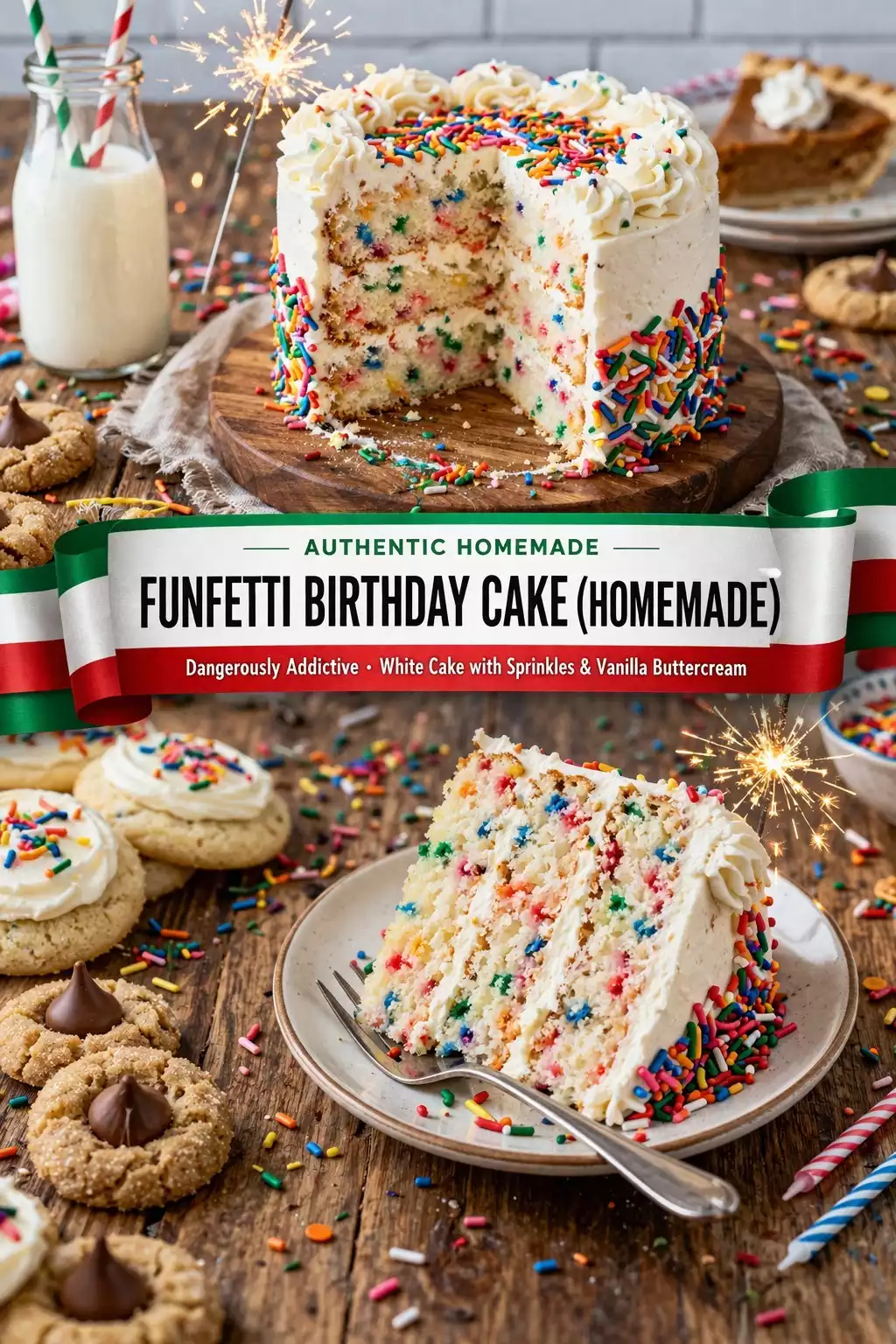
- Funfetti Cookie Dough: Substitute sprinkles for the chocolate chips. Add a drop of almond extract with the vanilla. This is the version that makes children lose their minds entirely.
- M&M Cookie Dough: Fold in mini M&Ms instead of (or in addition to) chocolate chips. The candy coating adds a slight crunch and visual appeal that makes it party-ready.
- Oatmeal Cookie Dough: Add ½ cup of old-fashioned oats and swap semi-sweet chips for raisins and cinnamon. Produces a heartier, chewier texture that’s more satisfying as a standalone snack.
For more desserts from the baking basics collection, try classic marshmallow treats, homemade applesauce, classic bread pudding, simple white cake, and gooey butter cake.
Storage & Reheating
- Refrigerator: Store in an airtight container for up to 5 days. The dough firms up when cold — let it sit at room temperature for 10 minutes before scooping.
- Freezer: Roll into balls and freeze on a parchment-lined sheet pan. Transfer to a freezer bag for up to 3 months. Thaw at room temperature for 15-20 minutes. These are excellent frozen as well — the texture becomes firm and almost fudge-like.
- No reheating needed: This is a room-temperature or chilled dessert. Warming it up melts the chips and changes the texture negatively.
Frequently Asked Questions
Is edible cookie dough actually safe to eat?
Yes, when made properly. The two raw-ingredient concerns in regular cookie dough are raw eggs and raw flour. This recipe has no eggs, and the flour is heat-treated to eliminate bacteria. Both risks are eliminated. Eat it without hesitation.
Can I bake this dough?
No — this recipe has no leavening (baking soda/powder) and no eggs, so it won’t bake into proper cookies. It’s formulated specifically for raw consumption. Use a proper cookie recipe if you want baked cookies.
Why does my dough taste flat?
Almost certainly undersalted. Add more fine sea salt a pinch at a time, tasting after each addition. Also check if the vanilla is high quality — imitation vanilla produces a noticeably inferior result in raw preparations where it isn’t baked off.
Can I use dairy-free butter?
Yes — good quality plant-based butter (like Miyoko’s or Kerrygold Plant-Based) works well and can be browned the same way. The result is slightly different but excellent. Use plant-based milk as well for a fully dairy-free version.
How long does this keep?
Five days in the refrigerator in an airtight container. Three months frozen. Because there are no eggs, the dough keeps longer than traditional raw cookie dough. The texture may firm up over time — just let it come to room temperature or add a tiny splash of milk and stir.