You want the secret? It’s patience. And good olive oil — the olive oil won’t end up in this dish, but the patience will. Spicy Chicken Ramen is the soup that takes the deceptively simple instant ramen concept and builds it into something that takes an hour and feeds the soul at a level that a packet of powder cannot. The broth is the whole story. Rich, complex, spicy, with a depth that only comes from properly rendered chicken fat, aromatics that have been cooked until completely transformed, and a chile base that provides heat with flavor rather than fire without substance.
Real tonkotsu ramen takes 12-16 hours. This is not that. This is an honest, deeply satisfying chicken ramen that takes about an hour, produces a broth you’ll want to drink by the cup, and achieves the combination of comfort, heat, and satisfaction that makes ramen one of the most beloved soup traditions in the world. I’ve eaten ramen in New York, Los Angeles, and once in Tokyo. My version is none of those things. It’s mine, built from technique I’ve spent decades developing, and it’s the one I make when the weather turns cold and someone in the house needs feeding properly.
The soft-boiled soy egg (ajitsuke tamago) is not optional. It sits on top, splits in half to reveal a jammy orange yolk, and turns ordinary ramen into the kind of bowl people photograph. Make it. Eat it. Understand why it’s there.
Why This Recipe Works
- Building the broth in stages — Charred onion and ginger first, chicken added next, aromatics and chile paste added last. Each stage builds flavor that the next stage amplifies. A broth built in one stage tastes flat.
- Charring the aromatics — Charring the onion and ginger directly over a gas flame or in a dry pan before adding to the broth creates a roasted, caramelized depth that raw aromatics boiled in broth can’t achieve.
- Gochujang and miso tare — The tare (seasoning sauce) combines gochujang for spice and color with white miso for umami and body. Together they create a complex, layered flavor base that lifts the broth from “good chicken soup” to “proper ramen.”
- The marinated egg — Soft-boiling the egg to a jammy yolk, then marinating in soy, mirin, and sugar, creates the signature ramen egg that provides a sweet, savory, textural counterpoint to the spicy broth.
Ingredients
For the Broth
- 2 pounds bone-in, skin-on chicken thighs
- 8 cups chicken broth (low sodium)
- 1 medium onion, halved and charred
- 4 garlic cloves, smashed
- 2-inch piece of fresh ginger, charred
- 2 scallions, whole
- 2 tablespoons neutral oil
- Salt to taste
For the Spicy Tare
- 3 tablespoons gochujang
- 2 tablespoons white miso
- 2 tablespoons soy sauce
- 1 tablespoon sesame oil
- 1 tablespoon mirin
- 4 garlic cloves, minced
- 1 teaspoon fresh ginger, grated
For the Marinated Egg (Ajitsuke Tamago)
- 4 large eggs
- 3 tablespoons soy sauce
- 2 tablespoons mirin
- 1 tablespoon sugar
- ½ cup water
For the Bowl
- 4 portions fresh or dried ramen noodles
- Sliced scallions
- Nori sheets
- Sesame seeds
- Bamboo shoots or bean sprouts (optional)
- Chili oil for serving
Instructions
Step 1: Make the Marinated Eggs
Bring a pot of water to a boil. Carefully lower eggs and boil for exactly 6 minutes and 30 seconds. Transfer immediately to an ice bath for 5 minutes, then peel. Combine soy sauce, mirin, sugar, and water in a zip-lock bag. Add peeled eggs and marinate in the refrigerator for at least 2 hours (overnight is better). The eggs can be made 2 days ahead — they improve with more marinating time.
Step 2: Char the Aromatics
Char the halved onion and ginger directly over a gas flame until deeply blackened on the cut sides, or place cut-side down in a dry cast iron pan over high heat for 4-5 minutes. The char creates roasted sweetness and a smoky depth that raw aromatics boiled in broth cannot achieve. Don’t skip this step.
Step 3: Build the Broth
In a large pot, combine chicken thighs, chicken broth, charred onion, charred ginger, smashed garlic, and scallions. Bring to a boil, then reduce to a steady simmer. Cook for 35-40 minutes until chicken is cooked through and the broth has absorbed the aromatics. Remove chicken — shred the meat and discard the bones and skin. Strain the broth through a fine-mesh sieve. Discard solids. Return clear broth to the pot.
Step 4: Make and Add the Tare
In a small pan, heat neutral oil over medium heat. Add minced garlic and grated ginger — cook for 60 seconds until fragrant. Add gochujang and cook, stirring, for 2 minutes until slightly caramelized and deepened in color. Add miso, soy sauce, sesame oil, and mirin. Stir until a uniform paste forms. Add this tare to the strained broth and stir to incorporate. Taste and adjust — more gochujang for heat, more soy for salt, more miso for body.
Step 5: Cook the Noodles and Assemble
Cook ramen noodles in a separate pot of boiling water according to package directions. Drain well. Divide noodles into four warm bowls. Ladle hot broth over the noodles. Add shredded chicken. Halve the marinated eggs and place on top. Garnish with sliced scallions, a sheet of nori, sesame seeds, and a drizzle of chili oil. Serve immediately.
Tips & Common Mistakes
- Make the eggs ahead: The marinated eggs need at least 2 hours. Make them the night before and they’ll be perfect and deeply flavored when it’s time to serve.
- Don’t skip the char: Charred onion and ginger add a roasted depth that raw aromatics in broth can’t produce. Two minutes of charring is the difference between good ramen broth and great ramen broth.
- Strain the broth: A clear, strained broth looks and tastes more refined. All the flavor is in the liquid — the solids have given everything they have and can be discarded.
- Cook noodles separately: Never cook noodles in the broth — they release starch that clouds and thickens the broth. Always a separate pot, always drained before adding to the bowl.
- Warm the bowls: Fill serving bowls with hot water for a few minutes before plating. A cold bowl cools the broth faster than you can eat it. Warm bowls keep ramen hot throughout the meal.
Variations Worth Trying
- Creamy Sesame Ramen: Add 2 tablespoons of tahini or Asian sesame paste to the broth. It creates a richer, creamier texture with a deep sesame flavor. Reduce the gochujang slightly to balance.
- Mushroom Ramen (Vegetarian): Replace chicken with a combination of dried shiitake, kombu, and dried porcini soaked overnight in water. Use that soaking liquid as the broth base. Add miso and gochujang tare the same way. Deeply savory without any meat.
- Pork Belly Ramen: Add thinly sliced braised pork belly instead of chicken. The fat from the pork belly melts into the broth and creates a richness that chicken can’t match.
- Miso Butter Ramen: Add 1 tablespoon of butter per bowl at serving, dropped into the hot broth. The butter melts into the soup and creates a silky, enriched broth that’s indulgent and extraordinary.
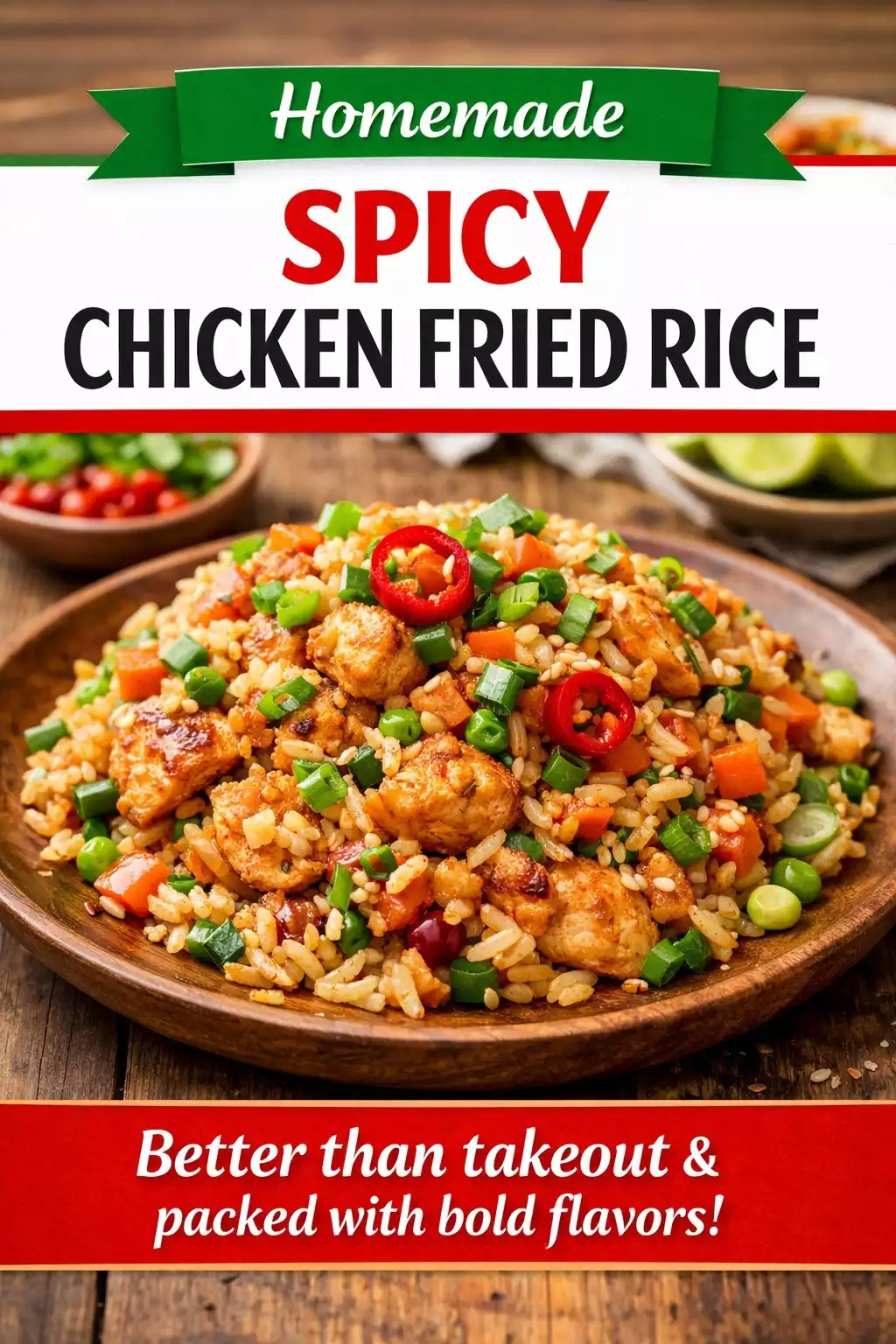
For more warming soups and noodle bowls, try white chicken chili, spicy chicken stir fry, spicy chicken fried rice, teriyaki chicken bowl, and spicy honey garlic chicken.
Storage & Reheating
- Broth: Refrigerate up to 5 days or freeze for 3 months. The broth actually improves overnight as the flavors deepen.
- Noodles: Store separately from the broth. Noodles stored in broth absorb liquid and become bloated and mushy. Keep them in their own container with a drizzle of sesame oil to prevent sticking.
- Eggs: Marinated eggs keep in the refrigerator in their marinade for up to 5 days. Don’t freeze them — the texture of the yolk changes significantly.
Frequently Asked Questions
What type of ramen noodles should I use?
Fresh ramen noodles from an Asian grocery store produce the best texture and chew. Dried ramen noodles are a good substitute. The instant noodles from a packet work in a pinch — discard the flavor packet and use your own broth. Sun Noodle brand (available at many Asian grocery stores) is the gold standard for home cooks.
What is gochujang?
Gochujang is a Korean fermented chile paste made from red chiles, glutinous rice, fermented soybeans, and salt. It has a complex, fruity-spicy-slightly sweet flavor that’s fundamentally different from simple hot sauce. It’s available at Asian grocery stores and increasingly in mainstream supermarkets. It keeps in the refrigerator for months.
Can I make the broth richer?
Yes — add chicken feet to the broth if available (from an Asian market or butcher). They’re loaded with collagen and transform the broth from thin to glossy and slightly gelatinous when cold. Also, use skin-on chicken and skim the fat from the broth surface to re-add controlled amounts — that fat carries enormous flavor.
Why is my egg white rubbery?
The eggs were overcooked. 6 minutes 30 seconds in boiling water produces a set white and a jammy, orange-centered yolk. Even 1 minute more starts to firm the yolk. Use a timer and the ice bath immediately. Precision matters more for eggs than almost any other cooking step.