Every Italian-American family has their version. This one’s mine. Creamy Garlic Shrimp Pasta is the dish that proves great cooking doesn’t require complexity — it requires commitment to doing the simple things perfectly. Shrimp, garlic, cream, white wine, butter, pasta, Parmesan. Seven ingredients, if you’re generous. The result should taste like it took hours of preparation and skill you might not have. It doesn’t. What it takes is understanding that shrimp cook in two minutes, garlic burns in thirty seconds, and cream sauce builds fast when everything is properly set up and executed without hesitation.
In Italian-American kitchens along the Jersey Shore, shrimp pasta was on the table every Friday without fail, in one form or another. This version — with the cream and the wine and the proper garlic technique — is what I made when I wanted to give people something special without making it a production. It comes together in 20 minutes from mise en place to table. Have everything ready before you turn on the heat. It moves fast.
The best Italian creamy garlic shrimp pasta requires one commitment above all others: properly cooked shrimp. Pink and curled, slightly firm, with a fresh ocean sweetness. Overcooked shrimp — tightly curled, rubbery, chalky — ruins this dish regardless of how good the sauce is. Two minutes per side at medium-high heat. That’s the window. Don’t miss it.
Why This Creamy Garlic Shrimp Pasta Recipe Works
- Cooking shrimp in the same pan as the sauce ingredients builds flavor continuity. The fond from the seared shrimp, dissolved into the cream sauce, adds a depth that pre-cooked shrimp added at the end cannot provide. The sauce tastes like the shrimp because it cooked with them.
- A butter-forward cream sauce is the correct base for delicate shellfish. Shrimp’s flavor is subtle. A heavy cream sauce overwhelms it. This recipe uses a moderate amount of cream balanced with white wine and butter, producing a sauce that enhances rather than covers the shrimp.
- Garlic quantity and technique define the dish. This is garlic shrimp pasta, not a little-garlic pasta. The garlic is present. Five cloves minimum. Thinly sliced and cooked golden — not minced and potentially burnt, not raw and sharp.
- Returning shrimp to the sauce at the very end prevents overcooking. Shrimp removed when just-done and returned when the sauce is finished results in perfectly cooked shrimp throughout. Shrimp left in the sauce for the full simmer time becomes rubber.
- Long, thin pasta is essential. Linguine or spaghetti wraps around shrimp naturally. Short pasta creates fork logistics that interrupt the eating experience. The shape matters for shrimp pasta specifically.
Ingredients
For the Shrimp
- 1½ lbs large shrimp (16/20 count), peeled and deveined
- ½ tsp kosher salt
- ¼ tsp black pepper
- ½ tsp smoked paprika
- 1 tbsp olive oil
For the Creamy Garlic Sauce
- 5 cloves garlic, thinly sliced
- 1 shallot, minced
- ½ tsp red pepper flakes
- ½ cup dry white wine
- 1 cup heavy cream
- ½ cup pasta cooking water
- 3 tbsp cold unsalted butter
- Juice of 1 lemon
- 1 tsp lemon zest
- ¼ cup freshly grated Parmigiano-Reggiano
- 3 tbsp fresh flat-leaf parsley, chopped
- Salt to taste
- 2 tbsp olive oil
For the Pasta
- 12 oz linguine or spaghetti
- Kosher salt for pasta water
Instructions
Step 1: Sear the Shrimp
Pat shrimp dry. Season with salt, pepper, and smoked paprika. Heat olive oil in a large skillet over medium-high heat until shimmering. Add shrimp in a single layer — don’t crowd. Sear 1–2 minutes per side until pink and just curled. Remove immediately to a plate — they should be cooked through but barely. They will finish in the sauce.
Step 2: Build the Garlic Base
Cook pasta in heavily salted boiling water. Reserve 1 cup pasta water before draining. Add 2 tbsp olive oil to the same shrimp pan over medium heat. Add sliced garlic and shallot. Cook, stirring constantly, for 1–2 minutes until the garlic turns golden but not brown. Add red pepper flakes, cook 15 seconds more. Watch carefully — garlic goes from golden to bitter in seconds. Remove from heat immediately if it starts to darken too fast.
Step 3: Build the Cream Sauce
Add white wine and return to medium heat. Scrape up any fond. Reduce by half, 2–3 minutes. Add heavy cream. Bring to a gentle simmer and cook 4–5 minutes until slightly thickened. Add lemon zest.
Step 4: Finish with Pasta, Shrimp, and Butter
Add the drained pasta to the sauce. Toss over medium heat, adding pasta water as needed. Remove from heat. Add lemon juice, cold butter pieces, and Parmigiano-Reggiano, tossing until incorporated. Return the shrimp and toss gently to coat. The residual heat finishes the shrimp without overcooking.
Step 5: Serve
Divide into warm bowls. Garnish with fresh parsley and a final squeeze of lemon. Serve immediately — this dish doesn’t wait. The shrimp continues to cook in the hot pasta and will be rubbery if left sitting. Plate, garnish, eat.
Tips & Common Mistakes
- Don’t overcook the shrimp. Remove at the first sign of full pinkness. They finish in the sauce. Overcooked shrimp cannot be saved — they’re rubbery for the rest of the meal regardless of the sauce quality.
- Sliced garlic, not minced, for this preparation. Sliced garlic cooked in oil produces a mellow, sweet, golden flavor. Minced garlic cooked at the same temperature can burn too quickly. For garlic that’s a featured flavor rather than a background note, slices are the correct choice.
- Use 16/20 count shrimp. Larger shrimp have more presence and cook more forgivingly than small shrimp. In a dish called garlic shrimp pasta, the shrimp should be noticeable, not microscopic.
- Keep everything moving fast after the garlic goes in. Garlic in hot oil moves from raw to golden in 90 seconds and from golden to bitter in 30 more. Set up all ingredients before the oil heats. This recipe requires focused, uninterrupted attention from garlic entry to sauce completion.
- Add lemon juice off-heat or at the very end. Lemon juice cooked for 5 minutes becomes bitter. Add it in the final 60 seconds for maximum brightness impact.
Variations
- Lemon Butter Shrimp Pasta (No Cream): Skip the cream entirely. After the wine reduces, mount 4 tablespoons cold butter into the wine reduction with pasta water. Lighter, brighter, and extraordinarily clean-tasting.
- Spicy Garlic Shrimp Pasta: Double the red pepper flakes and add 1 tbsp of Calabrian chili paste. The heat amplifies the garlic and brightens the cream.
- Scampi Style: Add a splash of cognac or brandy after the wine reduces. The caramelized spirit adds a luxurious depth. Classic shrimp scampi technique.
- With Cherry Tomatoes: Add 1 cup halved cherry tomatoes to the garlic oil before the wine. Let them blister and burst. The tomato acid balances the cream and adds color. Outstanding variation.
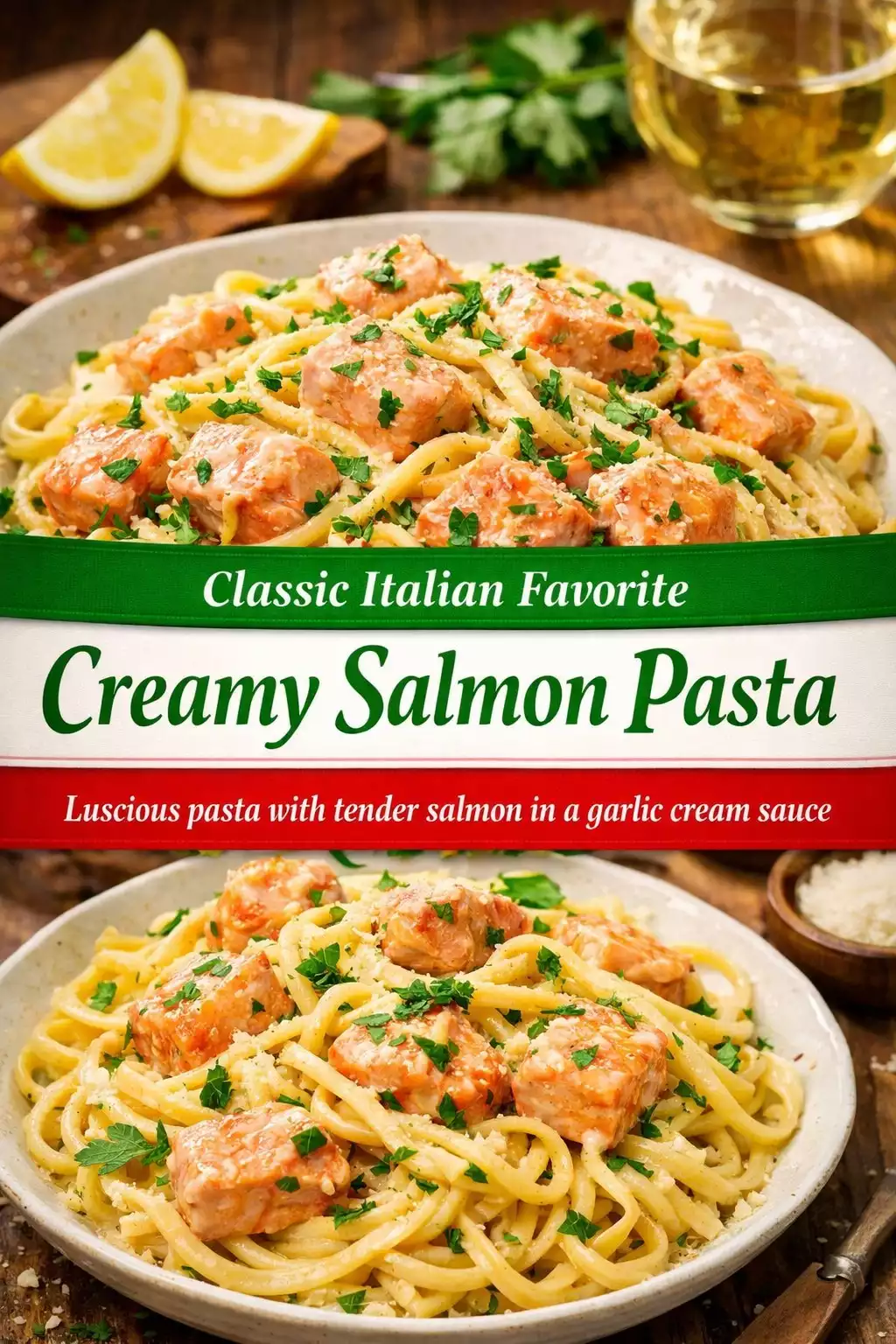
For the salmon version of creamy seafood pasta, see creamy salmon pasta. The Italian-American creamy pasta collection continues with creamy Tuscan chicken pasta, creamy mushroom pasta, and creamy sausage rigatoni.
Storage & Reheating
- Refrigerator: Store for up to 2 days. Shrimp quality degrades more quickly than other proteins. Consume within 48 hours.
- Reheating: Gentle heat in a skillet with a splash of cream and a squeeze of lemon juice. 3–4 minutes over medium-low, stirring. The shrimp will become slightly more cooked — unavoidable but still acceptable. Avoid the microwave.
- Freezer: Not recommended. Cooked shrimp become rubbery when frozen and thawed. This is a fresh-made dish.
Frequently Asked Questions
Can I use frozen shrimp?
Yes — thaw completely in cold water for 15–20 minutes, then pat completely dry before cooking. Partially thawed or wet shrimp will steam instead of sear and won’t develop the golden color or flavor you need from the sear step.
How many shrimp per person?
For 16/20 count shrimp, 5–6 shrimp per person is a generous serving in a pasta dish. 1½ lbs serves 4 people comfortably. Scale up proportionally for more servings — the sauce recipe scales easily with the same technique.
Can I substitute half-and-half for heavy cream?
You can, but reduce the heat to a simmer — half-and-half can separate at a full boil. The sauce will be lighter and less rich, which some people prefer. The result is still good but the sauce is thinner. For a fully light version, skip cream entirely and use the butter-wine-pasta water technique described in the variations.
What wine works best for shrimp pasta?
Dry white wines: Pinot Grigio, Sauvignon Blanc, Vermentino, or any dry Italian white. The wine should be something you’d drink — cooking wine’s salt content interferes with the dish’s seasoning. A glass-pour of the wine you’re serving with dinner is the right choice.