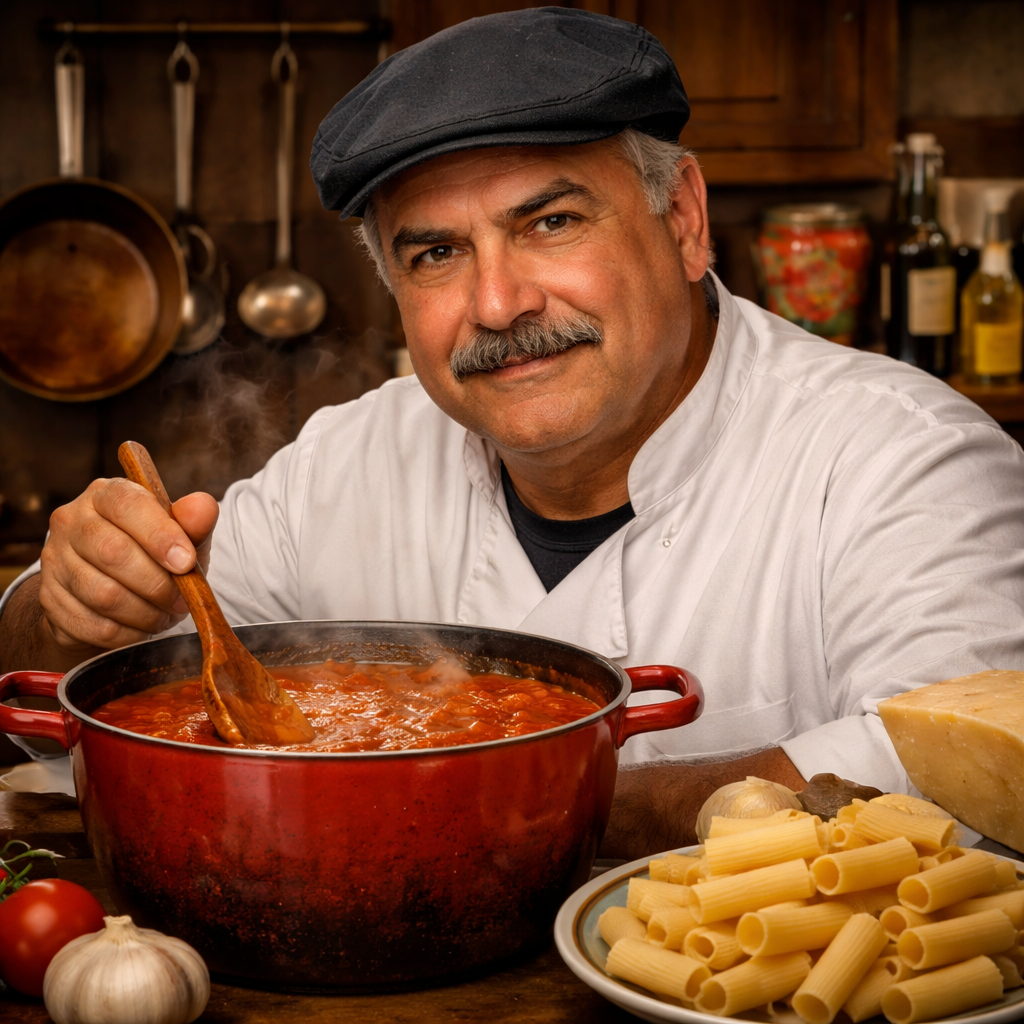
Three generations of this recipe. You’re welcome. Cherry tomato pasta is the kind of dish that makes people think there must be some secret restaurant technique they’re missing. There isn’t. What there is, is heat management and patience. You roast or blister those tomatoes until they burst and caramelize at the edges, and the sugars concentrate into something that tastes nothing like raw tomato. My grandmother did this on the stovetop in Jersey; I did it in professional kitchens for thirty years; now I do it at home on a Tuesday night and it still feels like an occasion.
The Italian-American approach is to let the tomato be the tomato. Good cherry tomatoes, a generous amount of good olive oil, garlic, and heat — that’s the whole story. We’re not hiding anything with cream or complex spice profiles. We’re amplifying what’s already there.
This cherry tomato pasta works in any season but peaks in summer when cherry tomatoes are at their sweetest. In winter, grape tomatoes roasted in the oven give you similar intensity. Either way, the technique is what matters: high heat, patience, and finishing the pasta in the tomato juices so every strand absorbs the flavor.
Why This Cherry Tomato Pasta Recipe Works
- Blistering the tomatoes concentrates flavor — raw cherry tomatoes are sweet; blistered ones taste like they’ve been cooking all day
- Olive oil absorbs the tomato juices — as tomatoes burst, their liquid emulsifies with the oil to form a natural pan sauce
- Garlic goes in early — slow-cooked garlic in olive oil builds a base; it should be golden, not raw
- Pasta finishes in the sauce — starch from the pasta water thickens the tomato liquid into a proper coating
- Parmigiano or Pecorino at the end — optional but it rounds out the acidity and adds body to the sauce
Ingredients
Core Ingredients
- 1 pound spaghetti or linguine
- 2 pints cherry tomatoes (about 4 cups)
- ½ cup extra virgin olive oil
- 5 cloves garlic, thinly sliced
- 1 teaspoon red pepper flakes
- 1 teaspoon kosher salt, plus more for pasta water
- Handful fresh basil leaves, torn
- ½ cup freshly grated Parmigiano-Reggiano or Pecorino Romano
- ½ cup reserved pasta water
Optional Additions
- 1 tablespoon tomato paste (add with garlic for deeper flavor)
- Splash of white wine (deglaze before adding pasta water)
- 1 teaspoon sugar (if tomatoes are very acidic)
- Fresh mozzarella or burrata on top
- Toasted breadcrumbs for crunch
Instructions
Step 1: Cook the Pasta
Bring a large pot to a boil. Salt generously. Cook pasta two minutes shy of al dente. Reserve 1 cup pasta water before draining. The pasta goes into the pan to finish cooking, so the two-minute undercook is essential.
Step 2: Toast the Garlic
Heat olive oil in a large wide skillet over medium heat. Add the sliced garlic and cook slowly for 3–4 minutes until pale golden and fragrant. Add red pepper flakes and cook 30 more seconds. The garlic should smell sweet and nutty — never brown or sharp. If it goes too dark, start the oil and garlic over; bitter garlic is worse than no garlic.
Step 3: Blister the Tomatoes
Add all the cherry tomatoes to the skillet. Raise heat to medium-high. Let the tomatoes sit undisturbed for 2–3 minutes so they blister and char slightly on one side. Then shake the pan and press some of the tomatoes with the back of a spoon to release their juices. Season with salt. Continue cooking, stirring occasionally, for another 5–6 minutes until the tomatoes have collapsed and formed a sauce. The oil should be stained bright red-orange with tomato juices.
Step 4: Finish the Pasta in the Sauce
Add the drained pasta and ¼ cup pasta water directly to the tomato skillet over medium heat. Toss everything together for 2 full minutes, pressing remaining whole tomatoes as you go. Add more pasta water if the sauce looks dry. The pasta should be glossy, fully coated, and pulling color from the tomatoes. Taste and adjust salt.
Step 5: Finish and Serve
Remove from heat. Tear in fresh basil leaves and toss once more. Add Parmigiano-Reggiano and toss to combine. Plate in warm bowls and finish with more basil, a drizzle of your best olive oil, and extra cheese. This is the dish that convinces dinner guests you’ve been cooking all day.
Chef’s Tips & Common Mistakes
- Don’t stir the tomatoes constantly — let them sit and blister; movement prevents the caramelization that creates flavor
- Press some tomatoes, leave some whole — a mix of burst and whole tomatoes gives textural variety in every bite
- Use the best olive oil you have — it’s not background here; the oil absorbs tomato flavor and becomes the sauce
- Basil goes in at the very end, off heat — basil turns black and bitter if cooked; add it after removing from the burner
- Cherry tomatoes vary in sweetness — taste the sauce before serving; acidic tomatoes may need a pinch of sugar or more cheese
- Room-temperature tomatoes blister better — cold tomatoes from the fridge extend cooking time and produce more water; use room temp
Variations
- Roasted Cherry Tomato Version: Toss tomatoes with olive oil, garlic, and salt, roast at 400°F for 25 minutes until caramelized, then toss with pasta — deeper flavor, less hands-on time
- With Burrata: Top the finished pasta with a whole burrata and let it melt into the hot tomatoes at the table — restaurant presentation for zero extra work
- Cherry Tomato and Shrimp: Add sauteed shrimp to the tomato sauce — see creamy garlic shrimp pasta for the shrimp technique
- With White Sauce: Use this cherry tomato base and top with a spoonful of béchamel for a pink-sauce effect without the cream
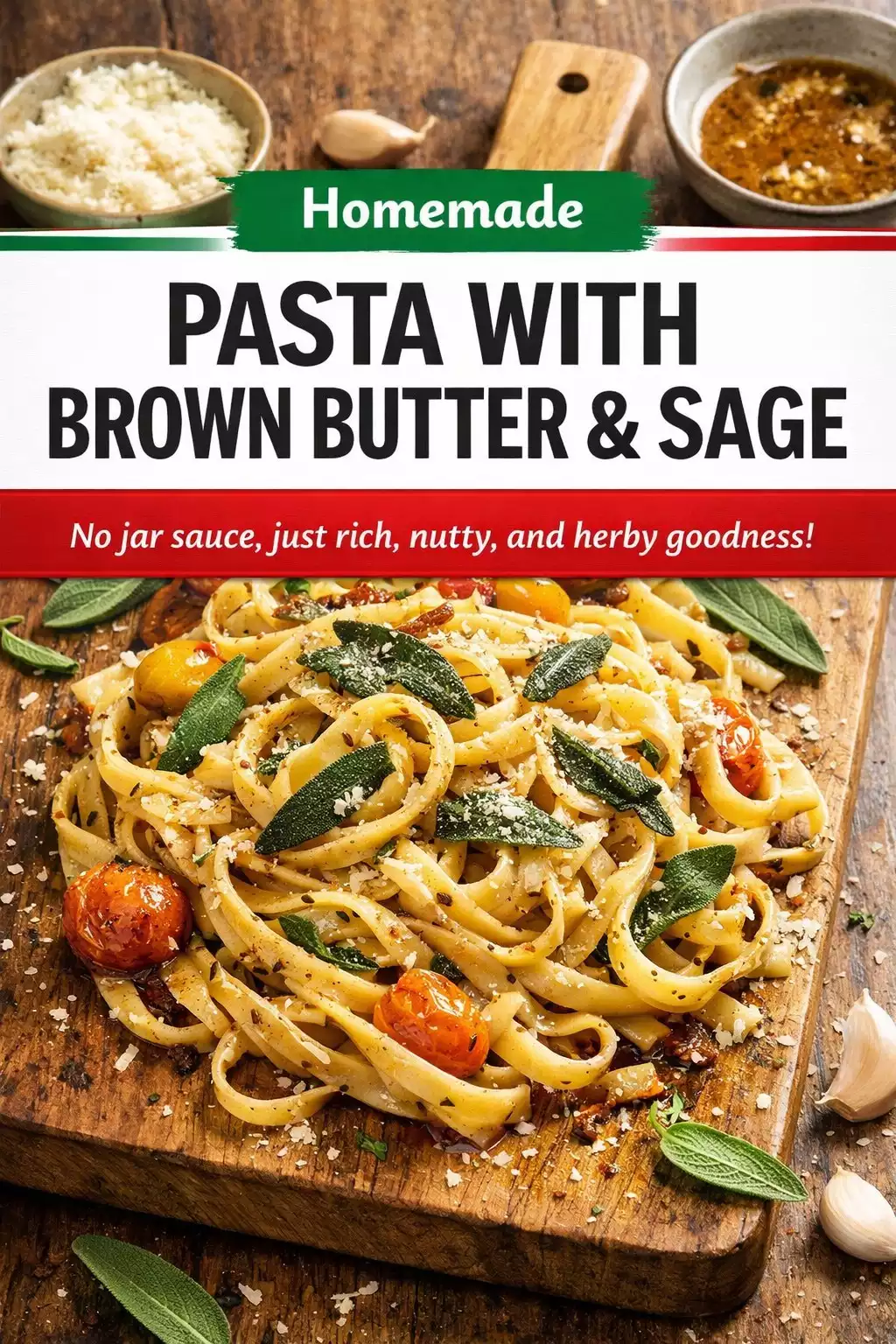
- Brown Butter Cherry Tomato: Blister the tomatoes in brown butter instead of olive oil — the nutty fat and sweet tomato is a stunning combination, see brown butter sage pasta for technique
- Cold Pasta Version: Toss blistered tomatoes with room-temperature pasta and fresh mozzarella for a summer pasta salad that tastes better the longer it sits
Storage & Reheating
Refrigerator: Store up to 3 days. The tomato sauce actually improves overnight as the flavors meld.
Reheating: Reheat in a skillet over medium with a splash of water or olive oil. Add fresh basil after reheating — never before storing.
Freezer: The tomato sauce alone freezes well for up to 3 months. Cooked pasta does not freeze well; combine sauce with fresh pasta after thawing.
Sauce Forward: Make double the cherry tomato sauce and freeze half — it becomes the base for a quick penne alla vodka or enriched with cream for other pasta applications.
Frequently Asked Questions
Can I use regular tomatoes instead of cherry tomatoes?
You can, but the result differs. Cherry tomatoes have a higher skin-to-flesh ratio which creates concentrated flavor when blistered. Regular tomatoes release more water and give a looser, lighter sauce. If using regular tomatoes, dice them and cook longer to reduce the liquid. Roasting is even more important with regular tomatoes.
Why do my cherry tomatoes not blister properly?
Pan isn’t hot enough or the tomatoes are too cold. The pan should be properly preheated before the tomatoes go in. Cold tomatoes from the refrigerator steam rather than blister. Use room-temperature tomatoes and a wide skillet so the tomatoes aren’t crowded.
Should I seed the cherry tomatoes?
No. The seeds and gel inside are flavor. Seeding cherry tomatoes is excessive prep that removes sweetness. Leave them whole until they naturally burst in the pan. The gel releases and becomes part of the sauce.
Can I make this ahead?
The tomato sauce, yes. Cook the sauce up to two days ahead and refrigerate. When ready to serve, reheat the sauce, cook fresh pasta, and finish together in the pan. Do not store pasta and sauce combined — the pasta absorbs the sauce and becomes mushy.
What’s the best pasta shape for cherry tomato sauce?
Long pasta like spaghetti or linguine works beautifully. Short pasta like penne traps the sauce inside the tubes. Both approaches are valid. Avoid fresh egg pasta with this sauce — the delicate noodles compete with rather than complement the assertive tomato flavor.