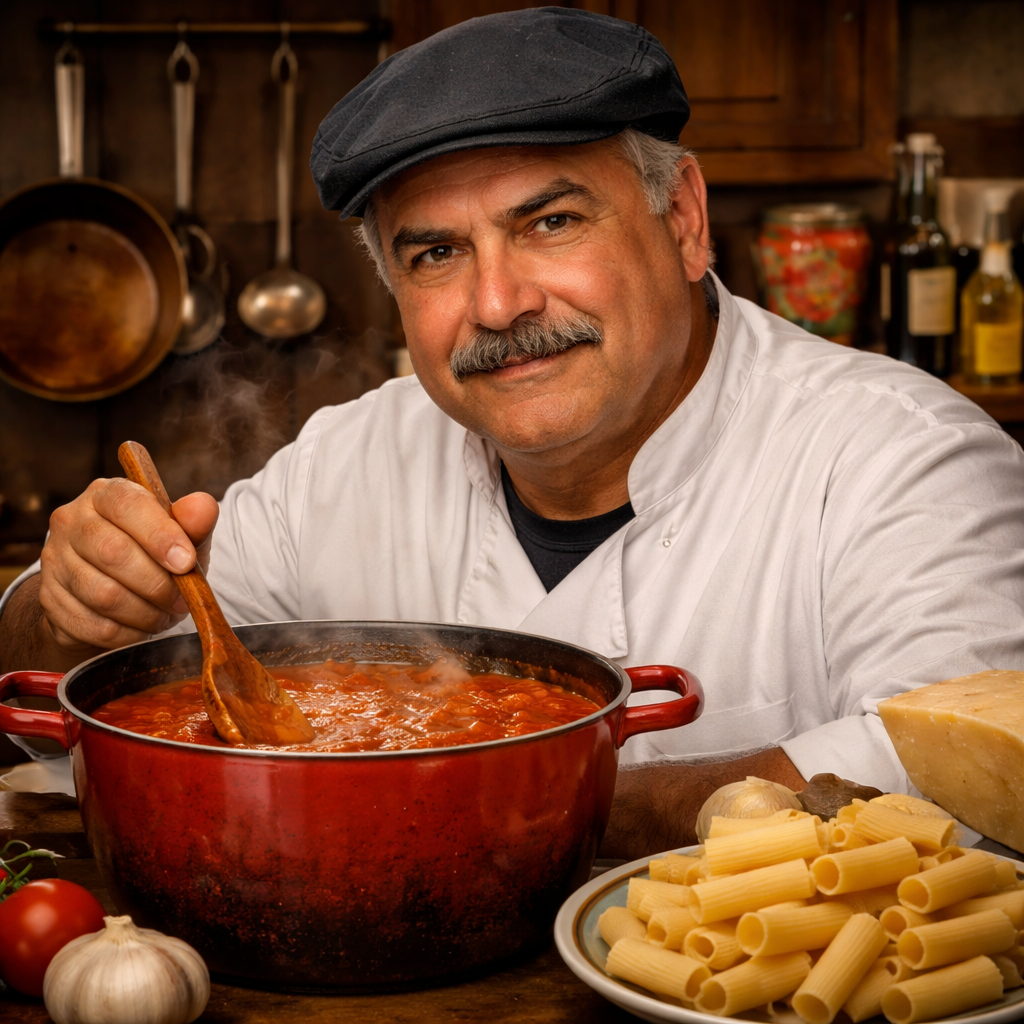
My old head chef used to say — if the aroma doesn’t hit the hallway, start over. Million Dollar Spaghetti hits the hallway before it even goes in the oven. This is the Southern Italian-American casserole that turned up at potlucks, church dinners, and neighborhood block parties for the better part of fifty years — and for good reason. Layers of spaghetti, rich meat sauce, a cream cheese and sour cream layer that has no business tasting this good, and bubbling mozzarella on top. It’s excessive. It’s perfect.
I’ll be honest — this one makes my Italian relatives slightly uncomfortable. Cream cheese in pasta is not something my nonna’s generation would have approved of. But the result is undeniable. The cream cheese and sour cream layer melts into the pasta and creates a richness that straight marinara cannot achieve. Italian-American cooking has always been about adaptation, and this is adaptation at its most unapologetic.
This million dollar spaghetti recipe is built to feed a crowd and freeze beautifully. Make it ahead, freeze it unbaked, pull it out on a Tuesday night, and act like you’ve been working on it all day. Nobody will know. The smell alone makes people think you’ve been in the kitchen for hours.
Why This Million Dollar Spaghetti Works
- Cream cheese and sour cream layer — creates a hidden, tangy richness that surprises in the best way; it’s what earns the “million dollar” name
- Meat sauce is properly seasoned — the sauce needs enough flavor to carry through all the layers; bland meat sauce makes bland casserole
- Spaghetti is slightly undercooked — it bakes for 30+ minutes and absorbs sauce; fully cooked pasta turns mushy in the oven
- Baking butter pats under the pasta — dot the bottom with butter before adding spaghetti; it prevents sticking and adds richness from underneath
- Cheese added in the last 10 minutes — mozzarella on top too early overbrowns; the timing gives a perfect bubbly golden layer
Ingredients
For the Meat Sauce
- 1½ lbs ground beef (80/20)
- 1 medium onion, finely diced
- 4 cloves garlic, minced
- 1 jar (24 oz) good-quality marinara
- 1 can (14.5 oz) diced tomatoes, drained
- 1 teaspoon Italian seasoning
- 1 teaspoon kosher salt
- ½ teaspoon red pepper flakes
- 1 tablespoon olive oil
For the Cream Cheese Layer
- 8 oz cream cheese, softened at room temperature
- 1 cup sour cream
- ½ teaspoon garlic powder
- ½ teaspoon kosher salt
- Fresh parsley or chives (optional, for the layer)
For Assembly
- 1 lb spaghetti
- 2 tablespoons butter, cut into small pats
- 2 cups shredded mozzarella
- ½ cup freshly grated Parmigiano-Reggiano
- Fresh basil or parsley for garnish
Instructions
Step 1: Make the Meat Sauce
Heat olive oil in a large skillet over medium-high. Brown the ground beef, breaking into small pieces, until no pink remains. Remove excess fat but leave some for flavor. Add diced onion and cook 4 minutes until softened. Add garlic and cook 1 minute. Add marinara, diced tomatoes, Italian seasoning, salt, and red pepper flakes. Simmer uncovered for 15 minutes until slightly thickened. Taste and adjust seasoning.
Step 2: Cook the Spaghetti
Bring a large pot to a boil. Salt generously. Cook spaghetti 3 minutes shy of package directions — it bakes for 30 minutes and will overcook if started at al dente. Drain and toss with a drizzle of olive oil to prevent sticking.
Step 3: Make the Cream Cheese Mixture
Beat softened cream cheese with sour cream, garlic powder, and salt until smooth. If the cream cheese isn’t fully softened, the mixture will be lumpy and won’t spread evenly. Room temperature cream cheese is essential.
Step 4: Assemble the Layers
Preheat oven to 350°F. Butter a 9×13 baking dish. Dot the bottom with butter pats. Add half the spaghetti and press lightly into an even layer. Spread the cream cheese and sour cream mixture evenly over the spaghetti layer. Add the remaining spaghetti on top. Spoon all the meat sauce evenly over the top, pressing it gently into the pasta. Cover tightly with foil.
Step 5: Bake
Bake covered at 350°F for 25 minutes. Remove foil. Scatter mozzarella and Parmigiano evenly over the top. Bake uncovered for an additional 10–15 minutes until cheese is melted, bubbly, and golden in spots. Let rest 10 minutes before cutting — the rest is what allows the layers to set so you can cut clean portions. Garnish with fresh basil.
Chef’s Tips & Common Mistakes
- Heavily undercook the pasta — 3 minutes shy of done minimum; this bakes for 40 minutes total and absorbs sauce the whole time
- Room-temperature cream cheese only — cold cream cheese won’t spread without tearing the pasta layer; plan ahead
- Butter pats on the bottom — this prevents the bottom spaghetti layer from welding to the baking dish; it also adds richness
- Simmer the meat sauce down — too-thin sauce makes a watery casserole; simmer until the sauce holds its shape on a spoon
- Rest before cutting — cutting immediately releases steam and the layers collapse; rest makes it look like a restaurant dish
- Season every layer — the cream cheese layer, the meat sauce, and the pasta water all need proper seasoning; bland layers mean a bland casserole
Variations
- Italian Sausage Version: Substitute Italian sausage for ground beef — fennel-forward flavor that Italian-American families prefer, similar to creamy sausage rigatoni
- Turkey Million Dollar Spaghetti: Use ground turkey for a lighter version — season more aggressively to compensate for the milder meat
- Four-Cheese Version: Add ricotta alongside cream cheese in the middle layer — a nod to homemade lasagna with its cheese layering approach
- Baked Ziti Version: Use ziti or rigatoni instead of spaghetti for a shape-shifted take — see baked ziti recipe for that approach
- Vegetarian Version: Substitute lentils or mushrooms for the ground beef — cook until tender and season the same way as the meat sauce
- Chicken Spaghetti Casserole: Substitute shredded cooked chicken for the ground beef and use cream of mushroom soup variation — see chicken spaghetti casserole for the full approach
Storage & Reheating
Refrigerator: Store covered up to 4 days. Flavors deepen overnight — day two is legitimately better than day one.
Reheating: Cover with foil and reheat at 325°F for 20–25 minutes. Microwave individual portions covered with a damp paper towel for 2 minutes.
Freezer: Assemble unbaked and freeze for up to 3 months. Thaw overnight in the refrigerator. Bake as directed, adding 10 minutes to the covered baking time. This is one of the best make-ahead freezer meals in the Italian-American repertoire.
Pre-Baked Freeze: Already baked casserole can also be frozen in portions. Reheat covered from frozen at 350°F for 30–40 minutes.
Frequently Asked Questions
Why is it called million dollar spaghetti?
The name comes from the cream cheese and sour cream layer — the “secret” ingredient that makes the casserole taste like a million dollars for the cost of a couple of pantry staples. It’s an American casserole tradition of naming dishes after the effect they have on dinner guests, similar to how “million dollar” appears in other Southern-American recipes. See pastitsio for a Greek version of layered pasta casserole with similar appeal.
Can I make this without the cream cheese layer?
Yes — you’ll have a standard baked spaghetti casserole. Good but not “million dollar.” The cream cheese layer is what distinguishes this dish from every other baked pasta casserole, similar to how baked ziti has its own characteristic layering that defines the dish.
Should I mix the cream cheese into all the pasta or keep it as a layer?
Keep it as a distinct middle layer — the visual contrast when you cut into it and the textural surprise of hitting that creamy layer between meat sauce and pasta is part of the dish’s appeal. Mixing it throughout gives you enriched baked pasta but not million dollar spaghetti.
Can I substitute ricotta for the cream cheese?
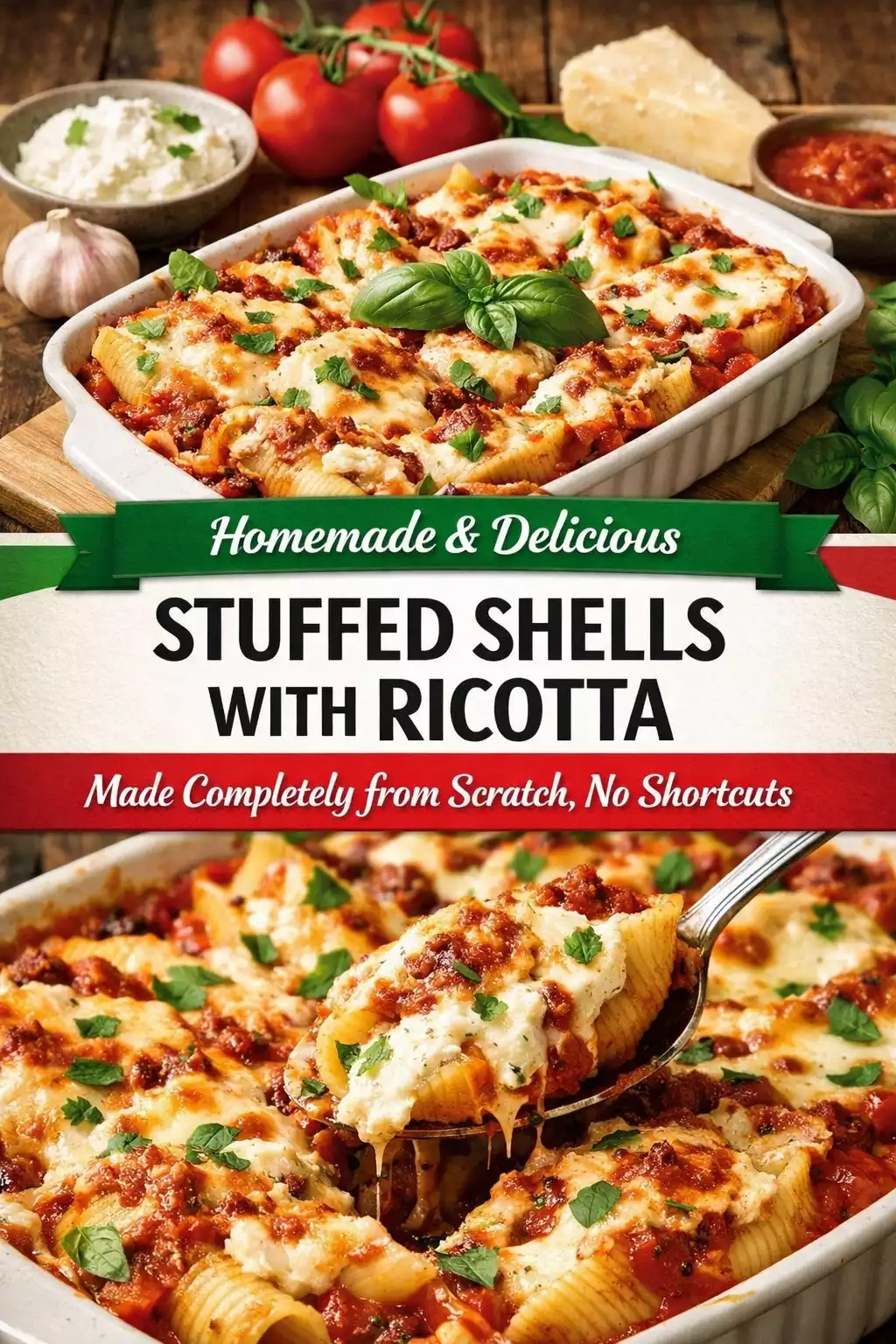
Yes — drain the ricotta well first (see stuffed shells for the draining technique). Ricotta gives a lighter, less tangy middle layer. Mix with a beaten egg to give it structure. The result is closer to lasagna than million dollar spaghetti, but equally delicious.
What’s the best pasta alternative to spaghetti?
Bucatini (thicker, hollow spaghetti) holds up better in the casserole and absorbs the sauce without losing structure. Fettuccine works well too. Avoid very thin pasta like angel hair — it turns to mush over a 30-minute bake. Tube shapes like rigatoni or ziti work perfectly and are the basis for baked rigatoni with sausage.