This is the one my kids fight over. Every. Single. Time. Beef and broccoli stir fry is the Chinese-American dish that defined takeout for an entire generation, and the version you make at home — when you know what you’re doing — is better than most of what you can order. I learned the fundamentals of wok cooking from line cooks who grew up doing it, and what they taught me confirmed everything I’d learned from Italian cooking: heat management and timing are the only things that matter.
The Italian-American in me respects stir fry cooking because it operates on the same principles as sautéing — high heat, fat as a flavor carrier, protein cooked to exact doneness before aromatics are added, sauce built on the fond in the pan. The wok is just a different shaped pan with a different heat dynamic. The fundamentals are universal.
This beef and broccoli stir fry is built around the two techniques that separate good stir fry from takeout-quality: properly marinated and velveted beef that’s silky and tender, and broccoli that’s charred at the edges from high-heat cooking rather than steamed and soft. Both techniques require heat you probably thought your home burner couldn’t produce. It can. Use your biggest burner, your heaviest pan, and don’t be scared of the smoke.
Why This Beef and Broccoli Stir Fry Works
- Velveting the beef — a quick baking soda and cornstarch marinade tenderizes even lean beef cuts; the technique used by Chinese restaurants for tender, silky meat
- Very high heat throughout — stir fry is not medium-heat cooking; the wok or skillet needs to be as hot as your burner can manage for proper char and fast cooking
- Broccoli cooked separately — broccoli and beef have different cooking times; cooking together means one is overdone when the other is perfect
- Sauce goes in last — the sauce reduces rapidly in a hot pan and caramelizes slightly; adding too early causes it to steam and lose its glossy character
- Cornstarch in the sauce thickens it — a small amount of cornstarch creates the glossy, restaurant-style sauce that coats every piece rather than pooling at the bottom
Ingredients
For the Beef and Marinade (Velvet)
- 1 lb flank steak or sirloin, thinly sliced against the grain
- 1 tablespoon soy sauce
- 1 teaspoon baking soda (the velvet secret)
- 1 teaspoon cornstarch
- 1 teaspoon neutral oil
- 1 teaspoon sesame oil
For the Stir Fry
- 1 large head broccoli (about 1½ lbs), cut into florets
- 4 cloves garlic, minced
- 1 tablespoon fresh ginger, grated
- 3 tablespoons neutral oil (vegetable or avocado), divided
For the Sauce
- 3 tablespoons soy sauce or tamari
- 1 tablespoon oyster sauce
- 1 tablespoon brown sugar or honey
- 1 teaspoon sesame oil
- 1 teaspoon cornstarch
- ½ cup beef stock or water
- ½ teaspoon red pepper flakes (optional)
Instructions
Step 1: Velvet the Beef
Slice beef against the grain into thin strips (about ¼ inch thick). Toss with soy sauce, baking soda, cornstarch, and oil. Let sit for 15–30 minutes. The baking soda raises the pH of the meat surface, breaking down proteins and creating the characteristic silky, restaurant texture. Don’t marinate longer than 30 minutes with baking soda — the texture becomes mushy.
Step 2: Make the Sauce
Whisk together soy sauce, oyster sauce, brown sugar, sesame oil, cornstarch, and beef stock. Set aside. Having the sauce ready before cooking starts is mandatory in stir fry — the cooking happens in 5 minutes and there’s no time to measure while the pan is hot.
Step 3: Cook the Broccoli
Heat 1½ tablespoons of neutral oil in a large wok or heavy skillet over the highest heat your burner allows. Add broccoli florets and cook undisturbed for 2 minutes to develop char. Toss and cook 2 more minutes. The broccoli should have dark, charred spots on the edges and be bright green throughout. Add a splash of water, cover, and steam for 1 minute to finish cooking. Remove broccoli to a plate.
Step 4: Cook the Beef
Return the pan to high heat. Add remaining 1½ tablespoons of oil. Add beef in a single layer — don’t crowd the pan; cook in two batches if necessary. Cook undisturbed 1 minute until browned. Flip and cook 30 seconds more. Remove to the plate with the broccoli. Add garlic and ginger to the same pan and cook 30 seconds until fragrant.
Step 5: Combine and Sauce
Return beef and broccoli to the pan. Pour the sauce over everything. Toss over high heat for 1–2 minutes until the sauce thickens and coats everything in a glossy layer. The cornstarch in the sauce activates on the heat and creates the restaurant-quality coating. Plate immediately over rice. Garnish with sesame seeds and sliced green onions.
Chef’s Tips & Common Mistakes
- Slice beef against the grain — with the grain produces chewy, stringy beef; against the grain cuts through the muscle fibers and produces tender strips
- Baking soda velvet is the restaurant secret — ¼ teaspoon of baking soda in the marinade transforms lean, chewy beef into silky, tender strips; don’t marinate longer than 30 minutes
- Maximum heat throughout — medium heat produces steamed, gray meat; maximum heat produces charred, caramelized, restaurant-quality stir fry
- Cook components separately — beef and broccoli cooked together means the broccoli takes longer and the beef overcooks waiting for it; separate cooking gives both perfect texture
- All mise en place before starting — stir fry moves in 5 minutes; if sauce, garlic, or ginger aren’t ready, the beef burns while you’re finding them
- Don’t overcrowd the pan — crowded beef steams; it needs space to brown; one layer in batches if necessary
Variations
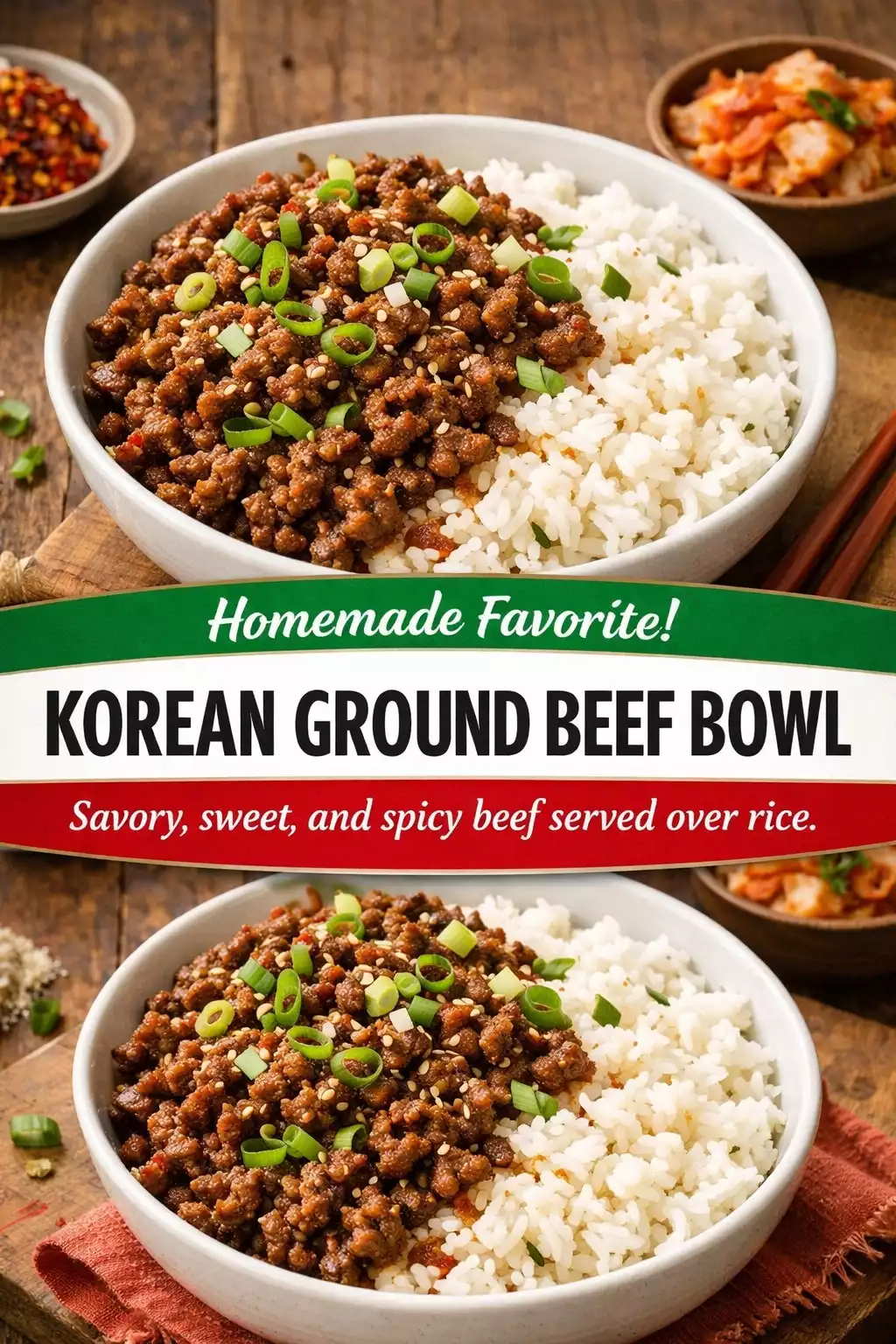
- Ground Beef Version: Use ground beef and the same sauce for a simpler, faster version — see Korean ground beef bowl for that approach
- Chicken and Broccoli: Substitute thinly sliced chicken breast — the same velveting technique works for chicken; reduce cooking time to 45 seconds per side
- With Mushrooms: Add sliced shiitake or cremini mushrooms at the broccoli stage for more umami depth
- Spicy Szechuan Version: Add Szechuan peppercorns and more chili to the sauce and finish with chili oil — the spicy version that goes beyond standard Chinese-American takeout
- Beef Fried Rice: Use leftover beef and broccoli in a fried rice application — see beef fried rice for the technique
- Budget Skillet Version: See budget beef fried rice for a one-pan approach using ground beef and the same stir fry flavor profile at lower cost
Storage & Reheating
Refrigerator: Store up to 3 days. The broccoli softens slightly on storage but the flavors deepen. The sauce continues to thicken — add a splash of water or soy sauce when reheating.
Reheating: Best in a hot skillet or wok with a splash of water or beef stock. High heat for 2–3 minutes revives the stir fry character. Microwave works but produces softer texture. Add a drizzle of sesame oil after reheating.
Freezer: Freeze up to 3 months. The broccoli texture suffers the most when frozen and thawed. If freezing, consider using the beef and sauce only and adding fresh broccoli when reheating from frozen. Thaw overnight and reheat as directed.
Meal Prep: The velveted beef can be marinated and refrigerated up to 24 hours ahead. The sauce can be made ahead. Stir fry takes 10 minutes when components are prepped. This makes it a practical weeknight dish with minor advance preparation.
Frequently Asked Questions
What cut of beef is best for stir fry?
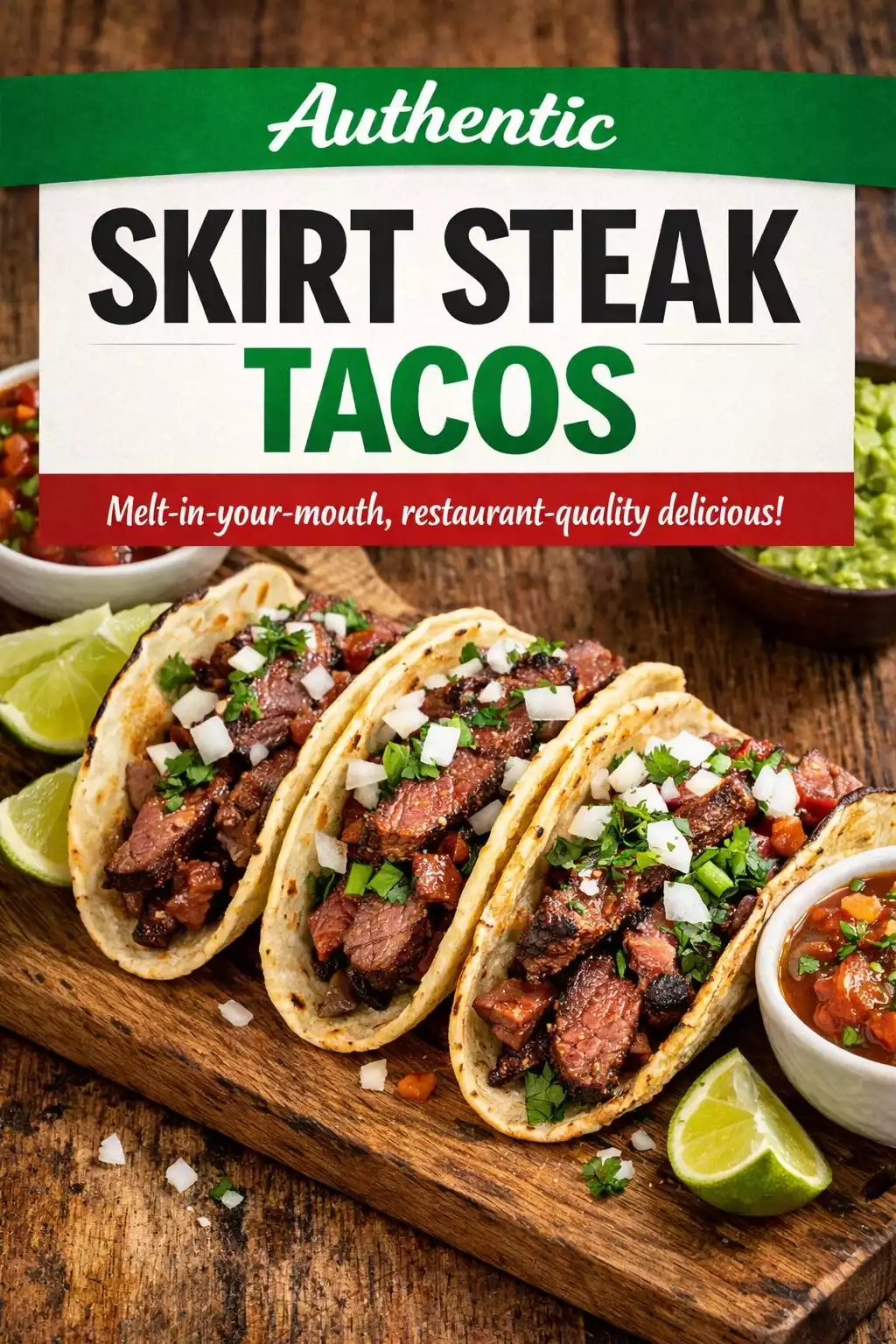
Flank steak and sirloin are the standards for home stir fry. Both slice easily against the grain and have enough marbling for flavor. Flank steak is the most traditional choice. Tenderloin is unnecessary — the velveting technique makes economical cuts silky and tender. Avoid pre-cut “stir fry beef” from supermarkets — the cuts are inconsistent and often too thick. Buy flank steak and slice it yourself ¼ inch thin. Related: skirt steak tacos uses the same against-the-grain slicing principle for a different application.
Can I make this without a wok?
Yes — a large, heavy cast-iron skillet or carbon steel pan gets close to wok performance. The key is the same: maximum heat, thin layer of oil, quick cooking. A stainless steel skillet works but heats less evenly. Avoid non-stick for stir fry — non-stick coatings degrade at stir fry temperatures and the pan doesn’t get hot enough. The heaviest, hottest pan you own is the right choice.
Why is my beef tough even after marinating?
Two possibilities: sliced with the grain instead of against it, or over-marinated with baking soda. Check the direction of the muscle fibers and cut perpendicular to them. The baking soda marinade should be 15–30 minutes maximum — longer starts breaking down the proteins too aggressively and the texture becomes mushy rather than tender. Related: the same grain-cutting principle applies to skirt steak tacos where slicing against the grain is the most critical technique.
What is oyster sauce and can I skip it?
Oyster sauce is a thick, dark sauce made from oyster extracts and sugar — sweet, briny, and deeply umami. It’s the ingredient that gives Chinese-American stir fry its characteristic depth and glossiness. Find it in the Asian foods aisle of most supermarkets (Lee Kum Kee is the standard brand). Substitute: soy sauce plus a small amount of hoisin sauce (1:1 ratio) — not identical but close. Without oyster sauce, increase soy sauce by 1 tablespoon and add a pinch of sugar.
How do I prevent the stir fry from steaming instead of frying?
Three causes: not enough heat, too much food in the pan (crowding), and wet ingredients. Solution: maximum heat, cook in batches (beef first, broccoli separately), and pat ingredients dry before adding. Cold beef straight from the refrigerator also drops pan temperature significantly — let meat come to room temperature for 15 minutes before cooking. See Korean ground beef bowl for a ground beef approach that’s less sensitive to the crowding issue.