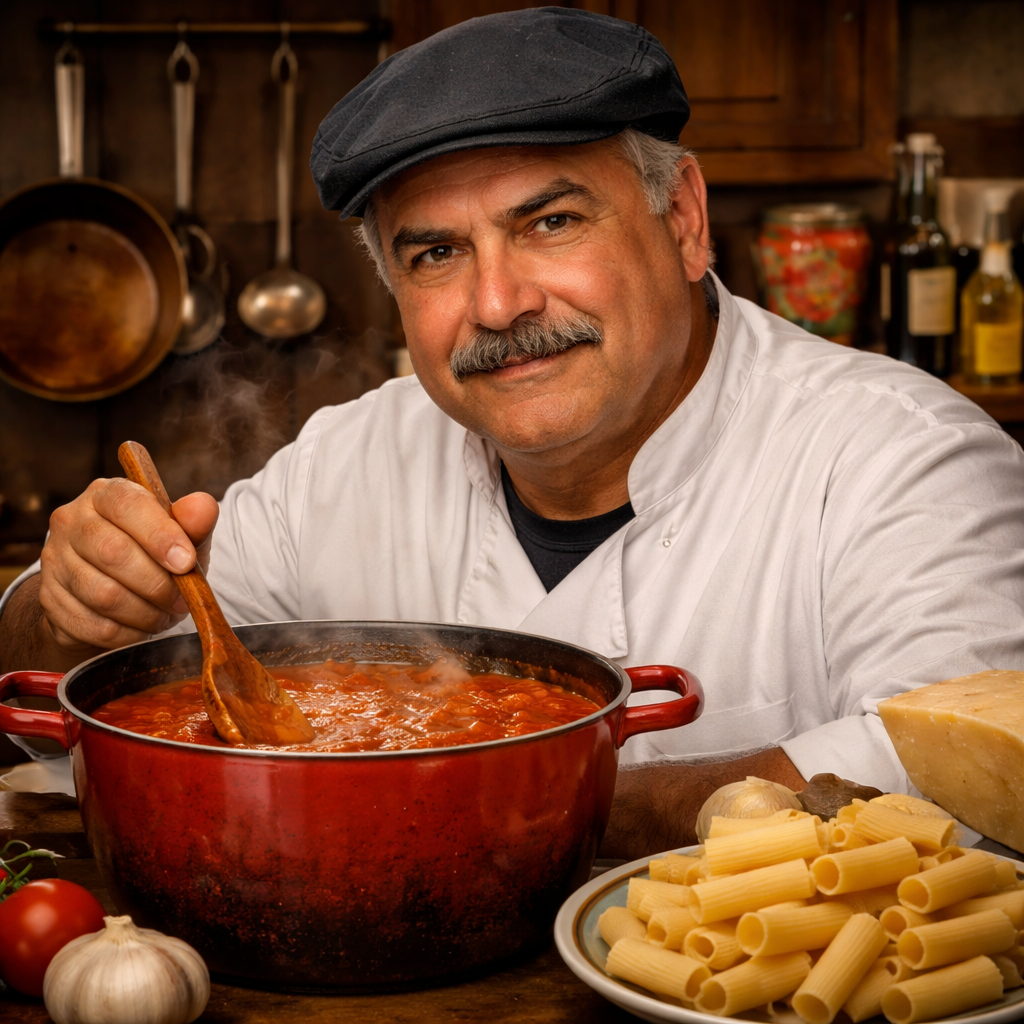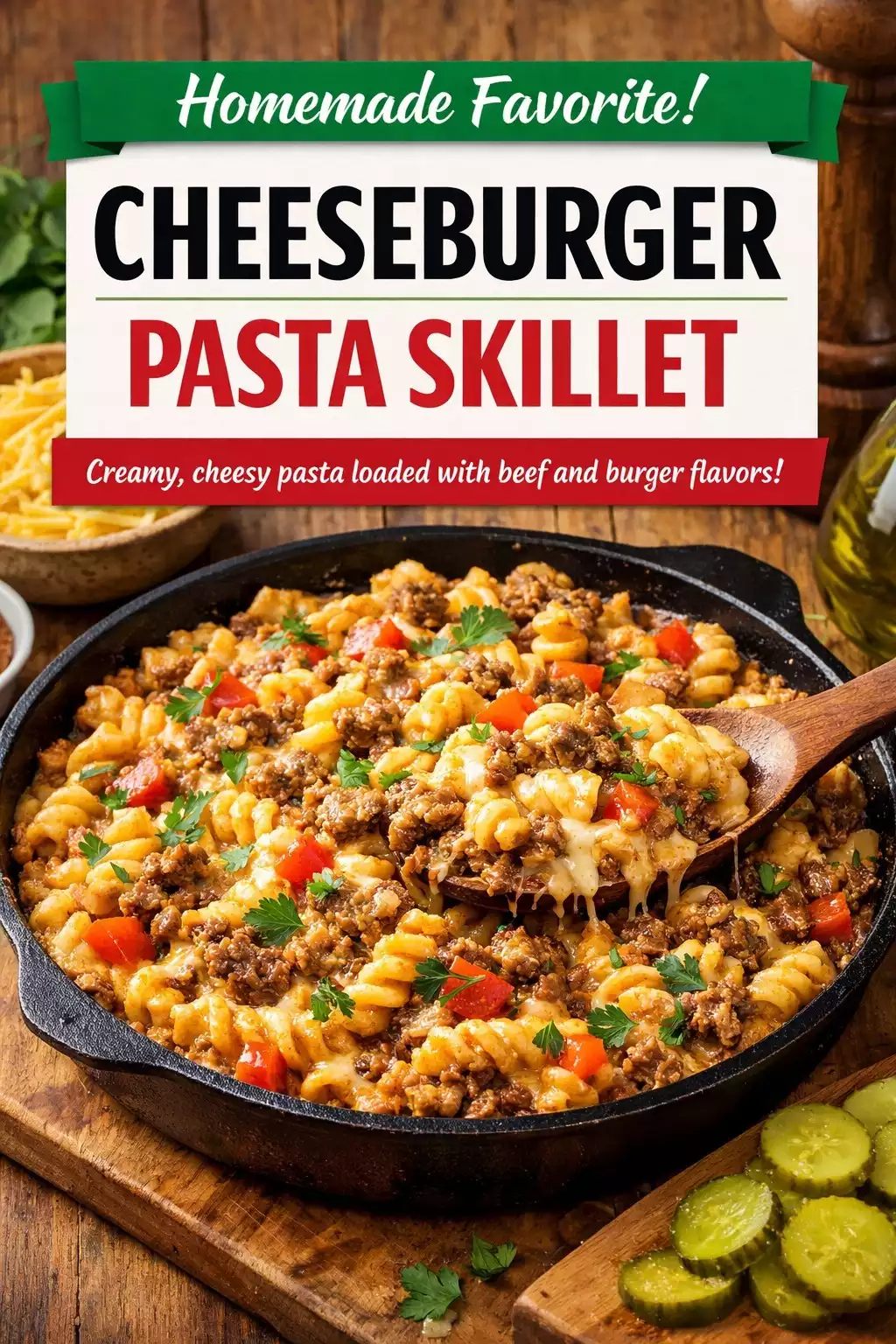
When I retired from the kitchen, this is what I kept cooking. Not the white tablecloth stuff, not the composed plates with micro herbs — this. Beef and Cheese Quesadillas. There’s something about pulling a crispy, cheese-filled quesadilla off a hot cast-iron pan that makes thirty years of professional cooking feel worthwhile. You don’t need a restaurant to eat well. You need a good pan, decent beef, and cheese that actually melts.
The old-school Italian-American approach I bring to everything applies here, even with a Mexican-inspired dish: season aggressively, brown the meat properly, don’t rush the cheese melt. The biggest mistake people make is high heat and impatience. A quesadilla crisped too fast is raw in the middle. Medium heat, patience, and a lid to trap the cheese-melting steam — that’s the move.
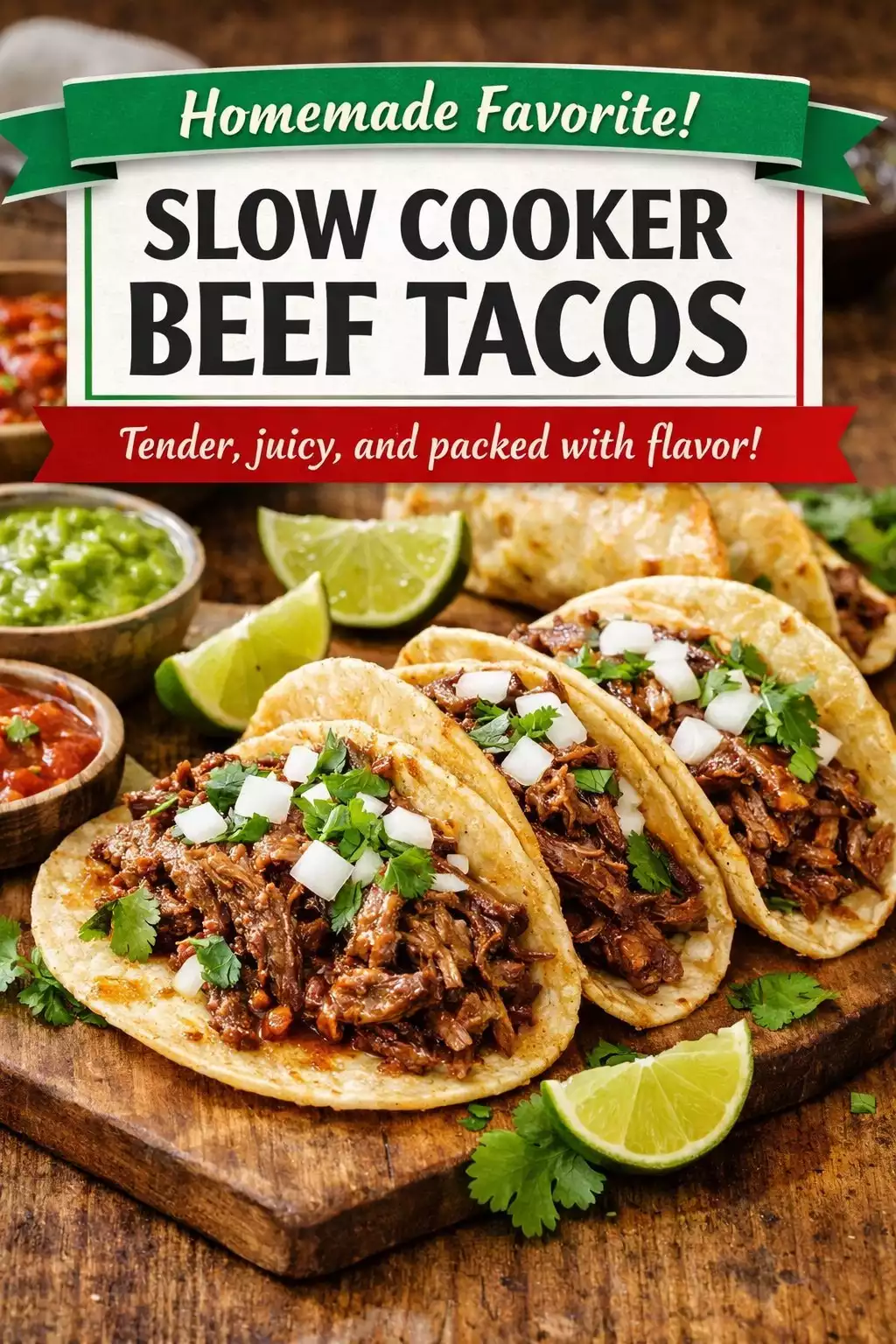
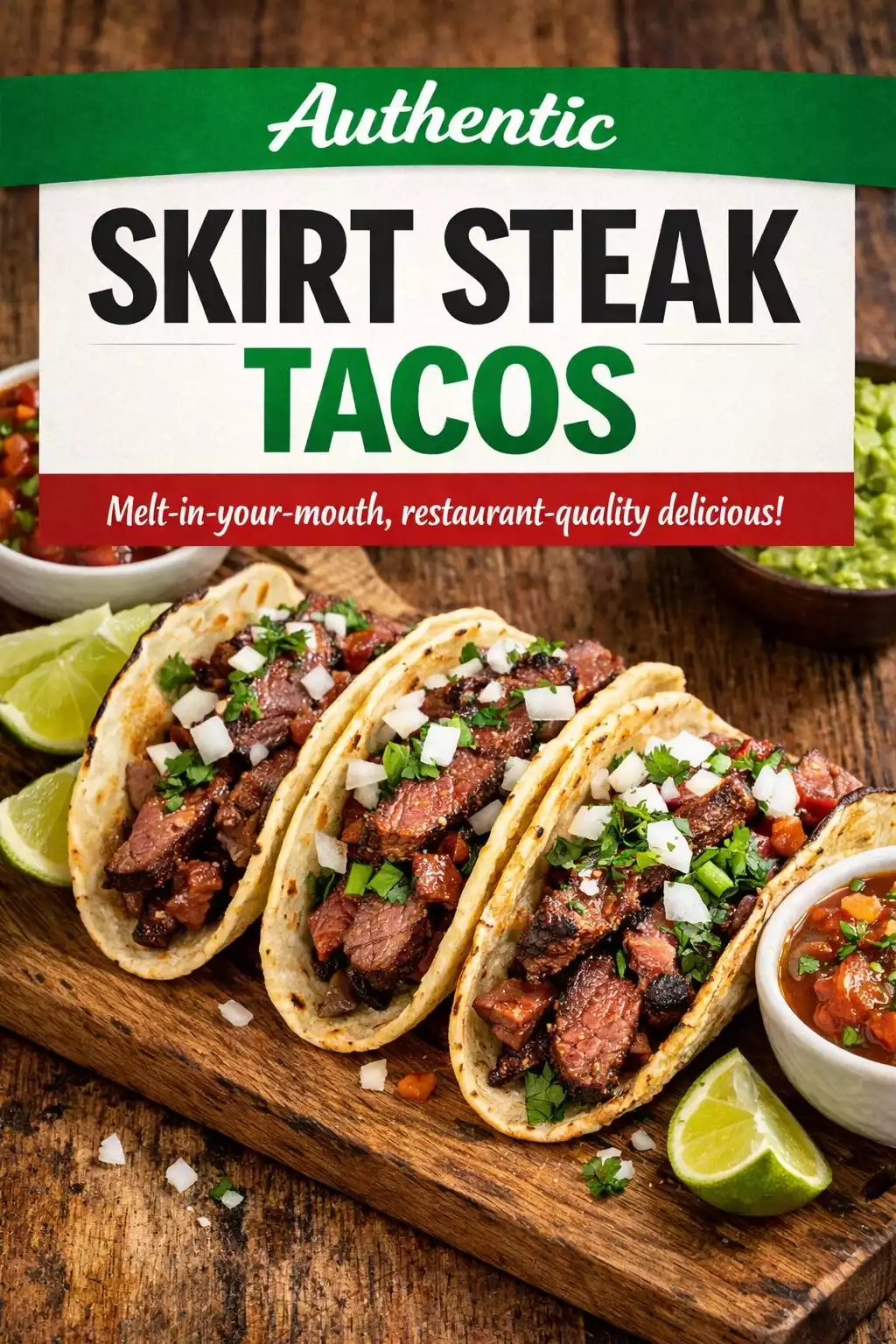
Serve these with the beef tacos recipe or use the same seasoned beef for classic beef tacos. The filling is interchangeable. Once the beef is seasoned right, the vessel is just a choice.
Why This Works
- Seasoned beef filling: Bland filling is the death of any quesadilla. Browning the beef with onion, garlic, cumin, and chili powder creates a filling that carries the whole bite, not just the cheese.
- Medium heat cooking: Low enough that the tortilla crisps without burning before the cheese melts. High heat gives burnt tortilla and cold cheese centers.
- Covering the pan: Trapping heat with a lid during the first minute of cooking ensures the cheese melts completely before flipping. No more half-melted, falling-apart quesadillas.
- Pressing while cooking: A spatula pressed gently on top of the quesadilla ensures even contact between tortilla and pan, resulting in uniform crispiness.
Ingredients
For the Beef Filling
- 1 lb ground beef (80/20)
- 1 small yellow onion, finely diced
- 3 cloves garlic, minced
- 1 teaspoon cumin
- 1 teaspoon chili powder
- ½ teaspoon smoked paprika
- ½ teaspoon garlic powder
- Salt and black pepper to taste
- 1 tablespoon olive oil
For the Quesadillas
- 4 large (10-inch) flour tortillas
- 2 cups shredded Monterey Jack or cheddar (or blend)
- Butter or cooking spray for the pan
- Optional: diced jalapeños, pickled onions, fresh cilantro
For Serving
- Sour cream
- Guacamole or sliced avocado
- Salsa or pico de gallo
- Lime wedges
Instructions
Step 1: Cook the Beef Filling
Heat olive oil in a large skillet over medium-high heat. Add ground beef and cook without breaking it up for the first 2 minutes to build a sear. Break it apart and continue cooking until browned, about 6-8 minutes. Add onion and cook 3-4 minutes until softened. Add garlic and all spices, stir to coat, and cook 1 minute more. Season with salt and pepper. Taste and adjust — the filling should be bold and well-seasoned since the tortilla and cheese will dilute it slightly. Set aside.
Step 2: Set Up the Assembly Station
Have tortillas, cheese, and filling all within reach. Wipe the skillet clean and return to medium heat. Add a thin layer of butter or cooking spray. The pan should be hot but not smoking — a drop of water should sizzle gently, not violently pop.
Step 3: Build the Quesadilla
Place one tortilla flat in the pan. Sprinkle a layer of cheese over one half of the tortilla only — enough to cover but not overfill. Add a generous scoop of beef filling over the cheese. Add any optional toppings (jalapeños, cilantro). Sprinkle a bit more cheese on top of the filling — the cheese on both sides acts as glue. Fold the empty half over to form a half-moon.
Step 4: Cook Both Sides
Press down gently with a spatula. Cover the pan with a lid for 1-2 minutes to trap heat and melt the cheese. Remove the lid. Check the bottom — it should be golden brown. Flip carefully and cook the other side uncovered for 1-2 minutes until equally golden. The cheese should be fully melted and the tortilla crispy without being burnt.
Step 5: Rest and Cut
Transfer to a cutting board and let rest 1 minute before cutting. This keeps the filling from spilling out immediately when cut. Slice into 3 triangles with a sharp knife or pizza cutter. Serve with sour cream, guacamole, and salsa on the side.
Tips & Common Mistakes
- Don’t overfill: More filling is not better here. Overfilled quesadillas fall apart when flipped and lose all their cheese onto the pan. A moderate, even layer is the goal.
- Medium heat is everything: The most common mistake. High heat burns the tortilla before the cheese melts. Medium heat gives a golden crisp and molten interior simultaneously.
- Cool the filling slightly: Adding hot, steaming beef straight to the tortilla creates steam inside that makes it soggy. Let the filling cool for 2-3 minutes before assembly.
- Two-cheese method: Using a meltier cheese (Monterey Jack) blended with a sharper one (cheddar) gives both flavor and superior melting. Pure sharp cheddar alone doesn’t melt as smoothly.
- Wipe the pan between batches: Leftover butter or cheese residue from the first quesadilla burns on the second. Wipe clean and re-butter between each one.
Variations Worth Trying
- BBQ beef quesadilla: Add 2 tablespoons of BBQ sauce to the cooked beef filling, swap to smoked Gouda cheese. Southern-style take on the format.
- Philly cheesesteak version: Add sautéed bell peppers and onions to the beef, use provolone cheese. Classic combination in a new vessel.
- Breakfast quesadilla: Scramble eggs into the beef, add hash brown potatoes and cheddar. An extraordinary morning option that uses the same base technique.
- Green chile addition: Mix in a small can of diced green chiles with the beef. Adds smoky, earthy heat that transforms the flavor profile completely.
- Make it a meal: For the full Mexican-American spread, pair with slow cooker barbacoa or slow cooker beef tacos for a taco night lineup.
Storage & Reheating
- Refrigerator: Store leftover cooked quesadillas wrapped in foil for up to 3 days. Store the beef filling separately for up to 4 days.
- Freezer: The cooked beef filling freezes well for up to 3 months. Cooked quesadillas can be frozen individually, but the tortilla texture changes — still edible but less crispy.
- Reheating: Reheat quesadillas in a dry skillet over medium-low heat, covered, for 2-3 minutes per side. Microwave makes them chewy and soggy. A toaster oven also works well to restore crispiness.
- Make-ahead filling: The beef filling can be made 3 days ahead and refrigerated. Assembly and cooking takes under 5 minutes from there — great for fast weeknight dinners.
Frequently Asked Questions
What tortilla size works best?
Ten-inch (large burrito size) flour tortillas are ideal. They’re big enough to fold in half with filling inside and still fit in a standard 12-inch skillet. Smaller tortillas work but result in less filling per quesadilla. Corn tortillas can be used but are less pliable and more likely to crack when folded.
Can leftover taco meat be used?
Absolutely — this is one of the best uses for leftover taco meat. Already seasoned ground beef or pulled beef from meatball sub nights translates perfectly here. This is a great leftover-transformation dish.
How do I keep them warm for a crowd?
Place finished quesadillas on a wire rack on a baking sheet in a 200°F oven. They’ll stay warm and crispy for up to 20 minutes without getting soggy. Stack them and they steam each other soft — keep them flat and separate.
What’s the best cheese for melting?
Monterey Jack, Colby Jack, and young cheddar melt smoothly. Sharp aged cheddar, while delicious, can be oily when melted. A blend of Monterey Jack (75%) and sharp cheddar (25%) gives the best of both: smooth melt and strong flavor.
Can these be made in an air fryer?
Yes. Assemble as directed, brush both sides lightly with oil, and air fry at 375°F for 4-5 minutes, flipping once at the halfway point. The result is extremely crispy — almost like a fried tortilla — with great cheese melt. Works especially well for making multiple quesadillas simultaneously.