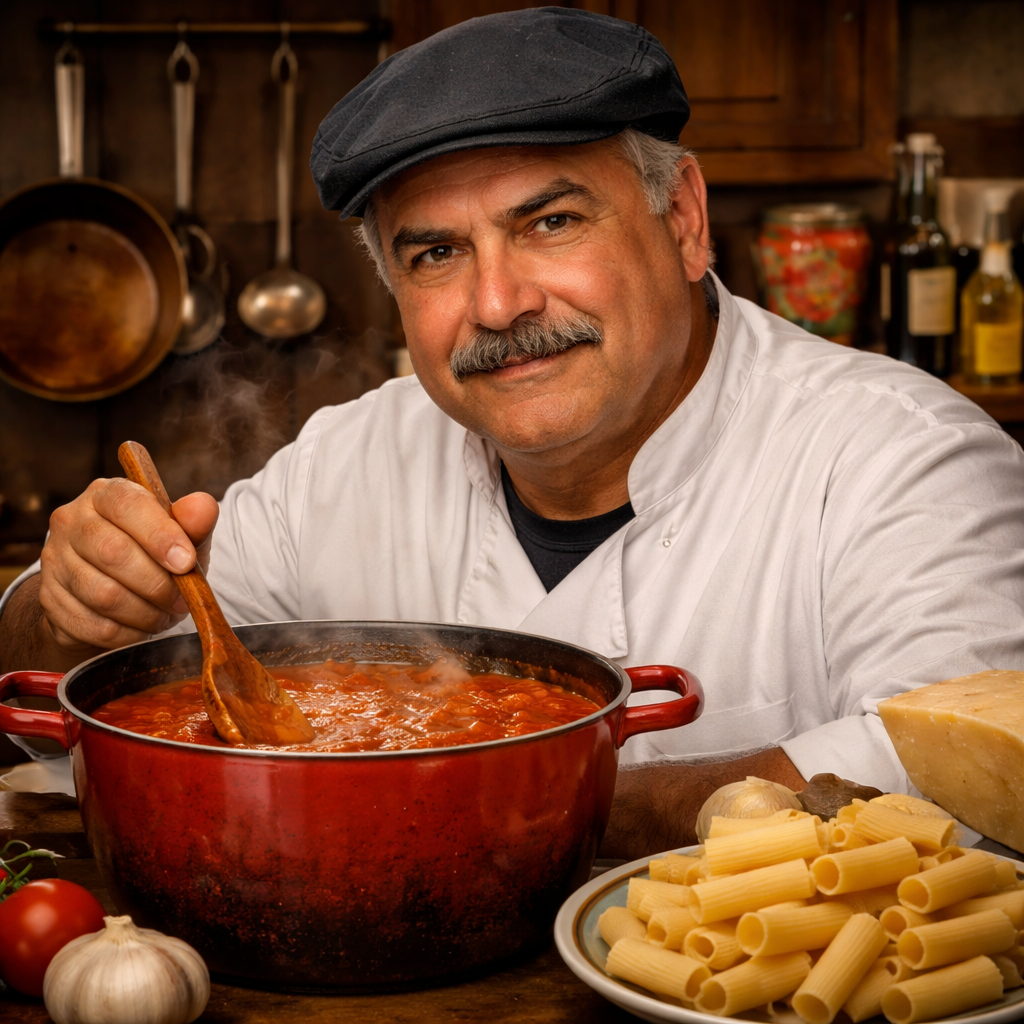
If you can boil water and follow directions, you can make this. Slow Cooker Beef and Vegetable Soup is the ultimate slow cooker payoff — a handful of real ingredients, a few minutes of prep, and eight hours later a pot of soup that tastes like someone stood over a stove all day. Nobody stood over a stove. The slow cooker did the work. That’s the agreement, and it delivers every time.
This isn’t just vegetable soup with some beef in it. The beef is the foundation — chuck or stew beef that breaks down slowly, releasing fat and collagen into the broth, creating a richness that vegetable broth alone can never produce. The vegetables absorb that beefy liquid and become something more than themselves. The end result is a soup that’s filling, flavorful, and the kind of thing that gets made on Sundays and eaten through the week.
For other slow cooker beef soups and stews that follow the same approach, the slow cooker beef stew is the thicker, heartier cousin. For chili lovers, slow cooker beef chili hits a completely different note. And check the classic beef stew for the stovetop version of this same soul.
Why This Works
- Chuck roast builds the broth: As the beef breaks down over eight hours, it releases collagen, fat, and muscle protein into the broth. This is why slow cooker beef soup has a richness that broth-from-a-can can never replicate.
- Tomato paste and Worcestershire: Two tablespoons of tomato paste and a splash of Worcestershire provide the umami backbone without making the soup taste like tomato soup. They deepen everything in the background.
- Vegetables added at the right time: Root vegetables — potatoes, carrots — need only the last 3-4 hours of cooking. Adding them at the start results in complete mush by hour eight. The staggered addition preserves texture.
- Bay leaves and fresh thyme: These aromatics steep through the entire cook time, infusing the broth slowly. They’re the kind of background flavor that’s hard to identify but immediately noticeable in its absence.
Ingredients
For the Soup
- 1½ lbs beef chuck or stew beef, cut into 1-inch cubes
- 3 medium carrots, sliced into rounds
- 3 medium Yukon Gold potatoes, diced
- 3 stalks celery, sliced
- 1 medium yellow onion, diced
- 3 cloves garlic, minced
- 1 can (14 oz) diced tomatoes
- 2 tablespoons tomato paste
- 1 tablespoon Worcestershire sauce
- 4 cups beef broth
- 2 cups water
- 1 teaspoon dried thyme
- 1 teaspoon dried rosemary
- 2 bay leaves
- 1 teaspoon garlic powder
- Salt and black pepper to taste
- 1 cup frozen green beans or peas (added last 30 minutes)
- Fresh parsley for serving
Instructions
Step 1: Sear the Beef (Optional but Recommended)
Pat beef cubes dry. Season with salt and pepper. Heat oil in a skillet over high heat and sear beef in batches, 2 minutes per side, until browned. This step is optional for a soup recipe (unlike a stew) but adds significant depth to the broth. Transfer to the slow cooker. Alternatively, skip the sear and add beef directly for a fully hands-off approach.
Step 2: Build the Base
Add onion, celery, and garlic to the slow cooker. Stir in tomato paste and Worcestershire sauce. Add diced tomatoes (with juices), beef broth, and water. Add thyme, rosemary, bay leaves, and garlic powder. Stir everything to combine. The liquid should cover all the ingredients with about an inch to spare.
Step 3: First Cook Phase
Cover and cook on LOW for 5 hours. During this phase, the beef breaks down and the aromatics infuse the broth. Don’t lift the lid during this time.
Step 4: Add Root Vegetables
After 5 hours, add carrots and potatoes to the slow cooker, submerging them in the broth. Cover and continue cooking on LOW for 2-3 more hours, until the vegetables are tender and the beef shreds easily.
Step 5: Final Additions and Serve
Add frozen green beans or peas during the last 30 minutes of cooking. Remove bay leaves. Taste for salt and pepper — add generously since soup often needs more seasoning than expected. Ladle into bowls and garnish with fresh parsley. Serve with crusty bread or a slice of garlic toast.
Tips & Common Mistakes
- Don’t add potatoes too early: The most common slow cooker soup mistake. Potatoes after 8 hours on LOW are flavorless mush. Add them in the last 3 hours maximum.
- Season at the end: Sodium concentrates as liquid reduces during slow cooking. Season conservatively at the start and taste-adjust at the end before serving.
- Use chuck, not lean beef: Lean beef (round, sirloin) dries out in long slow cooker cooking. Chuck’s fat and collagen are what make the broth rich. Don’t substitute.
- Broth quality matters more here than in stew: In a stew, the sauce is concentrated. In soup, the broth is more present. Use the best beef broth available, or homemade if possible.
- Liquid level: Slow cookers trap liquid; very little evaporates. Don’t add too much — the soup at the end will be more liquid-forward than at the start. Start with the recipe amount and add more only if needed.
Variations Worth Trying
- Italian wedding soup style: Add small meatballs (rolled from 1 lb ground beef) in the last 2 hours. Add escarole or spinach in the last 30 minutes. Finish with Parmesan and a squeeze of lemon.
- Barley beef soup: Add ½ cup pearl barley with the broth at the start. It cooks through in 6-8 hours and thickens the soup naturally. Old-school Italian-American comfort.
- Minestrone variation: Add a can of drained cannellini beans, zucchini, and a cup of small pasta (added in the last 30 minutes). A heartier, more vegetable-forward interpretation.
- Spicy kick: Add 1 teaspoon red pepper flakes with the other spices. A subtle warmth that runs through every sip without being aggressive.
- More slow cooker beef soups: Try slow cooker beef chili for a spice-forward variation, or the stovetop classic beef chili for a quick weeknight option.
Storage & Reheating
- Refrigerator: Store in an airtight container for up to 5 days. The broth thickens slightly overnight from the collagen — add a splash of broth when reheating.
- Freezer: Freezes well for up to 3 months. Freeze in individual portions for easy weekday lunches. Potatoes can become slightly grainy but are still fully edible.
- Reheating: Reheat on the stovetop over medium heat, adding broth if needed to reach desired consistency. Microwave in covered containers in 2-minute intervals, stirring between. Always taste and re-season after reheating — salt perception drops in cold food.
Frequently Asked Questions
Can canned vegetables be used?
For the diced tomatoes, yes — canned is standard and ideal. For everything else, fresh or frozen is strongly preferred. Canned carrots and potatoes are overcooked before they even go in the slow cooker. Frozen vegetables (green beans, peas, corn) work well added in the last 30 minutes.
How do I make the broth richer?
Three methods: (1) Use beef bone broth instead of regular broth; (2) Add a tablespoon of soy sauce for extra umami depth; (3) Add a small rind of Parmesan cheese to the slow cooker — it dissolves slowly and enriches the broth significantly. Remove before serving.
Can this be made on the stovetop?
Yes. Sear beef in a large Dutch oven, build the base as directed, bring to a boil, reduce to a simmer, and cook covered for 1.5-2 hours. Add vegetables in the last 45 minutes. Similar result in much less time. The classic beef stew uses this approach.
What if the soup tastes flat after cooking?
Flat soup almost always needs: (1) more salt, (2) an acid hit — a teaspoon of red wine vinegar or a squeeze of lemon, or (3) a tablespoon of Worcestershire sauce. These three fixes address the most common seasoning shortfalls. Taste methodically — usually one of these three solves it.
Is this soup freezer-friendly with the potatoes?
The potatoes survive freezing but the texture becomes slightly grainy. To avoid this, freeze the soup without potatoes and add fresh cooked potatoes when reheating. Alternatively, substitute white beans for the potatoes — they freeze perfectly and provide the same heartiness. See slow cooker beef stew for more details on potato-and-freeze considerations.