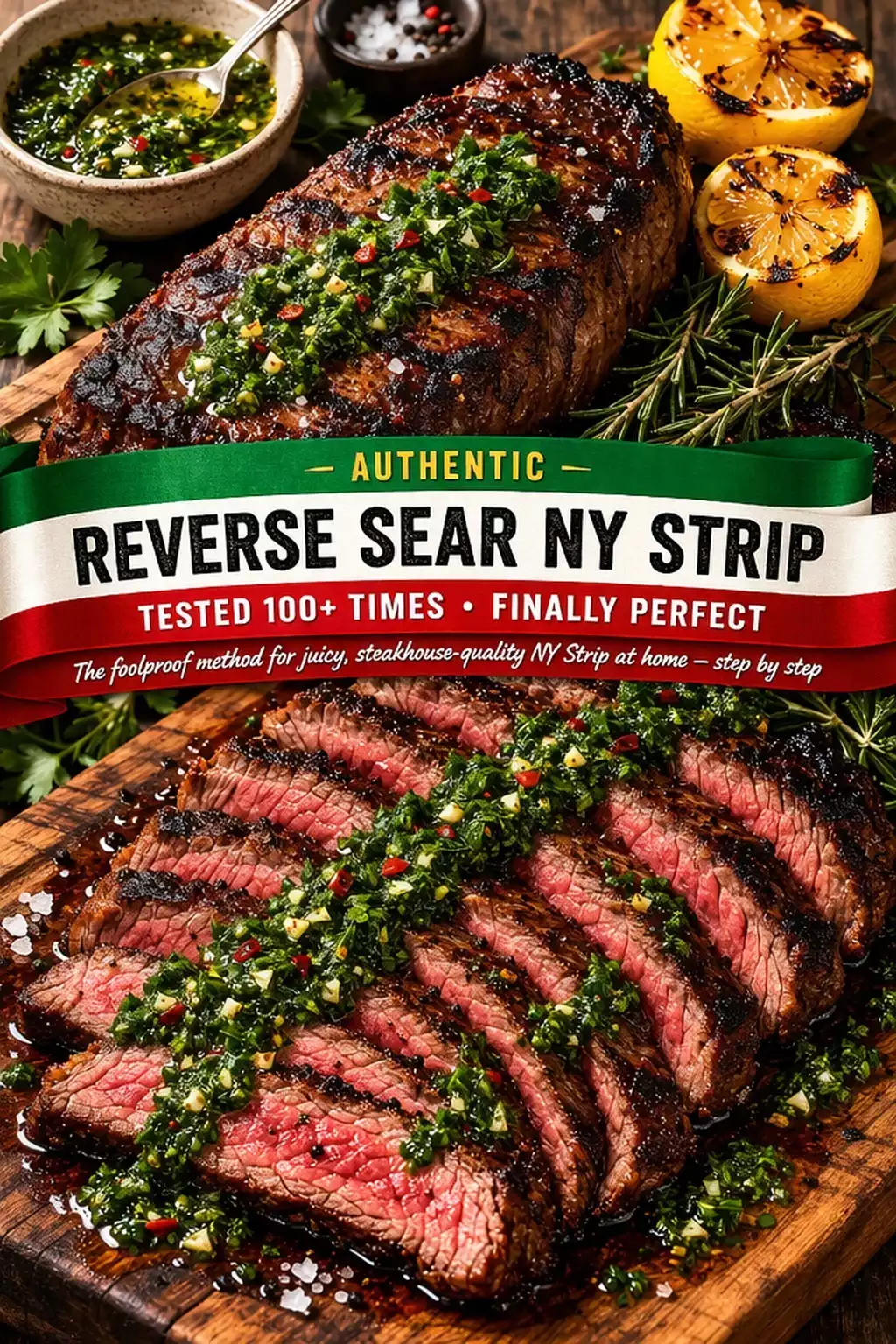
I spent 30 years in kitchens so you don’t have to mess this up. Grilled Flank Steak with Chimichurri is a dish I’ve made at every level — from banquet kitchens feeding three hundred to a backyard grill feeding six. The technique doesn’t change. The principles are the same. What changes is the cook’s confidence, and that’s what this recipe is here to build. Flank steak is one of the most forgiving cuts to work with if you understand two things: heat management and slicing direction.
Flank steak is lean, packed with flavor, and takes marinades and high heat beautifully. The chimichurri isn’t just a sauce — it’s an acid counterbalance to the char from the grill and the richness of the beef. Parsley, garlic, red wine vinegar, oil, herbs — it’s been balanced the same way in Argentinian kitchens for a hundred years and the logic is flawless. Bright against rich. Acidic against fatty char. Simple against complex. Make it the day before. The flavors develop overnight into something better than freshly made.
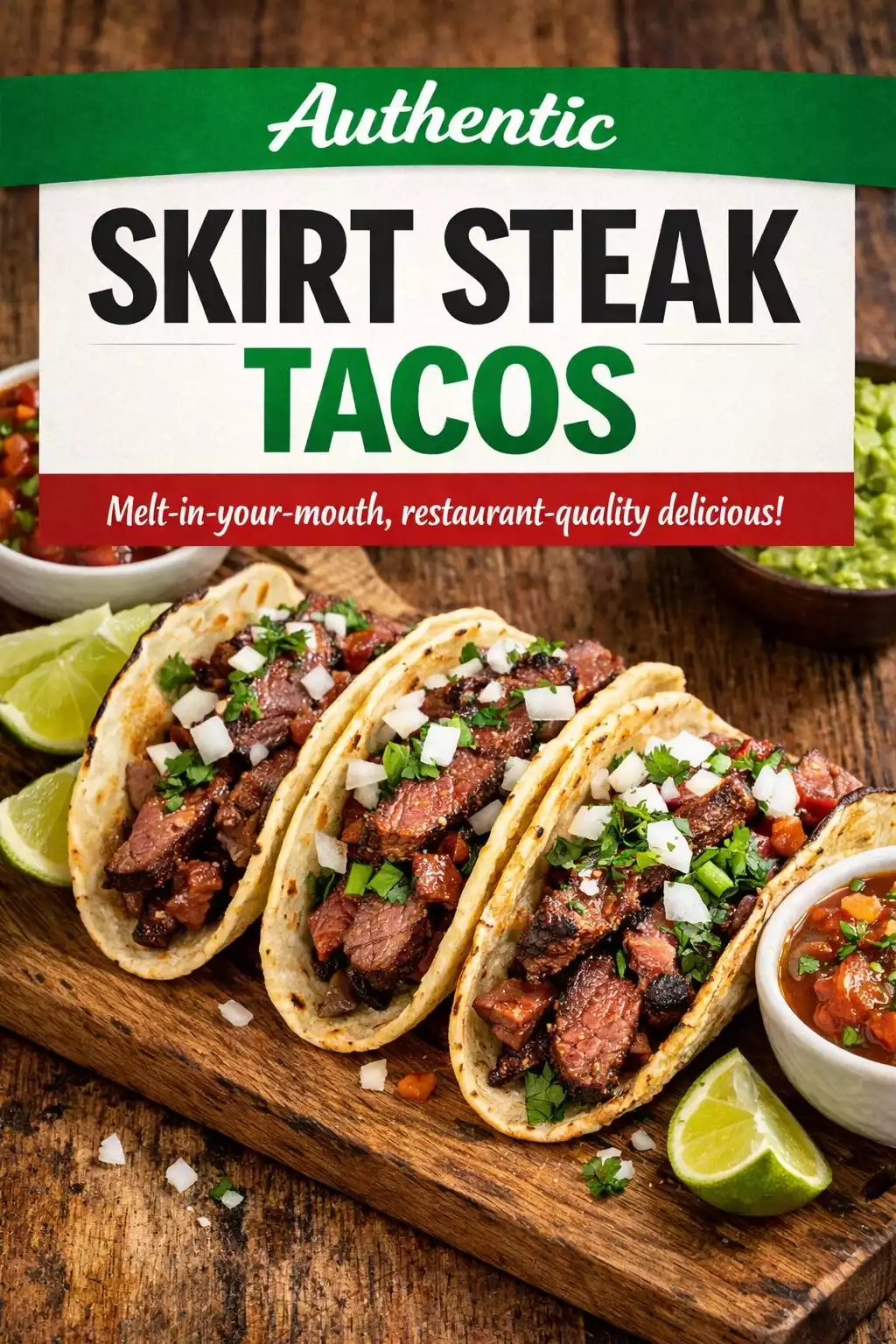
For more grilling and steak technique, the skirt steak tacos and steak fajitas both use similar cutting and high-heat principles. For complementary beef dishes, check the classic beef stew and homemade meatballs.
Why This Works
- Acid marinade for flank steak: The acidity in lime juice, Worcestershire, or vinegar-based marinades begins to break down the tight muscle fibers of lean flank steak, improving tenderness before the grill even touches it. Minimum 2 hours, ideally overnight.
- High, direct heat only: Flank steak is thin enough that it cooks through quickly. High heat creates the char and crust on the exterior while keeping the interior medium-rare. Low heat gives you gray, uniformly overcooked flank steak.
- Resting before slicing: This cut contracts significantly under heat. Resting 5-10 minutes allows the fibers to relax and the juices to redistribute evenly. Cut too soon and the board fills with juice that should stay in the steak.
- Always slice against the grain: Flank steak has long, visible muscle fibers running the length of the steak. Cutting across those fibers shortens them and makes every bite tender. Cutting with the grain makes even a perfectly cooked flank steak chewy.
Ingredients
For the Marinade
- 1.5-2 lb flank steak
- 3 tablespoons olive oil
- 3 tablespoons soy sauce
- 2 tablespoons lime juice
- 1 tablespoon Worcestershire sauce
- 4 cloves garlic, minced
- 1 teaspoon cumin
- 1 teaspoon smoked paprika
- Salt and black pepper
For the Chimichurri
- 1 cup fresh flat-leaf parsley, packed
- ¼ cup fresh cilantro (optional)
- 4 cloves garlic
- 2 tablespoons fresh oregano (or 1 tsp dried)
- ½ cup extra virgin olive oil
- 3 tablespoons red wine vinegar
- ½ teaspoon red pepper flakes
- Salt and black pepper to taste
Instructions
Step 1: Marinate the Steak
Combine all marinade ingredients. Score the surface of the flank steak lightly with a knife in a crosshatch pattern — this helps the marinade penetrate. Place steak in a zip-lock bag or shallow dish, pour marinade over, and refrigerate for at least 2 hours, up to overnight. Remove from fridge 30 minutes before grilling.
Step 2: Make the Chimichurri
Finely chop parsley, cilantro, garlic, and oregano by hand (or pulse in a food processor — don’t puree, keep some texture). Combine with olive oil, red wine vinegar, red pepper flakes, salt, and pepper. Taste and adjust — it should be bold, garlicky, and sharply acidic with a peppery finish. Make this at least an hour before serving for the flavors to develop. Overnight is better.
Step 3: Preheat the Grill
Preheat grill to high heat (450-500°F). Clean and oil the grates. The grill must be screaming hot — this is the key to the crust on a lean cut like flank steak. Remove steak from marinade and pat dry with paper towels. Dry surface = better crust.
Step 4: Grill
Place steak on the hottest part of the grill. Grill 4-5 minutes per side for medium-rare (130-135°F internal temperature), or 5-6 minutes per side for medium (140-145°F). Don’t move or press down during cooking. Let the grill do the work. Flank steak is thin — it cooks fast. Watch it.
Step 5: Rest and Slice
Transfer to a cutting board and rest 7-10 minutes. Identify the direction of the muscle fibers (the grain) running along the length of the steak. Cut perpendicular to those fibers, at a 45-degree angle for slightly wider slices, into ¼-inch strips. Arrange on a platter, drizzle generously with chimichurri, and serve the rest on the side.
Tips & Common Mistakes
- Against the grain is not optional: The single biggest flank steak mistake is cutting with the grain. The long muscle fibers become short when cut across. This makes the difference between tender and chewy.
- High heat, fast cooking: Flank steak is not a candidate for medium heat and slow cooking. Get the grill as hot as possible, cook fast, rest, slice. Low heat produces overcooked, dry flank steak.
- Don’t over-marinate: More than 24 hours in an acidic marinade begins to break down the meat’s texture in a negative way — it gets mushy rather than tender. 8-12 hours is ideal.
- Make chimichurri ahead: Fresh chimichurri is good. Day-old chimichurri is exceptional. The garlic mellows, the herbs absorb the oil, and the acid rounds out. Make it the morning before grilling at minimum.
- Rest on a board with a groove: Flank steak releases significant juice when rested. A cutting board with a juice groove catches it all. Don’t let it run off the board — that juice mixed back into the sliced steak is worth having.
Variations Worth Trying
- Flank steak tacos: Slice thin and serve in warm corn tortillas with the chimichurri, diced white onion, and cotija cheese. A South American-Mexican fusion that’s exceptional. See skirt steak tacos for a closely related taco application.
- Fajita variation: Marinate with fajita spices (cumin, chili powder, garlic, lime), grill, and serve with charred peppers and onions in flour tortillas. For the full fajita approach, check steak fajitas.
- Salsa verde instead of chimichurri: A tomatillo-based salsa verde provides a similar acidic brightness with a slightly smoky, tangy flavor. Outstanding with flank steak at a summer cookout.
- Indoor cast iron version: If no grill is available, cook in a screaming-hot cast-iron skillet with the same high-heat approach. Same searing time, same rest, same slicing rules. The char is less prominent but the steak is equally good.
- Korean marinade: Replace the marinade with soy sauce, sesame oil, garlic, ginger, brown sugar, and gochujang. Serve with rice and banchan instead of chimichurri. A completely different cultural application of the same technique.
Storage & Reheating
- Refrigerator: Store cooked flank steak wrapped in foil for up to 3 days. Excellent cold in salads, steak sandwiches, or grain bowls. Store chimichurri separately in a jar with a film of olive oil on top — it keeps for up to 1 week refrigerated.
- Freezer: Raw flank steak freezes well for up to 6 months. Marinate, freeze in the marinade, and thaw overnight in the fridge. Cooked steak can be frozen but the texture suffers.
- Reheating: Reheat cooked slices in a hot skillet for 1 minute per side. Or serve cold — sliced flank steak is excellent at room temperature or in a cold steak salad with the chimichurri.
Frequently Asked Questions
What’s the difference between flank steak and skirt steak?
Both are lean, flavorful, thin cuts that benefit from marinade and high-heat cooking. Skirt steak has more pronounced fat and a more intensely beefy flavor; flank steak is slightly leaner with a more subtle flavor. Skirt steak is better for fajitas and dishes where char is the goal; flank steak is better for slicing and serving with a sauce like chimichurri. Techniques are interchangeable.
Can flank steak be cooked well-done?
Technically yes, but it’s not recommended. Flank steak is a lean cut and loses significant moisture above 150°F. Well-done flank steak is chewy and dry regardless of marinade. Medium-rare to medium (130-145°F) is the correct range for this cut.
Is chimichurri the same as pesto?
Both are herb-based oil sauces but are fundamentally different. Pesto is Italian-origin: basil, pine nuts, Parmesan, garlic, olive oil — rich, nutty, creamy. Chimichurri is Argentine: parsley, oregano, garlic, red wine vinegar, olive oil, red pepper — sharp, acidic, herby, no dairy. They serve different purposes and neither replaces the other.
How long should the chimichurri rest before serving?
Minimum one hour. Overnight is ideal. The vinegar’s acidity slowly mellows the raw garlic bite and the herbs fully infuse the oil. Fresh chimichurri tastes sharp and somewhat harsh. Rested chimichurri tastes balanced and complex. The difference is real and significant.
What sides go best with this dish?
Grilled corn, roasted potatoes, or a simple arugula salad with lemon vinaigrette. The chimichurri is the strong flavor element, so sides should be neutral or complementary rather than competing. For a full Latin-inspired spread, pair with skirt steak tacos or sunday pot roast for a full beef menu.