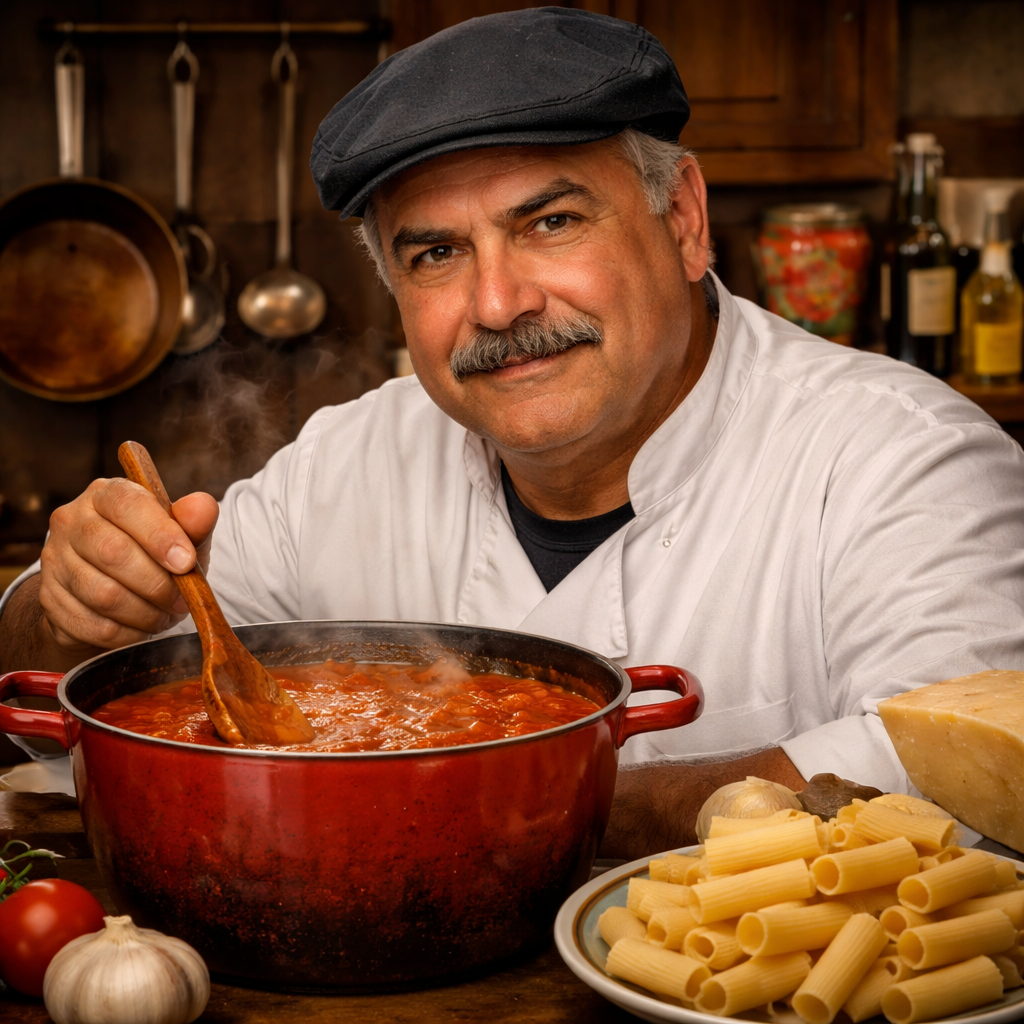
My old head chef used to say — if the aroma doesn’t hit the hallway, start over. Beef and Bean Chili passes that test every single time. This is the version of chili that I’ve made more times than any other — it’s the workhorse recipe, the crowd-feeder, the cold-weather anchor. It’s not trying to win a competition (though it would). It’s trying to be the best chili in a home kitchen, made from real ingredients, that tastes like a cook who actually cares about food made it.
The beans are not a compromise or a filler. They’re structural to the dish. They absorb the chile-spiced broth and become something entirely different from beans out of a can. They add protein, fiber, and a creamy counterpoint to the acid from the tomatoes and the heat from the chiles. This is not Texas chili (no beans) and it’s not Cincy chili (on spaghetti). This is the New Jersey version: bold, properly spiced, with plenty of beef and beans that contribute rather than dilute.
For a slow-cooked version of this same dish, see the slow cooker beef chili. For related soups and stews with different approaches, try the classic beef stew, slow cooker beef stew, and the stovetop classic beef chili.
Why This Works
- Browning the beef before the spices: Adding spices to raw, unbrowned beef means they steam with the meat’s moisture rather than blooming in fat. Brown the beef first, drain some fat, then add spices to the hot fat. The difference in aroma when the spices hit the pan is the indicator that this is working correctly.
- Chipotle and fresh chili powder together: Chipotle in adobo contributes smokiness and moderate heat. Chili powder provides earthy, layered chile flavor. Using both creates a more complex heat profile than either alone.
- Beans go in late: Adding beans at the start of a 45-minute simmer turns them mushy. Add canned beans in the last 15-20 minutes so they heat through and absorb some flavor without losing their structure.
- Simmer uncovered to concentrate: Covered chili accumulates liquid and becomes thin and watery. Simmering uncovered for 30+ minutes reduces the liquid, concentrates the flavors, and creates the body that distinguishes great chili from good chili.
Ingredients
For the Chili
- 1.5 lbs ground beef (80/20)
- 2 cans (15 oz each) kidney or pinto beans, drained and rinsed
- 1 can (28 oz) crushed tomatoes
- 1 can (14 oz) diced tomatoes
- 1 medium yellow onion, diced
- 1 green or red bell pepper, diced
- 4 cloves garlic, minced
- 2 chipotle peppers in adobo sauce, minced
- 1 tablespoon adobo sauce
- 2 tablespoons tomato paste
- 1 cup beef broth
- 3 tablespoons chili powder
- 2 teaspoons cumin
- 1 teaspoon smoked paprika
- 1 teaspoon garlic powder
- 1 teaspoon onion powder
- 1 teaspoon dried oregano
- ½ teaspoon cayenne (adjust)
- Salt and black pepper to taste
- 1 tablespoon olive oil
Instructions
Step 1: Brown the Beef
Heat oil in a large Dutch oven or heavy pot over medium-high heat. Add ground beef and cook without breaking up for 2 minutes to sear the bottom. Break apart and continue cooking until fully browned, about 8 minutes. Season with salt and pepper. Drain excess fat, leaving about 2 tablespoons in the pot.
Step 2: Aromatics and Spice Bloom
Add onion and bell pepper to the beef. Cook 4-5 minutes until softened. Add garlic and cook 1 minute. Add tomato paste and all the spices. Stir constantly for 2 minutes — the spices toast in the fat, the tomato paste caramelizes. This 2-minute bloom step is where the chili’s depth is built. Don’t rush it.
Step 3: Add Liquids and Chiles
Add chipotle peppers, adobo sauce, crushed tomatoes, diced tomatoes, and beef broth. Stir thoroughly, scraping up any browned bits from the bottom. Bring to a boil, then reduce to a vigorous simmer.
Step 4: Simmer Uncovered
Simmer uncovered for 25-30 minutes, stirring occasionally. The chili should reduce and thicken noticeably. If it’s thickening too fast, reduce the heat slightly. After 25 minutes, it should have body and a rich red color.
Step 5: Add Beans and Final Season
Add drained beans and stir to combine. Simmer another 10-15 minutes. Taste for seasoning — add salt, more chipotle for heat, or chili powder for more depth. The final seasoning adjustment is critical. Serve with preferred toppings: shredded cheese, sour cream, diced onion, jalapeños, and lime.
Tips & Common Mistakes
- Bloom the spices: The 2-minute toasting of spices in fat is the single most impactful step in chili making. It converts the aromatic compounds in dried spices from dormant to active. Skipping it is the difference between flat, grainy spice flavor and deep, complex chili flavor.
- Simmer uncovered: Covered chili is thin chili. The steam that would escape through evaporation stays in the pot and dilutes everything. Uncovered simmering concentrates the flavors and builds the body that makes chili satisfying.
- Taste and adjust at the end: Chili is a dish where final calibration matters more than any other. After an hour of cooking, the flavors have changed. Taste and decide: more heat, more depth, more brightness from lime, more salt. Each adds something different.
- Beans in late, not early: Canned beans are already fully cooked. They need 10-15 minutes to heat through and absorb chili flavor. More than 30 minutes and they start to break down. Add them in the final stage only.
- Rest before serving: Chili made 30-60 minutes before serving and then gently reheated is consistently better than freshly cooked chili. Resting allows the flavors to marry and deepen.
Variations Worth Trying
- White bean chili: Use white cannellini beans and omit the chipotle. Add cumin, oregano, and diced green chiles instead. A completely different flavor profile that’s milder and more herb-forward.
- Black bean beef chili: Black beans have a slightly earthier, more assertive flavor than kidney beans and hold their shape slightly better in the pot. Excellent with this spice blend.
- Three-bean version: Use one can each of kidney, pinto, and black beans. The variety adds textural interest and slightly different flavor notes from each variety.
- Stout beef chili: Replace the cup of beef broth with a bottle of stout beer (Guinness is ideal). The malty bitterness adds complexity and rounds out the chile heat.
- Set-it-and-go version: Transfer to a slow cooker after Step 3 and cook on LOW for 6-8 hours. The beans go in during the last hour. See slow cooker beef chili for the full slow cooker version.
Storage & Reheating
- Refrigerator: Store in an airtight container for up to 5 days. Chili is one of the few dishes that genuinely improves overnight as the flavors continue to develop in the fridge.
- Freezer: Freezes exceptionally well for up to 4 months. One of the best make-ahead, freeze-ahead meals available. Portion into individual containers for instant weekday lunches.
- Reheating: Stovetop over medium-low heat with a splash of broth to loosen. Stir frequently. Microwave covered in 2-minute intervals with stirring. Always taste and re-season after reheating — salt and spices can mute when refrigerated.
Frequently Asked Questions
What makes this better than other chili recipes?
The spice bloom step and the uncovered simmer are the two techniques that most chili recipes skip or rush. Both are essential. The chipotle-and-chili-powder combination adds a complexity that single-chile recipes don’t achieve. And the late-addition beans retain their structure instead of becoming mush.
How do I fix chili that’s too thin?
Simmer uncovered on medium heat for 15-20 minutes to reduce. Alternatively, mash some of the beans against the side of the pot — the starch naturally thickens the liquid. A tablespoon of masa harina (corn flour) dissolved in cold water and stirred in is another effective thickener that keeps the flavor clean.
Can ground turkey replace the beef?
Yes. Use the same amount, same technique. Ground turkey produces lighter chili with a less rich, slightly drier base. Add an extra tablespoon of oil since turkey is leaner, and increase seasoning by about 20% since the milder protein absorbs flavor less aggressively than beef.
Is this chili recipe spicy?
Medium heat with the two chipotles and ½ teaspoon cayenne. For mild: use one chipotle, omit the cayenne. For hot: three chipotles and 1 teaspoon cayenne. For extra hot: add 1-2 fresh jalapeños with the onion and an extra chipotle. Adjust incrementally and taste as you go. For comparison, see slow cooker beef chili for the same heat profile in slow cooker format.
What toppings are essential for beef and bean chili?
The five basics: shredded cheddar, sour cream, diced white onion, sliced jalapeños, and a squeeze of lime. The lime is the most important finishing element — it brightens every other flavor in the bowl. Optional but excellent: pickled red onions, avocado, crumbled cornbread on top, or Fritos for a Frito pie variation.