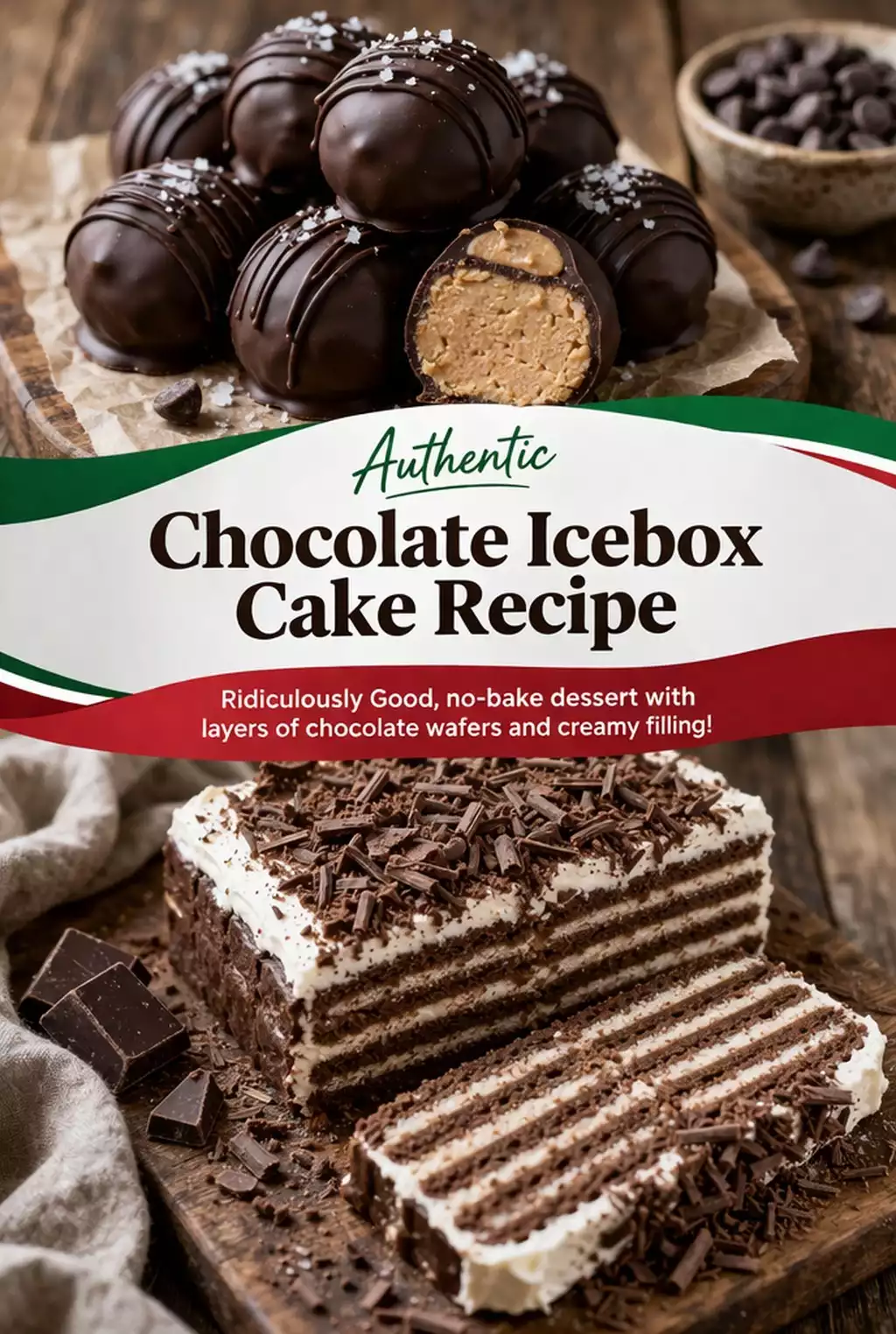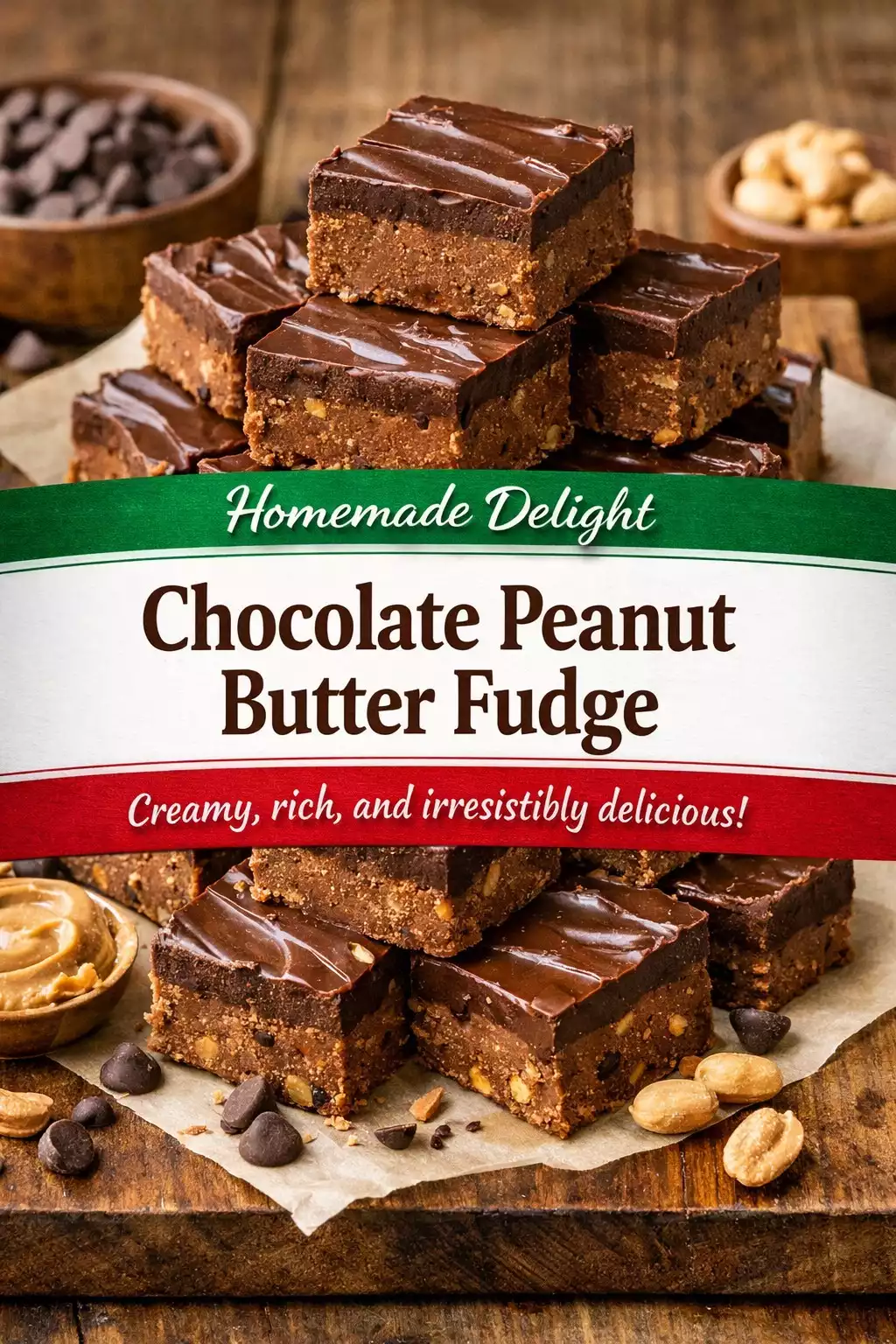
There are no shortcuts worth taking in a kitchen that cares about food. And yet No-Bake Peanut Butter Balls are proof that “no shortcuts” doesn’t mean “complicated.” These are three ingredients and a refrigerator. They’ve been on every holiday cookie tray in this family for as long as anyone can remember. The kid grabs three before dinner. The adults act like they didn’t. There’s never any left by the next morning, and I’ve never felt the need to explain that to anyone.
The technique is minimal but the details matter. The peanut butter filling needs to be firm enough to roll without sticking — that means the right butter-to-peanut-butter-to-sugar ratio and proper chilling before dipping. The chocolate coating needs to set clean and thin, not thick and fudgy. Dark chocolate is the right call here. The contrast between the sweet, dense peanut butter center and the snappy, bitter dark chocolate exterior is what makes the whole thing work.
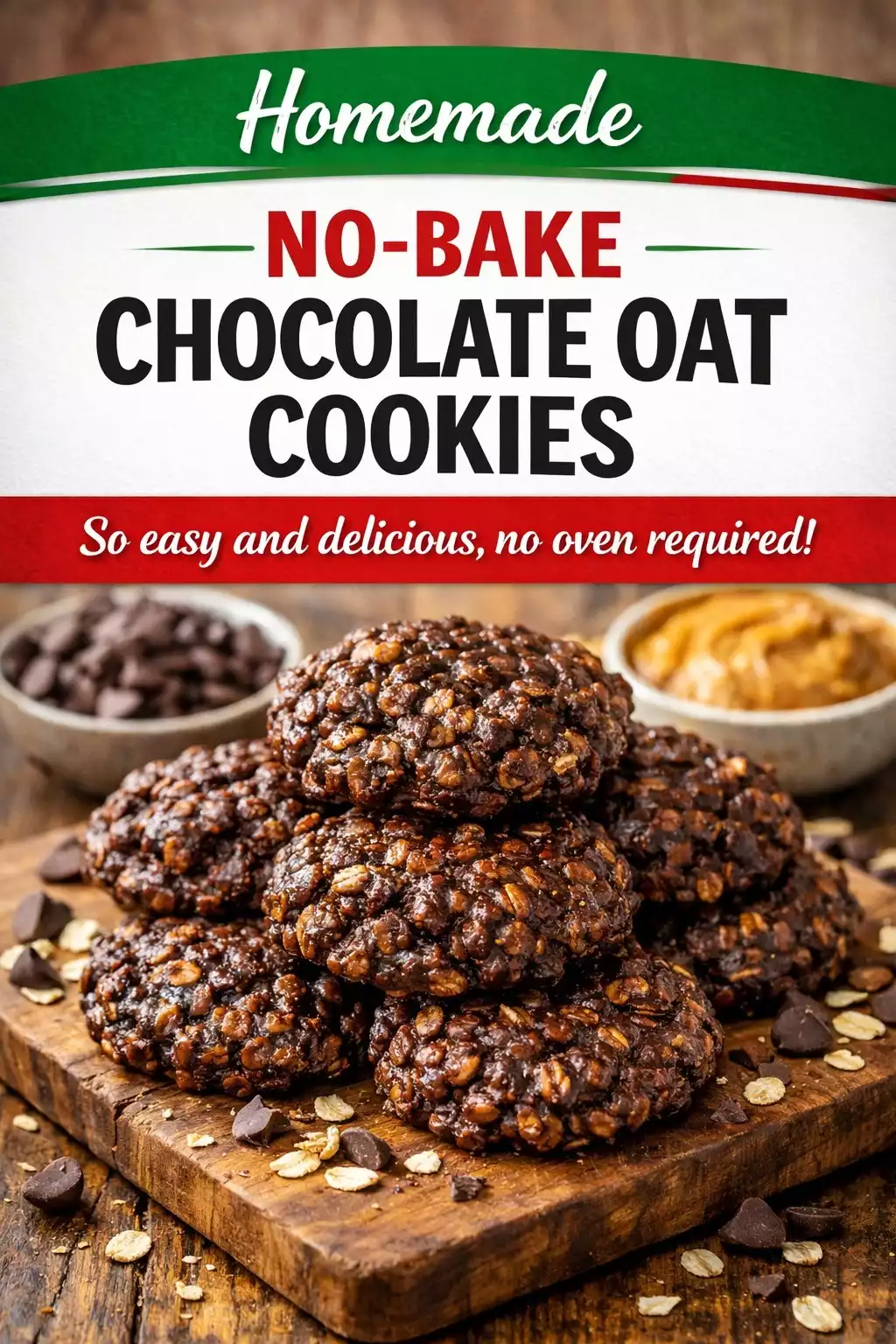
For more no-bake desserts in the same category, see the no-bake cheesecake, the no-bake chocolate oat cookies, the no-bake lemon pie, and the no-bake banana pudding. These are all part of the same no-oven dessert family.
Why This Works
- Chilling before dipping: Room-temperature peanut butter balls are soft and fall apart when dipped in warm chocolate. Properly chilled balls (30-60 minutes in the freezer or 2+ hours in the fridge) are firm enough to hold their shape through the dipping process and the chocolate sets faster on a cold surface.
- Cream or coconut oil in the chocolate: Melted dark chocolate alone is too thick and sets too fast for smooth dipping. Adding a teaspoon of coconut oil or heavy cream thins the chocolate to a more fluid consistency that coats evenly and sets thin.
- Butter in the filling: The butter helps bind the powdered sugar and peanut butter, creates a smoother texture, and adds a richness that peanut butter alone lacks. Salted butter specifically balances the sweetness.
- Dark chocolate over milk chocolate: The sweetness of the peanut butter filling already provides plenty of sugar. Dark chocolate’s bitterness creates a contrast that makes each bite more interesting. Milk chocolate works but produces a sweeter, less balanced result.
Ingredients
For the Peanut Butter Filling
- 1 cup creamy peanut butter (commercial, not natural)
- 4 tablespoons salted butter, softened
- 1.5 cups powdered sugar, sifted
- 1 teaspoon vanilla extract
For the Chocolate Coating
- 12 oz dark chocolate chips or chopped dark chocolate (60-70% cacao)
- 2 teaspoons coconut oil or heavy cream
Instructions
Step 1: Make the Filling
Beat softened butter with peanut butter until smooth. Add sifted powdered sugar and vanilla — mix until completely combined and the mixture forms a dough-like consistency. It should be firm enough to roll into balls without sticking to hands. If too soft, add 2-3 tablespoons more powdered sugar. If too stiff, add a teaspoon of peanut butter.
Step 2: Roll and Chill
Roll the filling into 1-inch balls using slightly dampened hands to prevent sticking. Place on a parchment-lined sheet pan. Refrigerate for at least 2 hours, or freeze for 30-45 minutes. The balls must be completely firm and cold before dipping. Test one — it should hold its shape under the touch of a finger without denting.
Step 3: Melt the Chocolate
Melt chocolate and coconut oil together in a double boiler or microwave in 30-second intervals, stirring between each, until completely smooth. The chocolate should be fluid and pourable, not thick and pasty. Let it cool for 5 minutes before dipping — chocolate that’s too hot will melt the filling.
Step 4: Dip the Balls
Working with one ball at a time and keeping the rest cold, dip each peanut butter ball into the melted chocolate using a fork or dipping tool. Let excess chocolate drip off, then place on a parchment-lined sheet pan. For a buckeye style (the classic), leave a small circle of exposed peanut butter on top by pressing a fork or toothpick into the top before dipping, or only dipping three-quarters of the ball.
Step 5: Set and Serve
Refrigerate the dipped balls for 20-30 minutes until the chocolate is completely set and has a glossy finish. Store covered in the refrigerator. Serve cold — they soften at room temperature and the contrast between the firm chocolate shell and the dense peanut butter center is best when cold.
Tips & Common Mistakes
- Don’t use natural peanut butter: Natural peanut butter (where the oil separates) has a different fat and moisture content than commercial peanut butter. It makes a looser, harder-to-work-with filling that doesn’t hold its shape as well. Use Jif, Skippy, or similar commercial creamy peanut butter.
- Chill thoroughly before dipping: This is the most critical step. Soft peanut butter balls fall apart in warm chocolate. The contrast between cold filling and warm chocolate also helps the coating set faster and more evenly.
- Thin the chocolate properly: Undiluted melted chocolate is too thick. The coconut oil thins it just enough for smooth, thin coating. Add coconut oil a teaspoon at a time and test the consistency by dipping a spoon — it should coat and drip smoothly.
- Work quickly and keep the rest cold: Don’t remove all the balls from the fridge at once. Take out 5-6 at a time, dip them, return them to the fridge, and take out the next batch. Warm peanut butter balls in warm chocolate is a mess.
- A dipping fork is worth the investment: A proper two-pronged dipping fork allows clean, controlled dipping. A regular fork works but excess chocolate tends to pool and drip unevenly. A toothpick works for small batches.
Variations Worth Trying
- Buckeye style: The classic Ohio version leaves a circle of exposed peanut butter on the top, resembling the eye of a buckeye nut. Insert a toothpick in the top of each chilled ball, dip leaving the top exposed, and then seal the toothpick hole with a dab of chocolate.
- White chocolate coating: Use white chocolate instead of dark. The sweetness doubles up with the peanut butter filling — a more indulgent, candy-like result. Balance with a pinch of flaky sea salt on top.
- Rice Krispies addition: Fold ½ cup of Rice Krispies cereal into the peanut butter filling before rolling. Adds texture and crunch to the interior of each ball.
- Graham cracker base: Add ½ cup crushed graham crackers to the filling. Makes the interior slightly firmer and adds a subtle honey-graham flavor that works well with peanut butter and chocolate.
- Seasonal decoration: Drizzle with white chocolate in contrasting lines. Sprinkle with sea salt, festive sprinkles, or crushed nuts before the coating sets. For more holiday-season no-bake treats, see the no-bake chocolate oat cookies.
Storage & Serving
- Refrigerator: Store in an airtight container for up to 2 weeks. Layer with parchment paper between layers to prevent sticking. The flavor actually improves after 24 hours as everything melds together.
- Freezer: Freeze in a single layer on a parchment-lined pan until solid, then transfer to a zip-lock bag. Freeze for up to 3 months. A frozen peanut butter ball is essentially a homemade candy bar. Serve straight from the freezer for the coldest, firmest experience.
- Room temperature: These can be served at room temperature for up to 2 hours but the texture softens noticeably. For parties, serve cold from the fridge or semi-frozen for the best texture.
Frequently Asked Questions
Can I use crunchy peanut butter?
Yes. Crunchy peanut butter creates a slightly different texture in the filling — bits of peanut throughout that add textural contrast against the smooth chocolate. The rolling is slightly less clean but the flavor is excellent. Still use commercial (not natural) crunchy peanut butter.
Why is my filling too soft to roll?
Either too much peanut butter relative to powdered sugar, or the butter was too soft. Add powdered sugar 2 tablespoons at a time, mixing after each addition, until the consistency is dough-like and holds a ball shape. If butter was very soft, refrigerate the filling for 30 minutes before rolling.
Why did my chocolate coating crack?
Likely the filling was too cold (from the freezer rather than refrigerator) when dipped. The extreme temperature difference between frozen filling and warm chocolate can cause cracking as the chocolate contracts. For smooth coating, use refrigerator-chilled (not freezer-chilled) balls when possible.
Can these be made dairy-free?
Yes. Replace butter with vegan butter (Earth Balance is reliable). Use dairy-free dark chocolate for coating. The filling and coating technique are identical. The result is virtually indistinguishable from the original.
How many does this recipe make?
Approximately 36-40 one-inch balls. It scales easily — double or triple the recipe for holiday trays. The filling can be made up to 3 days ahead and refrigerated before rolling and dipping. For more holiday dessert options, the no-bake cheesecake and no-bake lemon pie are equally crowd-pleasing and make-ahead friendly.