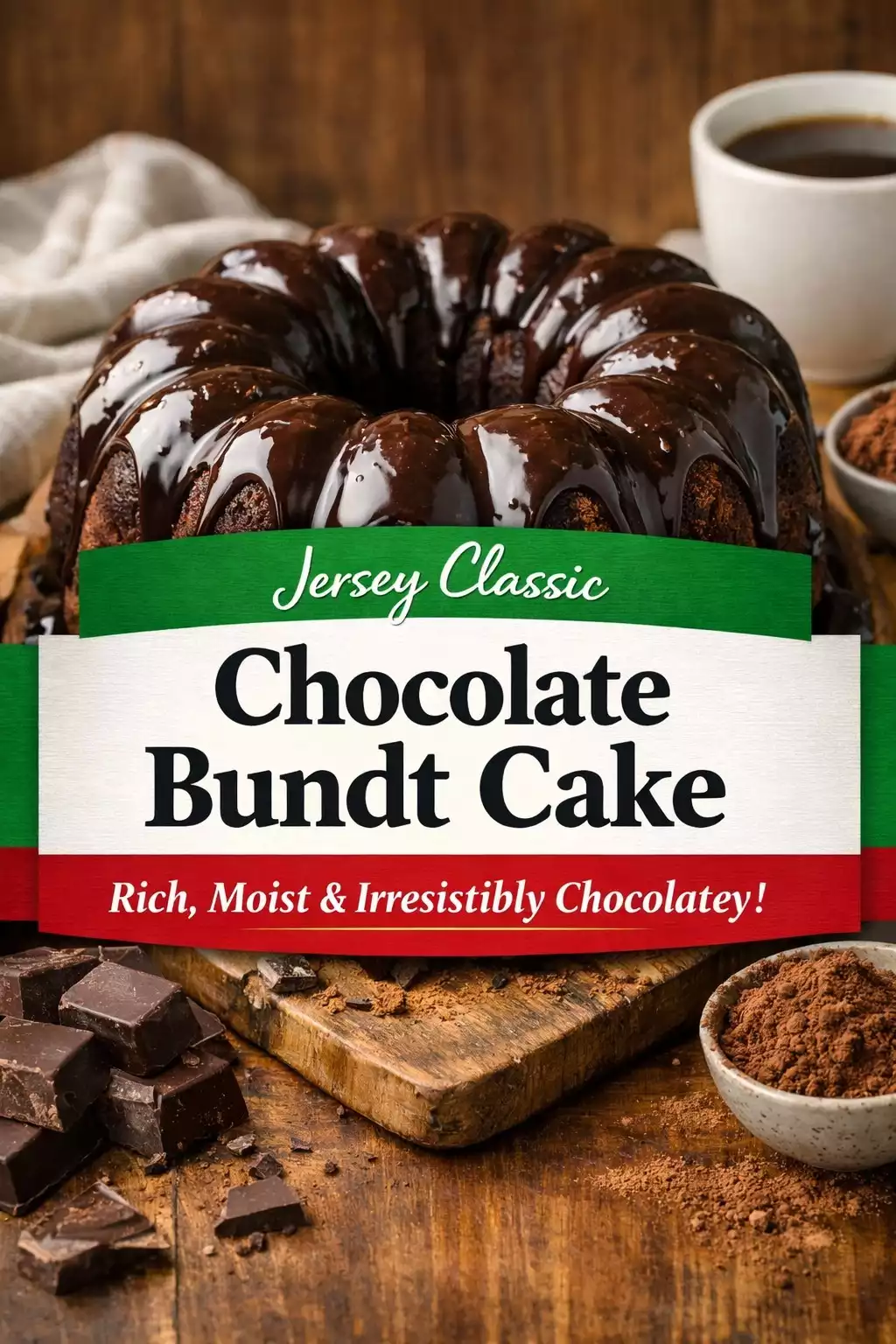
This is Jersey comfort food, and I won’t apologize for it. Chocolate Bundt Cake is the cake that shows up at every occasion in this family — Sunday dinners, birthdays, graduations, the days when nothing happened but it felt like dessert was warranted anyway. A bundt pan is not a compromise — it’s a statement. The ring shape means every slice has the same amount of crust-to-interior ratio. The glaze runs down the ridges like it was designed that way. The occasion is upgraded by the appearance alone.
The technique in this recipe is built on one idea: maximum moisture, maximum chocolate flavor, maximum structure to hold the glaze. That means buttermilk for tenderness, hot coffee (or hot water) to bloom the cocoa, and high-quality Dutch-process cocoa for depth. The resulting cake doesn’t need frosting — a chocolate ganache glaze that pools in the crevices is exactly the right amount. More would be too much. The cake is already doing everything.
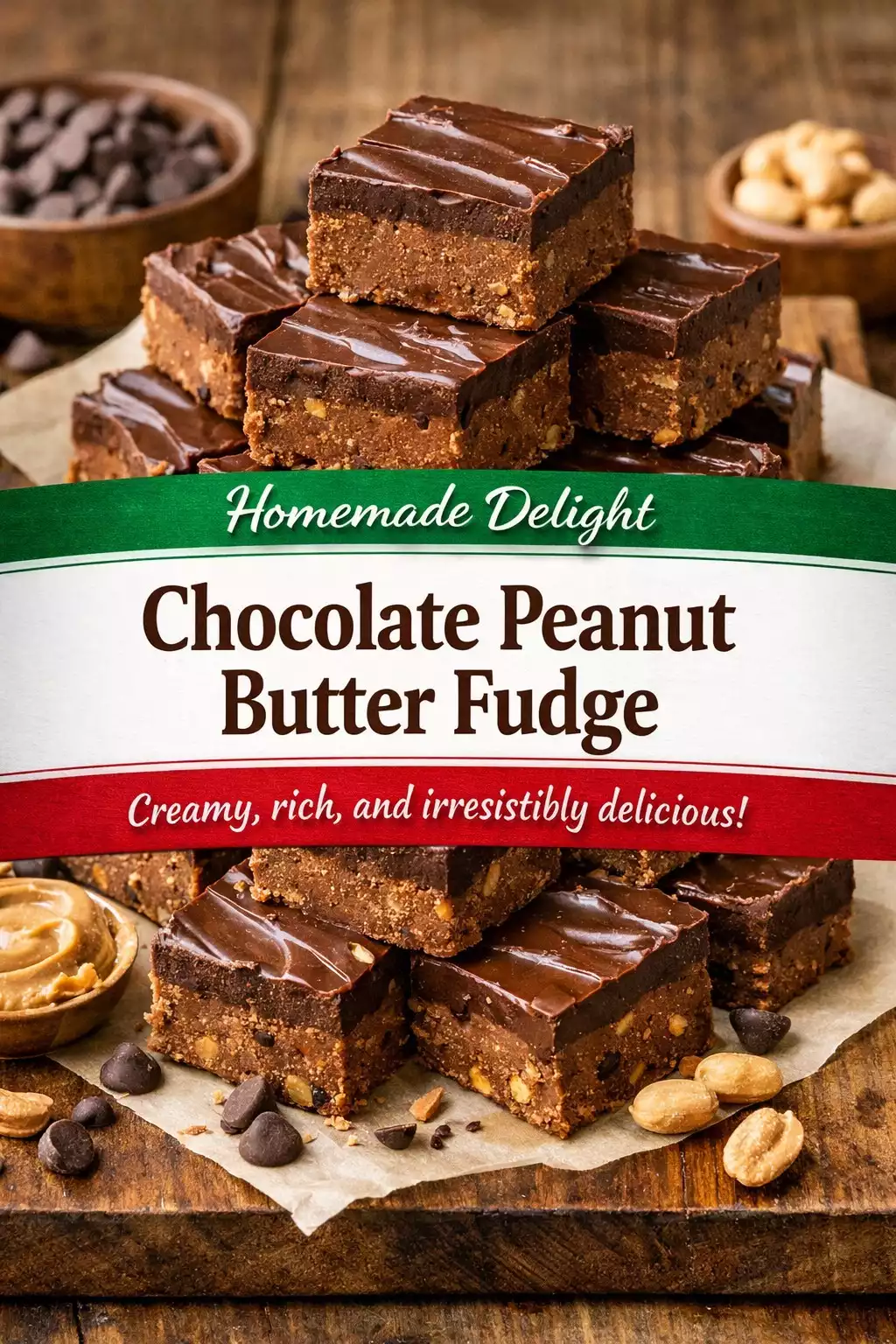
For other chocolate baking in the same family, see the double chocolate cookies for cookies in the same intensity range. The brown butter chocolate chip cookies, tres leches cake, chocolate peanut butter fudge, and molten chocolate lava cakes complete the chocolate dessert lineup.
Why This Works
- Hot coffee or hot water blooms the cocoa: Adding hot liquid to dry cocoa powder activates and dissolves the cocoa molecules more completely than cold or room-temperature liquid. The result is more intense, more complex chocolate flavor from the same amount of cocoa.
- Buttermilk for tenderness: The acid in buttermilk reacts with baking soda to create lift while also tenderizing the gluten in the flour. The result is a moist, tender crumb that doesn’t dry out quickly. Buttermilk also adds a very subtle tang that prevents the cake from tasting flat-sweet.
- Brown butter in the batter: Brown butter adds nutty depth that makes the chocolate more complex without adding any additional chocolate. Two tablespoons of brown butter versus regular melted butter — the difference is subtle but real.
- Ganache glaze temperature: The glaze should be poured at about 90-95°F — warm enough to flow into the ridges but cool enough to thicken as it runs rather than running completely off the cake. Too hot and it pours off. Too cold and it doesn’t run at all.
Ingredients
For the Cake
- 2 cups all-purpose flour
- 2 cups granulated sugar
- 1 cup Dutch-process cocoa powder
- 2 teaspoons baking soda
- 1 teaspoon baking powder
- 1 teaspoon salt
- 2 large eggs, room temperature
- 1 cup buttermilk, room temperature
- 1 cup hot coffee or hot water
- ¾ cup vegetable oil
- 2 teaspoons vanilla extract
For the Chocolate Ganache Glaze
- 6 oz dark chocolate, finely chopped
- ¾ cup heavy cream
- 1 tablespoon butter
- 1 tablespoon corn syrup (for shine)
Instructions
Step 1: Prepare the Pan
Preheat oven to 350°F. Butter every crevice of a 12-cup Bundt pan thoroughly using softened butter and a pastry brush. Dust with cocoa powder (not flour — cocoa prevents white residue on the exterior of a chocolate cake). Tap out excess. Refrigerate while making the batter.
Step 2: Mix the Dry Ingredients
In a large bowl, whisk together flour, sugar, cocoa, baking soda, baking powder, and salt. Whisk thoroughly to ensure even distribution of the leavening agents.
Step 3: Add the Wet Ingredients
In a separate bowl, whisk together eggs, buttermilk, oil, and vanilla. Pour the wet ingredients into the dry and stir until about halfway combined. Add the hot coffee or hot water and stir until just combined — the batter will be thin. This is correct. Don’t overmix.
Step 4: Bake
Pour the batter into the prepared Bundt pan. Bake for 50-60 minutes. Test at 50 minutes — a toothpick inserted in the thickest part should come out with just a few moist crumbs, not clean (clean means overbaked) and not wet batter. Let cool in the pan for 15 minutes, then invert onto a wire rack and cool completely before glazing — at least 1 hour.
Step 5: Make and Pour the Ganache
Heat cream to just simmering. Pour over chopped chocolate. Wait 1 minute, then stir from the center outward until completely smooth. Add butter and corn syrup; stir until incorporated. Let cool to 90-95°F — the glaze should be pourable but not hot. Pour over the cooled cake in a steady stream, allowing it to run down the sides naturally. Let set for 30 minutes before slicing.
Tips & Common Mistakes
- Grease the Bundt pan completely: A Bundt pan’s ridges and center tube are the most common sticking point in baking. Every surface needs butter and cocoa coverage. A stuck cake is not salvageable. Use a pastry brush and take 3 minutes to do this properly.
- Don’t overbake: A toothpick coming out completely clean means 5-10 minutes too long. Pull when there are still a few moist crumbs. Chocolate bundt cake retains heat and continues cooking in the pan for 15 minutes after removal.
- Cool completely before glazing: Warm cake melts the ganache and it runs completely off. The cake must be at room temperature for the glaze to set in the ridges rather than pooling on the serving plate.
- Hot coffee, not brewed coffee at room temperature: The cocoa blooming process requires hot liquid. Use freshly brewed coffee that’s still steaming, or heat the water before adding. Room-temperature liquid doesn’t produce the same result.
- The batter will be thin: Bundt cake batter is thinner than a standard cake batter because the extra liquid is what creates the moist crumb. Don’t add extra flour to compensate — the thin batter is correct.
Variations Worth Trying
- Mocha variation: Double the coffee to 2 cups and add 1 tablespoon of instant espresso to the dry ingredients. The coffee flavor becomes more assertive and creates a mocha cake rather than pure chocolate.
- Orange zest addition: Add the zest of 2 oranges to the batter and 1 tablespoon of orange liqueur (Grand Marnier or Cointreau) to the ganache. Chocolate-orange is a classic flavor pairing that works beautifully in bundt format.
- Peanut butter glaze instead of ganache: Warm ¼ cup peanut butter with 3 tablespoons cream until pourable. Drizzle over the cooled cake instead of or alongside the ganache. Chocolate-peanut butter bundt is exceptional.
- Mint glaze: Add ½ teaspoon peppermint extract to the ganache. Mint-chocolate bundt cake is a winter holiday classic.
- Layer cake conversion: The same batter fills two 9-inch round cake pans (bake for 30-35 minutes). Top with the ganache as a frosting for a more formal celebration cake. See tres leches cake for another celebration cake approach.
Storage & Serving
- Room temperature: Store under a cake dome or wrapped in plastic at room temperature for up to 3 days. The cake actually improves on day 2 as the ganache sets further and the flavors meld.
- Refrigerator: Refrigerate for up to 1 week. The ganache firms in the refrigerator — let the cake come to room temperature for 30 minutes before serving for the best texture.
- Freezer: Freeze the cake (without glaze) for up to 2 months, tightly wrapped. Thaw overnight at room temperature. Make and pour fresh ganache after thawing. Or freeze glazed — the ganache texture changes slightly but remains delicious.
Frequently Asked Questions
Can the ganache be replaced with a simpler glaze?
Yes. Combine 1 cup powdered sugar with 3 tablespoons cocoa and 3-4 tablespoons of milk, whisking until smooth. Drizzle over the cooled cake. The result is lighter and less rich than ganache but still looks beautiful and adds chocolate flavor. Alternatively, just dust with powdered sugar for a simple presentation.
Why did my bundt cake stick?
Insufficient greasing of the pan is the almost-always cause. Prevention: butter every surface with a pastry brush, including the center tube and all ridges. Follow with cocoa dusting. Refrigerate the pan before filling — the cold fat solidifies against the warm pan metal when the batter is added. If it still sticks, let the cake cool an additional 5 minutes in the pan and tap the pan on the counter before inverting.
Can coffee be omitted (for a coffee-free version)?
Yes. Replace with hot water. The hot water still blooms the cocoa. The resulting cake has slightly less depth and complexity than the coffee version (the coffee flavor itself isn’t detectable but it amplifies the chocolate). Both are excellent. For children or coffee-free households, hot water works perfectly.
How do I get the ganache to look like the pictures?
The key is the ganache temperature — 90-95°F. Use an instant-read thermometer to check. Pour in a steady stream from a measuring cup around the top of the cake, letting it fall naturally. The drips should move slowly and thicken as they reach the bottom of the cake. If it moves too fast (too hot), wait 3 minutes. If it doesn’t move at all (too cool), microwave in 5-second intervals and stir.
Can this be made as cupcakes instead?
Yes. Fill lined muffin cups two-thirds full. Bake at 350°F for 18-20 minutes. Test with a toothpick. Let cool completely before glazing with the ganache. Makes approximately 24 cupcakes. The same tender, moist crumb in individual portions. The ganache poured over the top of each cupcake creates a different, equally attractive presentation.