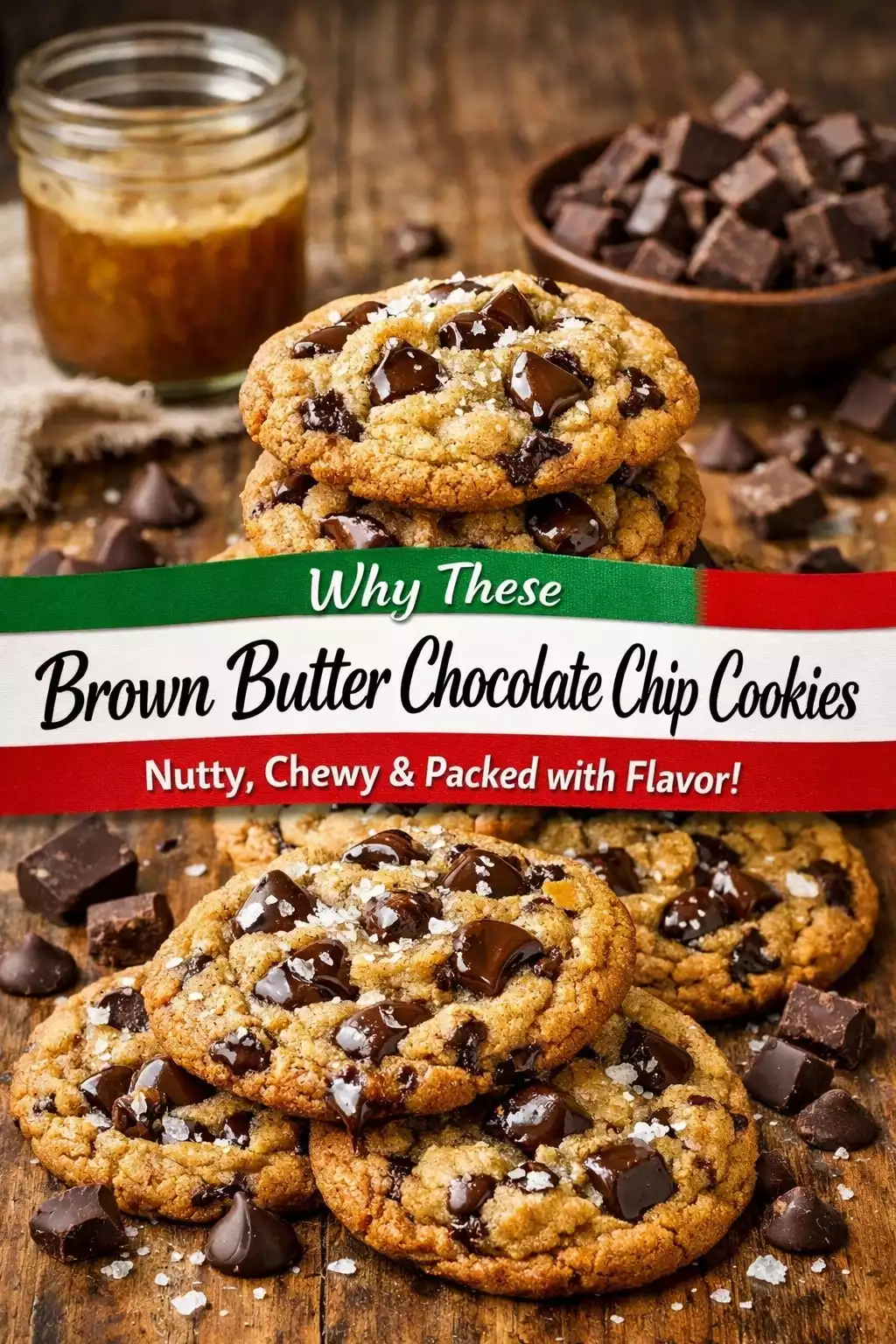
Browned butter changed everything for me. The first time a mentor showed me how to take regular butter all the way to noisette — that point where the milk solids turn golden and the whole kitchen smells like toasted hazelnuts — I understood why French pastry chefs are so insufferable about technique. They’re right. Brown Butter Chocolate Chip Cookies are the proof.
These are not your standard cookie recipes tollhouse drop. These are the cookies that make people stop mid-bite and say “what did you DO to these?” The brown butter adds a nutty, caramel-like depth that regular melted or creamed butter simply cannot produce. Combined with rested dough and the right ratio of brown sugar to white, you get a cookie that’s crispy at the edges, chewy at the center, and complex in a way that feels almost unfair for something this simple. This is the recipe my sous chefs used to steal from my station.
If you’re building out a cookie spread, check out double chocolate cookies and chocolate bundt cake — both use the same attention to chocolate technique. But this is where to start.
Why These Brown Butter Chocolate Chip Cookies Work
- Brown butter flavor — nutty, caramelized depth that plain melted butter can’t achieve
- High brown sugar ratio — creates chewier texture and molasses undertone
- Dough rest — 24-72 hours in the fridge develops flavor and improves texture dramatically
- Extra egg yolk — adds richness and improves chew without making them cakey
- Flaky salt finish — amplifies the chocolate and creates contrast
Ingredients
The Dough
- 2 1/4 cups (285g) all-purpose flour
- 1 teaspoon baking soda
- 1 teaspoon fine sea salt
- 1 cup (225g) unsalted butter
- 1 cup (200g) light brown sugar, packed
- 1/2 cup (100g) granulated sugar
- 2 large eggs + 1 egg yolk, room temperature
- 2 teaspoons pure vanilla extract
The Mix-Ins
- 2 cups (340g) semi-sweet or bittersweet chocolate chips or chopped chocolate
- Flaky sea salt (Maldon or fleur de sel) for topping
How to Make Brown Butter Chocolate Chip Cookies
Step 1: Brown the Butter
In a light-colored saucepan (so you can see the color change), melt butter over medium heat, stirring constantly. It will foam, then subside. Continue cooking, swirling occasionally, until the milk solids on the bottom turn golden brown and the butter smells nutty — about 4-5 minutes. Immediately pour into a large mixing bowl to stop cooking. Cool until solidified but not hard, about 30 minutes at room temp or 15 in the fridge. Don’t skip cooling — adding eggs to hot butter scrambles them.
Step 2: Make the Dough
Whisk both sugars into the cooled brown butter until combined. Add the eggs, extra yolk, and vanilla. Whisk vigorously for 1 full minute — the mixture should lighten slightly and become smooth. Fold in flour, baking soda, and salt with a spatula until just combined. Fold in chocolate chips. The dough will be thick and slightly sticky.
Step 3: Rest the Dough (Important)
Cover the bowl tightly with plastic wrap and refrigerate for a minimum of 1 hour, ideally 24-72 hours. This rest is where the magic happens — the flour fully hydrates, the sugars caramelize better during baking, and the flavors intensify. Professional bakers call this bench rest. Don’t skip it.
Step 4: Bake
Preheat oven to 375°F. Line baking sheets with parchment. Scoop dough into balls (about 2 tablespoons each) and place 2 inches apart. Bake for 10-12 minutes until edges are set and golden but the centers look slightly underdone. They finish cooking on the pan. Remove and immediately sprinkle with flaky sea salt. Let cool on the pan for 5 minutes before transferring.
Step 5: Cool Properly
Transfer to a wire rack and let cool for at least 10 minutes. The texture changes as they cool — the centers firm up from molten to chewy. Eat one warm, then let the rest cool fully to appreciate both textures. Both are correct. Both are excellent.
Tips & Common Mistakes
- Don’t rush the brown butter — pale yellow butter isn’t browned. Wait for the golden color and nutty aroma before pulling.
- Weigh your flour — scooping packs flour into the cup, adding up to 20% too much. Too much flour = dry, cakey cookies.
- Cold dough = thicker cookies — baking from cold prevents spreading and keeps them thick. This is the whole point of the rest.
- Underbake by about a minute — cookies that look done in the oven are overdone when they cool. Pull when centers look soft.
- Use chopped chocolate over chips — chips contain stabilizers that prevent proper melting. Chopped chocolate creates puddles of molten chocolate throughout.
- Flaky salt is not optional — it’s the finishing touch that makes everything pop.
Variations
- Brown Butter Toffee Cookies: Add 1 cup Heath toffee bits with the chocolate. The toffee caramelizes during baking and creates incredible crunch pockets throughout.
- Brown Butter Walnut Chocolate Chip: Add 1 cup toasted, roughly chopped walnuts. Toast the nuts in the same pan after browning the butter for extra efficiency and flavor.
- Extra Dark Chocolate Version: Use 70% cacao chopped chocolate instead of chips. Serve with tres leches cake at a dessert table for maximum drama.
- Espresso Brown Butter Cookies: Add 1 tablespoon finely ground espresso to the dough. Coffee amplifies chocolate flavor without making the cookie taste like coffee. A professional trick worth knowing.
- Giant Skillet Cookie: Press all dough into a 10-inch cast iron skillet. Bake at 350°F for 20-25 minutes. Serve warm with ice cream directly from the pan. This is a showstopper.
Storage & Make-Ahead
- Room temperature: Baked cookies keep at room temperature in an airtight container for 5 days. Add a slice of bread to the container to maintain moisture.
- Refrigerator: Dough keeps refrigerated up to 72 hours — the flavor only improves.
- Freezer (dough): Scoop dough balls onto a lined baking sheet, freeze solid, then transfer to a zip-lock bag. Bake straight from frozen — add 2-3 minutes to baking time.
- Freezer (baked): Baked cookies freeze well for 2 months. Thaw at room temperature for 20 minutes or microwave for 15 seconds for a fresh-warm effect.
- Gifting tip: Layer baked cookies between parchment in a tin. They stay fresh longer stacked properly than loose in a bag.
Frequently Asked Questions
Do I have to brown the butter or can I just melt it?
Melted butter will work and produce a decent cookie. But browned butter is the entire point of this recipe — it’s what separates these from every other chocolate chip cookie. The 5 extra minutes of browning creates flavor that no amount of vanilla or extra sugar can replicate. If you’re going to make these, go all the way.
Why do my cookies spread too much?
Most likely the dough wasn’t cold enough when it went in the oven, or the butter was too warm when you made the dough. Make sure the brown butter is completely cooled before mixing, and always bake from cold, rested dough. Also check that your baking soda is fresh — old leavening causes spreading rather than rising.
Can I skip the dough rest?
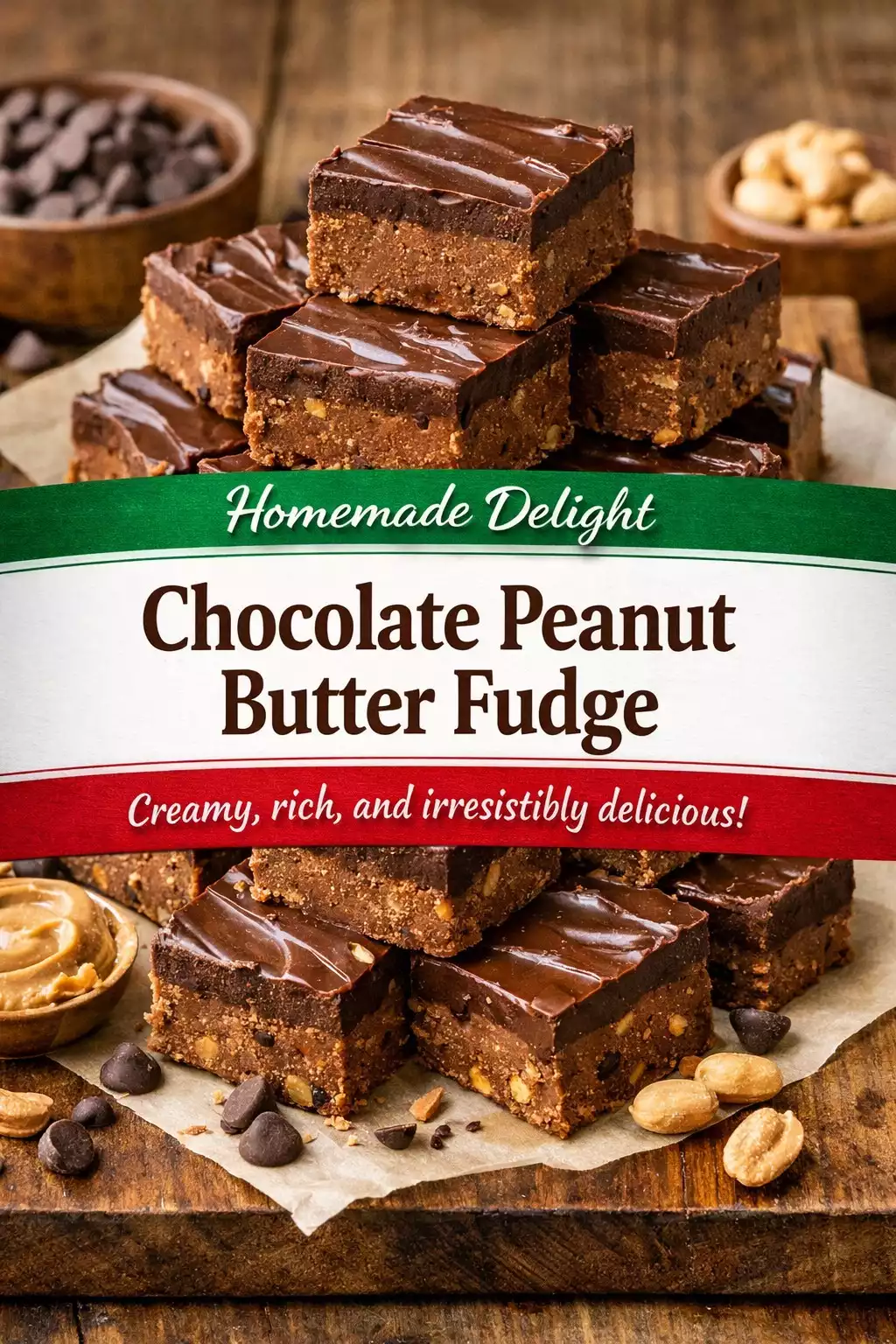
You can. The cookies will still be good. But they won’t be great. The rest develops flavor through enzymatic activity in the flour and allows moisture to distribute evenly. A minimum of 1 hour in the fridge makes a measurable difference. 24 hours makes a dramatic one. See also: chocolate peanut butter fudge for another recipe where patience pays off.
What type of chocolate is best?
Semi-sweet or bittersweet (60-70% cacao) gives the best balance of sweet and bitter against the caramelized brown butter. Milk chocolate makes them too sweet. Use good quality chocolate — Ghirardelli, Guittard, or Callebaut if you want to treat yourself. The chocolate is half the recipe — it matters.
My cookies came out cakey — what went wrong?
Three possible culprits: too much flour (measure by weight, not volume), the butter was too warm (proteins in warm butter trap air differently), or you over-mixed the dough after adding flour. Fold gently until just combined and stop. Overmixing develops gluten and produces a bread-like chew rather than a cookie chew.