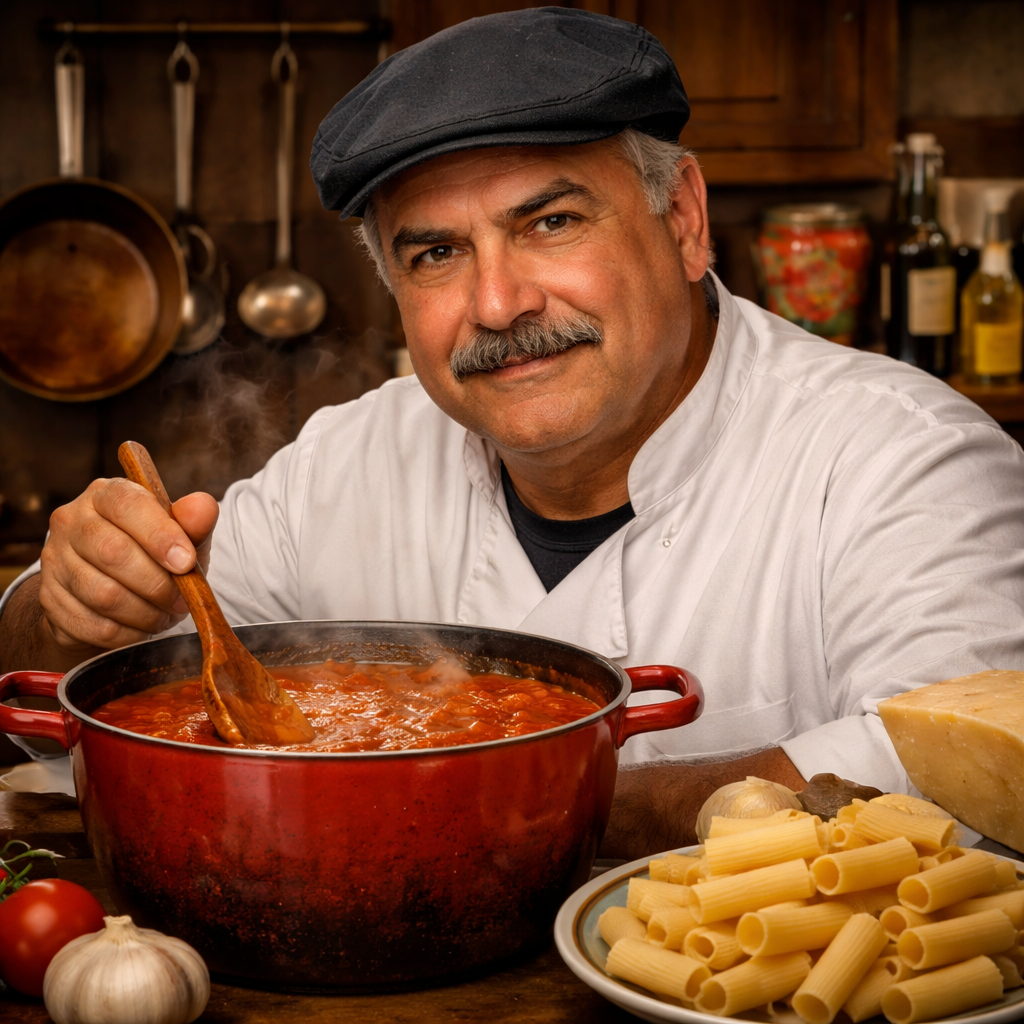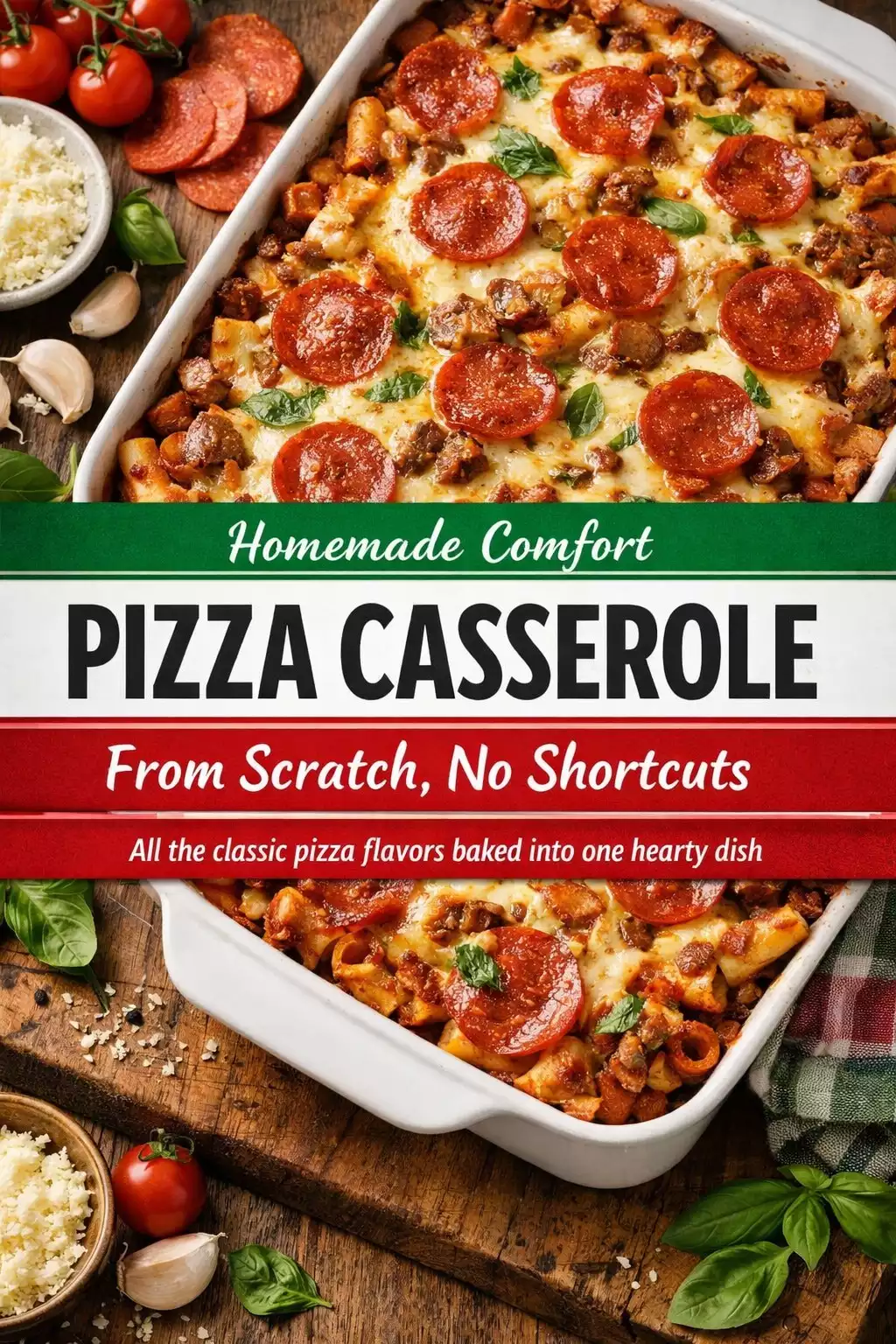
I‘ve been making pizza casserole since before you were born. I know that sounds like the opening line of someone about to tell you a long story. It’s not. It’s a straightforward statement about a recipe that has been on the Italian-American family dinner table long enough to be considered a tradition rather than a trend. Pizza casserole takes every flavor you love about pizza and puts it in a baked format that serves eight people, comes out of one dish, and doesn’t require any dough skill whatsoever.
The combination of Italian sausage, pepperoni, pizza sauce, and mozzarella baked over pasta is not subtle. It’s also not supposed to be subtle. This is a family dinner recipe that announces itself the moment the oven door opens. The aroma does the advertising. The first bite confirms everything it promised.
Pizza Casserole — old-school Italian-American style. The way Marco’s nonna would have made it if she’d had the idea first.
Why This Recipe Works
- Pre-baking the pasta partially: Cooking pasta to 80% before baking ensures it finishes tender without becoming mushy. Fully cooked pasta baked in sauce turns soft and loses its structural integrity.
- Pizza sauce, not marinara: Pizza sauce is thicker and more concentrated than marinara, designed to cling rather than flow. It produces a casserole with better sauce-to-pasta cohesion.
- Italian sausage browning: The rendered sausage fat becomes the cooking fat for the casserole’s flavor foundation. Don’t drain it completely — it carries essential flavor.
- Cheese in layers: A middle layer of cheese and a top layer of cheese creates the melted interior pockets and the bubbly golden top that pizza casserole requires. One layer only is not enough.
- Covered first, uncovered second: The foil traps heat and ensures the pasta finishes cooking through. Removing it at the end develops the golden, spotted cheese surface that defines this dish.
Ingredients
Main Ingredients
- 1 lb rigatoni, penne, or ziti (cooked 80% done)
- 1 lb Italian sausage (hot or sweet), casings removed
- 1 lb ground beef
- 1 medium onion, diced
- 4 cloves garlic, minced
- 2 jars (15 oz each) pizza sauce
- 1 teaspoon Italian seasoning
- 1 teaspoon dried oregano
- ½ teaspoon red pepper flakes
- 3 cups shredded mozzarella, divided
- ½ cup grated Parmesan, divided
- 30–40 pepperoni slices
- Optional: sliced mushrooms, black olives, bell peppers
Instructions
Step 1: Cook Pasta and Preheat
Preheat oven to 375°F (190°C). Cook pasta in salted water for 2 minutes less than package time (al dente minus 20%). Drain and toss with a tablespoon of olive oil to prevent sticking. Set aside.
Step 2: Brown the Meats
In a large skillet, cook Italian sausage over medium-high heat, breaking it up, until fully browned. Remove to a bowl, leaving the fat in the pan. Add ground beef to the same pan and brown. Add onion and cook 3–4 minutes. Add garlic for 60 seconds. Combine with the sausage.
Step 3: Add Sauce and Season
Add pizza sauce, Italian seasoning, oregano, and red pepper flakes to the meat mixture. Stir to combine. Taste for seasoning — pizza sauce varies significantly in saltiness and seasoning by brand.
Step 4: Combine with Pasta
Add cooked pasta to the meat sauce and toss to coat evenly.
Step 5: Layer the Casserole
Grease a large 9×13 baking dish. Add half the pasta mixture. Top with 1.5 cups mozzarella and ¼ cup Parmesan. Add remaining pasta mixture. Top with remaining mozzarella and Parmesan. Arrange pepperoni slices over the top in a single layer.
Step 6: Bake
Cover tightly with foil and bake at 375°F for 25 minutes. Remove foil and bake an additional 15–20 minutes until the cheese is bubbly and golden and the pepperoni has crisped slightly. Rest 10 minutes before serving.
Pro Tips & Common Mistakes
- Don’t drain all the sausage fat: The fat from Italian sausage is the flavor carrier for the entire casserole. Leave a tablespoon in the pan when browning the beef.
- Under-cook the pasta: This cannot be said enough times. Overcooked pasta baked in sauce becomes soggy and falls apart. Always cook 2 minutes less than the package minimum.
- Layer the cheese, don’t just top it: A middle cheese layer creates pockets of melted mozzarella within the casserole rather than just a surface layer.
- Rest before serving: Like all baked pasta dishes, the sauce needs 10 minutes to set after the oven. Serve immediately and the portions run; rest 10 minutes and they hold together.
- The pepperoni on top should crisp: That slight crispiness at the edge of the pepperoni during the uncovered bake is the visual and flavor signal that the casserole is properly finished.
Variations Worth Trying
- Vegetarian Pizza Casserole: Skip the meat and double the pizza-style vegetables: mushrooms, bell peppers, black olives, onion, artichoke hearts. Use all the pizza sauce and cheese proportions unchanged.
- Chicken Pizza Casserole: Use diced cooked chicken instead of ground beef, and add diced sun-dried tomatoes and fresh basil. A lighter direction with equally classic pizza flavors.
- Buffalo Chicken Pizza Casserole: Buffalo sauce instead of pizza sauce, shredded chicken, mozzarella, blue cheese crumbles. A completely different flavor profile using the same method.
- Four-Cheese Version: Use mozzarella, provolone, fontina, and Parmesan for the cheese layers. Skip the pepperoni and add fresh basil after baking. An elevated, cheese-focused version.
- Individual Portions: Divide into oven-safe individual ramekins or small baking dishes. Bake 20 minutes covered, 10 minutes uncovered. Perfect for dinner parties. See also this dutch oven pot roast, this beef taco casserole, this homemade sloppy joes, this one pot chili mac, and this dump and bake meatball casserole for more baked Italian-American family dinners.
Storage & Reheating
- Refrigerator: Up to 4 days. Excellent cold or reheated — one of the best leftover casseroles.
- Freezer: Up to 3 months. Freeze before the cheese top is added for best results. Thaw overnight, add cheese and pepperoni, and bake as directed.
- Reheating: Individual portions microwave well covered in 2–3 minutes. Full casserole: cover with foil and reheat at 350°F for 20–25 minutes until heated through.
Frequently Asked Questions
Can I use just one type of meat?
Yes. All Italian sausage produces a more herby, fennel-forward casserole. All ground beef produces a milder result. The combination is better, but both single-meat versions are excellent.
What pasta shape is best?
Rigatoni is ideal — the ridges hold sauce and the wide tube catches melted cheese inside. Penne and ziti also work well. Avoid thin or delicate pasta that gets lost in the heavy sauce.
Can I add vegetables?
Yes. Sauté sliced mushrooms, bell peppers, or zucchini with the onion and garlic. They’ll cook down significantly and integrate into the sauce. Don’t add raw vegetables directly to the casserole — they release too much water during baking.
Can I make this ahead?
Assemble through step 5 and refrigerate covered up to 24 hours. Add the final cheese and pepperoni layer just before baking. Increase covered bake time to 35 minutes since the dish is cold.
What should I serve with pizza casserole?
Garlic bread is the correct accompaniment — a piece of properly made garlic bread with good butter and real garlic alongside a heaping portion of pizza casserole is a complete Italian-American dinner. A simple green salad provides the balance the casserole’s richness needs.