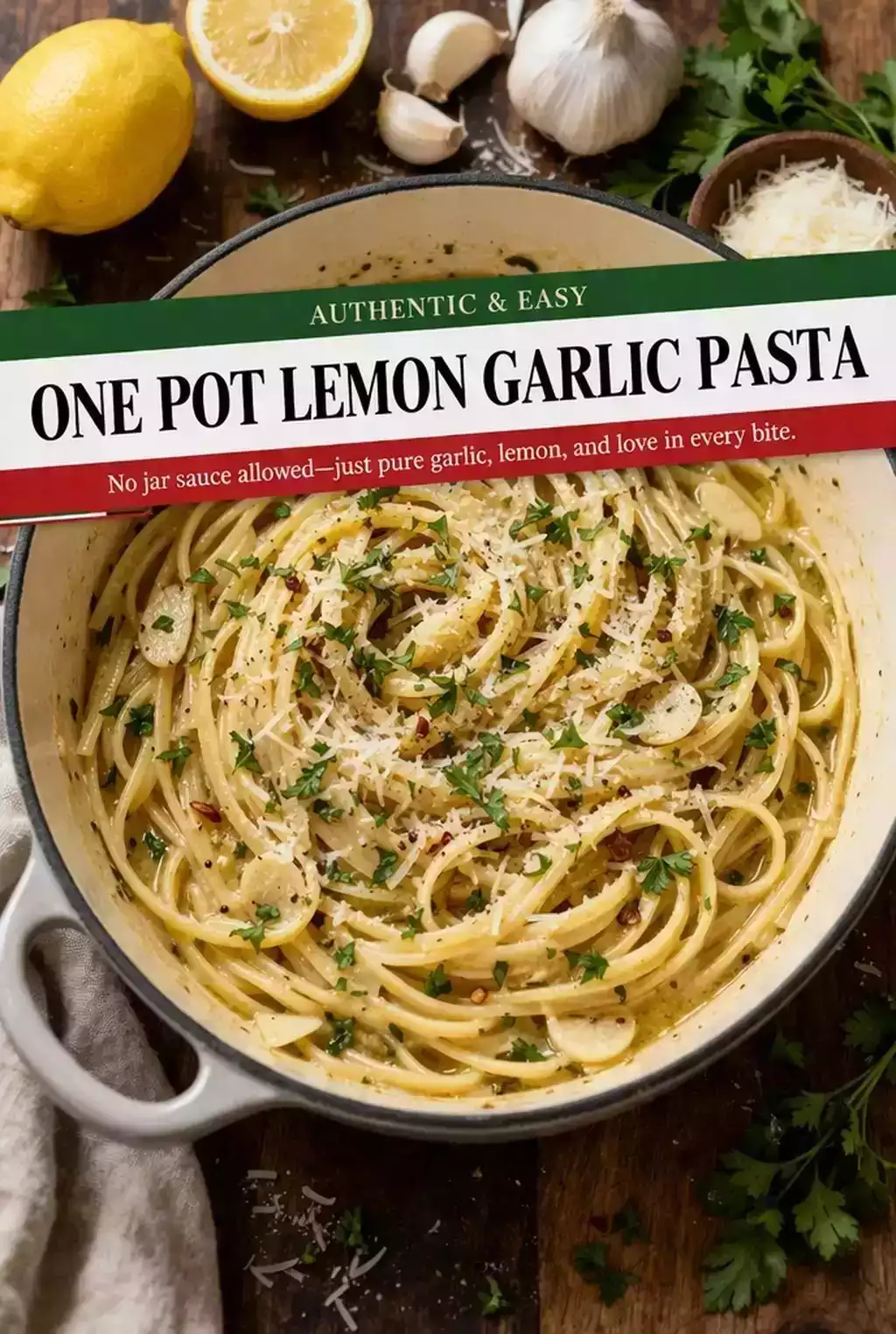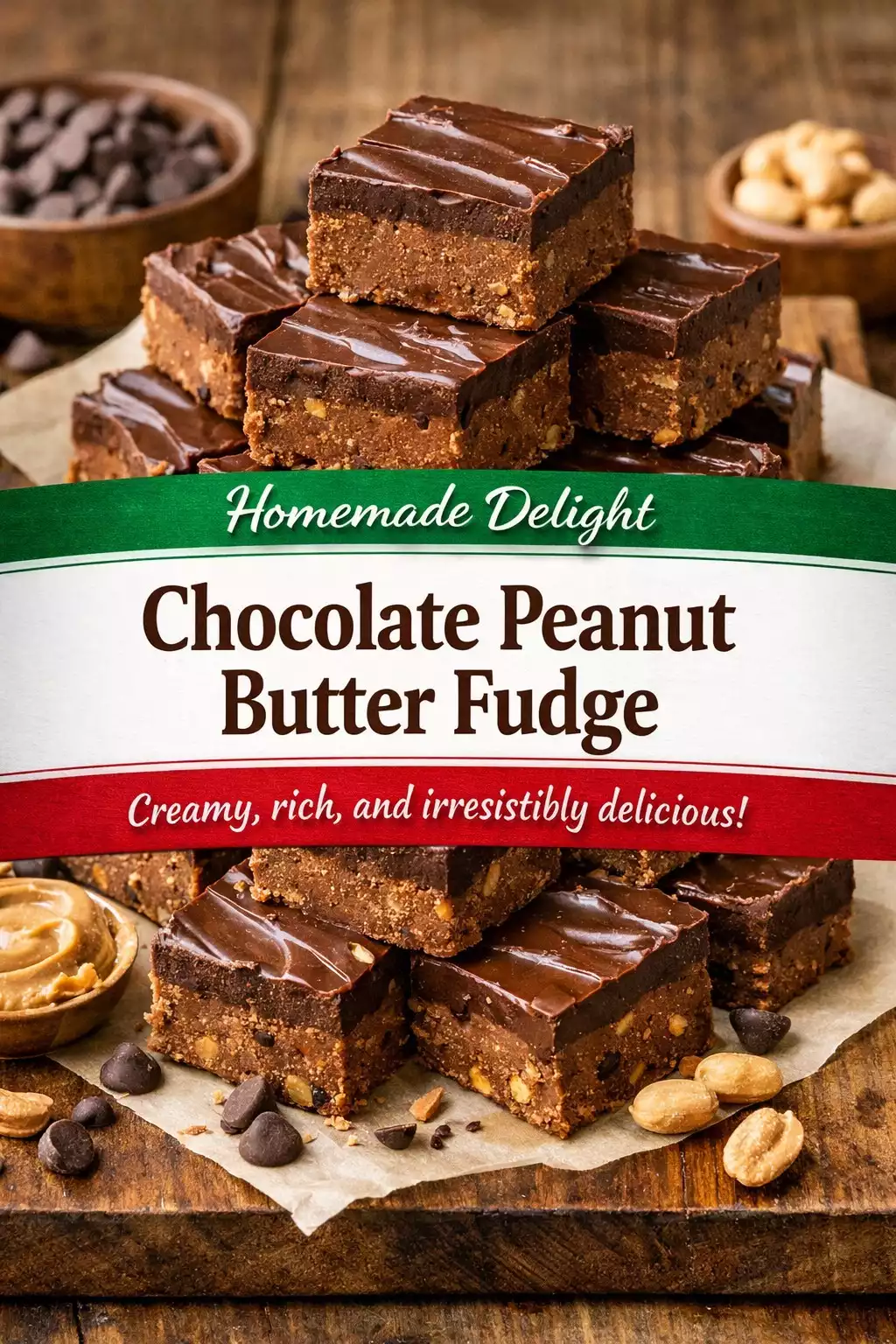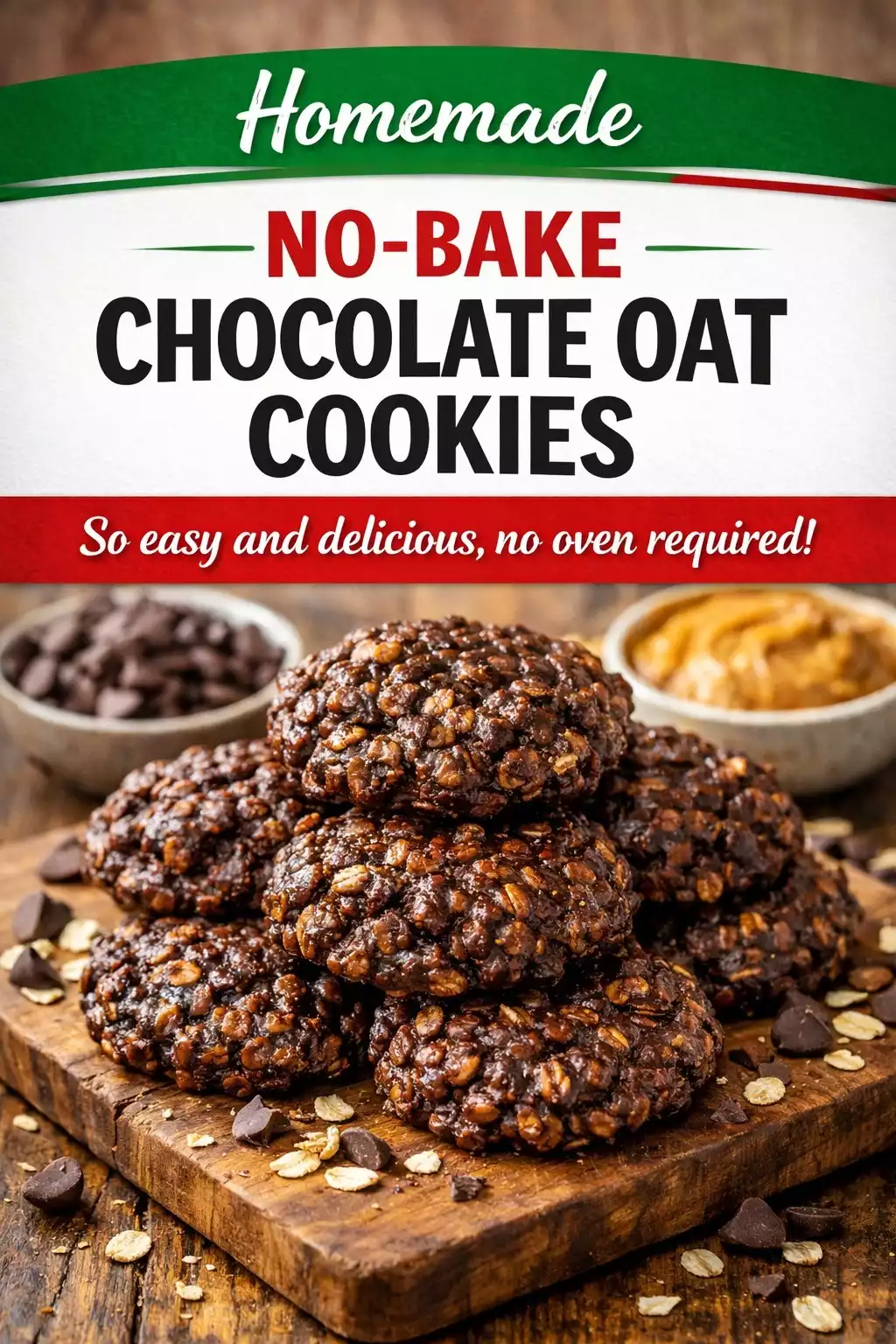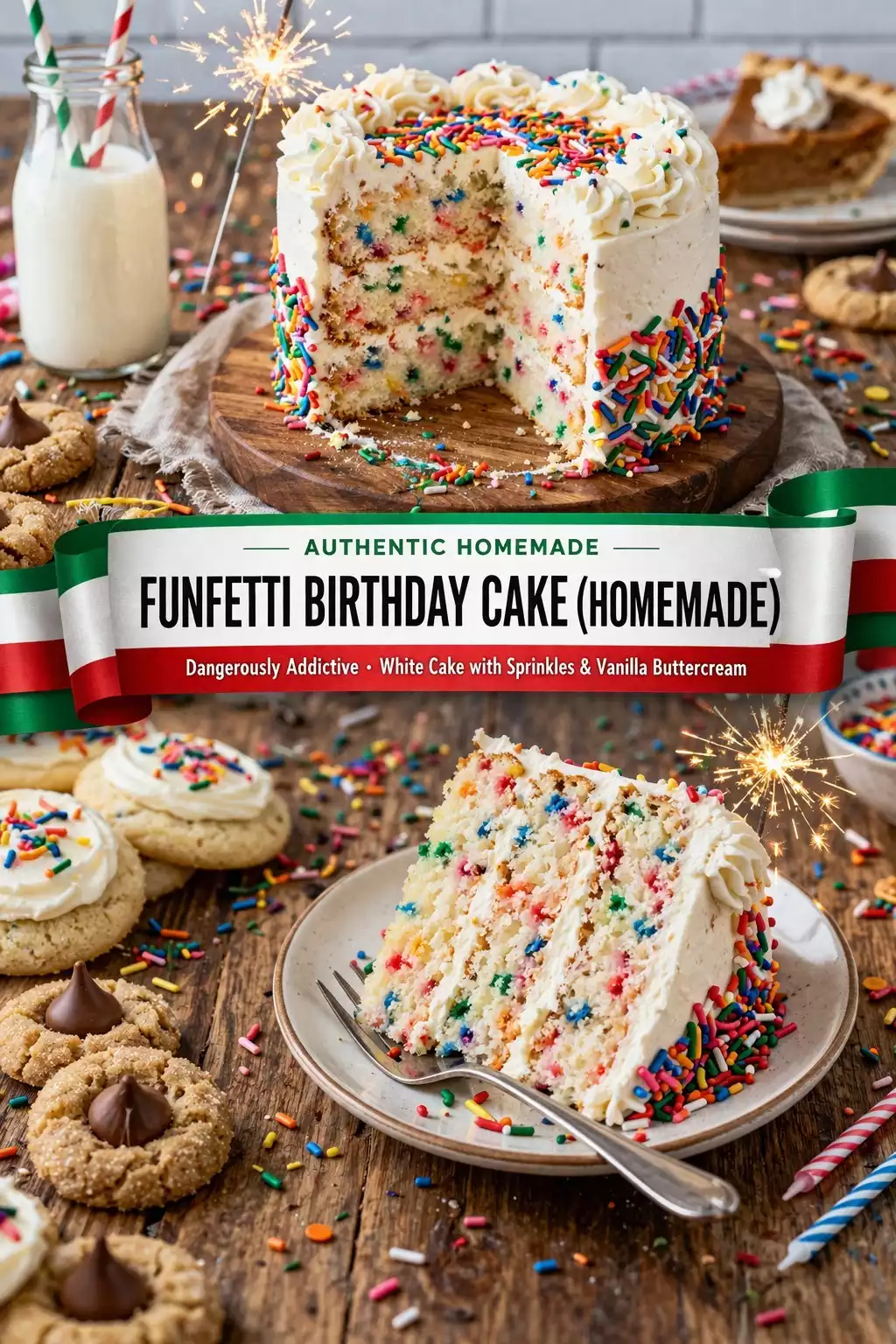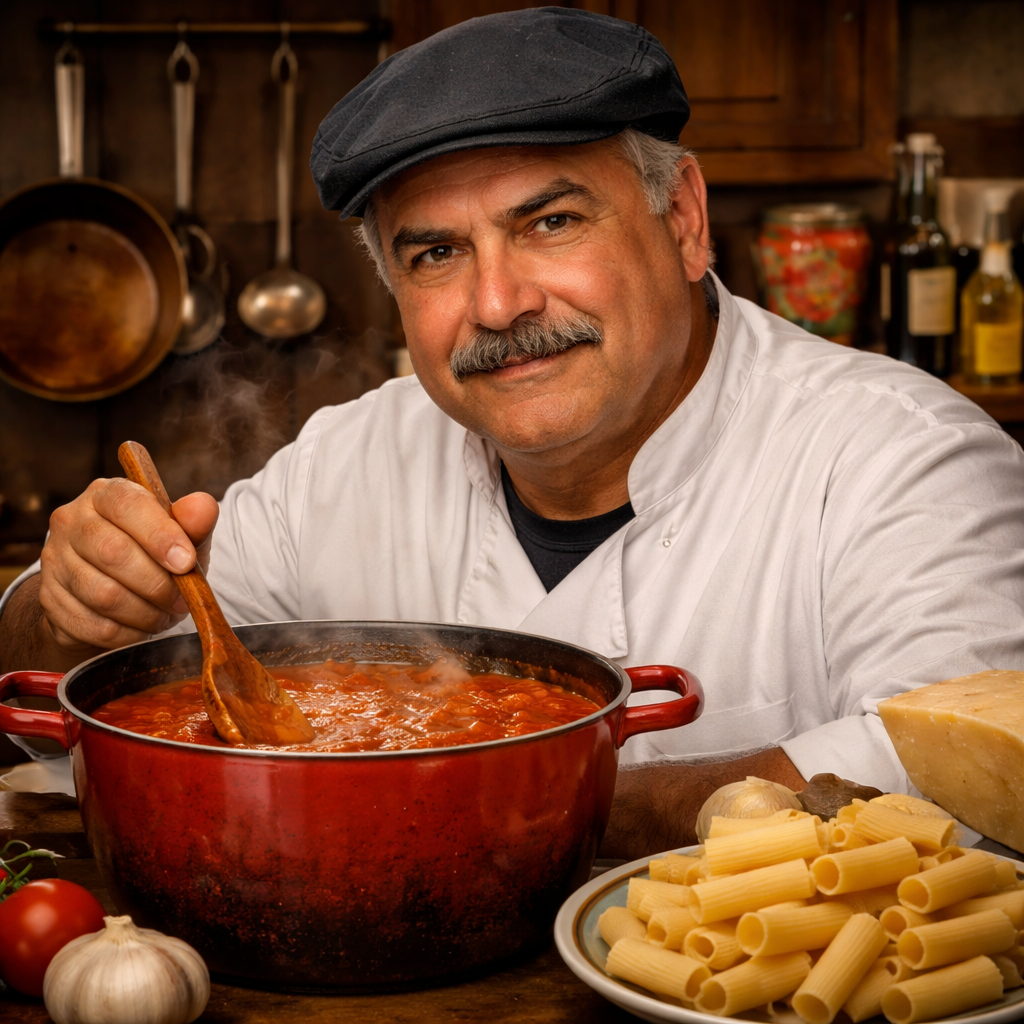
BAllora — let’s talk about this. Nine baking basics — the foundation recipes that produce a hundred variations once you understand them. A proper pie crust is the basis for every pie, tart, quiche, and hand pie you’ll ever make. A classic white cake is the canvas for every layer cake, birthday cake, and specialty cake that comes after it. French crepes are the basis for sweet desserts and savory dinner preparations. These aren’t beginner recipes. They’re fundamental recipes.
I came to baking reluctantly — thirty years on the savory side of the kitchen produced a healthy respect for precision and chemistry that I didn’t trust my instincts to handle. What I eventually learned is that baking rewards the same discipline that savory cooking rewards: understand why the technique works, follow the steps in order, and don’t improvise until you know exactly what you’re improvising on.
Piano piano — you rush this, you ruin it. Every recipe here was built with real technique — the steps that produce consistent results — not convenience shortcuts that produce acceptable ones.
Bravo. Now you’re cooking. Use this collection as a reference. Cook through it. The technique stays with you.
Recipes In This Collection
Foolproof Pie Crust
Foolproof Pie Crust — selected for this collection because the technique and the result are right. The details that make it work are in the recipe.
Classic French Crepes
Classic French Crepes — selected for this collection because the technique and the result are right. The details that make it work are in the recipe.
Classic Bread Pudding
Classic Bread Pudding — selected for this collection because the technique and the result are right. The details that make it work are in the recipe.
Edible Cookie Dough
Edible Cookie Dough — selected for this collection because the technique and the result are right. The details that make it work are in the recipe.
Simple White Cake
Simple White Cake — selected for this collection because the technique and the result are right. The details that make it work are in the recipe.
Classic Marshmallow Treats
Classic Marshmallow Treats — selected for this collection because the technique and the result are right. The details that make it work are in the recipe.
Homemade Applesauce
Homemade Applesauce — selected for this collection because the technique and the result are right. The details that make it work are in the recipe.
Gooey Butter Cake
Gooey Butter Cake — selected for this collection because the technique and the result are right. The details that make it work are in the recipe.
Chocolate Mug Cake
Chocolate Mug Cake — selected for this collection because the technique and the result are right. The details that make it work are in the recipe.
Where Most People Blow It
Cold fat for pie crust. The flakiness in a pie crust comes from pockets of cold fat that haven’t fully incorporated into the flour — they steam in the oven and create layers. Work quickly, keep everything cold, and handle the dough minimally.
Don’t overwork baking dough. Overworking develops gluten. Developed gluten in a pie crust or cake produces tough, dense results. Mix until just combined in every recipe that calls for it — then stop.
Measure by weight when possible. A cup of flour from a packed bag weighs significantly more than a cup from an aerated bag. A kitchen scale removes that variable entirely. Baking is chemistry — consistent measurements produce consistent results.
Room temperature eggs and dairy. Cold eggs in a cake batter don’t emulsify correctly with room-temperature fats. Cold milk in a crepe batter produces lumps. Room temperature is the standard baseline for almost every baking preparation.
Preheat completely. Put baked goods into an oven that has been preheating for at least 15 minutes — not just to temperature, but fully stabilized at temperature. An oven that just reached 350°F is not the same as one that has been at 350°F for 15 minutes.
Frequently Asked Questions
What makes a pie crust flaky?
Cold fat (butter or shortening) worked minimally into flour, kept cold throughout, and handled as little as possible. The fat pieces remain intact and steam during baking, creating the layers.
How do I prevent crepes from sticking?
A properly seasoned pan, the right amount of butter (enough to coat but not pool), and the right temperature — medium, not high. The crepe releases cleanly when it’s ready to flip. If it sticks, it needs more time.
What’s the difference between cake flour and all-purpose flour?
Cake flour has lower protein content (6-8%) than all-purpose (10-12%). Lower protein means less gluten development, producing a more tender, fine-crumbed cake. Use cake flour when specified; substitute with all-purpose plus cornstarch for a reasonable approximation.
How do I fix a broken buttercream or frosting?
If it looks soupy: the butter was too warm. Refrigerate 10 minutes and beat again. If it looks curdled: the butter was too cold. Keep beating at room temperature until it comes together. Temperature is almost always the cause.
All Recipes In This Collection
Foolproof Pie Crust
Classic French Crepes
Classic Bread Pudding
Edible Cookie Dough
Simple White Cake
Classic Marshmallow Treats
Homemade Applesauce
Gooey Butter Cake
Chocolate Mug Cake
Related collections: Dessert Recipes · Bread Recipes · Cream Cheese Recipes · Seasonings Marinades Frostings · Baked Pasta Recipes