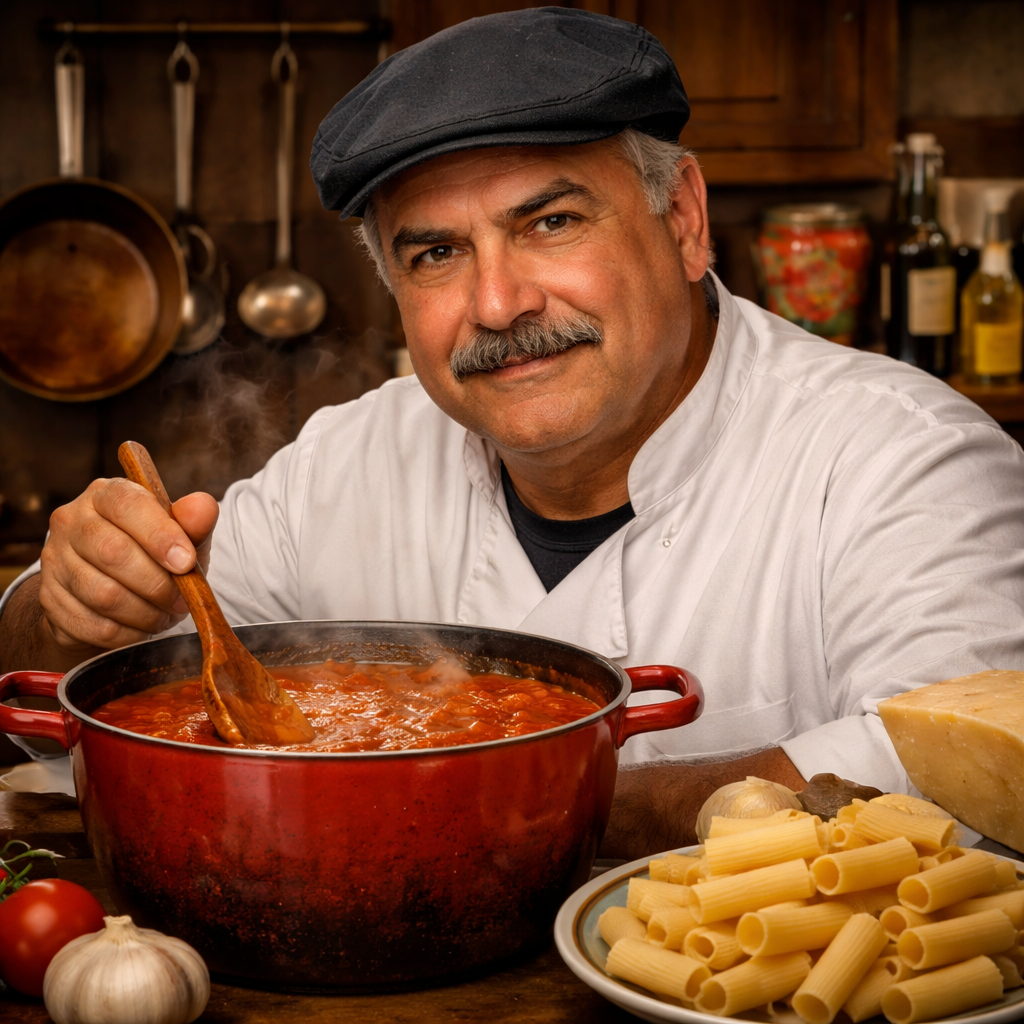
When I retired from the kitchen, this is what I kept cooking. Not the fancy prix-fixe stuff, not the sauces that took three days — Best Meatloaf Recipe. The one that fills a house with a smell so good your neighbors start making excuses to stop by. I’ve made meatloaf in every configuration imaginable across thirty years of professional cooking, and I’m here to tell you: the home version wins. Every time. This is the meatloaf that ends the debate.
There’s a version of this dish hiding in every American family, usually scrawled on an index card in someone’s junk drawer, half the measurements missing because grandma never needed to write them down. My version is that recipe — but with the technique dialed in, the ratios tested, and the glaze that makes people forget every mediocre meatloaf they’ve ever suffered through.
If you’re building your ground beef repertoire, pair this with Classic Beef Stew for the ultimate cold-weather rotation, or check out Homemade Meatballs when you want the same ground beef energy in Italian-American form. And when Sunday calls, Sunday Pot Roast is always the answer. Round it out with Hamburger Steak with Onion Gravy and Beef Tacos — because ground beef deserves better than boredom.
Why This Meatloaf Actually Works
- Panade method: Milk-soaked breadcrumbs keep the loaf moist through the full bake time without making it dense.
- The right fat ratio: 80/20 ground beef gives you enough fat to stay juicy without swimming in grease.
- Double-layer glaze: Applying glaze twice — mid-bake and at the end — builds real caramelized depth.
- Rest before slicing: Ten minutes off heat lets juices redistribute so every slice stays intact.
- Aromatics cooked first: Sautéed onion and garlic integrate into the meat instead of steaming from the inside raw.
Ingredients
The Meatloaf
- 2 lbs ground beef (80/20)
- 1 cup breadcrumbs (plain or Italian-seasoned)
- ½ cup whole milk
- 2 large eggs
- 1 medium yellow onion, finely diced
- 3 garlic cloves, minced
- 2 tbsp Worcestershire sauce
- 1 tsp dried thyme
- 1 tsp kosher salt
- ½ tsp black pepper
- 2 tbsp olive oil (for sautéing)
The Glaze
- ½ cup ketchup
- 2 tbsp brown sugar
- 1 tbsp apple cider vinegar
- 1 tsp Worcestershire sauce
- ½ tsp smoked paprika
Instructions
Step 1: Build the Panade
Combine breadcrumbs and milk in a small bowl. Let them soak together for 5 minutes until the milk is fully absorbed. This paste is what keeps the meatloaf from turning into a dry brick — don’t skip it.
Step 2: Sauté the Aromatics
Heat olive oil in a skillet over medium heat. Cook diced onion for 5–6 minutes until soft and translucent. Add garlic and cook 1 more minute. Remove from heat and let cool slightly. Raw aromatics inside meatloaf steam and give off moisture unevenly — cooked aromatics integrate cleanly.
Step 3: Mix the Meatloaf
In a large bowl, combine ground beef, soaked breadcrumbs, eggs, sautéed onion and garlic, Worcestershire, thyme, salt, and pepper. Mix gently with your hands until just combined. Overworking develops the proteins too much and creates a dense, rubbery texture. Mix until it holds together — stop there.
Step 4: Form and Place
Transfer the mixture to a rimmed baking sheet (not a loaf pan — the open sides let the crust develop all around). Shape into a loaf approximately 9 inches long and 4 inches wide. Even thickness means even cooking.
Step 5: Make and Apply the Glaze
Whisk together ketchup, brown sugar, apple cider vinegar, Worcestershire, and smoked paprika. Brush half the glaze over the top of the raw meatloaf. Reserve the other half.
Step 6: Bake
Bake at 350°F for 45 minutes. Remove from oven, brush on remaining glaze, and return to oven for 15 more minutes. Internal temperature should read 160°F on an instant-read thermometer. The glaze should be caramelized and slightly sticky.
Step 7: Rest and Slice
Let the meatloaf rest 10 minutes before slicing. This is non-negotiable. Cutting too early means all those juices run onto the pan instead of staying in the meat where they belong.
Pro Tips & Common Mistakes
- Don’t use lean beef: 90/10 or leaner will produce a dry, crumbly loaf. Fat is flavor and moisture here.
- Don’t skip the panade: The milk-soaked breadcrumbs are load-bearing. Dry breadcrumbs absorb moisture from the meat during baking.
- Baking sheet over loaf pan: A loaf pan traps steam and softens the exterior. A baking sheet gives you crust on all sides.
- Temperature check: Visual cues lie. Always use a thermometer — 160°F internal is the target.
- Don’t rush the rest: Ten minutes feels like forever when you’re hungry, but it’s what separates a great slice from a crumbled mess.
Variations Worth Trying
- Italian-Style: Add ½ cup grated Parmesan, swap Worcestershire for soy sauce, use Italian breadcrumbs. Top with marinara instead of ketchup glaze.
- Turkey Meatloaf: Substitute ground turkey (93/7 for best results). Add ¼ cup chicken broth to compensate for lower fat content.
- Stuffed Meatloaf: Press the meat into a rectangle, layer with sautéed mushrooms and provolone, roll and seal. Dramatic presentation, same technique.
- Mini Meatloaves: Divide into a muffin tin for individual portions — reduces cook time to 25–30 minutes and makes weeknight portions dead easy.
- Bacon-Wrapped: Lay strips of bacon across the top before baking. They self-baste the loaf and add smokiness throughout.
Storage & Reheating
- Refrigerator: Wrapped tightly or in an airtight container, meatloaf keeps 4 days. Slice before storing for faster reheating.
- Freezer: Individual slices freeze beautifully — up to 3 months. Wrap each slice in plastic, then foil, then bag them.
- Reheating: Cover slices with foil and warm at 300°F for 15–20 minutes. Microwave works but dries the edges — add a splash of beef broth to the plate to help.
- Cold meatloaf sandwiches: This is not a mistake. Thick slice on good bread with extra glaze — arguably better than day one.
Frequently Asked Questions
Can I make this ahead of time?
Yes — mix and form the loaf, cover tightly, and refrigerate up to 24 hours before baking. Add the glaze just before it goes in the oven.
Why is my meatloaf falling apart?
Usually a binder issue — either not enough egg, too little breadcrumb panade, or overcooked and dried out. Follow the ratios here and check temperature rather than time.
Can I use a mix of meats?
Absolutely. A classic Italian-American combination is equal parts beef, pork, and veal — called “meatloaf mix” at most butcher counters. Adds depth and tenderness that pure beef can’t match.
What sides go with meatloaf?
Mashed potatoes are the obvious answer for good reason. Green beans, roasted carrots, or a simple salad round it out. The glaze from the pan, thinned with a little beef broth, makes an instant sauce worth spooning over everything.
Why use a baking sheet instead of a loaf pan?
A loaf pan traps moisture and steam, which softens the exterior and prevents the crust from developing. The open sides of a baking sheet produce a more textured, caramelized exterior on all four sides.