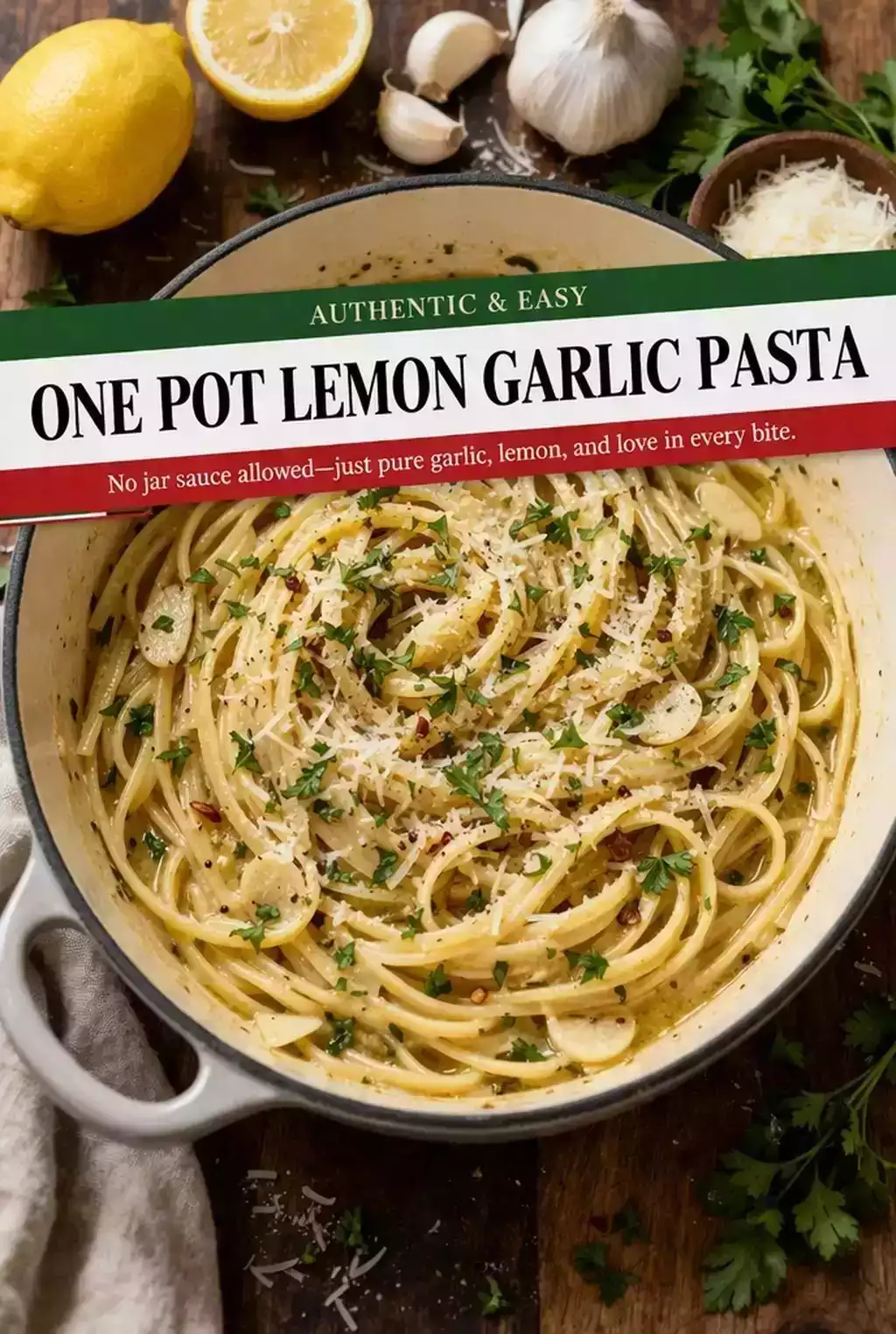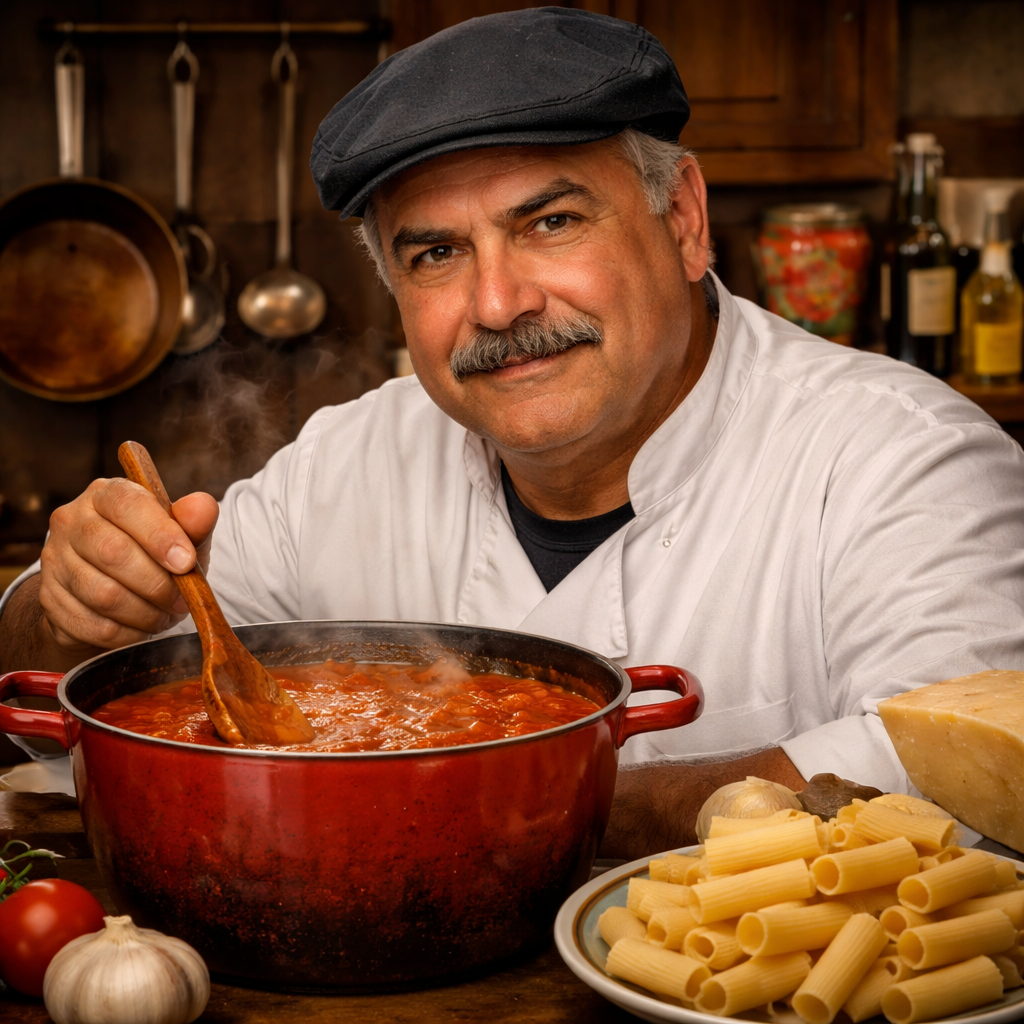
This isn’t the fancy restaurant version. This is the real one. Chicken Pasta with Tomato Sauce is Italian-American cooking at its most honest — simple ingredients treated with discipline and built into something that tastes like it took all afternoon when it actually takes about 35 minutes. No imported pasta, no imported tomatoes required (though quality matters). What’s required is technique. The Italian-American way doesn’t cut corners on process even when it uses humble ingredients. That’s the tradition, and that’s the recipe.
The backbone of this dish is the tomato sauce. A properly built tomato sauce isn’t just opened cans and heat — it’s soffritto, it’s deglazed pan fond, it’s fresh herbs added at exactly the right moment, it’s patience to reduce until the raw tomato taste is gone and something deeper and sweeter has replaced it. That sauce, combined with seared chicken built in the same pan, produces a finished dish where every component has absorbed flavor from every other component. That’s the difference.
The best Italian chicken pasta with tomato sauce requires good tomatoes — San Marzano if available, quality crushed tomatoes at minimum. The pasta water is liquid gold and should be reserved and added to the finished sauce. These two elements, executed correctly, produce a restaurant-quality pasta dish from a weeknight kitchen. Let’s walk through it the right way.
Why This Chicken Pasta with Tomato Sauce Recipe Works
- Searing the chicken in the pasta pan builds the flavor foundation. The fond from searing the chicken is the first layer of the tomato sauce. Don’t wash the pan between the chicken and the sauce — deglaze it with the aromatics and capture everything.
- A proper soffritto (onion, garlic, carrot) rounds the sauce. Onion sweetens, garlic adds punch, a small amount of carrot reduces acidity. This combination produces a more complex, less sharp tomato sauce than garlic and onion alone.
- Pasta water thickens and binds the sauce. The starchy pasta cooking water emulsifies the tomato sauce and olive oil, creating a cohesive coating that clings to the pasta. Never drain the pasta completely — always reserve at least a cup of the cooking water.
- Finishing the pasta in the sauce is the essential technique. Don’t plate pasta and ladle sauce on top. Add the pasta to the sauce and let it cook together for 2 minutes in the pan. The pasta absorbs the sauce and the sauce thickens around the pasta. This is the Italian-American way and it produces a fundamentally better result.
- Quality tomatoes make a visible difference. The flavor of tomato sauce is the flavor of the tomatoes you used. San Marzano tomatoes from Italy are sweeter, less acidic, and more complex. The extra dollar per can is reflected in every bite.
Ingredients
For the Chicken
- 2 boneless skinless chicken breasts, sliced thin or pounded
- 1 tsp kosher salt
- ½ tsp black pepper
- ½ tsp garlic powder
- 2 tbsp olive oil
For the Tomato Sauce
- 1 small onion, finely diced
- 1 small carrot, finely diced
- 4 cloves garlic, minced
- 1 can (28 oz) crushed San Marzano tomatoes
- ½ cup dry white wine or chicken broth
- 1 tsp dried oregano
- 1 tsp dried basil (or 8 fresh leaves at the end)
- ½ tsp red pepper flakes
- 2 tbsp olive oil
- Salt to taste
- 1 tbsp unsalted butter
For the Pasta
- 12 oz penne, rigatoni, or pappardelle
- Kosher salt for pasta water (1 tbsp per 4 cups water)
- Reserved pasta water
- Freshly grated Parmigiano-Reggiano
- Fresh basil for garnish
Instructions
Step 1: Sear the Chicken
Season chicken on both sides with salt, pepper, and garlic powder. Heat 2 tbsp olive oil in a large skillet over medium-high heat. Sear chicken 3–4 minutes per side until golden and cooked through (165°F). Remove to a cutting board. Do not wash the pan.
Step 2: Start the Sauce
Reduce heat to medium. Add 2 tbsp olive oil to the same pan. Add onion and carrot, sauté for 5–6 minutes until softened and starting to turn golden. The fond from the chicken will deglaze into the vegetables as they cook — this is the flavor transfer you want. Add garlic, red pepper flakes, and dried oregano. Cook 1 minute.
Step 3: Build the Sauce
Add white wine and scrape up any remaining fond from the bottom of the pan. Cook until wine is mostly reduced, about 3 minutes. Add crushed tomatoes, stir to combine, and bring to a simmer. Season with salt. Simmer uncovered for 15–20 minutes until the sauce has thickened and darkened slightly and no longer tastes raw.
Step 4: Cook the Pasta
While the sauce simmers, cook pasta in heavily salted boiling water (it should taste like the sea) until 2 minutes short of al dente. Reserve 1 full cup of pasta water before draining.
Step 5: Combine and Finish
Slice the rested chicken against the grain and return it to the sauce. Add the drained pasta directly to the sauce and toss over medium heat. Add pasta water a splash at a time to loosen the sauce and help it coat the pasta. Stir in the tablespoon of butter to give the sauce a glossy finish. Add fresh basil if using. Cook together for 2 minutes. Serve immediately with grated Parmigiano-Reggiano.
Tips & Common Mistakes
- Don’t wash the pan between chicken and sauce. The fond from the chicken is flavor. The aromatics will deglaze it naturally as they cook in the pan. This is the foundational technique of the entire dish.
- Salt the pasta water aggressively. Unsalted pasta water produces unsalted pasta. The only opportunity to season pasta from the inside is in the cooking water. Use a tablespoon of kosher salt per 4 cups of water at minimum.
- Reserve pasta water before you drain. This is mentioned twice because it’s forgotten half the time and then the sauce can’t be adjusted properly. Set a reminder. Put a measuring cup next to the sink.
- Let the sauce reduce. A 15–20 minute simmer is what removes the harsh, raw tomato flavor and develops sweetness and depth. Don’t rush this step. If the sauce tastes sharp or acidic, it hasn’t cooked long enough.
- Finish pasta in the sauce, not in the bowl. This is the technique that makes the difference between pasta with sauce and pasta pasta. Tossing the pasta in the sauce for 2 minutes makes every piece coated, cohesive, and deeply flavored.
Variations
- Chicken Pasta Arrabbiata: Double the red pepper flakes and add a diced fresh Calabrian chili. Spicy, sharp, and excellent. The Italian original of this style.
- Cream Tomato Sauce (Rosa): Stir in ¼ cup heavy cream at the end of the sauce simmer. Rich, slightly sweet, and the ultimate crowd-pleasing pasta sauce.
- Chicken Alla Vodka: Add 3 tbsp vodka after the wine has reduced, cook 2 minutes. Then add the tomatoes and proceed normally. Adds a slight depth and complexity.
- With Olives and Capers: Add ¼ cup Kalamata olives and 1 tbsp capers in the last 5 minutes of sauce cooking. Puttanesca-style variation that’s bold and savory.
For more chicken pasta dishes, see spicy chicken pasta and butter chicken pasta. For the classic piccata and marsala preparations of chicken in pan sauces, see chicken piccata and chicken marsala. For a citrus take on the Italian profile, greek lemon chicken is a natural companion.
Storage & Reheating
- Refrigerator: Store pasta and sauce together for up to 4 days. The pasta continues to absorb the sauce and may need a splash of water when reheating.
- Freezer: Freeze sauce separately from pasta for best results. Pasta freezes and thaws with texture changes; the sauce alone freezes perfectly for up to 3 months.
- Reheating: Stovetop in a skillet over medium heat with a splash of water or broth to loosen. 4–5 minutes, stirring. Add fresh basil and a drizzle of olive oil before serving to restore brightness.
Frequently Asked Questions
Which pasta shape works best?
Rigatoni and penne are ideal — the ridges and tubes capture the chunky tomato sauce. Pappardelle is excellent for a more elegant presentation. Avoid thin pasta like angel hair — it doesn’t hold up to the weight of the chicken and chunky sauce.
Can I use canned diced tomatoes instead of crushed?
Yes — use an immersion blender or potato masher in the pan to break them down partially after the simmer starts. Crushed tomatoes produce a smoother, more cohesive sauce, but properly broken-down diced tomatoes work well.
Why does my tomato sauce taste acidic?
Either the tomatoes weren’t high quality, the sauce didn’t simmer long enough, or both. Simmer longer. If still acidic after 25 minutes, add a small pinch of sugar and ¼ tsp baking soda — the baking soda neutralizes acid directly. The carrot in the recipe also helps naturally over the simmer time.
Can I use Italian sausage instead of chicken?
Yes — brown the sausage in the same pan, remove, and proceed with the soffritto and sauce exactly as written. Return the sausage to the sauce and finish the same way. A classic combination that’s deeply satisfying.