
Latin American Recipes: 5 Recipes Worth Making This Week
LSenti, this is important. Five Latin American recipes representing the breadth of a culinary tradition that spans twenty countries and centuries of technique. Brazilian feijoada — the slow-cooked black bean and pork stew that is the national dish. Peruvian ceviche — the acid-cooked fish preparation that requires the freshest seafood and the right technique. Colombian arepas — the cornmeal flatbread that accompanies almost every Colombian meal. Each dish carries the identity of its tradition. Latin American cooking is enormously diverse and often reduced by outsiders to Mexican food or, worse, to Tex-Mex. This collection covers five different countries, five different traditions, and five different technique sets. They share an emphasis on quality ingredients, bold seasoning, and cooking methods that require…
View Recipe →Your Ultimate Ground Turkey Recipes Cheat Sheet (6 Recipes Inside)
GI'm only gonna say this once. 5 Ground Turkey Recipes — and ground turkey has a reputation problem that it doesn't deserve. The reputation comes from bad preparation, not from the ingredient itself. Ground turkey that's been cooked in a pan without enough fat, without enough seasoning, and without attention to texture is dry and tasteless. Ground turkey that's been treated correctly — adequate fat added, heavy seasoning, proper browning — is excellent. The mistake people make with ground turkey is applying ground beef technique without adjusting for the differences. Turkey is leaner: it needs fat added in the pan or in the recipe. It's milder: it needs more aggressive seasoning than beef. It's more delicate: it needs attention at…
View Recipe →The Ultimate Guide to Seasonings, Marinades & Frostings (12 Tested Recipes)
SStop what you're doing. Twelve seasonings, marinades, and frostings — the foundation recipes that make everything else you cook taste intentional. These are the backgrounds, not the foregrounds: the marinade that elevates the steak, the frosting that completes the cake, the homemade spice blend that replaces the jar that's been in the cabinet for two years. Getting these right has a multiplier effect on everything else. The philosophy behind every recipe in this collection is the same: commercial versions exist and are adequate. Homemade versions are better — sometimes marginally, often significantly. Homemade Italian seasoning made from fresh dried herbs smells different from a jar that's been sitting on a store shelf for eight months. Homemade taco seasoning built from…
View Recipe →The Ultimate Guide to Quick Bread Recipes (36 Tested Recipes)
QAllora — let's talk about this. Twelve quick bread recipes — the category that proves that great baking doesn't require yeast, proofing, or most of a day. Quick breads use chemical leavening (baking soda, baking powder) rather than yeast, which means they go from bowl to oven in twenty minutes and come out of the oven in under an hour. Every recipe in this collection is built on the one-bowl method: wet ingredients, dry ingredients, fold together, bake. The technique that makes quick breads succeed or fail is in the mixing: overmix and the gluten develops, producing a tough, rubbery loaf. Undermix and you have streaks of flour. The target is just combined — a few strokes past no visible…
View Recipe →4 Recipes Using Cream Cheese That’ll Change How You Cook
CAscolta — listen to me. 4 Cream Cheese Recipes — and cream cheese is the ingredient that lives in the refrigerator for one specific purpose and then surprises you with how many other things it does. In a proper New York cheesecake, it's the entire structure. In a pasta sauce, it's the silky, tangy body that makes the sauce coat differently than cream alone. In a frosting, it's the tang that makes cream cheese frosting something you'd eat off a spoon. One ingredient, four very different outcomes depending on how you use it. All four recipes in this collection use full-fat cream cheese. There is no low-fat substitute that performs the same way — the fat content is structural in…
View Recipe →9 Cajun & Creole Recipes — Tested, Perfected, Chef-Approved
CPay attention. Nine Cajun and Creole recipes — and these two traditions are distinct even though they're often lumped together. Creole cooking is New Orleans city cooking: more refined, uses tomatoes, built around French and Spanish techniques absorbed over centuries. Cajun cooking is rural Louisiana: more rustic, no tomatoes in the gumbo, built around a very dark roux and the "holy trinity" of onion, celery, and bell pepper. Both are extraordinary. Both are here. The foundation of both traditions is the roux — and Cajun and Creole roux goes darker than any French roux you've seen. Where French cooking stops a roux at blond or brown, Cajun cooking takes it to the color of dark chocolate — thirty to forty…
View Recipe →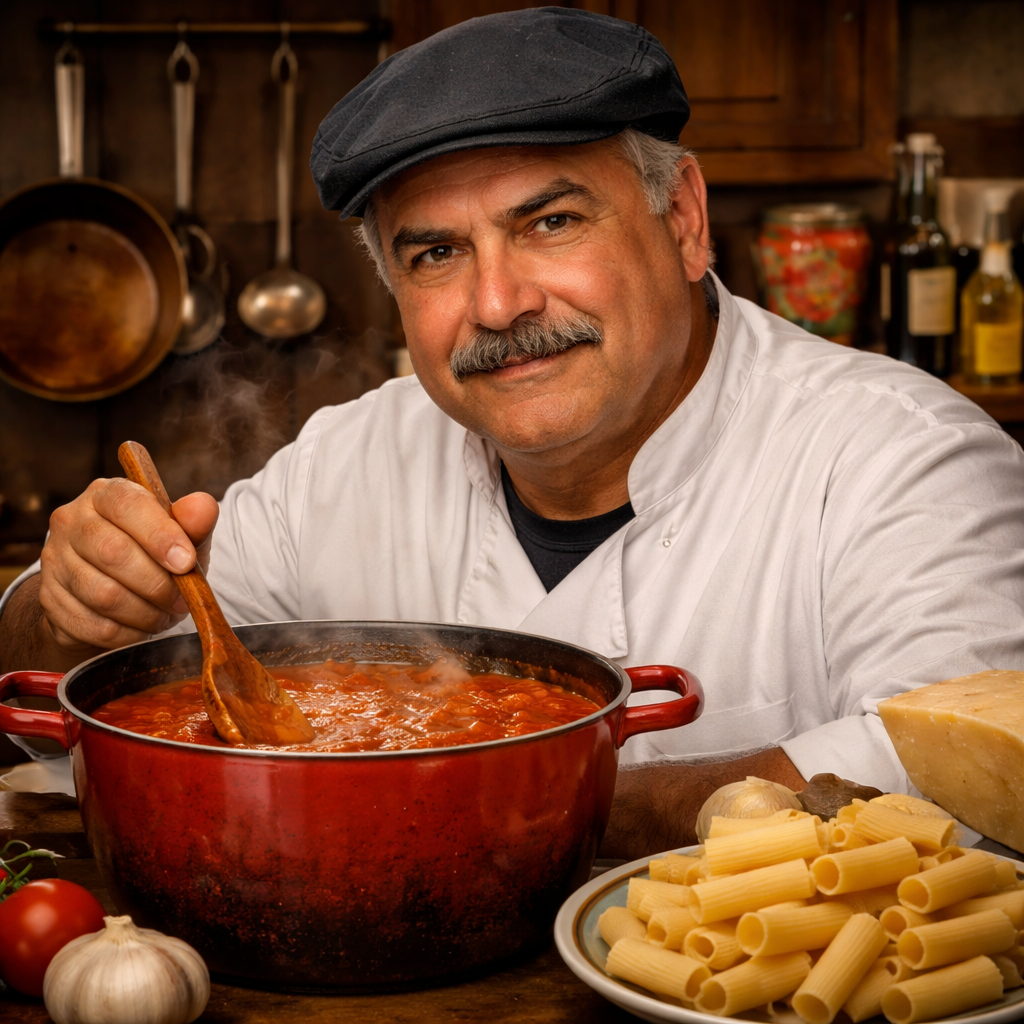
The Gravy Guy
The Gravy Guy is a retired sous chef from New Jersey with 30+ years in professional kitchens and three generations of Italian-American cooking in his blood. He writes the way he cooks — opinionated, technique-first, and with zero tolerance for shortcuts. When he’s not slow-simmering Sunday gravy, he’s arguing about the right pasta shape for the sauce.