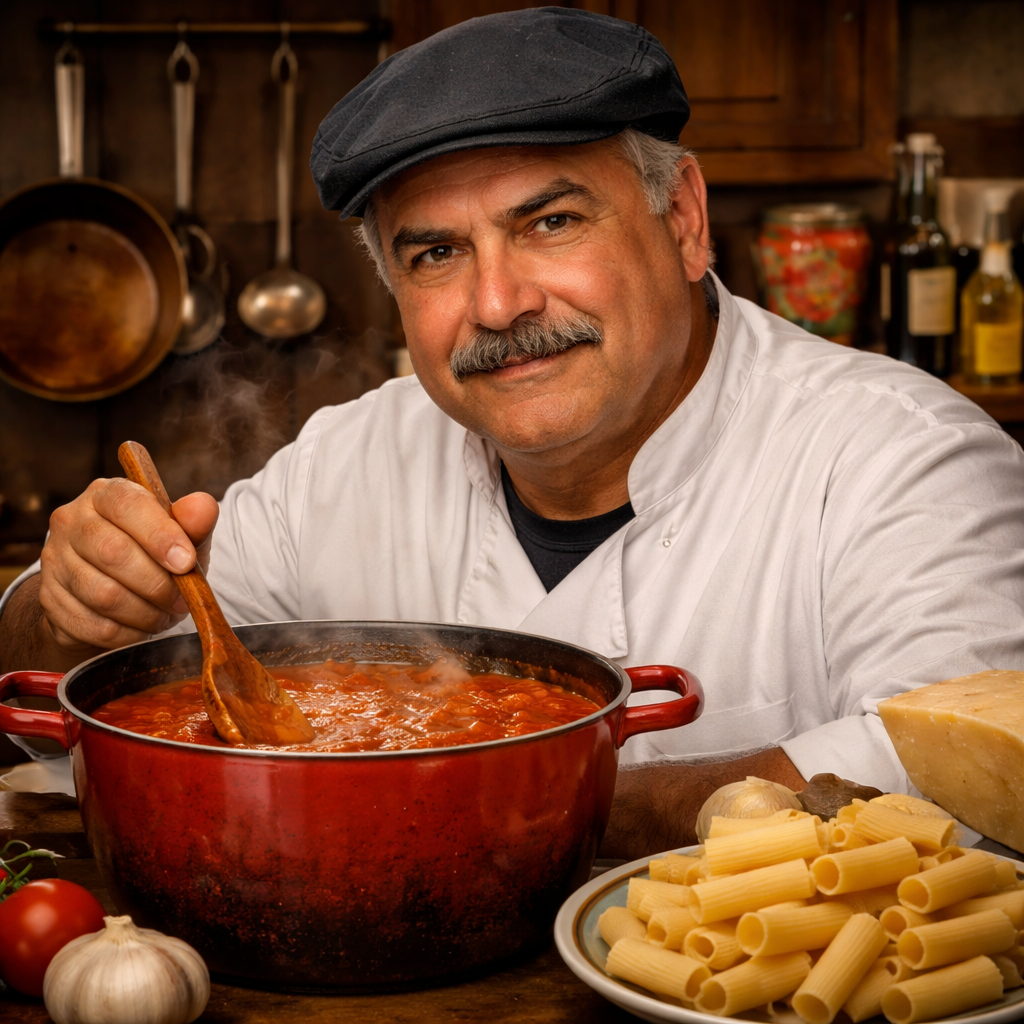
I don’t do ‘good enough.’ This is the right way. Chicken orzo soup is one of those dishes that looks modest and eats like it cost three times what it did. Tender chicken, small pasta cooked right in the broth, vegetables that still have life in them when it hits the table — this isn’t a shortcut soup dumped from a can. It’s built from a real stock base with real technique, and it shows in every spoonful.
The orzo makes this different from a standard chicken noodle. The small oval pasta shape holds the broth differently than a ribbon or tube — you get a little of each in every bite. It also tends to cook faster and drink the broth beautifully, which is why it needs to go in last and come out of the pot right at al dente before it over-absorbs and turns to mush.
My family eats this at least once a month from October through March. It’s the soup that fixes a bad day, feeds a crowd without ceremony, and reheats without complaint. Know this one cold and it pays dividends all winter.
Why This Recipe Works
The broth is built by simmering the chicken pieces in aromatics before shredding the meat and returning it. This produces a stock that’s been flavored by the chicken itself — more integrated, more deeply savory than adding cooked chicken to pre-made broth. It takes 40 extra minutes and is completely worth it.
The orzo is added directly to the pot in the final minutes. It absorbs broth as it cooks and releases starch into the soup, slightly thickening it naturally. The result is a soup that’s more substantial than a plain broth but not heavy — exactly where a good homemade chicken orzo soup lives. Cook the orzo to al dente in the soup and serve immediately; if it sits too long, it will continue absorbing and the soup will thicken to a stew.
Ingredients
The Broth and Chicken
- 2 lbs bone-in, skin-on chicken thighs or a mix of thighs and drumsticks
- 8 cups low-sodium chicken broth
- 2 cups water
- 2 bay leaves
- 4 whole peppercorns
- 2 sprigs fresh thyme
- 1 garlic clove, smashed
The Soup Base
- 2 tbsp olive oil
- 1 large yellow onion, diced
- 3 medium carrots, peeled and diced
- 3 celery stalks, diced
- 4 garlic cloves, minced
- 1 tsp kosher salt
- ½ tsp black pepper
- 1 tsp dried thyme (or fresh thyme leaves from the sprigs)
The Orzo and Finish
- 1 cup (about 6 oz) orzo pasta
- 2 tbsp fresh lemon juice
- 3 tbsp fresh parsley, chopped
- Salt and pepper to taste
How to Make It
1 Build the Chicken Broth
Place the chicken pieces in a large pot with the broth, water, bay leaves, peppercorns, thyme sprigs, and smashed garlic. Bring to a boil, then reduce to a steady simmer. Simmer for 30 to 35 minutes until the chicken is cooked through and tender. Remove the chicken and let it cool enough to handle. Strain the broth through a fine mesh sieve and discard the aromatics. Skim any excess fat from the top.
2 Shred the Chicken
Remove and discard the skin and bones. Shred the chicken into bite-sized pieces while still warm — it shreds more easily when hot. Set aside.
3 Sauté the Aromatics
In the same pot over medium heat, heat the olive oil. Add the onion, carrots, and celery. Cook, stirring occasionally, until softened — about 8 minutes. Add the garlic and dried thyme and cook 1 more minute. Season with salt and pepper.
4 Add the Broth and Simmer
Pour the strained broth back into the pot with the sautéed vegetables. Bring to a boil, then reduce to a simmer. Add the shredded chicken. Taste for salt and pepper — adjust now, before the orzo goes in, because the pasta will absorb seasoning as it cooks.
5 Add the Orzo and Finish
Add the orzo to the simmering soup. Cook, stirring occasionally, for 8 to 10 minutes until just tender — al dente with a slight bite. Stir in the lemon juice and parsley. Taste one final time for seasoning. Serve immediately. The orzo continues to absorb broth after the pot comes off the heat — if you’re serving in batches, consider cooking the orzo separately and adding it per bowl.
Where Most People Blow It
Adding the orzo too early. Orzo overcooks fast and absorbs aggressively. It should go in no more than 10 minutes before serving. If it goes in at the 30-minute mark, it’s paste by the time it hits the table.
Skipping the initial chicken simmer. Adding pre-cooked chicken to store-bought broth produces a flat soup that tastes like the carton. Simmering bone-in chicken in the broth for 35 minutes produces something entirely different — integrated, layered, genuinely good.
Not skimming the broth. The grey foam that rises during the initial simmer is protein impurities. Skim it off for a cleaner, clearer broth. Not skimming doesn’t ruin the soup, but the result is noticeably murkier and slightly bitter.
Under-seasoning before the orzo goes in. The orzo absorbs salt from the broth as it cooks. Season the soup slightly more aggressively than you’d normally like before the pasta goes in, accounting for what it will absorb.
Cooking the soup on high heat. A rolling boil toughens chicken and clouds broth. Gentle simmer, always. Low and slow is correct.
Leaving it on the heat too long after the orzo is done. The orzo keeps cooking in the hot broth even after you’ve turned off the burner. Serve it fast, or cook the orzo separately for a batch you’re serving in stages.
What Goes on the Table With Chicken Orzo Soup
Crusty bread — a baguette, a loaf of sourdough, whatever you have — is the only requirement. The soup is complete on its own. A simple green salad if you want to build it into a full sit-down meal. Warm, not elaborate. That’s the spirit of this dish.
For other soups and noodle dishes in the same lane, the Greek orzo chicken soup takes this concept in a lemon-and-dill direction. The homemade ramen bowl is the Asian counterpart when you want a broth-based noodle dish with more complexity. The cold sesame noodles and pasta e fagioli round out the noodle and soup rotation nicely.
Variations Worth Trying
Greek-Style Avgolemono. Whisk together 3 egg yolks and the juice of 2 lemons. Ladle a cup of hot soup into the egg mixture slowly to temper it, then stir the whole thing back into the pot off the heat. The soup thickens and becomes silky and tart — a completely different experience from the same base.
Tuscan Chicken Orzo. Add a can of white beans and a handful of chopped kale or escarole with the orzo. A splash of olive oil finish. More substantial, more Italian, equally warming.
Spicy Chicken Orzo. Add a teaspoon of red pepper flakes and a can of diced fire-roasted tomatoes with the broth. The tomato adds acidity and color, the pepper adds heat — a bolder, more assertive soup.
With Spinach and Lemon. Stir in 2 cups of baby spinach and extra lemon juice with the parsley at the end. The spinach wilts in 60 seconds and brightens the entire bowl. A lighter, more spring-like version of the same dish.
Storage and Reheating
Store the soup and orzo separately if possible — the orzo will absorb all the broth overnight and the soup becomes a stiff, gummy mass. If already combined, add a generous cup of broth or water when reheating and stir over medium heat until the consistency recovers. Refrigerate for up to 4 days or freeze the broth-and-chicken base (without orzo) for up to 3 months.
The base freezes beautifully. Make a big batch, freeze it in quart containers, and cook fresh orzo directly in the reheated base when you want a bowl. This is how you have a real homemade chicken soup ready in 15 minutes.
FAQ
Can I use chicken breasts instead of thighs?
Yes, but thighs produce a richer, more flavorful broth and more tender shredded chicken. Chicken breasts work — simmer for 20 to 25 minutes (they cook faster) and shred carefully. The broth will be slightly leaner and lighter in color. Both are good; thighs are better for this application.
Can I use store-bought broth to save time?
Yes — and there’s a smart way to do it. Poach the chicken in the store-bought broth instead of water. The chicken flavors the broth as it cooks, even if you start with carton broth. Skip the initial simmer in plain water and go straight to building the soup. The result is better than plain carton broth but faster than a full homemade stock.
Why does my soup turn thick and starchy the next day?
The orzo continues absorbing broth after cooking. By the next day, it has absorbed nearly all the liquid and released starch into what remains, producing a thick, paste-like consistency. This is normal. Thin it generously with broth or water when reheating. For a cleaner make-ahead option, store the orzo separately and add it to each reheated bowl individually.
Can I add more vegetables?
Yes. Zucchini, green beans, or corn added in the last 5 minutes work well. Kale or spinach added in the last minute wilts without overcooking. Avoid starchy vegetables like potatoes unless you add them early with the carrots and celery — they need more time than the orzo and will be undercooked if added late.