You want the secret? It’s patience. And good chocolate. Homemade Chocolate Peanut Butter Cups are proof that the best things you can buy in a candy store are better when made in your own kitchen with ingredients you actually chose. The Reese’s cup is American genius — the combination of bittersweet chocolate and sweet, salty peanut butter is essentially perfect. The homemade version isn’t trying to replicate it exactly. It’s trying to do it better: better chocolate, more peanut butter, real ingredients, your own ratios.
The technique is simple. Good dark chocolate, tempered or not — your choice and the difference is mostly visual. A peanut butter filling that’s firmer and less sweet than the commercial version, because we can make it that way. Double-layered chocolate shells that protect the filling and give a proper snap when you bite through. Make them once and they’ll be on the holiday tray, the birthday request, the gift-in-a-bag-with-a-ribbon. These are the ones people ask for.
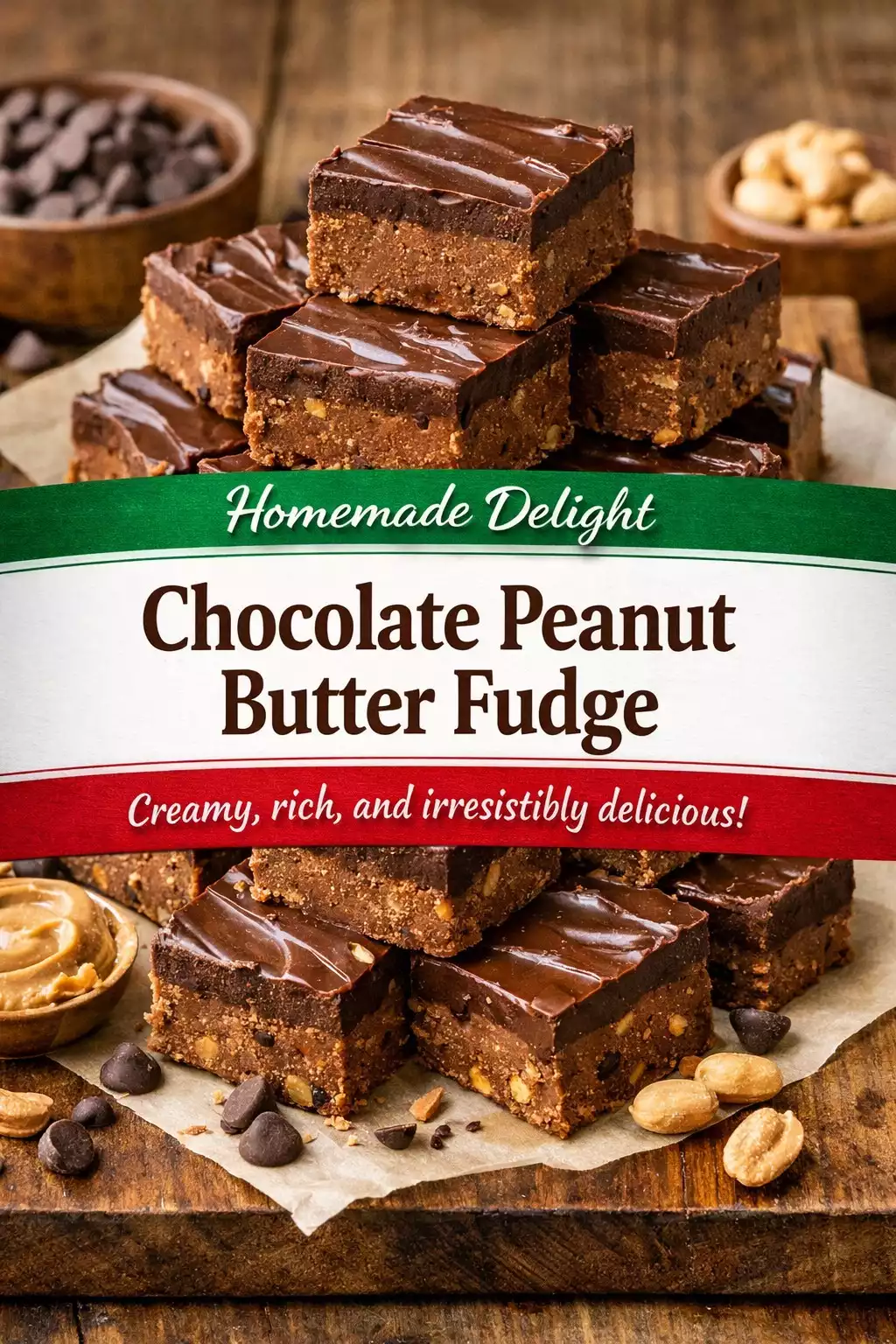
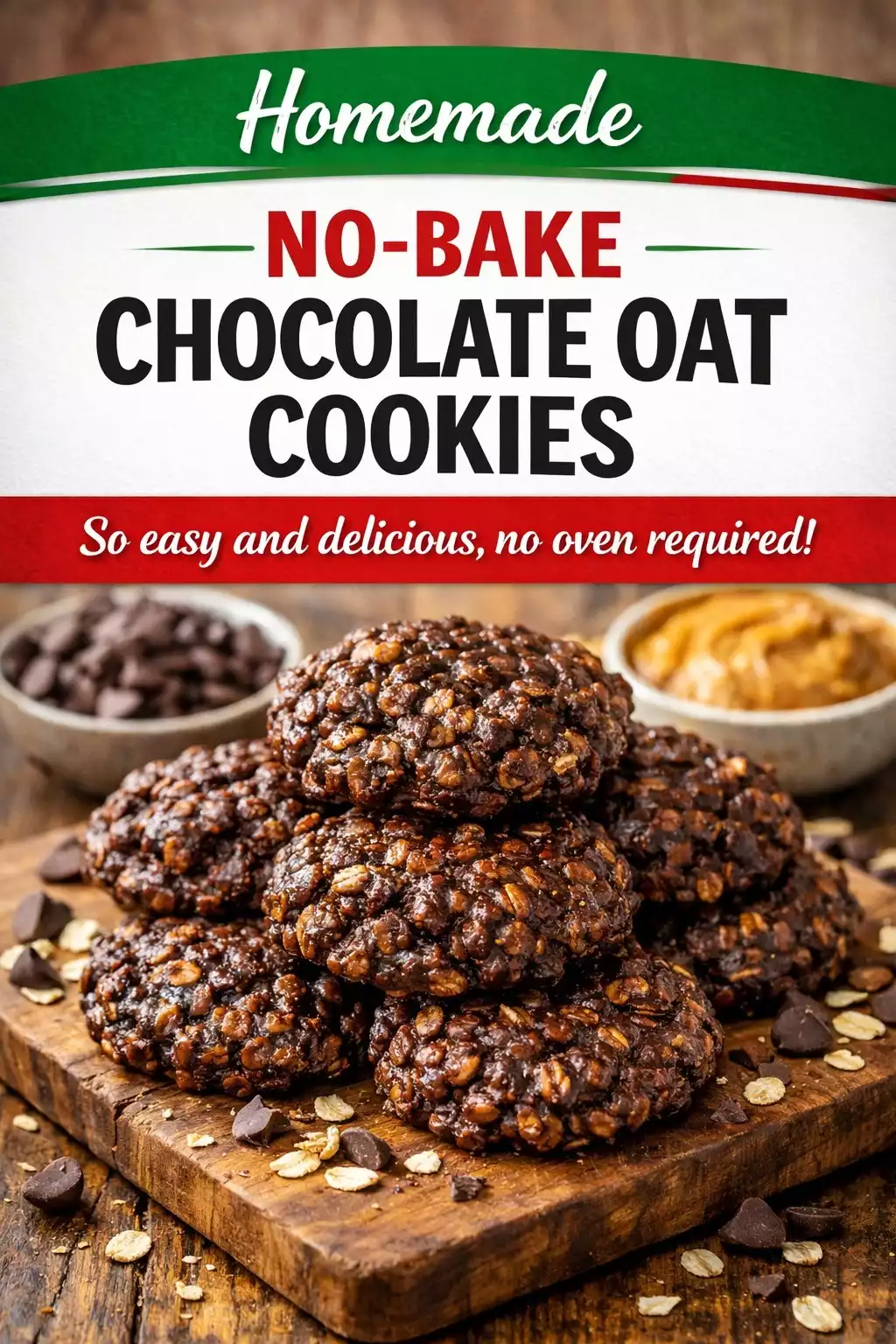
For related no-bake chocolate candy-style desserts, see the chocolate peanut butter fudge for the same flavor combination in a different format. The chocolate trifle and no-bake chocolate oat cookies complete the no-bake chocolate category. The chocolate icebox cake uses dark chocolate in a layered presentation.
Why This Works
- Thin chocolate shell layers: The bottom and top chocolate layers need to be thin enough that biting through them is a clean snap rather than a struggle. Too thick and the ratio of chocolate to peanut butter tilts toward chocolate. Two thin coatings — bottom set before filling, top added after — give the perfect shell thickness.
- Firm peanut butter filling: A filling that’s too soft flows when bitten and makes a mess. Powdered sugar and a small amount of butter firm the peanut butter to a consistency that holds its shape inside the chocolate shell without being dry or crumbly.
- Quality chocolate matters: The chocolate shell is approximately 50% of the experience. Commercial chips work but have wax stabilizers that affect texture. Chopped dark chocolate (Ghirardelli, Guittard, Valrhona) melts more smoothly and produces a more satisfying snap and flavor.
- Proper chilling between layers: The bottom chocolate layer must be completely set before adding the peanut butter filling, or the two layers mix. The peanut butter must be firm before adding the top chocolate layer, or it squeezes out the sides when the chocolate is poured.
Ingredients
For the Chocolate Shell
- 16 oz dark chocolate (60-70% cacao), finely chopped or chips
- 2 teaspoons coconut oil
For the Peanut Butter Filling
- 1.5 cups creamy peanut butter (commercial)
- 1.5 cups powdered sugar, sifted
- 2 tablespoons softened butter
- ½ teaspoon vanilla extract
- ½ teaspoon salt (or to taste — the filling should be distinctly salty)
Instructions
Step 1: Make the Peanut Butter Filling
Mix peanut butter, softened butter, sifted powdered sugar, vanilla, and salt until completely combined and uniform. The filling should be firm — stiffer than peanut butter from the jar but not crumbly. If too soft, add more powdered sugar 2 tablespoons at a time. If too stiff, add a teaspoon of peanut butter. Taste and adjust salt — the saltiness is what makes the contrast with the dark chocolate work. Refrigerate while preparing the chocolate.
Step 2: Melt the Chocolate
Melt chocolate and coconut oil together in a double boiler or microwave (30-second intervals, stirring between each) until completely smooth. The consistency should be fluid enough to pour and spread — like thick heavy cream. Let cool for 5 minutes — it should still be liquid but not steaming.
Step 3: Make the Chocolate Bottoms
Line a standard muffin tin with paper liners. Spoon about 1 tablespoon of melted chocolate into the bottom of each cup. Tilt the pan slightly to encourage the chocolate to coat the sides partially, or use the back of a spoon to push chocolate up the sides about ¼ inch. Refrigerate for 15 minutes until completely set.
Step 4: Add the Filling
Roll or press the peanut butter filling into discs sized to fit inside the muffin cups. Place one disc in each cup, pressing gently to flatten slightly. Leave about ¼ inch of space around the edges so the top chocolate can seal down the sides. Refrigerate for 10 minutes.
Step 5: Add the Top Layer
Re-warm the chocolate if it has thickened. Spoon enough chocolate over each filling to cover completely and reach the edges of the liner. Spread gently to the edges. Refrigerate for at least 30 minutes until completely set. Peel off the liners and serve cold.
Tips & Common Mistakes
- Season the filling aggressively with salt: The contrast between salty, sweet peanut butter and bitter dark chocolate is the entire appeal. A filling that’s not properly salted produces a sweet-sweet combination that doesn’t have the same impact. Taste the filling and add salt until it’s noticeably savory-sweet.
- Both layers must set before the next step: Impatience is the most common failure point. A bottom layer that isn’t fully set mixes with the filling. Filling that isn’t firm allows the top chocolate to push it out the sides. Follow the chill times.
- Use paper liners, not silicone: Silicone molds work but paper liners produce the shape and appearance closest to the commercial cups. Paper peels off cleanly without requiring the chocolate to be unmolded.
- Standard vs. mini muffin tins: Standard muffin tins produce large cups (larger than Reese’s). Mini muffin tins produce snack-sized cups closer to the original. Both work; adjust filling portion accordingly.
- Don’t skip the coconut oil: The coconut oil thins the chocolate for easier spreading and produces a shinier, snappier set than plain melted chocolate. Without it, the chocolate is too thick to spread to a thin, even layer.
Variations Worth Trying
- White chocolate cups: Use white chocolate for both shell and a darker peanut butter filling to maximize the visual contrast. White chocolate and salted peanut butter is a surprisingly excellent combination.
- Almond butter version: Replace peanut butter with almond butter. Use dark chocolate with almond extract in the shell (just ¼ teaspoon). A more sophisticated, slightly less assertive version.
- Pretzel crunch filling: Add ½ cup of crushed pretzels to the peanut butter filling. The crunch and added salt inside the cup is exceptional.
- Caramel layer: Add a thin layer of soft caramel between the peanut butter filling and the top chocolate layer. Three-layer cups that combine chocolate, peanut butter, and caramel simultaneously.
- Holiday presentation: Before the top chocolate layer sets, press a sea salt flake, a small nut, or a festive sprinkle into the surface. For more chocolate-peanut butter candy options, see chocolate peanut butter fudge.
Storage & Serving
- Refrigerator: Store in an airtight container, layered with parchment, for up to 2 weeks. The flavor mellows and improves slightly after 24 hours as the peanut butter and chocolate integrate.
- Freezer: Freeze in a single layer until solid, then transfer to a container. Freeze for up to 3 months. Excellent eaten semi-frozen — the chocolate has a firm snap and the filling is very dense and cold.
- Room temperature: These can be served at room temperature for up to 2 hours, after which the filling begins to soften noticeably. For the cleanest snap and firmest filling, serve cold from the refrigerator.
Frequently Asked Questions
Should the chocolate be tempered?
Tempered chocolate produces a shinier finish and a cleaner snap. Untempered chocolate has a matte finish and may develop bloom (white streaks) over time but tastes identical. For gifts or presentation, tempering is worth the effort. For home consumption, skip it — the flavor is indistinguishable.
Why is the chocolate coating cracking when I peel the liner?
The chocolate was too cold and contracted. Let the finished cups come to refrigerator temperature (not freezer) before peeling — they should be about 40-45°F, not below freezing. Alternatively, briefly touch the outside of the liner to warm it slightly before peeling.
Can natural peanut butter be used?
Not recommended for the filling. Natural peanut butter’s oil separation creates an uneven texture in the filling and the cups don’t hold their shape as well. Commercial creamy peanut butter (Jif, Skippy) produces the correct, firm, scoopable filling. Same advice applies here as with all peanut butter desserts.
How do I get the chocolate to be thin and even?
The coconut oil is key for thinning. Additionally, work quickly with the warm chocolate before it starts to thicken. Tilt the muffin tin at angles to encourage even spreading for the bottom layer. For the top layer, spoon chocolate over and gently shake the pan to level it naturally.
Can this be scaled up for a large batch?
Yes — double or triple the recipe easily. The technique stays identical. Work in batches if the chocolate starts to thicken before all cups are filled. Keep chocolate warm over a very low double boiler between batches. For another large-batch candy option, see chocolate peanut butter fudge which also scales efficiently.