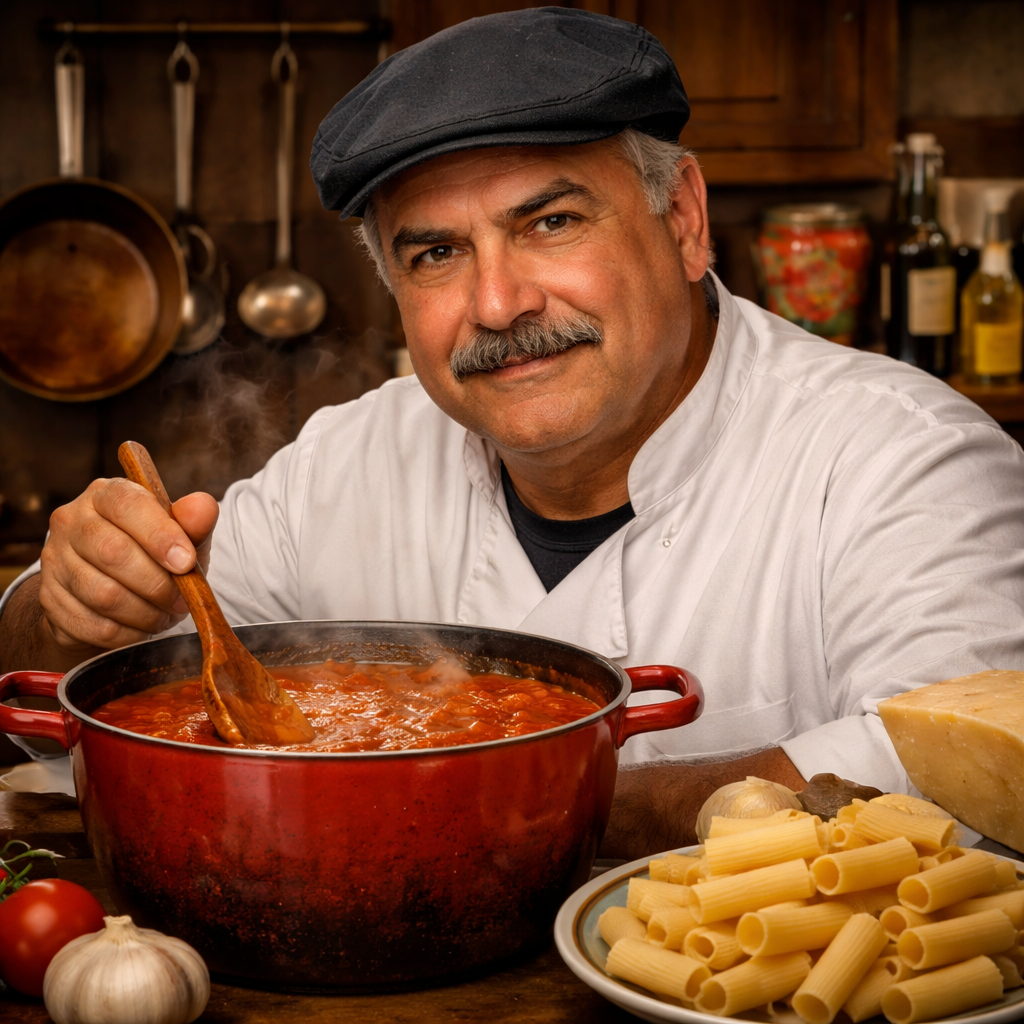
People pay $30 for this at restaurants. You’re making it for six bucks. Homemade Gravy from Scratch is the foundational sauce that every serious home cook should be able to make without looking at a recipe. Not jarred, not powder-packet, not “a little flour and some pan drippings.” Real gravy, built on a proper roux, enriched with good stock, and finished with enough seasoning that it actually tastes like something.
I made gravy professionally for 30 years. Every service, multiple batches, multiple types. Turkey gravy. Beef gravy. Chicken pan gravy. Country gravy. Giblet gravy. They’re all built on the same principle: fat plus flour forms a roux, stock goes in slowly while you whisk, seasoning gets adjusted at the end. The only difference between a gravy that tastes like restaurant food and a gravy that tastes like an afterthought is technique and patience.
This best homemade gravy from scratch recipe gives you the master method for classic brown gravy, plus the variations that turn it into turkey gravy, chicken gravy, mushroom gravy, and country white gravy. Once you understand the method, you can adapt it to any roast, any bird, any situation where something needs a sauce.
Why This Gravy Method Works
- The roux is the technical foundation — flour cooked in fat before any liquid is added creates a stable emulsifier that prevents lumps and produces the smooth, glossy texture of professional-quality gravy.
- Hot liquid into hot roux prevents lumps — adding cold stock to hot roux creates lumps. Adding hot or warm stock to hot roux creates smooth gravy. Temperature match is the key.
- Good stock means good gravy — gravy is concentrated. Whatever stock you use, its quality is amplified, not hidden. Use homemade stock or at minimum a high-quality low-sodium store-bought stock.
- Pan drippings are flavor gold — the caramelized fond (browned bits) on the bottom of a roasting pan contains more concentrated flavor than any other ingredient. Deglaze every bit of it into your gravy.
This is part of the complete sauces, dips & condiments collection. See also homemade basil pesto and chimichurri sauce.
Ingredients for Homemade Gravy
Makes about 2 cups gravy | Prep: 5 min | Cook: 15 min
Basic Brown Gravy (No Drippings)
- 4 tablespoons unsalted butter
- 4 tablespoons all-purpose flour
- 2 cups beef or chicken stock, hot
- 1 tablespoon Worcestershire sauce
- 1 teaspoon soy sauce (for depth and color)
- Salt and black pepper to taste
- Fresh thyme (optional)
Roast Dripping Gravy (The Best Version)
- Fat and drippings from roasting pan (turkey, chicken, beef, pork)
- 3-4 tablespoons all-purpose flour (per 3-4 tablespoons fat)
- 2 cups hot stock of the same meat
- Salt and pepper to taste
- ¼ cup dry red or white wine (deglazing addition)
Country White Gravy (Sausage Gravy)
- 8 oz pork breakfast sausage (cooked and crumbled)
- Sausage fat from cooking (about 3 tablespoons)
- 3 tablespoons all-purpose flour
- 2 cups whole milk, warm
- Salt and generous black pepper
The Master Gravy Method
Step 1: Start with the Right Fat Base
For dripping gravy: skim fat from roasting pan drippings and pour into a heavy skillet or saucepan. You want about 3-4 tablespoons. For butter gravy: melt butter in a heavy saucepan over medium heat. For sausage gravy: cook sausage in the pan, remove the meat, use the rendered fat. The fat is your roux base — its flavor will be in every bite of gravy.
Step 2: Deglaze (For Dripping Gravy)
Pour the roasting pan liquid into the fat (leaving it in the roasting pan or scraping it into the saucepan). Add wine or a splash of stock to the roasting pan and scrape up every browned bit from the bottom of the pan — use a wooden spoon and put effort into it. These fond bits are pure concentrated flavor. Add all of this to your saucepan.
Step 3: Make the Roux
Add flour to the fat and stir constantly over medium heat for 2-3 minutes. The roux should be smooth, pale tan, and smell slightly nutty. This step cooks out the raw flour taste — don’t skip it, don’t rush it. The roux should be fully cooked before any liquid goes in.
Step 4: Add Stock Gradually
Add hot stock (or milk for white gravy) slowly, whisking constantly. Add about a quarter of the liquid first, whisking until smooth before adding more. This gradual addition is what prevents lumps. If you add all the liquid at once before the roux is smooth, you get lumpy gravy. Whisk, add more, whisk, add more — until all liquid is incorporated.
Step 5: Simmer to Thicken
Bring the gravy to a simmer over medium heat, whisking frequently. Cook for 5-8 minutes until thickened to the consistency you want. The gravy continues to thicken as it cools — make it slightly thinner than your target consistency. Add Worcestershire and soy sauce for brown gravy. Season generously with salt and pepper.
Step 6: Strain and Adjust
Strain through a fine mesh strainer if you want restaurant-smooth gravy. For a more rustic, chunky gravy, skip straining. Taste and adjust — does it need more salt? More Worcestershire? More pepper? Does it need to reduce more for thickness or thin out with more stock? Make the final adjustments now, before it goes to the table.
Pro Tips for Better Gravy
- Equal parts fat and flour for the roux. This is the 1:1 ratio that produces a properly thickened gravy. More flour than fat produces gravy that tastes chalky. More fat than flour produces thin, greasy gravy.
- Cook the roux fully before adding liquid. Raw flour tastes starchy and flat. Two to three minutes of cooking at medium heat develops the nutty, toasted flavor that good gravy has.
- Hot stock into hot roux. Temperature match prevents lumps. If your stock is cold and your roux is hot, you’ll fight lumps the entire way. Keep the stock warm in a separate saucepan while building the roux.
- Whisk constantly while adding liquid. One hand pouring, one hand whisking, every tablespoon of liquid. This is not a step where multitasking works.
- Season at the end, not throughout. The gravy reduces and concentrates as it cooks — salt added early becomes too strong. Final seasoning after the gravy has reached its target consistency is the correct approach.
Gravy Variations
- Turkey Gravy: Use turkey drippings and turkey stock. Add fresh thyme and sage to the simmering gravy. The definitive Thanksgiving gravy.
- Mushroom Gravy: Sauté 8 oz of sliced cremini mushrooms until deeply browned before making the roux in the same pan. The mushroom fond amplifies the umami depth significantly.
- Country Sausage Gravy: The full recipe above — crumbled pork sausage, sausage fat, flour, whole milk. Serve over biscuits. This is one of the great comfort foods in American cooking.
- Onion Gravy: Caramelize two large onions slowly (30-40 minutes) until deeply golden and sweet. Build the roux and gravy in the same pan. Use for smothered pork chops or as a steak topping.
- Red Wine Reduction Gravy: Reduce a cup of red wine in the pan before adding stock. The alcohol burns off and the reduced wine adds tannin depth and complexity. Excellent over beef.
- Sauce Collection: See homemade ranch dressing and salsa verde for the full sauce and condiment range.
Storage & Reheating
- Refrigerator: 4-5 days in an airtight container. Gravy congeals when cold — this is normal. It liquefies again on gentle reheating.
- Freezer: Up to 3 months. Freeze in 1-cup portions for easy defrosting and use. Thaw overnight in the refrigerator.
- Reheating: Stovetop over low heat, stirring, with a splash of stock added to thin if needed. Whisk as it heats — this re-emulsifies any fat that separated during storage. Microwave in 30-second intervals, stirring between each.
Frequently Asked Questions
Why is my gravy lumpy?
Either the flour was added to cold fat (needs to be in melted fat), the liquid was cold when added to the hot roux (temperature mismatch), or you didn’t whisk continuously while adding liquid. To fix lumpy gravy: strain it through a fine mesh strainer or blend with an immersion blender.
How do I thicken gravy that’s too thin?
Two methods: 1) Simmer uncovered until reduced to the desired consistency. 2) Mix 1 tablespoon flour with 2 tablespoons cold water until smooth (slurry), add to simmering gravy while whisking, simmer 2 minutes. The simmer method produces better flavor; the slurry is faster.
Can I make gravy without drippings?
Yes — the butter-based gravy recipe above doesn’t require drippings. Good quality store-bought stock and a tablespoon of Worcestershire sauce produce excellent gravy. Add a splash of soy sauce for depth and color.
How much gravy should I make per person?
For a dinner serving: ¼ to ½ cup per person. For a holiday table where gravy is the main sauce: plan on ½ cup per person minimum. This recipe (2 cups) serves 4-8 people depending on generosity.