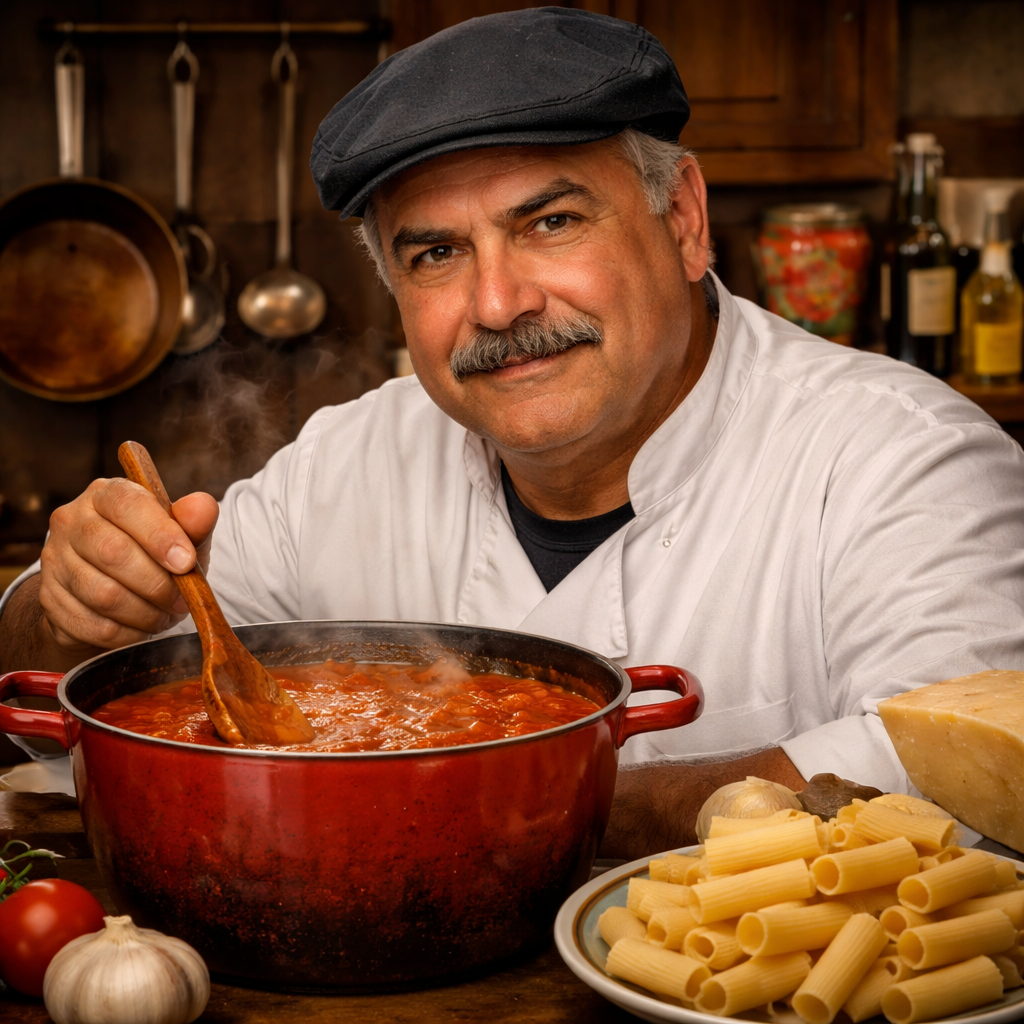
Three generations of this recipe. You’re welcome. Creamy chicken casserole is the weeknight dish that holds families together — rich, satisfying, built from ingredients that are always in the house, and forgiving enough that it comes out right even when you’re distracted and tired and the last thing you want is a technical challenge.
What separates a good creamy chicken casserole from a mediocre one is the sauce. Canned cream soup is what happens when nobody cares. A real béchamel made with the chicken’s own cooking liquid takes twelve minutes and produces something that actually tastes like someone cooked it on purpose. That swap is the whole upgrade.
This version bakes until the top is golden and bubbling and the edges are slightly caramelized, and it holds its shape when you cut into it so people can serve themselves a proper portion instead of spooning a puddle. That’s the goal. That’s what a well-built casserole does.
Why This Recipe Works
The technique is similar to chicken pot pie without the crust: a flavorful velouté sauce built from poaching liquid, vegetables sautéed until soft, and tender shredded chicken all baked together until cohesive. The key is the sauce thickness — it needs to be assertively thick before it goes into the oven, because it loosens slightly during baking and absorbs into the chicken and vegetables. A sauce that’s perfect on the stovetop will be thin and soupy after 40 minutes at 375°F.
The cheese on top isn’t just for visual appeal. It forms a protective layer that traps steam during the covered baking period, then crisps and caramelizes during the uncovered finish. A proper cheese crust on a casserole is structural as well as delicious.
Ingredients
The Chicken
- 2 lbs boneless chicken thighs (or breasts)
- 3 cups low-sodium chicken broth
- 1 bay leaf, 3 peppercorns, 1 garlic clove
The Sauce and Vegetables
- 4 tbsp unsalted butter
- 1 large yellow onion, diced
- 3 celery stalks, diced
- 3 garlic cloves, minced
- 8 oz cremini mushrooms, sliced
- ¼ cup all-purpose flour
- 2 cups reserved poaching liquid
- 1 cup whole milk
- 1 cup frozen peas
- 1 tsp dried thyme
- 1 tsp kosher salt
- ½ tsp black pepper
- ½ tsp garlic powder
The Topping
- 1½ cups sharp cheddar, freshly grated
- ½ cup Parmigiano-Reggiano, freshly grated
- ½ cup panko breadcrumbs (optional — for extra crunch)
- 1 tbsp butter, melted (if using panko)
How to Make It
1 Poach and Shred the Chicken
Place the chicken in a pot with the broth, bay leaf, peppercorns, and garlic. Bring to a gentle simmer over medium heat and cook for 20 to 25 minutes until cooked through. Remove, cool slightly, and shred while warm. Strain and reserve 2 cups of the poaching liquid.
2 Sauté the Vegetables
In a large pot over medium heat, melt the butter. Add the onion and celery and cook until softened, about 8 minutes. Add the mushrooms and cook until they release their moisture and begin to brown, about 6 more minutes. Add the garlic and thyme, cook 1 minute more.
3 Build the Sauce
Add the flour to the vegetables and whisk for 2 full minutes to cook out the raw taste. Slowly pour in the warm poaching liquid and milk, whisking constantly to prevent lumps. Bring to a gentle simmer and cook, stirring frequently, until the sauce is thick enough to coat a spoon heavily — about 5 to 6 minutes. Season with salt, pepper, and garlic powder. Add the shredded chicken and frozen peas. Stir to combine. Taste and adjust seasoning.
4 Assemble and Top
Preheat oven to 375°F. Transfer the filling to a greased 9×13 baking dish and spread evenly. Mix the cheddar and Parmigiano-Reggiano together and scatter evenly over the top. If using panko, toss with the melted butter and scatter over the cheese for extra crunch.
5 Bake Until Bubbling and Golden
Cover with foil and bake at 375°F for 20 minutes. Remove the foil and bake an additional 15 to 20 minutes until the cheese top is golden, bubbling, and the edges are caramelized. Let rest for 10 minutes before serving. The casserole needs this rest to set up and cut cleanly.
Where Most People Blow It
Thin sauce going into the oven. The sauce loosens as it bakes. It needs to be assertively thick — almost too thick — on the stovetop before assembly. Thin sauce equals a soupy, watery casserole after 40 minutes in the oven.
Using canned soup. I know it’s faster. It also tastes like a can. A proper roux takes twelve minutes. The casserole tastes like someone actually made it. That’s worth twelve minutes.
Pre-shredded cheese. Coated with anti-caking starch, won’t melt clean. Grate it yourself from the block.
Cutting too soon. The 10-minute rest isn’t optional. The filling is still liquid-hot when it comes out of the oven. It needs time to tighten. Rest it.
Not seasoning the poaching liquid. The liquid seasons the chicken as it poaches. Plain water-poached chicken tastes like nothing. Use broth and aromatics, always.
Using only white meat. Chicken thighs stay moist and tender through the baking time. Chicken breast becomes dry. Thighs for casseroles, every time.
What Goes on the Table With Creamy Chicken Casserole
A simple green salad and good bread are all this needs. The casserole is a complete meal — protein, vegetables, and starch in one dish. Something cold to drink. Nothing elaborate. That’s the spirit of a casserole.
For other casserole and baked chicken dishes, the chicken pot pie recipe is the same flavor territory with a pastry crust. The chicken enchilada casserole takes the baked casserole concept in a Mexican-American direction. The crispy baked chicken thighs and southern fried chicken are the alternatives when you want the chicken as a standalone rather than in a baked format.
Variations Worth Trying
With Rice. Add 1 cup of cooked rice to the filling before baking. It absorbs the sauce and turns this into an even heartier one-dish meal that stretches further for a larger table.
Green Chile Version. Add a can of diced green chiles and a teaspoon of cumin to the sauce. Use Pepper Jack instead of cheddar on top. A Southwestern variation that brings subtle heat and a different flavor profile.
With Broccoli. Fold in 2 cups of blanched broccoli florets with the chicken and peas. A classic broccoli chicken casserole that feels both satisfying and at least somewhat responsible.
Herb Crust Finish. Mix the panko with fresh thyme, rosemary, and a clove of minced garlic before topping the casserole. The herb crust adds aromatic complexity and a more sophisticated presentation.
Storage and Reheating
Leftovers keep refrigerated for up to 4 days. Reheat individual portions in a 350°F oven for 20 minutes covered with foil — this keeps the filling moist while warming through. Microwave on medium power with a damp paper towel cover, 2 minutes, stirring halfway. The casserole reheats well because the sauce protects the chicken from drying out.
Freezes well for up to 3 months. Assemble in a freezer-safe dish, cover tightly, and freeze unbaked. Bake from frozen at 350°F for 60 to 70 minutes covered, then 15 minutes uncovered. Thaw overnight for a more predictable result.
FAQ
Can I use a rotisserie chicken for this?
Yes — one of the legitimate shortcuts for this dish. Shred the rotisserie chicken, skip the poaching step, and use store-bought low-sodium chicken broth in the sauce. The result is slightly less integrated but still very good. A smart weeknight move when you’re short on time.
Can I make this ahead of time?
Yes. Assemble completely through step 4, cover tightly with plastic wrap, and refrigerate for up to 2 days. Add 10 to 15 minutes to the covered baking time when baking from cold. The flavors actually improve overnight as the filling settles and the sauce absorbs into the chicken and vegetables.
Why does my casserole separate into layers of liquid and solids?
The sauce wasn’t thick enough when it went in. Build the roux properly — two full minutes of cooking the flour before the liquid goes in — and make sure the finished sauce coats a spoon heavily before combining it with the chicken. A properly thickened sauce holds together through the bake.
Can I add pasta or egg noodles to this?
Yes. Cook egg noodles or rotini separately until just under done, fold them into the filling before baking, and increase the sauce by about ½ cup (more pasta means more sauce absorption). The result is a substantial one-dish pasta casserole. A different dish but a good one.