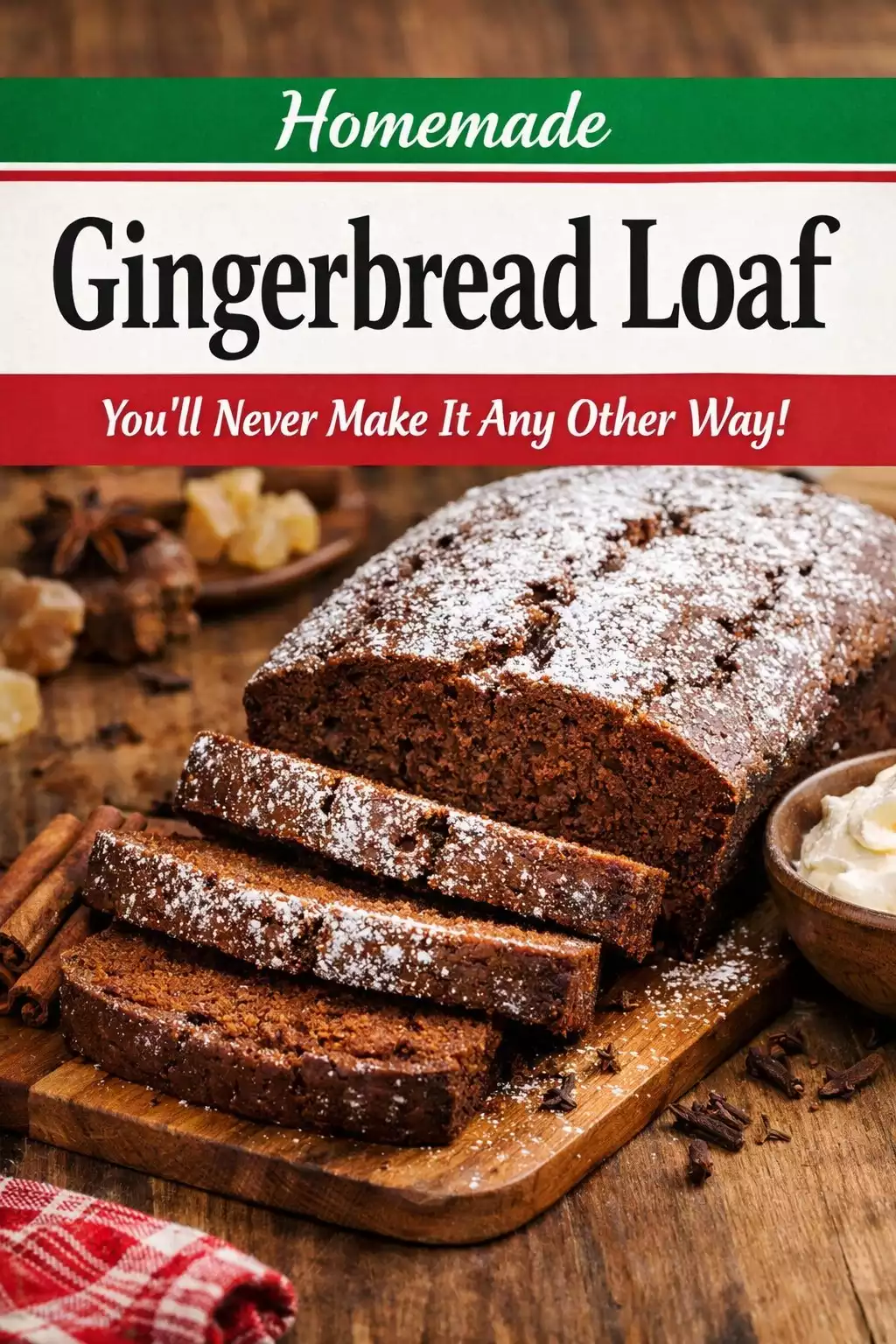
Good bread takes time. Gingerbread Loaf the way Marco’s nonna taught him — by feel, not by timer. This fall dessert recipes classic is one of those honest, unpretentious bakes that fills the house with the smell of winter from the first moment it goes in the oven. Dark molasses, warm ginger, cinnamon, and cloves in a dense, moist loaf that keeps for days and tastes better on day two than day one. Simple ingredients, proper technique. That’s the whole game.
The secret to a great gingerbread loaf is boldness. Most recipes are timid with the spice and light on the molasses. This version doesn’t apologize for its character. You’ll use bittersweet molasses, not the mild stuff, and the ginger is measured generously because gingerbread should taste like gingerbread. The combination of hot water in the batter activates the baking soda and creates a particularly tender, moist crumb. This loaf slices clean, keeps well, and is as appropriate for Christmas morning with coffee as it is for a December dinner party dessert with whipped cream and caramelized pears alongside.
For a complete holiday baking spread, this pairs with gingerbread cookies for double-gingerbread mode, or contrast with soft frosted sugar cookies. For more fall dessert recipes, check out classic pumpkin pie and peanut butter blossoms.
Why This Gingerbread Loaf Works
- Bittersweet molasses — darker flavor and more complex bitterness than mild molasses; essential for authentic gingerbread character
- Hot water activation — hot water reacts with the baking soda and molasses to produce a particularly airy, tender crumb
- Brown sugar + molasses combination — layered sweetness with deep molasses undertones from both sources
- High spice levels — this is not a polite amount of ginger; it’s the amount that makes gingerbread actually taste like gingerbread
- Oil-based batter — stays moist at room temperature for days; butter-based gingerbread dries out faster
Ingredients
The Gingerbread Loaf
- 2 cups (250g) all-purpose flour
- 2 teaspoons ground ginger
- 1 1/2 teaspoons ground cinnamon
- 1/2 teaspoon ground cloves
- 1/4 teaspoon ground nutmeg
- 1/4 teaspoon freshly ground black pepper
- 1 1/2 teaspoons baking soda
- 1/2 teaspoon fine salt
- 1/2 cup (100g) light brown sugar, packed
- 1/2 cup (120ml) neutral oil (vegetable or canola)
- 2/3 cup bittersweet molasses (not blackstrap)
- 2 large eggs, room temperature
- 3/4 cup (180ml) hot water (not boiling — about 150°F)
- 1 teaspoon pure vanilla extract
Optional Topping
- Lemon glaze: 1 cup powdered sugar + 2 tablespoons lemon juice
- Powdered sugar dusting
- Whipped cream for serving
How to Make Gingerbread Loaf
Step 1: Prep
Preheat oven to 350°F. Grease a 9×5-inch loaf pan and line with parchment paper with overhang on the long sides. This loaf bakes in a deep pan and can stick without proper preparation. All ingredients should be at room temperature except the water, which should be heated to about 150°F — hot but not boiling.
Step 2: Mix Dry and Wet Separately
In a large bowl, whisk together flour, all spices, baking soda, and salt. In a separate bowl, whisk brown sugar, oil, and molasses until smooth. Add eggs and vanilla. Whisk until combined. The molasses-oil mixture will look dark and glossy — this is correct.
Step 3: Combine and Add Hot Water
Pour the wet ingredients into the dry ingredients and stir until mostly combined. Carefully pour in the hot water while stirring constantly. The hot water reacts with the baking soda and the acidic molasses to produce additional leavening and creates the characteristic tenderness of this loaf. The final batter will be thin and dark — much thinner than typical loaf batter. This is correct.
Step 4: Bake
Pour the thin batter into the prepared loaf pan — it should fill about 3/4 of the pan. Bake for 45-55 minutes until a toothpick inserted in the center comes out clean. The top will crack down the center — this is characteristic of loaf cakes and completely normal. The loaf will be dark on top; don’t pull it early based on color. Test with the toothpick at 45 minutes and continue if needed.
Step 5: Cool and Optionally Glaze
Cool in the pan for 15 minutes before lifting out using the parchment overhang. Transfer to a wire rack and cool completely. For a simple lemon glaze: whisk powdered sugar and lemon juice until smooth and pour over the cooled loaf. The lemon cuts through the sweetness beautifully. For a simpler finish: dust with powdered sugar before slicing. Serve with whipped cream or a scoop of vanilla ice cream for a more formal presentation.
Tips & Common Mistakes
- Use bittersweet molasses — blackstrap molasses is too bitter and makes the loaf harsh. Mild molasses produces a bland gingerbread. Bittersweet (Grandma’s, Brer Rabbit Gold) is the right choice.
- Don’t panic at the thin batter — this is one of the runniest cake batters you’ll encounter. The hot water creates a batter that looks more like chocolate milk than cake batter. Pour carefully and trust the recipe.
- Hot, not boiling water — boiling water can over-activate the baking soda and create a metallic off-taste. 150°F hot water from the tap or kettle rested for 2 minutes is ideal.
- Don’t underbake — the molasses makes this loaf look done before it is. A toothpick test is mandatory, not optional. Wet batter should never be served as finished gingerbread loaf.
- Better on day two — gingerbread loaf, like most spiced bakes, intensifies in flavor overnight. Bake the day before you plan to serve it.
- Lemon glaze is optional but excellent — the acid in the lemon juice cuts through the deep molasses sweetness and brightens the entire flavor profile.
Variations
- Gingerbread Loaf with Cream Cheese Swirl: Beat 4 oz cream cheese with 2 tablespoons sugar and 1 egg yolk. Pour half the gingerbread batter into the pan, spread cream cheese mixture over it, then pour remaining batter on top. Swirl with a knife. Creates a marble effect and adds tangy creaminess.
- Chocolate Gingerbread Loaf: Add 1/4 cup unsweetened cocoa powder to the dry ingredients. Reduce flour by 2 tablespoons to compensate. The chocolate and gingerbread combination is deeply satisfying and unexpected.
- Candied Ginger Version: Fold 1/3 cup finely chopped candied (crystallized) ginger into the batter. The soft, chewy pockets of intense ginger throughout the loaf elevate the flavor dramatically. Pairs with gingerbread cookies for a full gingerbread-themed holiday dessert offering.
- Apple Gingerbread Loaf: Fold 1 cup finely diced Granny Smith apple into the batter. The apple adds moisture and a fruity note that lightens the heavy molasses character. Particularly good topped with the lemon glaze.
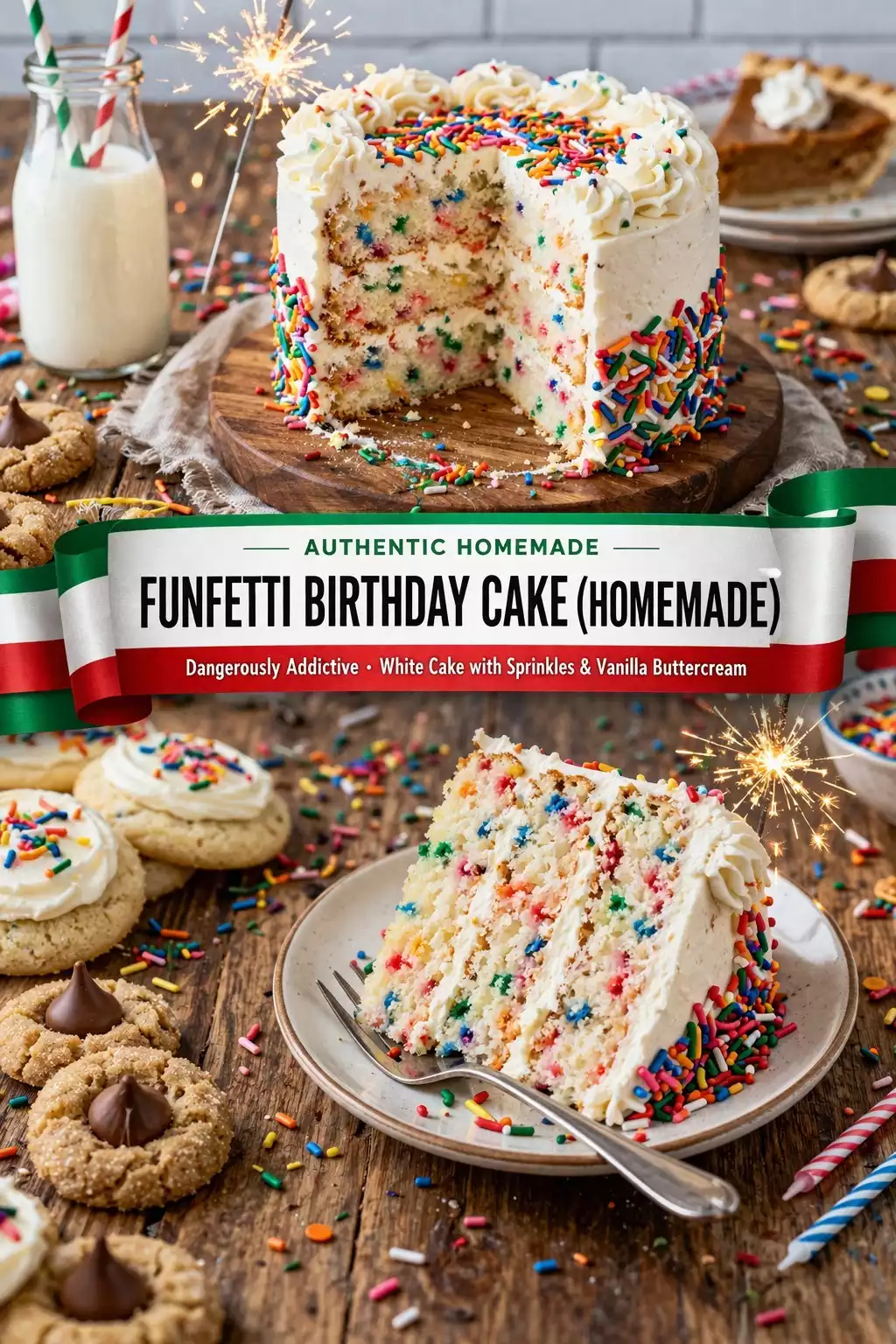
- Mini Gingerbread Loaves: Divide batter among 3-4 mini loaf pans. Bake at 350°F for 25-30 minutes. Package individually as gifts, or serve as individual portions. Excellent with a light dusting of powdered sugar and a sprig of rosemary for presentation. See homemade funfetti cake for contrast on a holiday dessert table.
Storage & Make-Ahead
- Room temperature: Wrapped tightly in plastic wrap for up to 5 days. Molasses-based bakes keep exceptionally well at room temperature because molasses retains moisture.
- Refrigerator: Up to 1 week. Bring to room temperature before serving — cold gingerbread is denser and the spice flavors are less pronounced.
- Freezer: Wrap cooled unglazed loaf tightly in plastic wrap, then foil. Freeze for up to 3 months. Thaw overnight at room temperature. Glaze after thawing.
- Make-ahead recommendation: Bake 1-2 days ahead for best flavor. Gingerbread loaf on day 2 is noticeably better than on day 1 as the spices bloom and intensify overnight.
- Gifting: Wrap cooled loaf in parchment, then cellophane, tied with a ribbon. Write the flavor on a gift tag. This is one of the most appreciated homemade holiday gifts — keeps well for the recipient for several days.
Frequently Asked Questions
Can I use fresh ginger instead of ground ginger?
Yes — fresh ginger has a brighter, more pungent heat than dried. Use 1 tablespoon of finely grated fresh ginger in place of the 2 teaspoons ground. You can also use both — keep the ground ginger and add 1 teaspoon freshly grated for a double ginger effect that’s particularly intense and aromatic. Professional bakers often do this for the most compelling ginger flavor.
Why is my gingerbread loaf sunken in the middle?
Under-baked. The center of a gingerbread loaf can look done on the outside while the middle is still wet from the thin batter. A toothpick must come out completely clean from the center. If your loaf consistently sinks, your oven may run hot, causing the outside to set before the inside cooks. Reduce temperature to 325°F and extend baking time by 10-15 minutes.
Can I make gingerbread muffins from this recipe?
Yes — fill standard muffin cups 3/4 full. Bake at 375°F for 18-22 minutes until a toothpick comes out clean. Makes about 12 muffins. Excellent for individual portions. Top with cream cheese frosting, powdered sugar, or the lemon glaze. Mini muffins work too — fill 2/3 full and bake at 375°F for 12-14 minutes.
Is this the same as German Lebkuchen or British gingerbread?
Related but distinct. This is American-style soft gingerbread loaf cake — moist, tender, made with molasses. Lebkuchen is a German spiced cookie. British gingerbread can mean a denser, cake-like version or a harder cookie depending on region. The American molasses loaf is its own tradition, and the warm-spice profile is more forward and aromatic than either European counterpart.
How do I prevent the loaf from sticking to the pan?
Two measures: thoroughly grease every surface of the pan including corners, then line the bottom and long sides with parchment paper with enough overhang to lift the cooled loaf out cleanly. The molasses in this batter makes it stickier than plain cake batter. A properly prepared pan releases cleanly every time. Skip the parchment and you risk losing the bottom of the loaf to the pan. See classic pumpkin pie for another fall essential worth mastering.