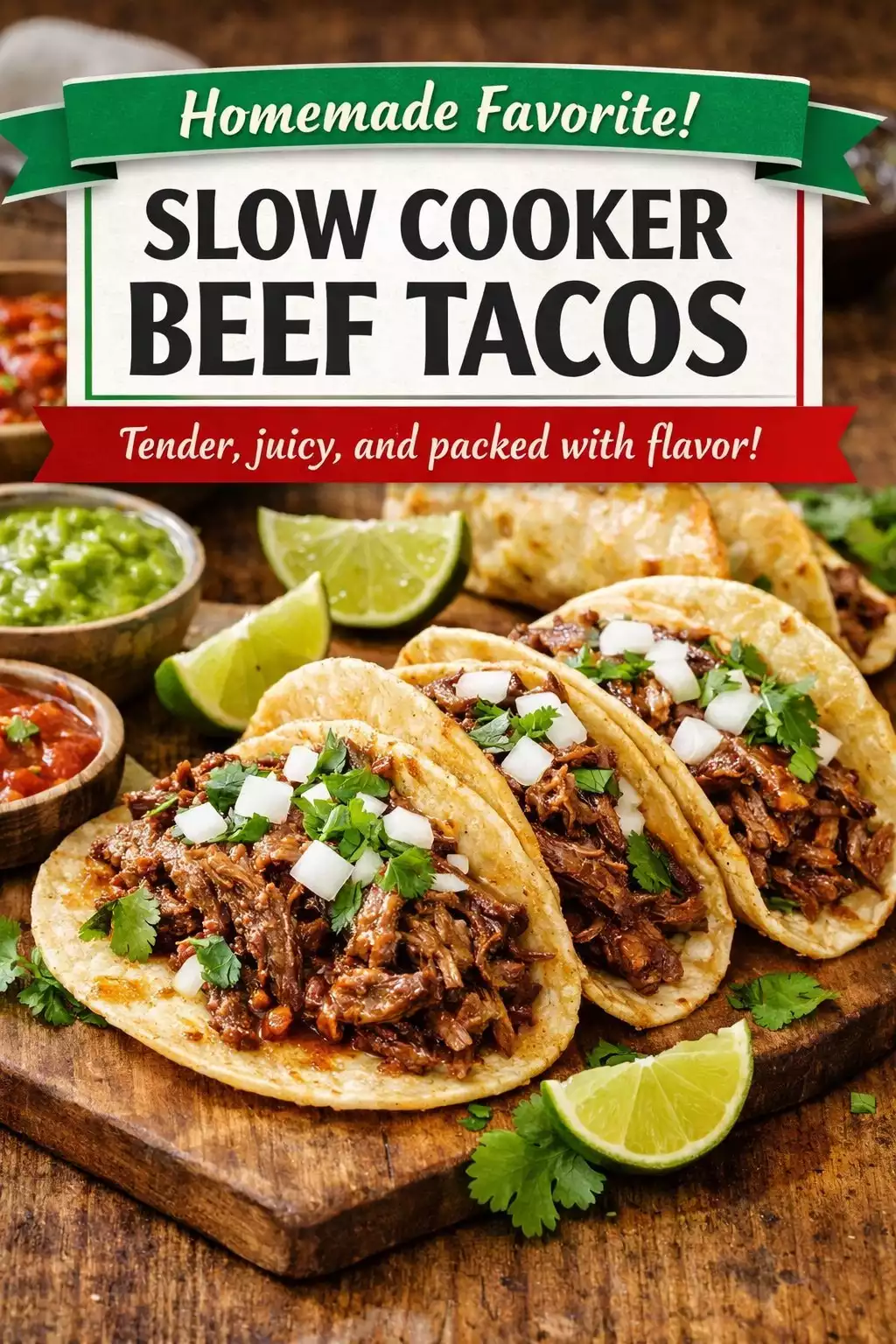
I‘ve made this a thousand times. It gets better every time. Homemade Taco Seasoning — the real version, made from spices you already have in your cabinet — is one of those small upgrades that changes everything without requiring any effort. A packet of taco seasoning from the supermarket has seventeen ingredients, of which five are spices and twelve are sodium, anti-caking agents, and things you can’t identify. Homemade taco seasoning has seven to nine ingredients, all of them spices, and it costs a fraction of the price when you’re buying in bulk. The flavor is more balanced, more customizable, and significantly better. This is the version I’ve been making for thirty years and it works on everything: taco meat, burritos, seasoned rice, roasted vegetables, grilled chicken. It’s a kitchen workhorse.
Why This Homemade Taco Seasoning Works
- Chili powder as the base: Not cayenne, not paprika alone. True chili powder is a blend of dried chilies, cumin, and oregano — it creates the earthy, warm base that all other spices build on.
- Multiple layers of heat: Cayenne for sharp heat, black pepper for background warmth, and chili powder for chili-specific burn. Each contributes a different heat character rather than a one-dimensional punch.
- Smoked paprika over sweet paprika: The smokiness adds a subtle grilled character that sweet paprika doesn’t provide. Particularly noticeable on stovetop-cooked taco meat.
- Garlic and onion powder: Essential but often under-measured in homemade blends. These need to be present enough to taste but not so dominant they turn the seasoning into garlic salt.
- Cumin, twice over: The cumin in the chili powder is supplemented with additional ground cumin. Cumin is the backbone flavor of Mexican-American cooking — it can’t be overdone in this context.
Ingredients
Homemade Taco Seasoning (makes about ¼ cup — equivalent to 4 packets)
- 2 tbsp chili powder
- 2 tsp ground cumin
- 1½ tsp smoked paprika
- 1 tsp garlic powder
- 1 tsp onion powder
- 1 tsp dried oregano
- ½ tsp black pepper
- ½ tsp cayenne pepper (adjust to heat preference)
- 1 tsp salt (or to taste — see note on salting)
Instructions
Step 1: Mix and Store
Combine all ingredients in a small bowl and stir until evenly combined. Transfer to a sealed jar or small airtight container. Shake before each use to redistribute any settling. Store at room temperature away from heat and light.
How to Use It
For taco meat: brown 1 lb ground beef (or turkey, chicken, or plant-based) and drain excess fat. Add 2–3 tablespoons of the seasoning blend plus ¼ cup water per pound of meat. Stir to combine and simmer 3–5 minutes until the water is mostly absorbed. Taste and adjust salt. This is approximately equivalent to one standard taco seasoning packet. Scale up or down based on your preference for intensity.
Tips and Common Mistakes
- Salt separate: The biggest advantage of homemade seasoning is salt control. Leave the salt out of the bulk blend entirely and add it to taste when cooking. This prevents over-salted taco meat, which is the main complaint about commercial packets.
- Measuring by weight: Spice freshness and potency vary significantly between brands. Making a small test batch with your specific spices and adjusting before making a large batch gives you a calibrated blend that works consistently.
- Old spices: Ground spices lose potency after 6–12 months. If your chili powder is over a year old, it will produce a flat, muted seasoning regardless of quantity. Smell the spices — fresh spices are fragrant; old spices smell like paper. Replace as needed.
- Adjusting heat: The cayenne controls the heat level directly. For mild: reduce to ¼ tsp. For moderate: ½ tsp (as written). For hot: 1 tsp. The other spices stay the same.
Variations
- Ancho chili version: Replace half the chili powder with ancho chili powder (made from dried poblanos). Deeper, fruitier, and significantly more complex flavor profile. Better for slow-cooked applications.
- Chipotle version: Add 1 tsp of chipotle chili powder to the blend. Smoky, with more heat than the base recipe. Excellent for grilled chicken and fish tacos.
- Low-sodium version: Simply omit the salt entirely from the blend. Season dishes individually. A completely salt-free taco seasoning is also more versatile for uses beyond taco meat.
This taco seasoning is the starting point for dozens of recipes. Use it alongside the Carne Asada Marinade, and pair with sauces like the Restaurant-Style Guacamole, the Homemade Salsa, and the Queso Dip (Tex-Mex).
Storage
- Room temperature: In a sealed jar away from heat, light, and moisture, homemade taco seasoning keeps for 6 months. After that, the spices begin to lose potency.
- Best practice: Make in small batches (this recipe is about 4 packets-worth) so you’re always using relatively fresh spices. Refresh the batch every 3–4 months for maximum flavor.
- Labeling: Write the date on the jar. Ground spice blends are impossible to identify by sight and the date helps you track freshness.
Frequently Asked Questions
How much taco seasoning per pound of meat?
2–3 tablespoons of this blend per pound of meat is the right range. Start with 2 tablespoons, taste after cooking, and add more if needed. Individual spice potency varies by brand and age, so tasting is more reliable than a fixed measurement.
Can I use this for chicken?
Yes — it’s excellent on chicken. Rub directly on chicken thighs or breasts before grilling, baking, or pan-searing. Use 1–1.5 tablespoons per pound of chicken. It also works as a rub for shrimp (1 tsp per pound, brief toss, then grill or sauté quickly at high heat).
What’s the difference between chili powder and chili powder blend?
“Chili powder” as sold in American grocery stores is typically a blend of ground dried chilis, cumin, garlic, and oregano — it’s already a compound spice. Pure dried chili powder (like ancho powder or chipotle powder) is made from a single dried chili variety. The recipe here uses the standard American “chili powder blend” as the base and layers additional individual spices on top for more complexity.
Can I use this for vegetarian tacos?
Yes — and it works excellently on roasted cauliflower, black beans, lentils, and crumbled tofu. For vegetarian applications, toasting the spice blend briefly in a dry pan before adding to the protein or vegetables blooms the aromatics and adds depth that the shorter cooking time of plant-based proteins benefits from.