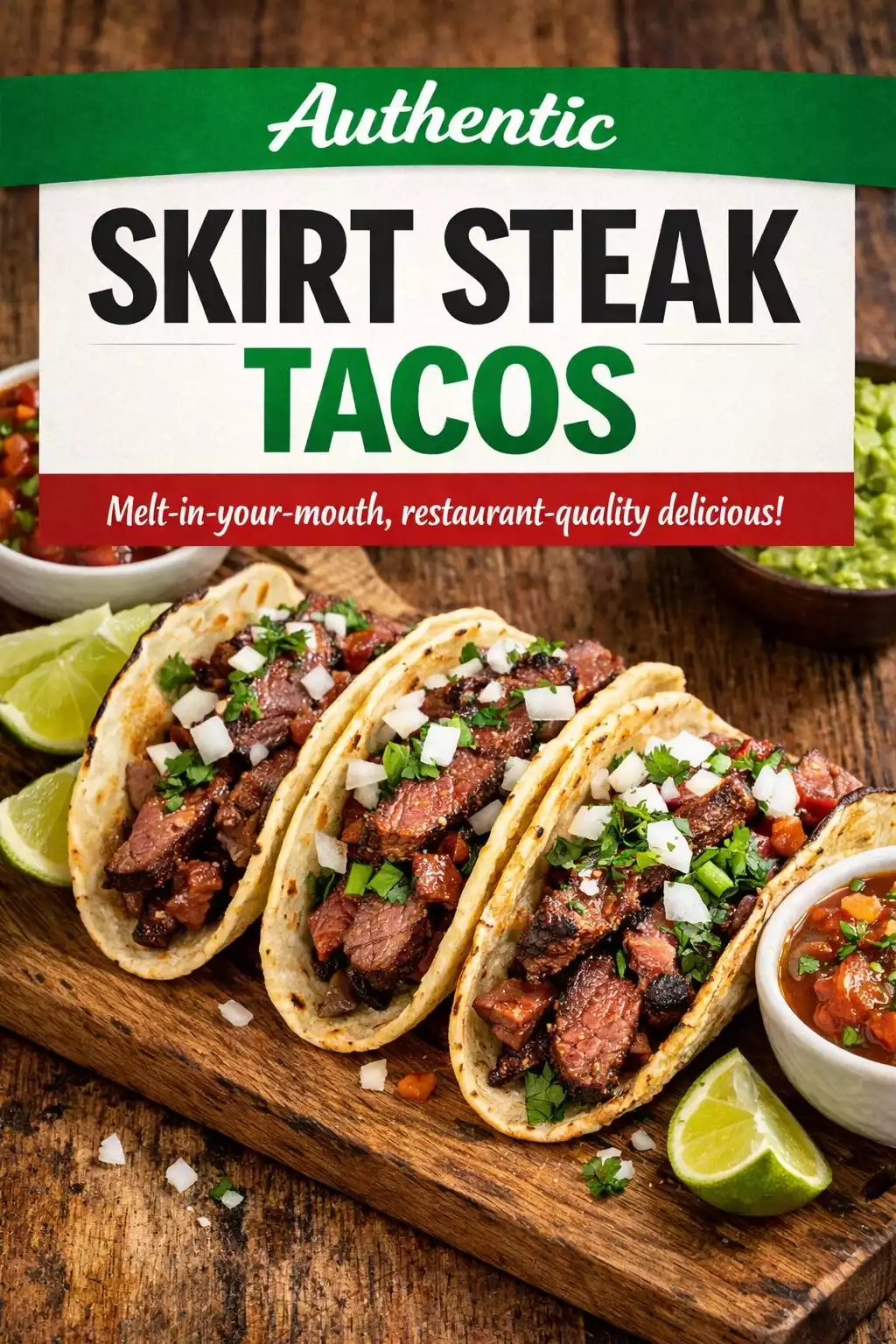
If you can boil water and follow directions, you can make this. Carne Asada Marinade — the blend of citrus, garlic, herbs, and spices that transforms flank or skirt steak into something worth crowding around — is one of the most straightforward recipes in the entire Mexican-American cooking tradition. The marinade does the work while you’re doing something else. The grill does the finishing work. Your only job is to not overcook the beef. This is achievable. I have faith in you.
The key is the combination of citrus: orange for sweetness, lime for brightness and acid. The combination creates a marinade that tenderizes without turning the meat mushy and flavors without overwhelming the beef itself. Everything else — the garlic, cumin, oregano, ancho — is supporting cast. The citrus and the beef are the story.
Why This Carne Asada Marinade Works
- Citrus two ways: Orange provides sweetness and depth; lime provides bright acidity and the characteristic tang associated with carne asada. Both are essential — orange alone is too sweet, lime alone is too sharp.
- Ancho chili powder: Made from dried poblano peppers, ancho has a mild, fruity heat with subtle chocolate and coffee notes. Significantly more complex than standard chili powder for this application.
- Fresh cilantro in the marinade: Cilantro infuses the oil with herbaceous, slightly citrusy flavor during marinating. It won’t be visible on the finished meat but its character permeates the surface of the beef.
- No more than 8 hours: The citrus acid begins to “cook” the exterior of the meat like a ceviche if left too long. 4–8 hours is ideal for flank and skirt steak. Overnight produces noticeably different (and inferior) surface texture.
- High heat on the grill: Carne asada needs screaming-hot grill grates. The charred exterior — the actual “asada” part — is created by high heat and brief time on the grill. Low heat produces gray, steamed beef, not carne asada.
Ingredients
Carne Asada Marinade
- Juice of 2 oranges (½ cup)
- Juice of 2 limes
- ¼ cup olive oil
- 4 garlic cloves, minced
- 1½ tsp ancho chili powder (or regular chili powder)
- 1 tsp cumin
- 1 tsp dried oregano (Mexican oregano preferred)
- ½ tsp smoked paprika
- ½ cup fresh cilantro, roughly chopped
- 1 jalapeño, roughly sliced (seeds in for heat)
- 1 tsp salt
- ½ tsp black pepper
For Grilling
- 1.5–2 lbs flank steak or skirt steak
- Oil for grill grates
Instructions
Step 1: Make the Marinade
Whisk together orange juice, lime juice, olive oil, garlic, ancho chili powder, cumin, oregano, smoked paprika, salt, and pepper. Add the roughly chopped cilantro and sliced jalapeño. The marinade doesn’t need to be smooth — rough herbs and jalapeño pieces are fine. Place steak in a large zip-lock bag or shallow dish and pour the marinade over, turning to coat completely.
Step 2: Marinate
Refrigerate for at least 2 hours, 4–6 hours preferred. Do not exceed 8 hours for flank or skirt steak — the citrus acid over-tenderizes and creates a mushy surface texture beyond that point. Remove from refrigerator 30 minutes before grilling to come to room temperature.
Step 3: Grill at High Heat
Heat grill to maximum temperature (or use a cast iron skillet over high heat). Oil the grates well. Remove steak from marinade, shake off the herbs, and pat slightly dry with paper towels — not bone dry, but remove the excess dripping liquid. A wet steak steams; a properly drained steak sears. Grill skirt steak 3–4 minutes per side for medium-rare. Flank steak 4–5 minutes per side. Both should read 130–135°F internal for medium-rare.
Step 4: Rest and Slice
Rest the steak on a cutting board for 5–7 minutes. Do not skip this — the residual heat continues cooking the interior and the juices redistribute throughout the meat. Then slice very thin, against the grain (perpendicular to the muscle fibers). Skirt steak and flank steak have very visible grain — cutting against it is the difference between tender, thin slices and chewy, tough ones.
Tips and Common Mistakes
- Too long in the marinade: Set a timer. After 8 hours, the citrus starts denaturing the surface proteins. The beef takes on a gummy, mealy texture that no amount of high-heat grilling can fix.
- Slicing with the grain: Flank and skirt steak cut with the grain are chewy and nearly inedible. Cut perpendicular (across) to the visible muscle fibers. This one technique changes everything about the eating experience.
- Low grill temperature: Carne asada needs the highest possible heat. Preheat the grill at least 15 minutes on maximum. The steak should be on hot grates with visible heat shimmer above them.
- Overcooking: Medium-rare to medium (130–145°F) is the right range for both flank and skirt steak. Well-done carne asada is tough, dry, and chewy regardless of marinade. These cuts do not improve beyond medium.
Variations
- Adobo carne asada: Add 2 tablespoons of chipotle peppers in adobo sauce (blended smooth) to the marinade. Smoky, deeper heat, more complex. Outstanding.
- Baja-style: Replace the orange juice with pineapple juice. Tropical sweetness and a different type of acidity. Also a natural meat tenderizer from the bromelain in fresh pineapple juice.
- Dry rub carne asada: Skip the marinade and build a dry rub: 1 tbsp ancho chili powder, 1 tsp each cumin, garlic powder, oregano, smoked paprika, salt, and pepper. Rub generously and grill immediately. Less penetration, faster preparation.
This marinade is the foundation of the taco spread. Use with the Homemade Taco Seasoning, the Best Steak Marinade, and serve the carne asada with the Restaurant-Style Guacamole and Homemade Salsa.
Storage
- Marinade (unused): Keeps 3 days refrigerated in a sealed container.
- Marinated raw beef: Keep refrigerated and grill within 8 hours of starting the marinade.
- Cooked carne asada: Refrigerates for 4 days. Use cold in tacos, burritos, salads. Reheat briefly in a very hot skillet with a splash of oil to restore the seared character.
Frequently Asked Questions
What cut of beef is best for carne asada?
Skirt steak is the traditional choice — thin, well-marbled, deeply flavored, and takes the marinade beautifully. Flank steak is a close second with more availability and consistent thickness. Both must be sliced thin against the grain after resting. Avoid thick steaks like ribeye or strip for carne asada — the technique and purpose are completely different.
Can I use this marinade for chicken?
Yes. Reduce marinating time to 2–4 hours maximum for chicken. The citrus acid works even faster on chicken proteins than beef. High-heat grill, same slicing-thin approach, excellent results for chicken tacos and rice bowls.
What is Mexican oregano and does it matter?
Mexican oregano (Lippia graveolens) is a different plant from Mediterranean oregano. It’s more citrusy, slightly more assertive, and less minty. It pairs naturally with the citrus and cumin profile of Mexican-American cooking. Mediterranean oregano works as a substitute but the flavor profile is slightly different. Look for Mexican oregano at Latin grocery stores or well-stocked spice shops.
How do I know when the grill is hot enough?
Hold your hand 4 inches above the grates. You should only be able to hold it there for 2–3 seconds before pulling away. That’s maximum heat. The steak should sizzle loudly and immediately on contact. If it doesn’t sizzle on contact, the grill isn’t ready yet.