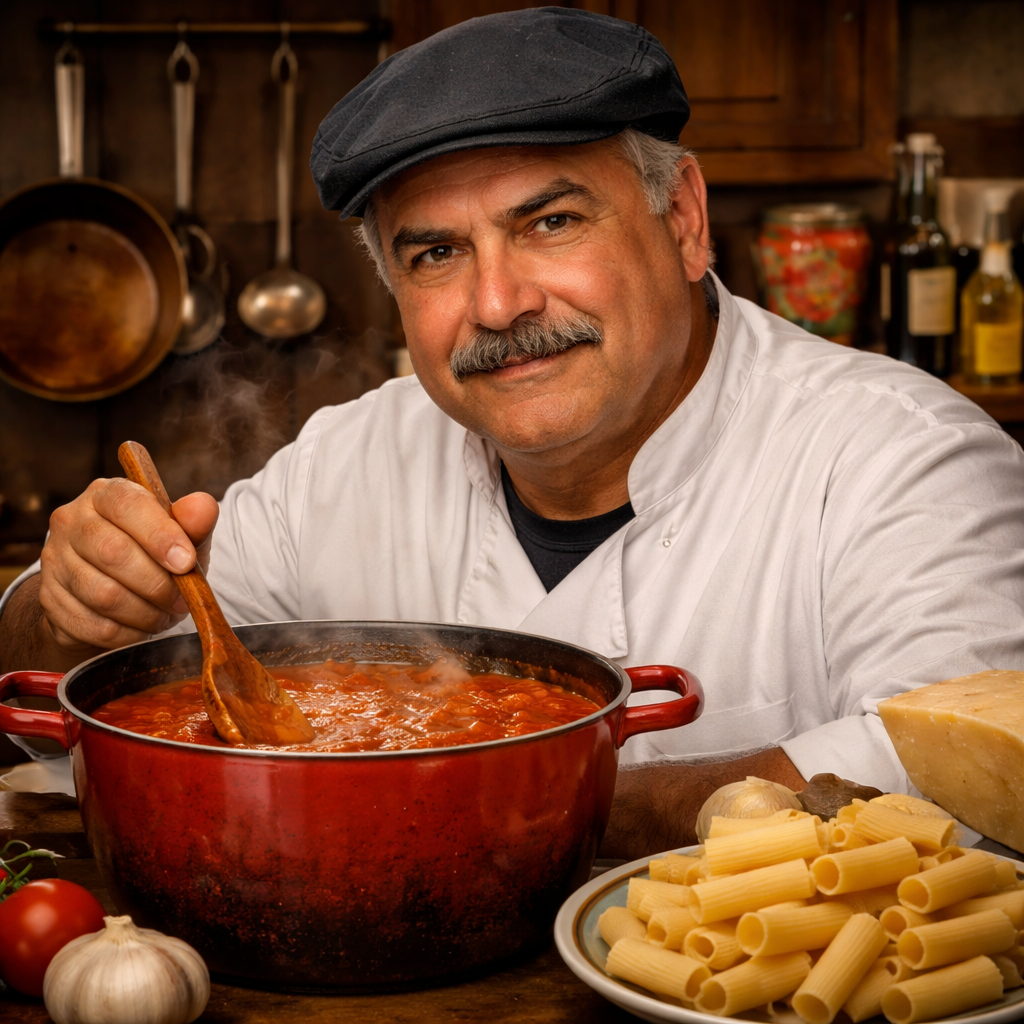
This is the recipe my sous chefs used to steal from my station. Not the pasta, not the braises — the meatballs. Because Juicy Homemade Meatballs are the thing that separates a cook who understands Italian-American food from someone who’s just following directions. I’ve watched people destroy this dish in a hundred different ways, and I’ve fixed every one of them. What you’re getting here is thirty years of corrections compressed into one recipe that actually works.
The secret isn’t in a single ingredient. It’s in the ratio of meat to binder, the way you handle the mix, and the moment you stop cooking them. Overwork the meat and you get golf balls. Undermix and they fall apart. Get it right and you get what my grandmother called “pillows” — tender, rich, with a crust on the outside and soft beef all the way through.
These meatballs pair perfectly with Classic Beef Stroganoff for a full beef-forward dinner spread, or serve alongside Classic Beef Stew for the ultimate cold-weather table. When you’re building out your beef recipe repertoire, Best Meatloaf Recipe uses a lot of the same technique — and Sunday Pot Roast and Hamburger Steak with Onion Gravy round out the rotation beautifully.
Why These Meatballs Actually Work
- Panade binder: Milk-soaked breadcrumbs keep the interior tender without adding doughiness or bulk.
- Gentle mixing: Overworked meat becomes dense and rubbery. The goal is just-combined.
- Sear then finish: A hot pan sear builds the crust, then finishing in sauce (or oven) cooks the center without drying it out.
- Grated cheese inside: Parmesan in the mix adds a savory baseline that no amount of seasoning can replicate.
- Uniform size: Same-size meatballs cook at the same rate. Use a scoop for consistency.
Ingredients
The Meatballs
- 1 lb ground beef (80/20)
- ½ lb ground pork (or use all beef)
- ¾ cup plain breadcrumbs
- ¼ cup whole milk
- 1 large egg + 1 yolk
- ½ cup grated Parmesan
- 3 garlic cloves, finely minced
- ¼ cup fresh parsley, chopped
- 1½ tsp kosher salt
- ½ tsp black pepper
- ½ tsp dried oregano
- Olive oil for searing
For Finishing
- 2 cups marinara or simple tomato sauce
- Fresh basil for serving
- Extra Parmesan for the table
Instructions
Step 1: Make the Panade
Combine breadcrumbs and milk in a bowl. Let soak for 5 minutes until milk is absorbed and you have a soft paste. This is the moisture insurance for your meatballs — it prevents the meat proteins from seizing up and squeezing out all their juice during cooking.
Step 2: Combine Everything
In a large bowl, add ground beef, ground pork, soaked breadcrumbs, egg and yolk, Parmesan, garlic, parsley, salt, pepper, and oregano. Mix with your hands until just combined — about 60 seconds of gentle folding. The mixture should hold together when pressed but still look slightly rough. Stop before it looks smooth and uniform.
Step 3: Portion and Roll
Use a 2-tablespoon cookie scoop or measure portions by hand — aim for 1½ inches in diameter. Roll gently between your palms, applying light pressure. Damp hands prevent sticking. Place on a parchment-lined tray as you go. Should yield 20–24 meatballs.
Step 4: Sear
Heat a thin layer of olive oil in a large heavy-bottomed skillet over medium-high heat. Working in batches (don’t crowd the pan), sear meatballs 2–3 minutes per side until golden-brown crust forms on at least two sides. They won’t be cooked through — that’s intentional.
Step 5: Finish in Sauce
Transfer seared meatballs to a pot with warm tomato sauce. Simmer gently over low heat, partially covered, for 20–25 minutes. The meatballs finish cooking in the sauce while simultaneously enriching it. Internal temperature should reach 160°F. Alternatively, transfer to a 350°F oven in a baking dish for the same result.
Pro Tips & Common Mistakes
- Cold hands help: Warm hands start melting the fat in the meat as you roll, which leads to dense meatballs. Work quickly, or chill the mixture 30 minutes before rolling.
- Don’t skip the pork: Ground pork adds fat and tenderness that pure beef can’t replicate. If using all beef, go 80/20 minimum.
- Don’t fry to fully cooked: Searing is about crust, not doneness. Meatballs that get fully cooked in a pan often overcook before the center reaches temperature uniformly.
- One-pan shortcut: Skip the sear — bake at 425°F for 15 minutes on a rack, then drop into sauce. Less crust but faster cleanup.
- Taste the mix first: Cook a small pinch of the raw mixture in the microwave for 20 seconds to taste and adjust seasoning before rolling all 24.
Variations Worth Trying
- Turkey Meatballs: Substitute ground turkey — use 93/7 for best fat content. Add ¼ cup ricotta to compensate for leanness.
- Spicy: Add ½ tsp red pepper flakes and a pinch of cayenne to the meat mixture. Serve in arrabbiata sauce instead of marinara.
- Swedish-Style: Omit Parmesan, add ¼ tsp allspice and ¼ tsp nutmeg. Serve in a cream sauce with egg noodles for something completely different.
- Stuffed: Press a cube of fresh mozzarella into the center of each meatball before rolling. The cheese melts into a pocket — dramatic when cut open at the table.
- Baked Tray: Season 1½-inch meatballs, place on a rack over a sheet pan at 425°F for 15–18 minutes. Faster, hands-off, and great for meal prep.
Storage & Reheating
- Refrigerator: In sauce or plain, meatballs keep 4 days in a sealed container.
- Freezer: Freeze pre-cooked and seared meatballs on a tray before bagging — up to 3 months. Or freeze in sauce in portion-size containers.
- Reheating: Simmer in sauce over low heat 10–15 minutes. From frozen, add 20 minutes covered. Microwave works for single servings with a splash of sauce to prevent drying.
- Meal prep: A double batch stores for multiple meals — sub sandwiches, pasta nights, or straight from the container with bread.
Frequently Asked Questions
Why are my meatballs tough?
Almost always overmixing or too-lean meat. Mix gently until just combined and use 80/20 or a beef-pork blend. Fat and gentle handling are what produce tender meatballs.
Do I have to sear them first?
No. Searing adds crust and color — it doesn’t “seal in juices” (that’s a myth). Baking or simmering from raw works fine, just produces a softer exterior. Perfectly acceptable for most purposes.
Can I use panko instead of plain breadcrumbs?
Yes, but pulse it first to reduce the flake size. Large panko chunks don’t absorb the milk panade as evenly and can create uneven texture in the finished meatball.
How big should they be?
For pasta, 1½ inches is the classic Italian-American standard — big enough to be substantial, small enough to cook through evenly. For sub sandwiches, go slightly larger. For appetizers, 1-inch cocktail size.
Can I make these gluten-free?
Yes — substitute gluten-free breadcrumbs 1:1. The texture difference is minimal. Ensure Worcestershire sauce is also gluten-free if using.