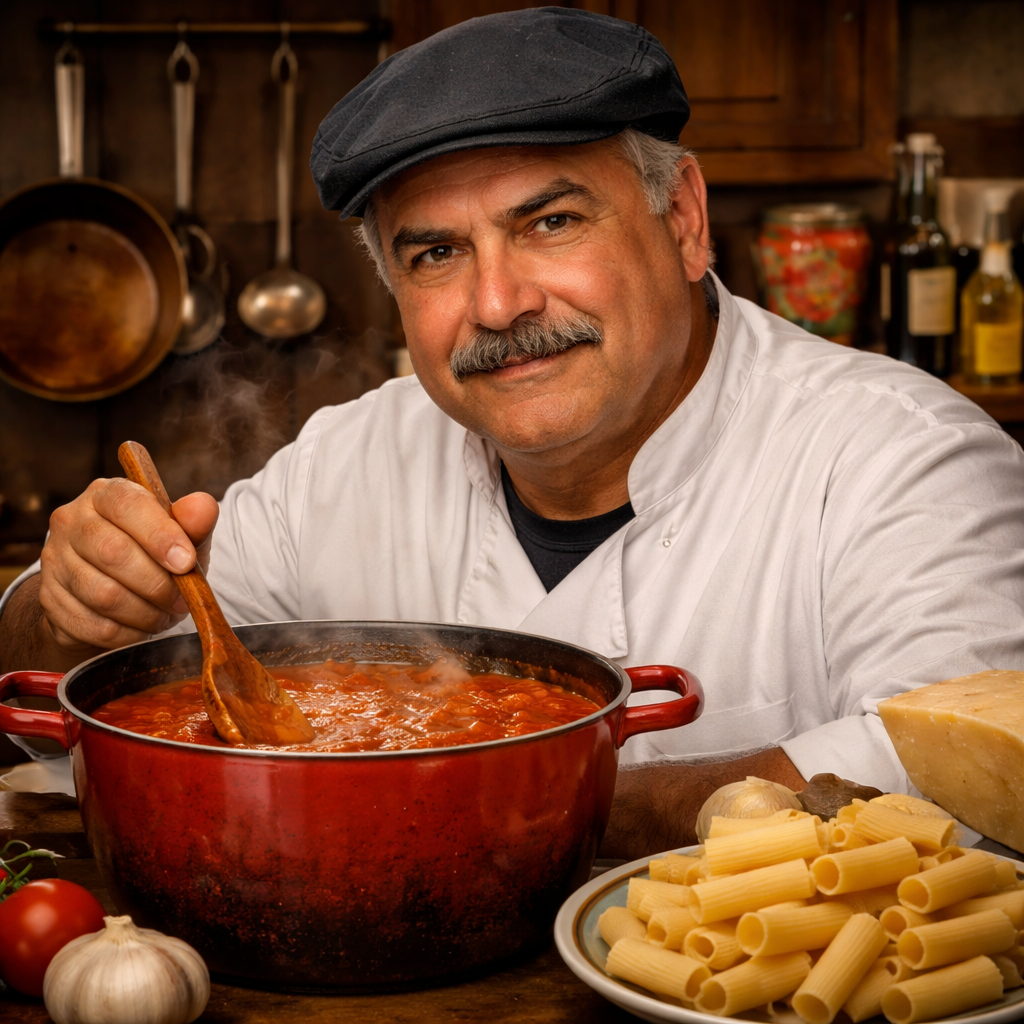
I‘ve made this a thousand times. It gets better every time. Homemade ramen bowl is one of those dishes that rewards patience and punishes shortcuts in equal measure. The broth is the whole game. Everything else — the noodles, the toppings, the egg — is presentation. The broth is the reason you make this at home instead of ordering it.
I came up in Italian kitchens, but I spent thirty years cooking next to people who knew Japanese technique, Chinese technique, Korean technique. You learn fast when you pay attention. A proper ramen broth is built with the same philosophy as a Sunday gravy — low heat, long time, bones in the pot, rendered fat carrying flavor. Different ingredients, same principle.
The easy ramen bowl shortcuts I’m giving you here are real shortcuts — techniques that save time without sacrificing the thing that matters. You can have a deeply flavored broth in two hours instead of eight if you know which steps are negotiable and which ones aren’t.
Why This Recipe Works
The best ramen bowl at home starts with a tare — a concentrated seasoning paste that gets added to the broth at the end. The tare allows you to control salt and flavor balance in each bowl individually, which is how ramen shops do it. Without a tare, you’re guessing at seasoning the whole batch and usually end up with something flat or overly salty.
Toasted aromatics — charred ginger and garlic added to the stock — add a smokiness and depth that plain simmered aromatics don’t have. The fat layer on top of the broth isn’t an accident or a sign of poor skimming; it carries fat-soluble flavor compounds directly to your palate with every sip. Don’t skim it all off.
Ingredients
The Broth
- 3 lbs pork neck bones or chicken backs (or a mix)
- 1 whole head garlic, halved crosswise
- 3-inch piece fresh ginger, halved lengthwise
- 2 medium yellow onions, quartered
- 2 dried shiitake mushrooms
- 1 piece kombu (about 4 inches, optional)
- 10 cups cold water
- 2 tbsp neutral oil
The Shoyu Tare (Seasoning Sauce)
- ½ cup soy sauce (low-sodium)
- 2 tbsp mirin
- 1 tbsp sake (or dry white wine)
- 1 tsp toasted sesame oil
- 1 tsp sugar
The Bowls (Per Serving)
- 3 oz fresh ramen noodles (or dried, cooked per package)
- Chashu pork belly or soft-boiled marinated egg
- 2 slices of nori (dried seaweed)
- 2 tbsp bamboo shoots, rinsed
- 2 tbsp corn kernels
- 1 scallion, thinly sliced
- Sesame seeds
- A pat of unsalted butter (finishing, optional)
How to Make It
1 Blanch the Bones First
Place the bones in a pot, cover with cold water, and bring to a boil. Boil hard for 5 minutes — you’ll see grey foam rise. Drain, discard the water, and rinse the bones under cold running water. This step removes impurities that would cloud the broth and make it taste muddy. Don’t skip it.
2 Char the Aromatics
In a dry skillet over high heat, place the garlic halves and ginger pieces cut-side down. Cook without moving for 3 to 4 minutes until deeply browned and slightly charred. This charring adds a smoky, roasted depth to the broth that raw aromatics cannot. Char the onion quarters the same way — until the cut sides are dark and caramelized.
3 Build and Simmer the Broth
Combine the blanched bones, charred aromatics, dried shiitake mushrooms, kombu (if using), and cold water in a large pot. Bring to a boil, then reduce to a gentle simmer. Simmer uncovered for 2 hours, skimming foam but not fat from the surface. The broth should be opaque and richly flavored. Strain through a fine mesh sieve, discarding solids. You should have about 6 to 8 cups of broth.
4 Make the Tare
Combine the soy sauce, mirin, sake, sesame oil, and sugar in a small saucepan over medium heat. Bring to a simmer and cook for 2 minutes until slightly reduced and the alcohol cooks off. Remove from heat and cool. This is your seasoning concentrate — start with 2 tablespoons per bowl and adjust to taste.
5 Assemble the Bowls
Cook the ramen noodles per package directions. In each warmed bowl, add 2 tablespoons of tare. Ladle in 1½ to 2 cups of hot broth and stir to combine. Add the noodles, arrange the toppings — chashu pork, marinated egg halved lengthwise, nori, bamboo shoots, corn, scallion — on one side for presentation. Finish with sesame seeds and a small pat of butter in the broth if desired. Serve immediately.
Where Most People Blow It
Skipping the blanching step on the bones. The impurities in un-blanched bones produce a grey, murky, bitter broth that no amount of seasoning can fix. Two minutes of extra work at the start protects two hours of simmering.
Not charring the aromatics. Raw garlic and ginger in the broth taste sharp and one-dimensional. Charred, they add smokiness, sweetness, and depth. The difference is significant — take the extra five minutes.
Boiling the broth hard. A hard boil emulsifies fat into the liquid and produces a cloudy, greasy broth. A gentle simmer keeps the fat separate so you can control the final texture. Low and slow is correct.
Adding the tare to the whole pot. Season each bowl individually with the tare so you can adjust to each person’s preference. Adding it to the pot locks everyone into the same salt level with no adjustment.
Cold bowls. Ramen cools fast. Warm the bowls with hot water before assembling, pour it out, then add the broth. A warm bowl keeps the ramen hot through the meal instead of turning cold in ninety seconds.
Overcooked noodles. Ramen noodles go from done to mushy in under a minute. Cook them separately, rinse briefly with cold water to stop cooking, then add to the bowl just before serving. They should still have a slight chew.
What Goes on the Table With Homemade Ramen Bowl
Ramen is a complete meal in a bowl — it doesn’t need much on the side. A small dish of pickled ginger or kimchi for contrast. Gyoza (pan-fried dumplings) if you’re making this for a crowd and want something to pass around while the broth finishes. Cold Sapporo or Kirin if you’re drinking beer. Hot green tea to start.
For other noodle and pasta dishes worth mastering, the homemade lasagna recipe and the spaghetti carbonara recipe are the Italian-American counterparts — different traditions, same philosophy. The fettuccine alfredo recipe and one-pot pasta primavera round out a strong weeknight noodle rotation.
Variations Worth Trying
Tonkotsu-Style. Use only pork neck bones and simmer at a hard boil for the full time instead of a gentle one. The vigorous boil emulsifies collagen from the bones into a thick, milky, rich broth. Different technique, different result — both valid.
Chicken Shio Ramen. Use only chicken backs in the broth and make a salt-based tare (shio tare) with just salt, sake, and mirin. The result is a clear, delicate broth — lighter, more refined, and excellent in summer.
Miso Ramen. Add 2 tablespoons of white miso paste to the tare. Miso adds fermented depth and a slight sweetness that pairs especially well with corn and butter as toppings. A Hokkaido style worth knowing.
Vegetarian Ramen. Skip the bones and build the broth from kombu, dried shiitake, dried kelp, and roasted vegetables. It won’t have the same richness, but a well-made vegetarian dashi base is genuinely delicious and takes far less time.
Storage and Reheating
The broth keeps refrigerated for up to 5 days or frozen for up to 3 months. Store the broth, noodles, and toppings separately — assembled bowls don’t store well because the noodles absorb the broth and turn mushy. Reheat broth on the stovetop until steaming and assemble fresh bowls each time.
The tare keeps refrigerated for up to 2 weeks. Make a double batch — it’s the component that takes the least time and having it ready means a bowl of ramen can be assembled in 15 minutes whenever you have broth in the fridge.
FAQ
Where do I find ramen noodles?
Fresh ramen noodles are available at Asian grocery stores and increasingly at large supermarkets. Dried ramen noodles work well too — not the instant kind that come with flavor packets, but plain dried ramen noodles sold in coils or bundles. Sun Noodle is a respected brand. In a real pinch, thin fresh Chinese noodles are an acceptable substitute.
What is chashu pork and how do I make it?
Chashu is braised rolled pork belly — marinated in soy, mirin, sake, and sugar, then slowly braised until tender. It’s sliced and laid over the bowl as the primary protein. Instructions: roll a piece of pork belly tightly, tie with kitchen twine, sear on all sides, then braise covered in the marinade at low heat for 2 hours. Chill before slicing for clean, even pieces.
Can I use store-bought broth as a shortcut?
You can use it as a base, but fortify it. Add charred aromatics, a piece of kombu, and dried shiitakes to store-bought chicken or pork broth and simmer for 30 minutes before straining. The result is significantly more complex than plain store-bought. An honest shortcut that produces a real result.
How do I make the marinated soft-boiled egg (ajitsuke tamago)?
Bring a pot of water to a boil. Lower eggs gently and cook for exactly 6 minutes 30 seconds. Transfer immediately to an ice bath for 5 minutes. Peel carefully — the whites are just set, the yolks are jammy. Marinate peeled eggs in equal parts soy sauce and mirin for at least 4 hours or overnight. Slice lengthwise before serving. The marinated exterior and custardy interior are non-negotiable for a proper bowl.