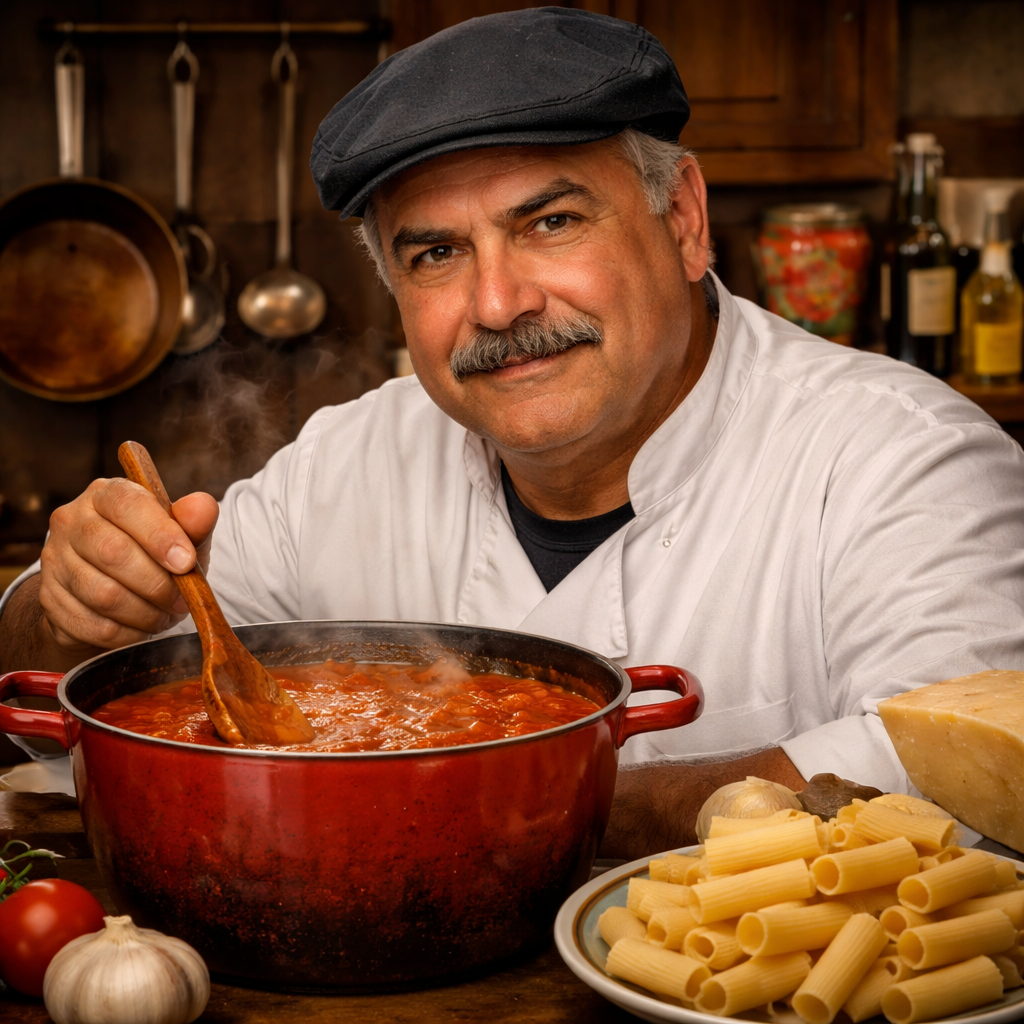
This is the one my kids fight over. Every. Single. Time. Pasta with brown butter and sage is one of those recipes that sounds too simple to be worth making — until you make it. Then you understand why Italian cooking has been doing it this way for five hundred years. Brown butter is not an ingredient; it’s a transformation. You start with plain butter and in four minutes you have something with more nutty, caramel depth than most sauces achieve in an hour.
My background is professional kitchens, and brown butter is one of those techniques every serious cook learns early. The French call it beurre noisette — hazelnut butter — because that’s exactly what it smells like when it’s done right. Italians cook this with fresh sage and the effect is stunning. The herb sizzles in the hot butter, turns crispy at the edges, and releases an earthy, herbal fragrance that fills the entire kitchen.
This pasta with brown butter and sage is proof that thirty years in kitchens taught me one thing above all else: technique beats ingredients every time. The best ingredients in the world won’t save bad technique. Perfect technique can make butter and pasta taste like a restaurant dish.
Why This Brown Butter Sage Pasta Works
- Brown butter develops Maillard reaction flavor — the milk solids toast and create nutty, caramel compounds you cannot get any other way
- Sage fries in the brown butter — not wilted, not sautéed; fried until crispy, which intensifies the herbal flavor tenfold
- Parmigiano adds salt and umami without cream — the sauce is rich from technique, not dairy overload
- Pasta water controls the sauce — a splash emulsifies brown butter into a cohesive coating instead of pooling
- Black pepper finishes the fat — classic pairing with brown butter; the spice cuts through richness perfectly
Ingredients
Core Ingredients
- 1 pound pasta (pappardelle, penne, or tortellini)
- 8 tablespoons (1 stick) unsalted butter
- 15–20 fresh sage leaves
- 1 cup freshly grated Parmigiano-Reggiano
- 1 teaspoon freshly cracked black pepper
- ½ cup reserved pasta water
- Kosher salt for pasta water and finishing
Optional Additions
- 2 cloves garlic, lightly smashed (add to butter while browning, remove before serving)
- Toasted pine nuts or walnuts (add at plating)
- ¼ teaspoon freshly grated nutmeg (add to brown butter)
- Ricotta or burrata on top for creaminess
- Crispy prosciutto or pancetta, rendered and crumbled
Instructions
Step 1: Cook the Pasta
Bring a large pot of water to a boil. Salt it generously. Cook pasta to package directions minus 2 minutes. Reserve at least ¾ cup pasta water before draining. The pasta finishes in the brown butter, so undercooking here is intentional and correct.
Step 2: Brown the Butter
In a wide, light-colored saucepan over medium heat, melt the butter. Watch it carefully. It will foam, then the foam will subside, then small brown specks will appear on the bottom. The moment the specks are golden-brown and the butter smells nutty, add the sage leaves immediately. The sage goes in as a timing cue — it slows the butter from going from brown to burnt. This entire process takes about 4–5 minutes. Use a light-colored pan to see the color change clearly.
Step 3: Fry the Sage
The sage leaves will sizzle and bubble immediately. Cook for 30–45 seconds until the leaves are crispy and the sizzling slows. Remove the sage to a paper towel — they’ll be used as a crispy garnish. Add ¼ cup reserved pasta water carefully (it will sputter) to stop the butter from cooking further.
Step 4: Toss the Pasta
Add the drained pasta to the brown butter pan over medium heat. Toss for 2 minutes. Add pasta water gradually to reach a silky, flowing consistency. The pasta should be coated in glossy brown butter, not swimming in it. Remove from heat and add Parmigiano-Reggiano, tossing to combine. Season with black pepper and salt to taste.
Step 5: Plate and Garnish
Transfer to warm bowls immediately. Arrange several crispy sage leaves on top — they shatter pleasantly when eaten and provide textural contrast. Add more Parmigiano, a crack of black pepper, and serve. This dish is at its absolute best eaten the moment it’s made.
Chef’s Tips & Common Mistakes
- Use a light-colored pan — in a dark pan you cannot see when the butter specks turn brown; you’ll burn it before realizing
- Never walk away from browning butter — the window between brown and burnt is under 30 seconds; stand at the stove
- Add sage as a timing marker — when butter hits the right color, sage goes in and slows the process giving you buffer time
- Don’t skip pasta water — without it, brown butter pasta is just greasy; the starch emulsification is what makes it a sauce
- Warm the bowl if possible — brown butter solidifies quickly on cold ceramic; a warm bowl keeps the sauce moving at the table
- Pappardelle or thick pasta shapes carry more butter — wide, flat noodles give maximum surface area for the brown butter to cling
Variations
- Brown Butter Sage with Tortellini: Use cheese tortellini instead of plain pasta — the brown butter and crispy sage is a classic pairing that elevates stuffed pasta beautifully
- With Butternut Squash: Toss in roasted butternut squash cubes — the sweetness plays against the nutty butter in a classic Italian autumn combination
- Brown Butter Lemon: Add lemon zest and a squeeze of juice at the end — citrus cuts through the richness and lifts the whole dish, similar to lemon pasta
- Hazelnut Version: Add toasted hazelnuts at plating — the beurre noisette fragrance plus actual hazelnuts is outrageously good
- White Sauce Base: Use brown butter instead of regular butter to start a béchamel — the nutty depth transforms the sauce completely, see white sauce pasta for the technique
- With Prosciutto: Render thin slices of prosciutto in the pan before the butter — the cured meat fat seasons the butter and adds a salty layer of complexity
Storage & Reheating
Refrigerator: Store up to 3 days. The brown butter will solidify in the fridge — this is normal and not a problem.
Reheating: Reheat in a skillet over medium with a splash of water or broth. Toss until the butter re-emulsifies and the pasta is heated through. Add a small pat of fresh butter if it seems dry.
Sage Leaves: Store fried sage separately at room temperature — refrigerating them makes them soggy. Add fresh at serving.
Freezer: Not recommended — pasta quality suffers and the brown butter emulsion breaks on thawing.
Frequently Asked Questions
How do I know when brown butter is ready?
Three signals: the foam subsides, the color in the pan bottom turns golden-amber, and the aroma shifts to nutty and caramel-like. The smell is the most reliable signal. If it smells burnt, it is burnt. Golden specks = perfect. Dark brown specks = too far. Black specks = start over.
Can I use dried sage?
Not recommended. Dried sage lacks the water content needed to sizzle properly in the butter and won’t become crispy. The visual and textural element of fried fresh sage leaves is part of the dish. If fresh sage isn’t available, fresh rosemary makes a reasonable substitute.
Why is my pasta greasy?
Not enough pasta water was used to emulsify the butter. Brown butter needs starch from pasta water to coat rather than pool. Add more reserved pasta water and toss vigorously over heat until the sauce looks creamy instead of oily. See aglio e olio for the same emulsification principle.
What pasta works best with brown butter?
Wide, flat pasta like pappardelle or tagliatelle gives maximum surface area for the sauce. Gnocchi is traditional and excellent. Tortellini is a classic Italian-American pairing. Tube shapes like penne also work well. Avoid very thin pasta like angel hair — it tangles before you can coat it properly.
Is brown butter the same as clarified butter?
No. Clarified butter has the milk solids removed to get a pure fat with a high smoke point. Brown butter keeps the milk solids and toasts them, creating flavor compounds you can’t achieve with clarified butter. Related: penne alla vodka uses regular butter to finish; this uses browned butter for a completely different flavor profile.