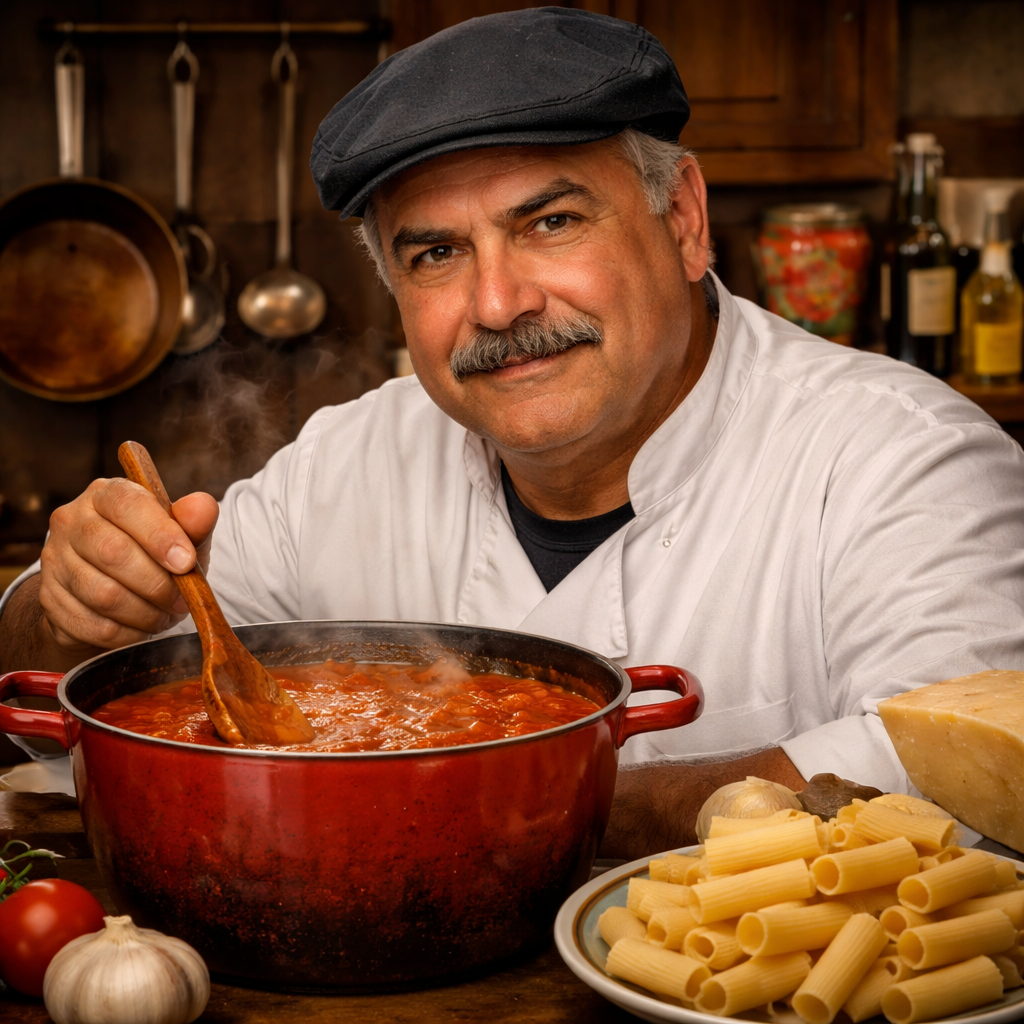
My old head chef used to say — if the aroma doesn’t hit the hallway, start over. He was talking about gravy. Real gravy. The kind that comes from actual drippings, actual stock, actual patience at the stove. Not a packet. Not a jar. Not a shortcut that “tastes just as good.” It doesn’t taste just as good. Homemade gravy from scratch tastes like the meal it’s accompanying in a way that nothing else can replicate — because when you do it right, the gravy IS the meal. It carries every roasted brown bit, every caramelized edge, every herb that seasoned the pan.
The good news is that proper gravy is not complicated. It’s a roux and a liquid. The technique is the part that matters, and once understood, it applies to every gravy situation: turkey, chicken, beef, pork, even pan-less gravies built from stock alone. Master this and you never serve dry meat again.
Why This Homemade Gravy Works
- Pan drippings as the base: The brown bits stuck to the roasting pan — the fond — are concentrated flavor. Deglazing lifts them entirely and dissolves them into the gravy.
- The fat-to-flour ratio: Equal parts fat and flour (a roux) creates a stable thickener that won’t turn pasty or break.
- Cooking the roux: Cooking the flour in fat for 2–3 minutes before adding liquid eliminates the raw flour taste. This step is mandatory.
- Warm stock: Adding cold stock to a hot roux causes lumps. Warm stock incorporates smoothly.
- Constant whisking: The transition from roux to smooth sauce requires continuous whisking during liquid addition. Two focused minutes prevent ten minutes of lump-fighting.
Ingredients
The Foundation
- Pan drippings from roasted meat (turkey, chicken, beef, or pork) — about ¼ cup fat
- If no drippings: 4 tbsp unsalted butter
- ¼ cup all-purpose flour
- 2–3 cups warm stock (matched to the meat)
Aromatics and Seasoning
- 1 shallot or small onion, minced (optional)
- 2 garlic cloves, minced (optional)
- 1 tsp fresh thyme leaves or ½ tsp dried
- 1 tbsp Worcestershire sauce
- 1 tsp soy sauce (for depth, not saltiness)
- Salt and freshly ground black pepper to taste
- Optional: splash of white or red wine for depth
- Optional: 1 tbsp cold butter at the finish for gloss
Instructions
Step 1: Collect and Measure Drippings
After removing the roasted meat, pour drippings into a fat separator or measuring cup. Let sit 2 minutes — the fat rises. Collect about ¼ cup of fat. Keep the meaty, browned juices separately — those go directly into the finished gravy. If you don’t have enough fat, supplement with butter.
Step 2: Deglaze the Pan
Set the roasting pan over two burners on the stove over medium heat. Add a splash of wine or stock and scrape vigorously with a flat wooden spoon, loosening every browned bit from the pan bottom. The fond that dissolves into the liquid is concentrated flavor. Pour this deglazed liquid in with your measured drippings.
Step 3: Build the Roux
In a saucepan over medium heat, add the reserved fat or butter. If using aromatics, add shallot and garlic now and cook 2–3 minutes until softened. Add flour and whisk immediately to combine. Cook the roux, whisking constantly, for 2–3 minutes until it smells slightly nutty and looks pale golden. Don’t skip this step — raw flour taste cannot be fixed after the fact.
Step 4: Add Liquid and Finish
While whisking constantly, slowly pour in warm stock in a thin, steady stream. Add the deglazed pan drippings as well. Whisk vigorously as the liquid hits the roux. Once all liquid is incorporated and the gravy is smooth, add thyme, Worcestershire, soy sauce, and any reserved meaty juices. Simmer 5–7 minutes, stirring occasionally, until it reaches the consistency of heavy cream. Season with salt and pepper. Finish with a pat of cold butter whisked in off the heat for shine.
Tips and Common Mistakes
- Lumpy gravy: Almost always caused by adding cold liquid too fast. Add warm stock slowly, whisking constantly. If lumps form, strain through a fine mesh strainer — problem solved instantly.
- Too thin: Simmer longer uncovered. Gravy thickens as liquid evaporates. Give it another 5 minutes before assuming something is wrong.
- Too thick: Add a splash of warm stock, whisk, and check. Gravy can always be thinned. Far easier fix than too thin.
- Tastes flat: Add more Worcestershire and a splash of soy sauce. These add umami without saltiness. Also check black pepper — it brightens gravy significantly.
- No drippings: Brown turkey or beef scraps in a pan, add aromatics, deglaze with stock, and use this enriched stock as your liquid. Equally excellent gravy, different starting point.
Variations
- Turkey giblet gravy: Simmer turkey neck, heart, and gizzards to make giblet broth. Use this as part or all of your stock for the ultimate Thanksgiving gravy.
- Beef red wine gravy: Deglaze with red wine (reduce by half before adding stock) and use beef stock. Perfect for pot roast or prime rib.
- Mushroom gravy: Saute sliced cremini or porcini in the fat before adding flour. Deeply savory and meatless — rivals any dripping-based version.
- Gluten-free: Substitute a cornstarch slurry (2 tbsp cornstarch mixed with 2 tbsp cold water) for the flour roux. Add the slurry after the liquid is hot rather than building a roux first.
Build out a full sauce repertoire alongside this gravy: the Homemade Basil Pesto, the bright Salsa Verde, the Classic Chimichurri, and the all-purpose Homemade Ranch Dressing.
Storage and Reheating
- Refrigerator: Keeps for 5 days. Gravy congeals in the refrigerator — normal sign of good gelatin content from the stock.
- Freezer: Freezes well for 3 months. Thaw overnight in the refrigerator.
- Reheating: Reheat gently in a saucepan over medium-low heat, whisking as it warms. It will look broken at first — keep whisking and it comes back together. Add a splash of stock if too thick.
Frequently Asked Questions
How do I fix gravy that looks greasy and broken?
Whisk vigorously while adding a small amount of warm stock. The additional liquid can help re-emulsify. If that fails, transfer carefully to a blender and blend briefly, then strain. Broken gravy is fixable in most cases — don’t panic.
Can I make gravy without pan drippings?
Yes. Start with butter, cook aromatics — onion, garlic, celery — make a roux, and use well-seasoned stock as your liquid. Without drippings, depth comes from your stock quality and aromatics. Use the best stock you can find or make yourself.
How far ahead can I make gravy?
Up to 3 days ahead. Make and refrigerate. Reheat gently when needed, adding stock to thin if necessary. Making gravy ahead eliminates last-minute holiday kitchen stress entirely. Highly recommended.
What is the difference between gravy and a pan sauce?
Gravy is thickened with a roux or starch. A pan sauce is reduced from drippings and wine or stock without a thickener — thinner but more intensely flavored. Both start from the same place; technique diverges at the thickening step. Gravy scales better for large crowds.