Don’t rush this. Good food doesn’t have a timer. But Freezer Meal Recipes? Freezer meals respect your time in a completely different way — you invest one afternoon of cooking and you get weeks of real dinners waiting for you in the freezer, ready on any night you don’t feel like cooking from scratch. That’s not laziness. That’s intelligence.
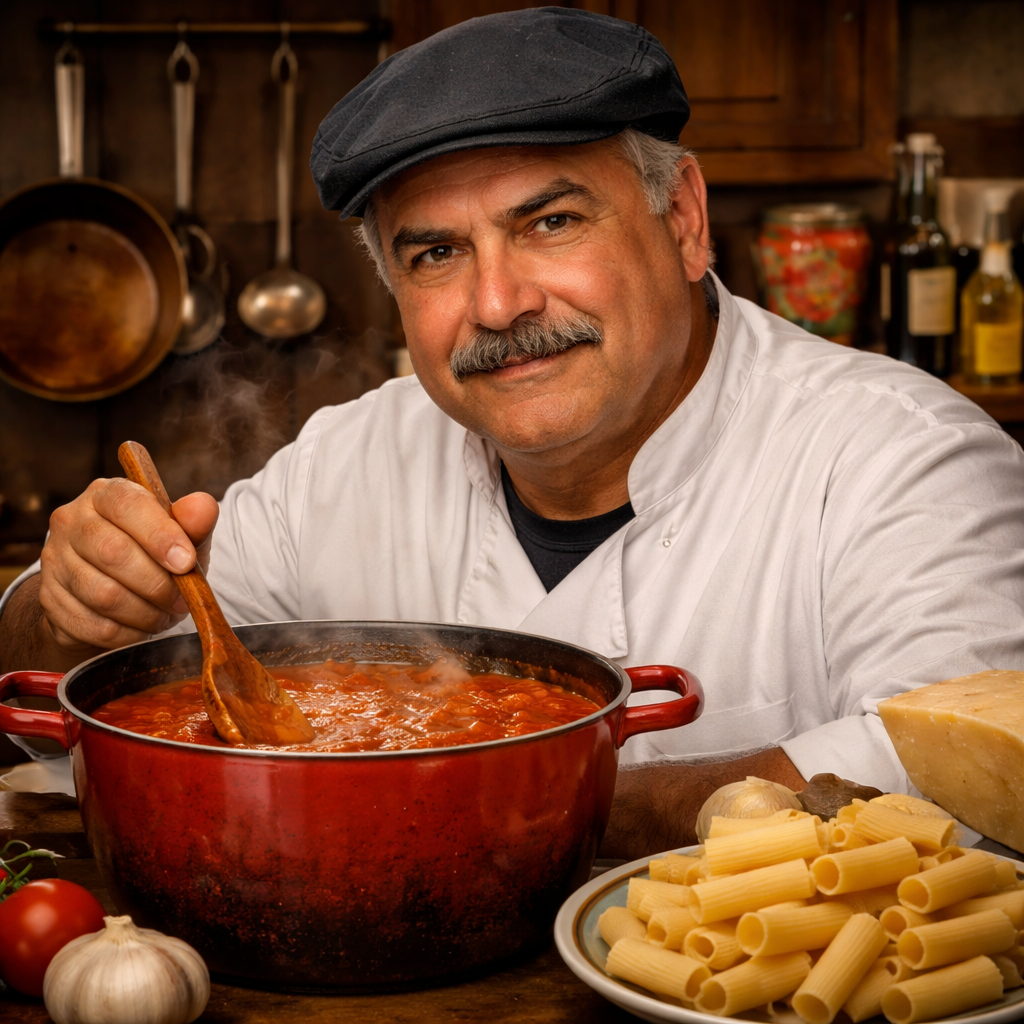
I spent 30 years in professional kitchens. We batch-cooked, we portioned, we froze. The restaurant equivalent of freezer meals is what keeps a kitchen running efficiently when things get slammed. The same principle applies at home — maybe more so, because you don’t have a line of cooks helping you get food on the table.
This guide covers the best freezer meal recipes — what to cook, how to freeze it properly, how to thaw and reheat it without destroying the texture, and which dishes freeze beautifully versus which ones you should never put in a freezer bag. This isn’t a single recipe. It’s a complete freezer cooking system from someone who’s been cooking professionally for three decades.
Why a Freezer Meal System Works
- Cook once, eat many times — a 4-hour Sunday cooking session can stock a freezer with 15-20 dinners.
- Eliminates weeknight decision fatigue — “What’s for dinner” becomes “What do I want to thaw tonight.”
- Reduces food waste — excess produce, proteins about to turn, extra portions all get preserved instead of thrown away.
- Saves money — buying proteins in bulk when on sale and freezing immediately captures significant savings over time.
This pairs directly with the full meal prep recipes system. Start with weekly meal prep for beginners to build the habits first.
Best Dishes for Freezer Meals
Organized by category
Proteins That Freeze Exceptionally Well
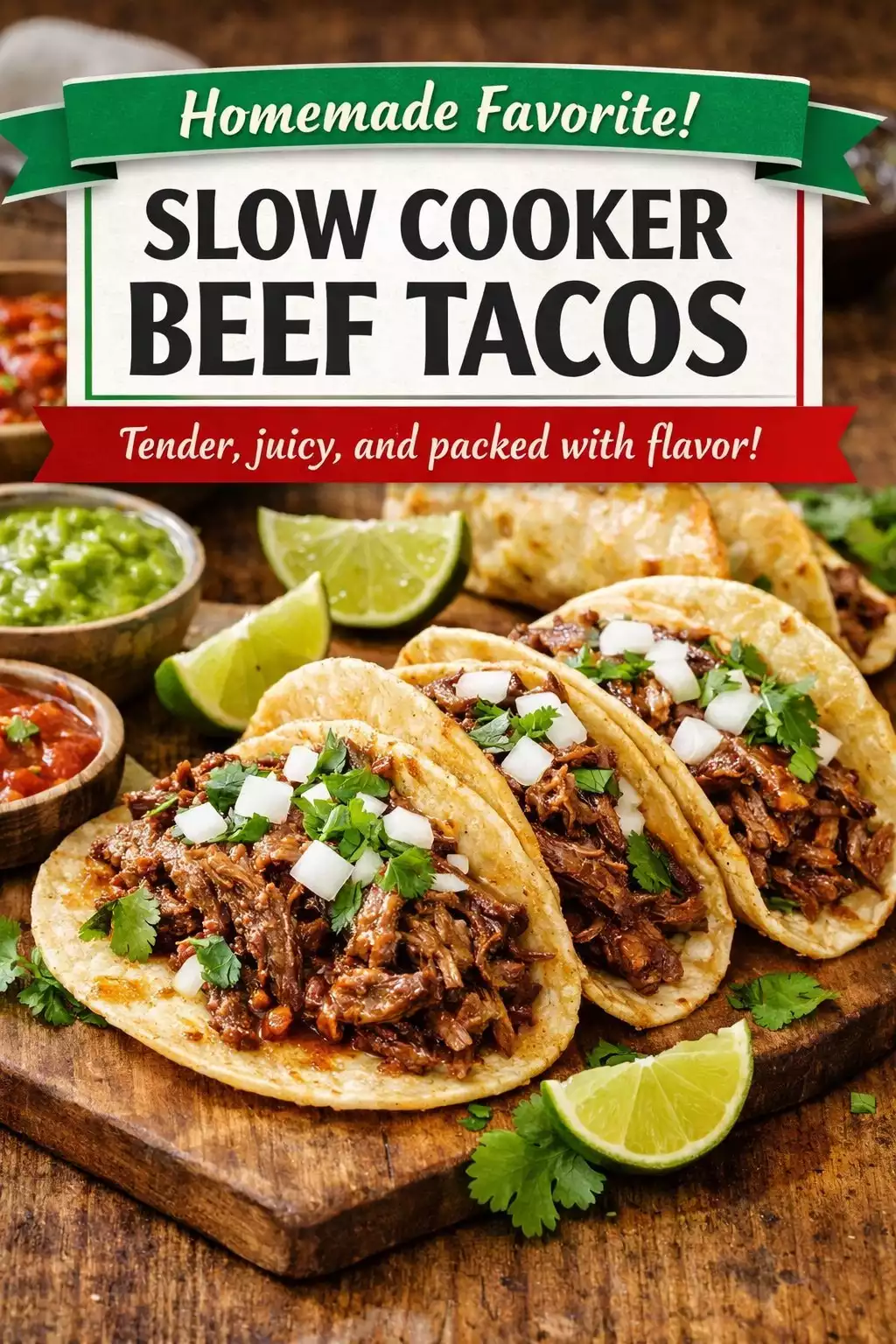
- Pulled pork (shredded, in cooking juices) — see slow cooker pulled pork
- Shredded chicken (thighs, not breast) — see meal prep chicken thighs
- Ground beef or turkey (cooked, drained, seasoned)
- Meatballs (Italian style — freeze on a sheet pan first, then bag)
- Cooked sausage (sliced or crumbled)
Complete Dishes That Freeze Well
- Soups and stews (almost all of them — the best freezer category)
- Chili (improves in the freezer, honestly)
- Braises (short ribs, pot roast, lamb shanks)
- Casseroles (unbaked freeze best — bake from frozen)
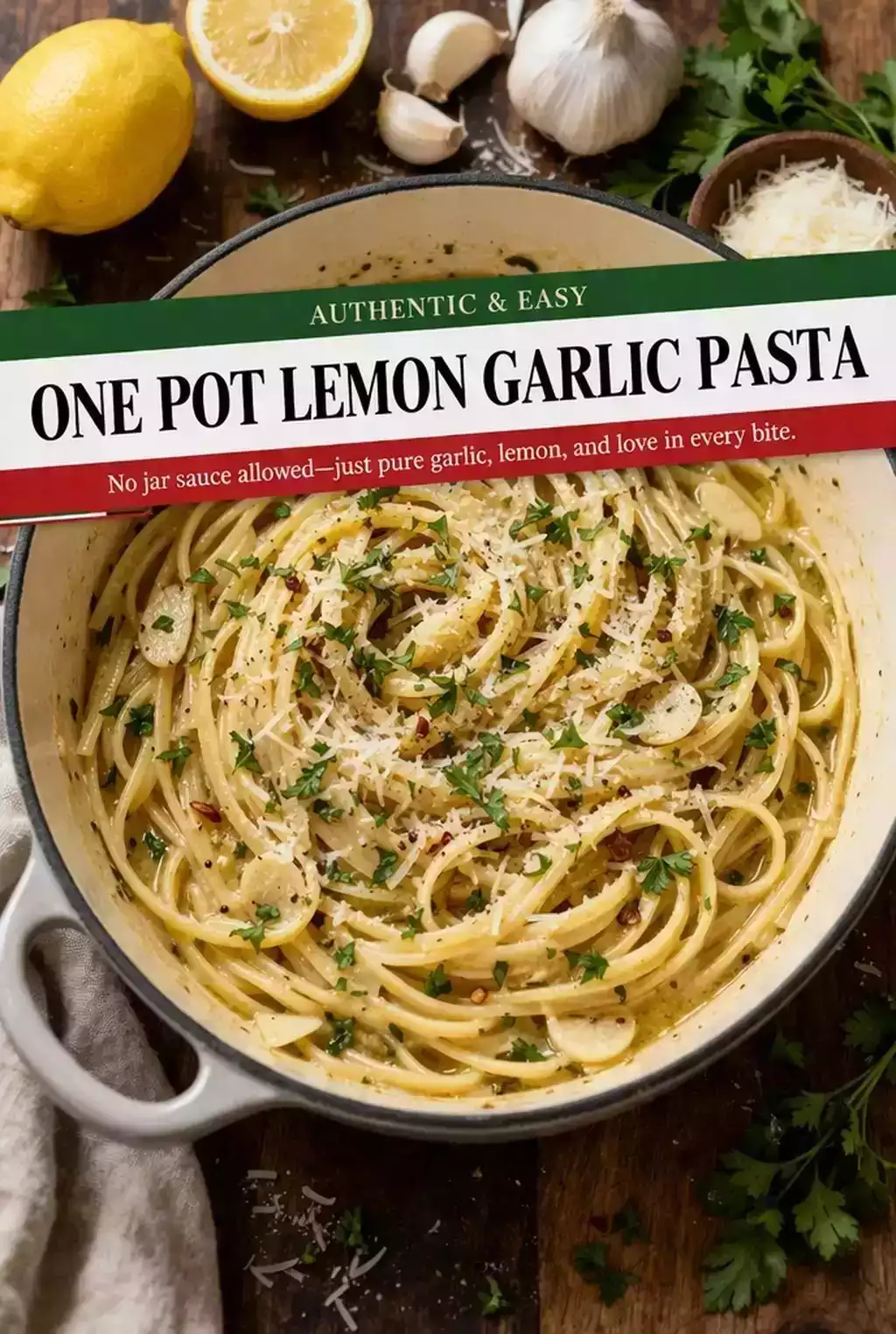
- Pasta sauces (without the pasta)
- Lasagna (unbaked or fully baked both work)
- Grain dishes (quinoa, rice, farro — in 1-cup portions)
What NOT to Freeze
- Salads and raw leafy greens
- Cooked pasta (freezes poorly — texture becomes mushy)
- Potatoes (whole or mashed — freezing breaks down the starch)
- Dairy-heavy sauces (cream sauces separate on thawing)
- Fried foods (reheated fried food from frozen is never what it was)
- Watery vegetables (cucumber, lettuce, raw tomatoes)
The Freezer Meal Cooking Process
Step 1: Choose Your Dishes Strategically
Pick 3-5 dishes that use overlapping ingredients to minimize waste and prep time. Classic combinations: a big batch of browned ground meat (used in chili, pasta sauce, and stuffed peppers), a large pot of braised chicken (shredded for tacos, soup, and grain bowls), and a double batch of tomato sauce (pasta, shakshuka, pizza base).
Step 2: Cook Everything in the Right Order
Start with the longest-cooking items first — braises, slow cooker dishes, soups. While those cook, prep and assemble quicker dishes. Time your session so everything finishes within the same hour. Stagger start times accordingly: slow cooker goes on first, oven items go in next, stovetop items go last.
Step 3: Cool Rapidly Before Freezing
This is where most home cooks get it wrong. Food must cool to below 40°F before going in the freezer. Hot food raises the freezer temperature, partially thaws neighboring items, and creates large ice crystals that damage texture. Spread food in shallow containers or set the pot in an ice bath to cool quickly. Don’t put hot pots directly in the freezer.
Step 4: Package for Maximum Freshness
Remove as much air as possible from freezer bags — air exposure causes freezer burn. Use heavy-duty freezer bags or airtight containers. For soups and liquids: leave 1 inch of headspace for expansion. For solid items: press bags flat to stack efficiently. Label everything with: dish name, date made, and serving size. Without labels, everything looks the same frozen.
Step 5: Freeze Flat for Efficient Storage
Lay filled freezer bags flat until frozen solid, then stand them upright like files in a box. This maximizes freezer space dramatically and allows you to see what you have at a glance. Organize by category: proteins in one section, complete meals in another, sauces in another.
Step 6: The FIFO Rule — First In, First Out
Place newer meals at the back, older ones at the front. Always pull from the front first. This prevents the “freezer cemetery” where old food sits forgotten for a year. Check your freezer inventory every 2-3 weeks and use the oldest items first.
Pro Tips for Better Freezer Meals
- Undercook slightly before freezing. Casseroles and dishes that will be reheated in the oven — cook them 80% of the way, then finish when reheating from frozen. Prevents overcooking on reheat.
- Freeze in serving-size portions. 1-2 cup portions for sauces and proteins. Single-meal portions for complete dishes. Thawing a huge block when you only need one serving is inefficient.
- Reserve cooking liquids. Braises and slow-cooked meats — freeze the cooking liquid with the meat, not separately. It prevents freezer burn and keeps the texture moist on reheat.
- Label with full information. Dish name, date, and reheat instructions. Future you will be grateful. A label that just says “soup” is useless 3 months later.
- Quality in, quality out. Freezing doesn’t improve food. Freeze things at peak quality and they’ll come out close to that quality. Freeze mediocre food and it comes out mediocre or worse.
Top 10 Best Freezer Meals to Make First
- 1. Pulled Pork: Shredded and frozen in 2-cup portions. The most versatile freezer protein. Start with slow cooker pulled pork.
- 2. Marinara Sauce: Make a massive batch, freeze in 2-cup portions. Pasta night is 10 minutes from start to table.
- 3. Chicken and White Bean Soup: Hearty, freezes perfectly, tastes better on reheat.
- 4. Chili: Turkey or beef, with or without beans. Freezes for 4 months. Always better the second time.
- 5. Meatballs: Freeze individually on a sheet pan, then bag. Pull as many as you need each time.
- 6. Breakfast Burritos: Wrap individually in foil, then in a bag. Microwave from frozen in 2 minutes.
- 7. Lasagna: Build unbaked, freeze, bake from frozen at 375°F for 90 minutes covered, 20 uncovered.
- 8. Grain portions: Cooked quinoa and rice in 1-cup freezer bags. See meal prep grain bowls for how to use them.
- 9. Shredded Chicken: From meal prep chicken thighs — the most versatile protein in your freezer.
- 10. Waffles and Pancakes: Make a double batch, freeze between parchment sheets. Toast from frozen.
Freezer Storage Times
- Cooked meats (beef, pork, chicken): 2-3 months optimal / up to 6 months safe
- Soups and stews: 2-3 months optimal / up to 6 months safe
- Casseroles (baked): 2-3 months
- Casseroles (unbaked): 3-4 months
- Pasta sauces: 3-4 months
- Cooked grains: 3 months
- Note: These are quality guidelines, not safety cutoffs. Frozen food is safe indefinitely at 0°F. Beyond these times, quality starts declining even if it’s technically safe to eat.
Frequently Asked Questions
How long do freezer meals last?
Most cooked dishes maintain best quality for 2-3 months. They remain safe to eat indefinitely at 0°F, but texture and flavor start deteriorating after that window. Date everything and use within 3 months for best results.
Is it better to freeze meals cooked or uncooked?
Depends on the dish. Casseroles, lasagna, and stuffed peppers freeze better uncooked — they finish cooking in the oven from frozen without overcooking. Soups, stews, braises, and sauces freeze better fully cooked. Proteins (pulled pork, shredded chicken, ground meat) freeze fully cooked.
Can I refreeze food that’s been thawed?
Yes, with a caveat: only if the food was thawed in the refrigerator, not at room temperature. Food thawed in the fridge remains safe to refreeze. Food thawed at room temperature should not be refrozen — use it immediately or discard.
How do I thaw freezer meals safely?
Best method: refrigerator overnight. Safe and maintains texture. Quick method: cold water bath (change water every 30 minutes). Emergency method: microwave’s defrost function. Never thaw on the counter at room temperature.
Does freezing affect nutrition?
Minimally for most nutrients. Some water-soluble vitamins (C, B) degrade slightly over longer freeze times, but the difference is minor. For all practical purposes, the nutritional profile of well-frozen food is essentially the same as fresh.